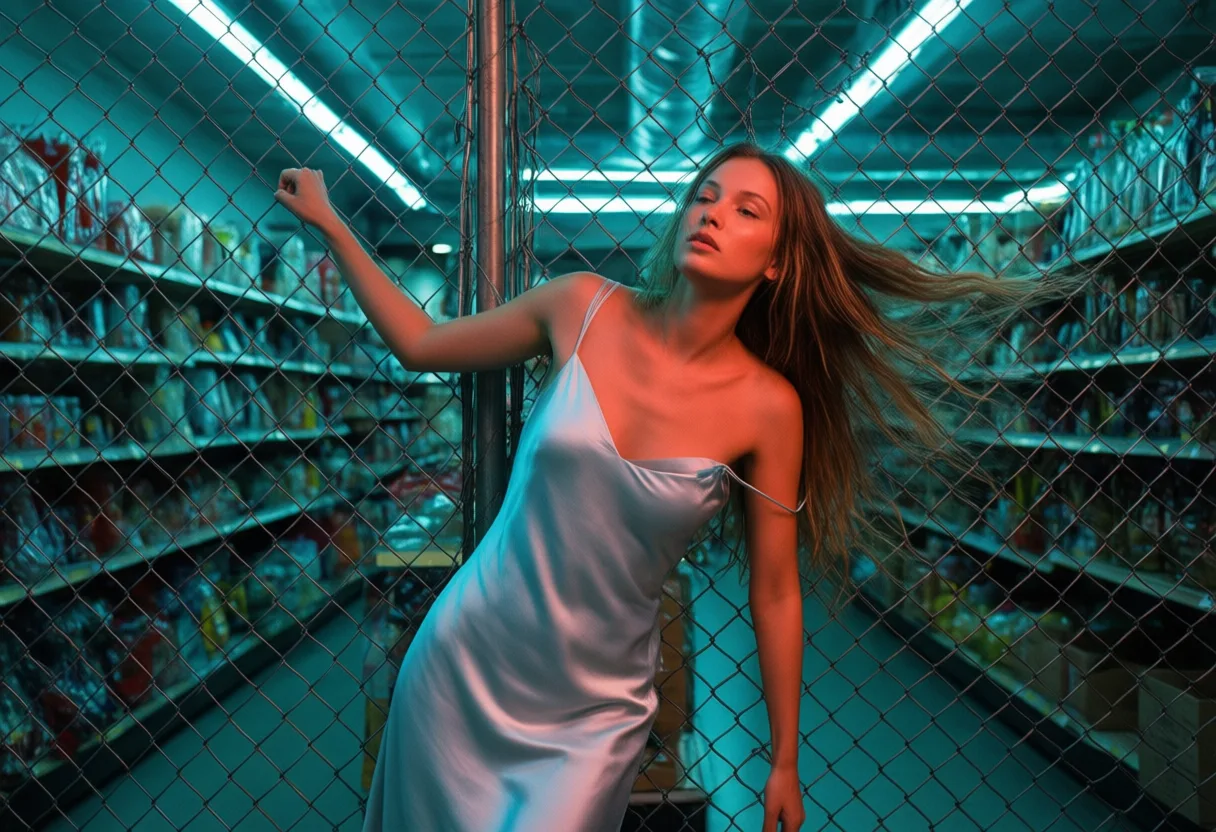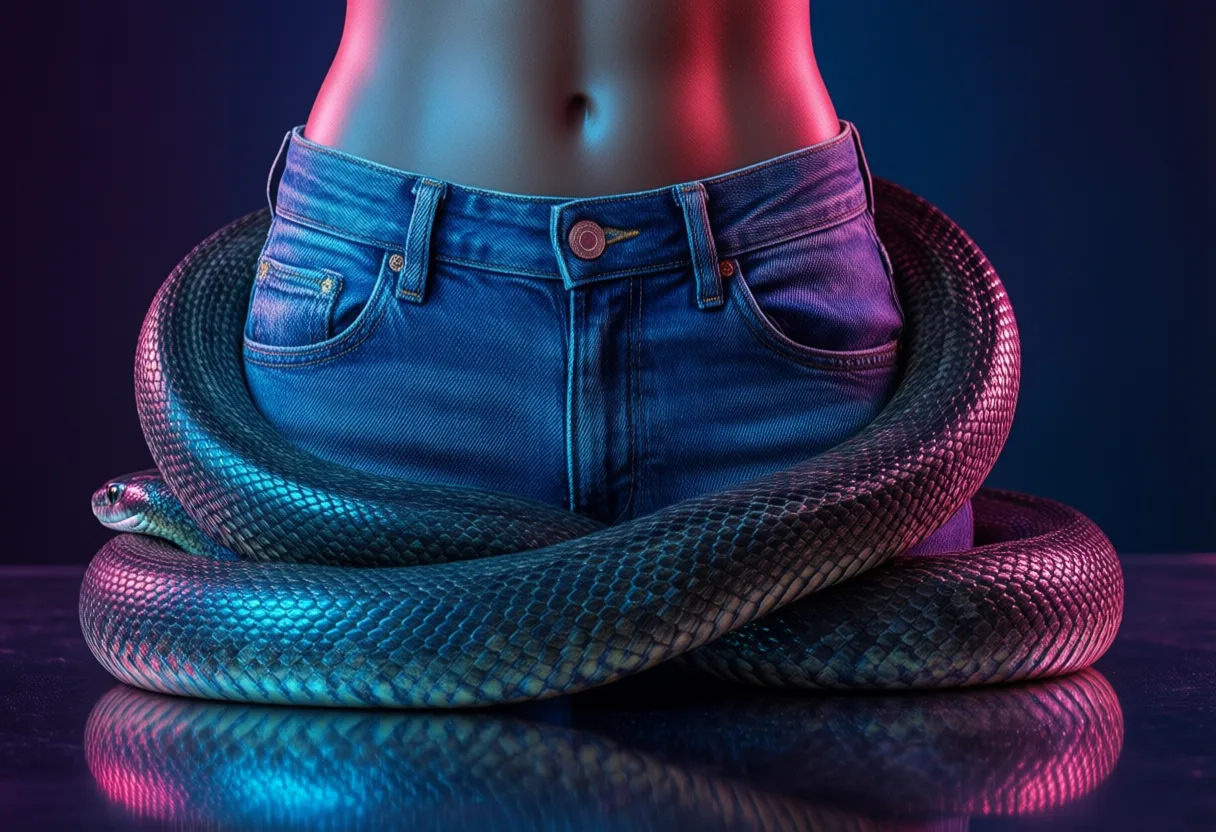
There is a rhythm to fashion, a pulse that beats beneath the hemlines and lapels, one that quickens with the spirit of rebellion, softens with nostalgia, and sharpens with the cut of a new era. What we wear is never merely fabric and thread-it is armor, manifesto, memory, and muse, stitched together in the language of silhouette, color, and attitude. From the defiant shimmer of 1920s flapper Dresses to the defiant slouch of 2020s streetwear hoodies, clothing has always been the most visible form of cultural translation.
The Roaring Rebellion: 1920s and 1930s
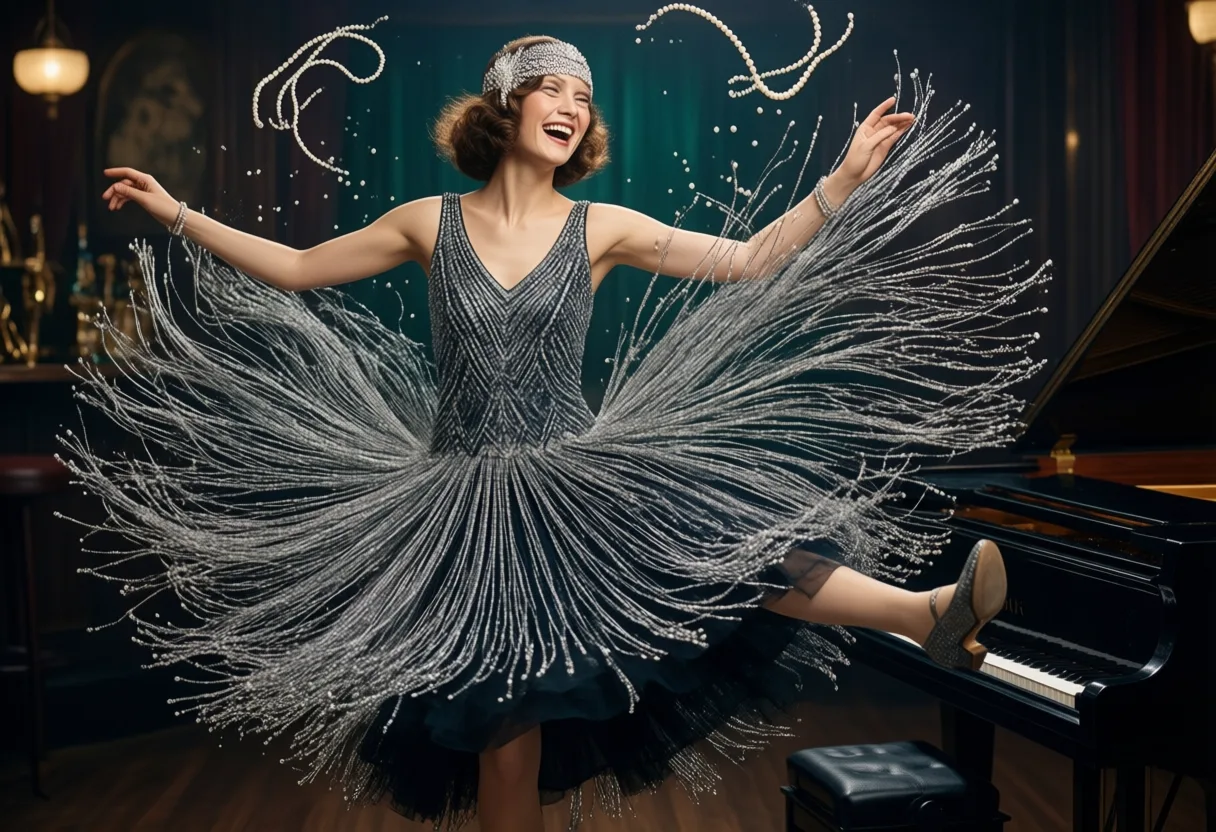
The 1920s unfurled like a bolt of sequined fabric tossed from a moving motorcar-sudden, dazzling, impossible to ignore. Women, freshly emboldened by the right to vote and the scent of freedom, shed corsets and long skirts in favor of dropped waists, fringed hems, and hair cropped into sleek bobs that framed faces painted with defiance and kohl. The flapper was not just a style; she was a seismic shift, a declaration of autonomy that rippled Through Parisian Salons and speakeasies alike, where beaded dresses caught the low light like schools of silver fish darting through shadow.
Coco Chanel, ever the architect of modern ease, championed simplicity over opulence, introducing jersey knits and understated elegance that rejected the gilded excess of the Previous decade. The silhouette became looser, more fluid-almost boyish-a deliberate erasure of the hourglass ideal. Evening wear sparkled with Art Deco geometry, while daywear embraced tailored lines and cloche hats that seemed to pull the face inward, as if whispering secrets only the wearer could hear.
By the 1930s, the Great Depression cast a longer, graver shadow, and Fashion Softened into something more restrained yet still radiant. Bias-cut gowns, clinging to the body like liquid, became the height of sophistication-proof that glamour could persist even in hardship. Hollywood, rising as a cultural titan, offered escapism through satin gowns and dramatic capes worn by stars like Greta Garbo and Marlene Dietrich, whose androgynous allure blurred gender lines with quiet audacity. Luxury became a dream sold on screen, while real-life wardrobes favored mending, layering, and making do with grace.
War, Waistlines, and Women Who Wore Pants
World War II reshaped not only borders but bodies and wardrobes. With men overseas, women entered factories in droves, trading silk for sturdy cotton and donning trousers-once a symbol of male authority-now a badge of necessity and strength. Utility dressing wasn’t chic by design, but ingenuity bloomed: belts cinched wartime silhouettes, shoulder pads added structure, and makeup became a form of patriotism-red lipstick a war cry in a compact.
Postwar euphoria exploded in the late 1940s and 1950s with Christian Dior’s “New Look,” a deliberate return to opulence. Rounded shoulders, cinched waists, and skirts that bloomed like peonies Declared victory not just over war, but over austerity. It was a silhouette designed to enchant, to restore a sense of femininity that had been, in the public imagination, momentarily displaced. Yet beneath the taffeta and crinoline, a quiet revolution brewed-women who had tasted independence weren’t eager to surrender it.
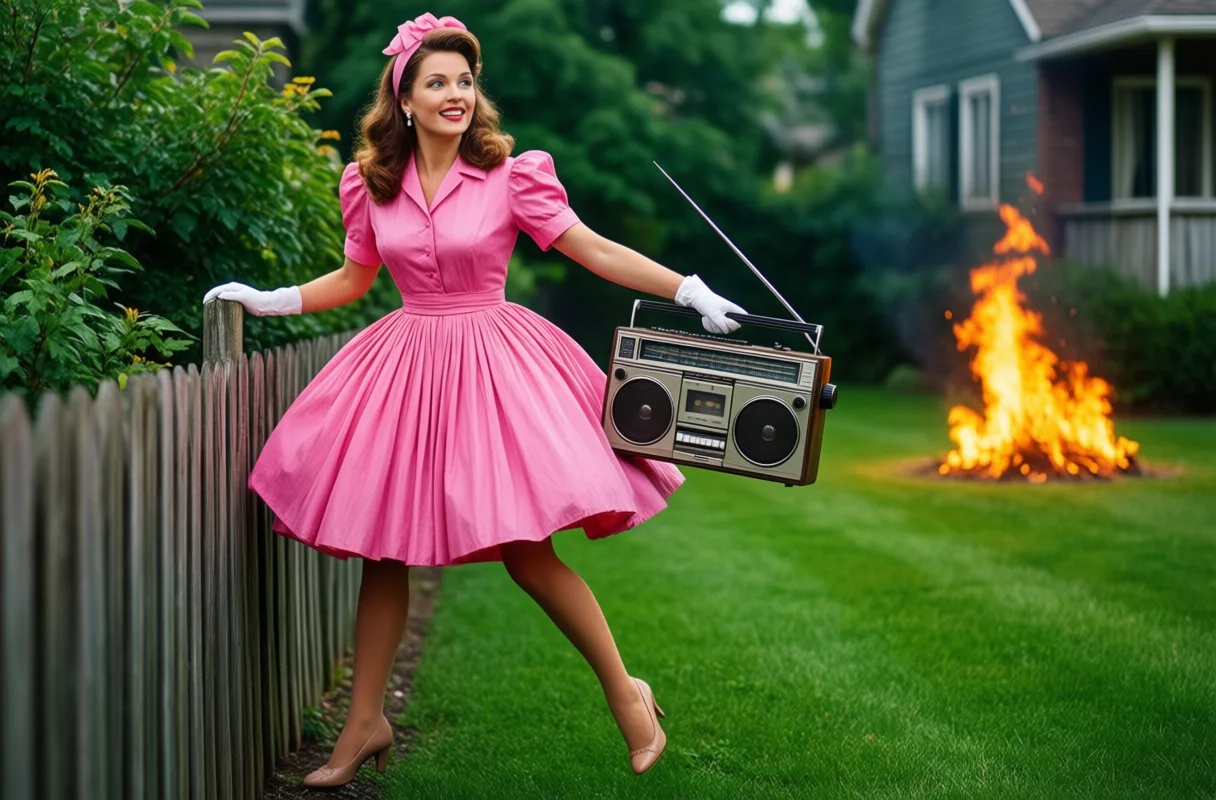
The 1950s polished domesticity into an art form, with house dresses, gloves, and pearls becoming emblems of a curated ideal. Teenagers, however, began to stir. In American diners and British streets, youth culture flickered to life: leather jackets, rolled-up jeans, and the rebellious curl of a ducktail haircut signaled a new generation refusing to be tailored so neatly. Icons like Audrey Hepburn brought a gamine elegance to the decade’s end-her Givenchy sheaths a study in minimalist grace-while Marilyn Monroe weaponized glamour, her breathy voice and billowing white dress becoming shorthand for desire itself.
Youthquake: The Swinging Sixties and Defiant Seventies
The 1960s arrived like a pop-art explosion-bright, brash, and unapologetically young. Youth became the ultimate muse, and fashion followed like a dazzled acolyte. London, not Paris, pulsed as the epicenter of cool, where designers like Mary Quant sliced hemlines into the miniskirt, a symbol of liberation that bared more than legs-it bared a new attitude. Go-go boots, geometric prints, and mod suits with narrow ties turned the streets into runways, each step a rejection of their parents’ restrained formalities.
Twiggy, with her doe eyes and boyish frame, became the face of an era that prized slimness and androgyny, while across the Atlantic, the Civil Rights Movement and counterculture gave rise to Afrocentric styles, dashikis, and natural hair as political statements. Hippie fashion of the late 1960s and 1970s embraced earth tones, peasant blouses, and flared jeans-a sartorial retreat from structure into freedom, hand-embroidered and unapologetically bohemian.
The 1970s refused to be pinned down. Disco’s arrival brought platform shoes, wide lapels, and glittering shirts that caught the mirror ball’s spin, turning nightclubs into cathedrals of self-expression. Studio 54 was its altar, where Bianca Jagger rode in on a white horse wearing a men’s suit-tailored, powerful, utterly unforgettable. Meanwhile, punk erupted from the underground: ripped fishnets, safety pins, and mohawks weren’t just fashion-they were fury made visible. Vivienne Westwood and Malcolm McLaren weaponized clothing, turning bondage trousers and anarchic slogans into manifestos stitched in leather and tartan.

Power, Excess, and the Birth of the Logo
The 1980s roared in like a stock ticker on fire-bold, brash, and dripping in gold. Shoulder pads were not just fashion; they were architecture, engineered to project authority in boardrooms where women were finally claiming space. Power dressing became a uniform: sharp blazers, silk blouses, and stilettos that clicked like a metronome of ambition. Designers like Giorgio Armani and Thierry Mugler sculpted silhouettes that were both commanding and theatrical, as if dressing for a world stage.
Luxury logos bloomed like tropical flowers-visible, unmissable, a new language of status. Designer denim, neon windbreakers, and Members Only jackets became badges of belonging. Meanwhile, hip-hop culture in New York began weaving its own aesthetic: oversized coats, Adidas shell-toes, and Kangol hats transformed street corners into runways. Run-DMC didn’t just wear sneakers-they sanctified them, turning sportswear into high art with every step.
Yet beneath the gloss, Minimalism Simmered. By the decade’s end, designers like Calvin Klein and Jil Sander whispered where others had shouted, favoring clean lines and neutral palettes. It was a quiet rebellion against excess, a prelude to the grunge revolution that would soon drape flannel over the decade’s gilded corpse.
The Grunge Counter-Statement and the Rise of the It Girl
The 1990s began not with a bang, but a slouch. Grunge, born in Seattle’s damp basements, rejected the 80s’ opulence with a thrift-store shrug. Flannel shirts, ripped jeans, and combat boots weren’t just casual-they were cynical, poetic, and utterly authentic. When Marc Jacobs sent grunge-inspired looks down the Perry Ellis runway in 1992, the fashion world gasped-was this poverty chic? Or genius? The line between high fashion and street authenticity had blurred, and it would never fully re-form.
Supermodels ruled the early 90s like goddesses of gloss: Cindy, Naomi, Linda, and Christy striding down runways with the power of dynasties. They weren’t just faces-they were franchises, their names selling perfume, jeans, and dreams. Yet by mid-decade, minimalism returned with a vengeance: Calvin Klein’s underwear ads, Kate Moss’s waifish silhouette, and Helmut Lang’s austere tailoring defined a new cool-effortless, detached, impossibly sleek.
The rise of streetwear accelerated. Tommy Hilfiger, FUBU, and Sean John brought urban style to the mainstream, while skaters and ravers birthed subcultures that dressed in defiance of convention. By the late 90s, the internet flickered to life, and with it, the first tremors of fast fashion. Trends no longer took years to trickle down-they exploded overnight, shared in zines, music videos, and nascent chat rooms where style was debated like scripture.
The Digital Age and the Democratization of Cool
The 2000s arrived with Y2K panic and butterfly clips, a strange blend of futuristic dread and nostalgic whimsy. Low-rise jeans, bedazzled everything, and trucker hats became ubiquitous, while celebrities like Paris Hilton and Britney Spears turned red carpets into playgrounds of excess. Yet beneath the glitter, the seeds of change were sown: blogging emerged as a new form of fashion criticism, and suddenly, anyone with a camera and an opinion could be a voice.
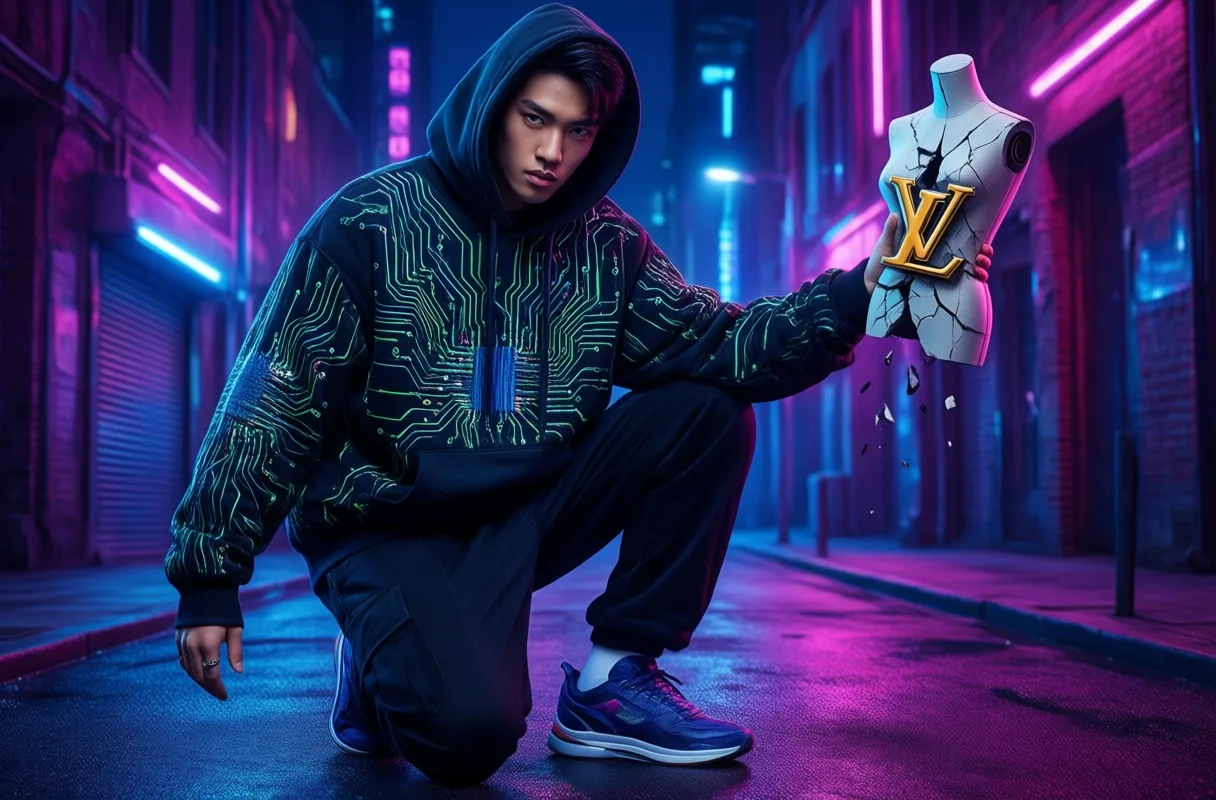
By the 2010s, Social media rewrote the rules. Instagram turned street style into spectacle, and influencers became the new arbiters of taste. Streetwear, once underground, ascended to luxury-Supreme boxes, Off-White arrows, and Yeezy drops became cultural events, lines forming not just for sneakers, but for belonging. Collaborations between high fashion and street labels-like Louis Vuitton and Supreme-were no longer unthinkable; they were inevitable.
Sustainability entered the conversation with urgency. Consumers began to question the cost of fast fashion, and brands responded-some genuinely, others with performative nods. Vintage wasn’t just nostalgic; it was radical. Thrifting, once a necessity, became a statement of individuality and ethics. The 2020s have embraced fluidity: genderless collections, body positivity, and a return to craftsmanship. Runways now reflect a world that demands not just beauty, but accountability.
The Thread That Binds: Fashion as Memory
Each decade stitches itself into the next, a continuous tapestry of rebellion, reinvention, and return. We wear the past not as costume, but as conversation-flapper beads echoing in a modern sequined top, punk’s safety pins reimagined in haute couture. Fashion is never just about what we wear-it’s about who we refuse to be.
From the salons of Coco Chanel to the sidewalks of Brooklyn, style has always been a mirror held up to society-sometimes flattering, sometimes unflinching. It documents our dreams, our traumas, our triumphs. And as we drape ourselves in the symbols of our time, we do more than dress-we declare.
So the next time you zip a jacket, knot a scarf, or lace your sneakers, remember: you’re not just choosing an outfit. You’re choosing a legacy.
| Decade | Key Style | Cultural Influence | Notable Elements |
|---|---|---|---|
| 1920s | Flapper look | Women's liberation, jazz culture | Dropped waists, bobs, kohl eyes |
| 1930s | Bias-cut gowns | Great Depression, Hollywood | Liquid draping, satin, escapism |
| 1940s–50s | Utility to New Look | WWII, postwar optimism | Trousers, shoulder pads, full skirts |
| 1960s | Mod and youth styles | Youthquake, counterculture | Miniskirts, go-go boots, unisex |
| 1970s | Disco and punk | Nightlife, rebellion | Platform shoes, glitter, safety pins |
| 1980s | Power dressing, streetwear | Hip-hop, corporate culture | Shoulder pads, logos, shell-toes |
| 1990s | Grunge, minimalism | Thrift culture, supermodels | Flannel, ripped jeans, clean lines |
| 2000s–2020s | Streetwear, sustainability | Social media, fast fashion | Hype drops, vintage, inclusivity |
From Roaring Twenties to Runway Rebels
The Birth of the Flapper Look
The 1920s flapper style wasn’t just about fringe and feathers-it was a rebellion stitched into fabric. Women chopped their hair into bobs, ditched corsets, and embraced loose, drop-waist dresses that scandalized traditionalists. Shorter hemlines, once unthinkable, crept up to the knee, symbolizing newfound freedom. Dance crazes like the Charleston fueled the need for mobility, making practicality surprisingly trendy. Jazz clubs became fashion runways, where bold makeup-especially dark kohl-rimmed eyes-completed the defiant look.
Post-War Pizzazz and Youthquake
After World War II, Christian Dior’s “New Look” brought back full skirts and nipped waists, celebrating luxury after years of rationing. But by the 1960s, youth culture flipped the script. British icons like Twiggy popularized miniskirts and mod styles, turning London into a fashion epicenter. The decade also saw the rise of unisex clothing and psychedelic prints, inspired by rock music and countercultural movements. Denim went from workwear to a symbol of rebellion, especially when ripped or patched by teens making a statement.
Streetwear’s Rise from the Sidelines
What began as functional clothing in 1980s urban communities evolved into a global phenomenon. Hoodies, sneakers, and oversized tees-once dismissed as lazy-became status symbols when embraced by hip-hop artists and skaters. Logos turned into language; wearing certain brands signaled belonging. By the 2000s, high fashion started borrowing from the streets, blurring lines between luxury and casual. Limited drops and sneaker culture created hype, turning shopping into an event. Today’s streetwear isn’t just comfortable-it’s collectible, creative, and constantly reinventing itself. Explore more stories, videos, and creators on Loaded.
Frequently Asked Questions
What defined 1920s flapper fashion?
Flapper fashion featured dropped waists, fringed hems, shorter hemlines, and bobbed hair. Women rejected corsets and embraced loose, boyish silhouettes as symbols of freedom and rebellion.
How did World War II influence fashion?
During WWII, women wore trousers and utility clothing out of necessity while working in factories. Shoulder pads, cinched waists, and red lipstick became common, blending practicality with patriotic style.
What role did youth culture play in 1960s fashion?
Youth culture drove 1960s fashion, with London as its epicenter. Miniskirts, mod suits, go-go boots, and unisex styles rejected traditional formalities and embraced rebellion and self-expression.
How did streetwear evolve from the 1980s to today?
Streetwear began as functional urban clothing in the 1980s and grew into a global phenomenon. Hip-hop and skate culture popularized hoodies, sneakers, and logos, later merging with high fashion and becoming collectible.
This article was produced with AI assistance. How Paradox Magazine uses AI.
Maeve explores avant-garde fashion through the lens of cultural evolution, blending runway analysis with street-level trends. She investigates how identity and innovation collide in fabric, silhouette, and statement, making high fashion accessible without diluting its daring.