There was a moment-raw, unfiltered, defiant-when Fashion Stopped playing dress-up and started speaking truth, when the gloss of the ’80s cracked under the weight of flannel shirts, chokers, and silence louder than any runway applause. The 1990s didn’t just shift the needle; they snapped it clean off, birthing a new sartorial language stitched from rebellion, restraint, and the quiet hum of authenticity. It was an era where beauty wore combat boots, where luxury whispered in monochrome, and where the streets became the most influential atelier in the world.
The Fall of Excess, the Rise of Raw
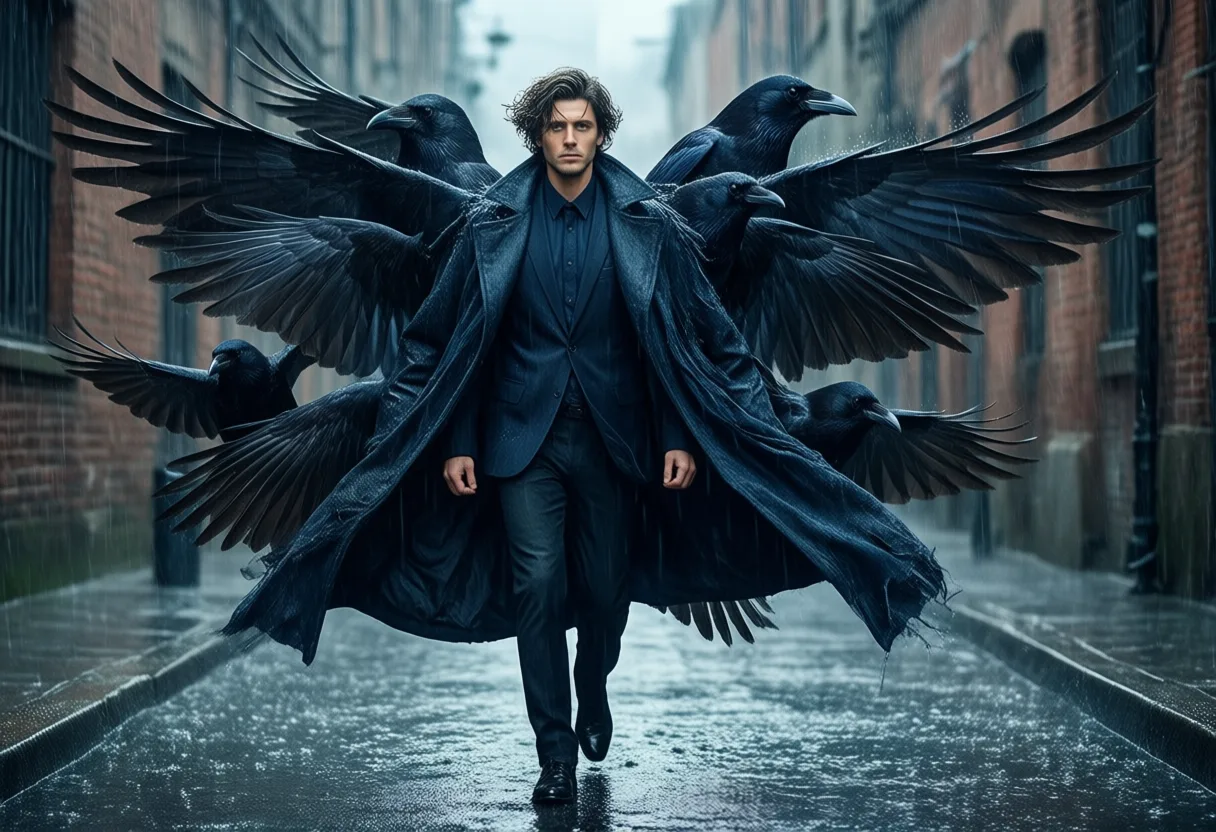
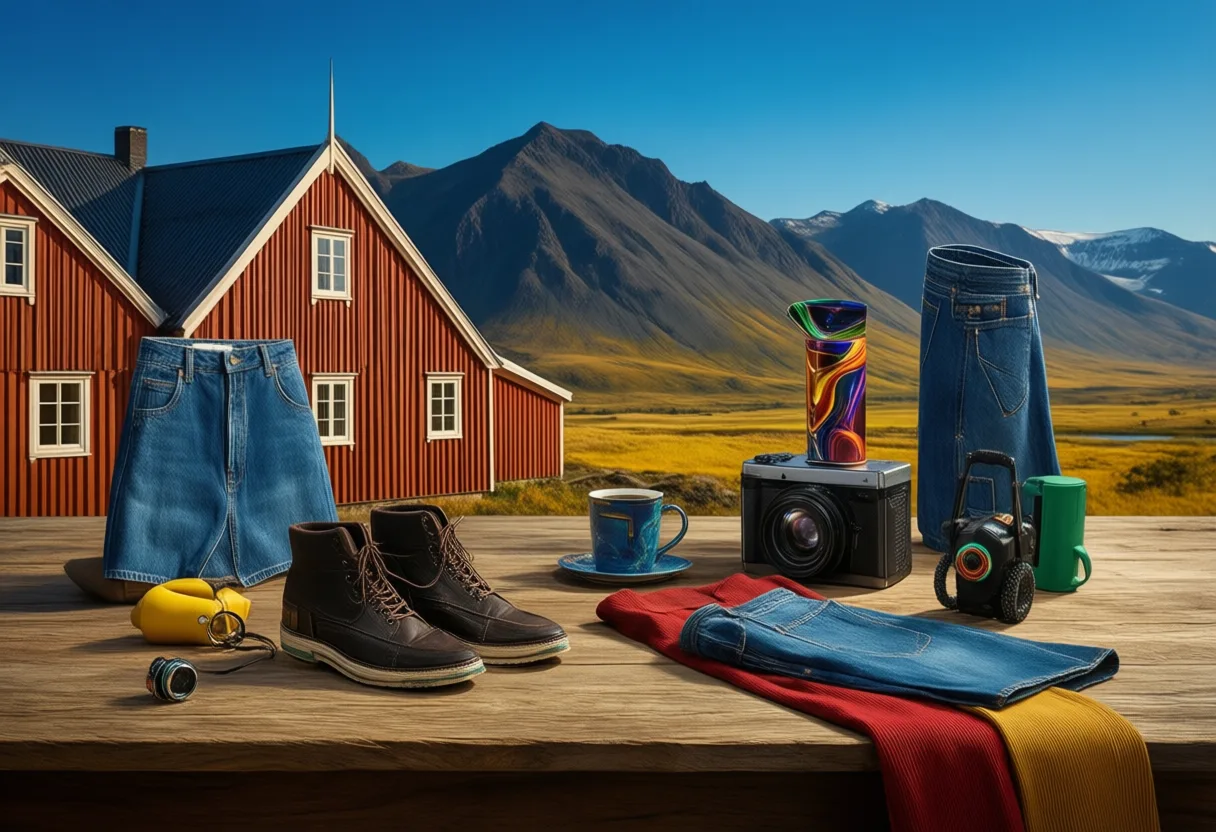
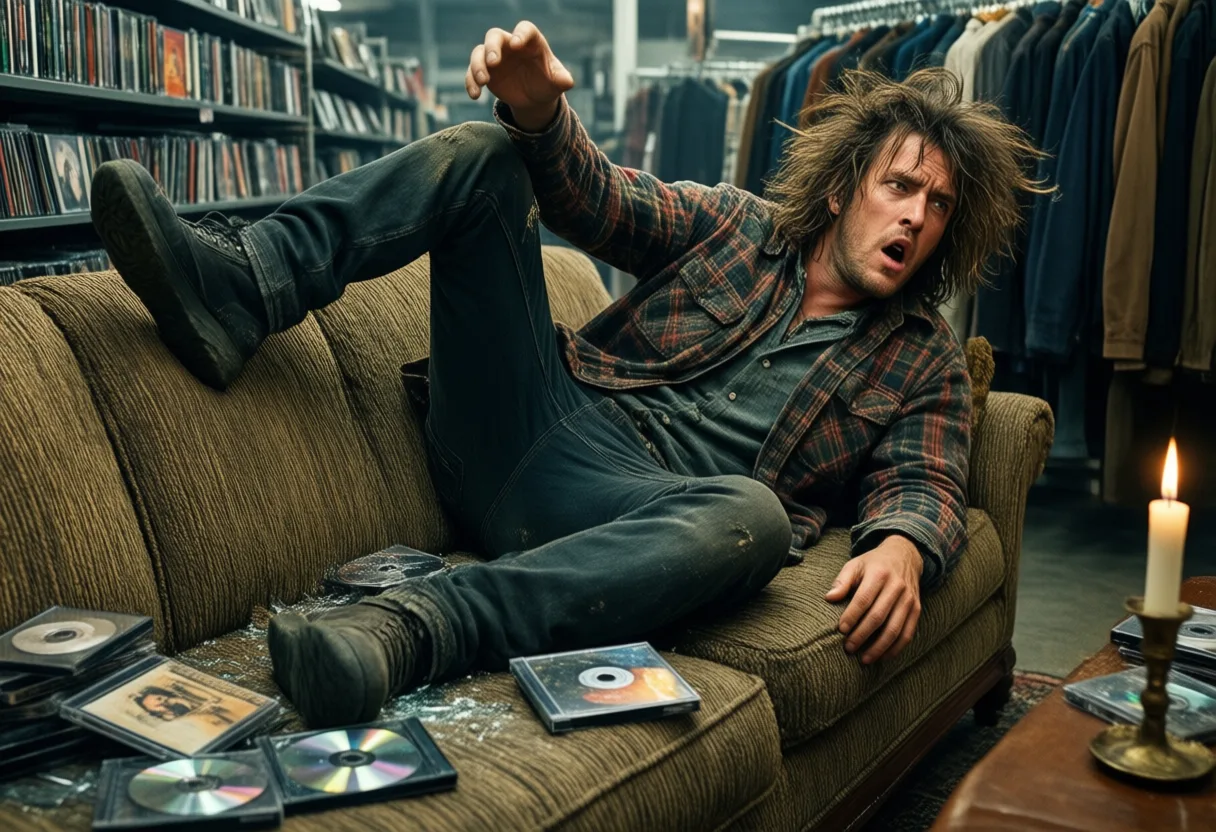
Gone were the shoulder pads, the lacquered hair, the gilded glamour that defined the decade prior-what emerged instead was a fashion revolution wrapped in plaid and purpose. The grunge movement, born in the damp basements of Pacific Northwest clubs, seeped into the mainstream not through glossy campaigns but Through cultural Osmosis, carried on the backs of musicians who wore thrift-store flannel like armor and ripped jeans like battle scars. Designers, once cloistered in Parisian salons, suddenly found themselves staring at a new muse: one who didn’t care if her sweater was stained, her boots scuffed, or her hair unwashed.
This was not fashion as escapism, but fashion as confession. Authenticity became the ultimate luxury, a radical concept in an industry built on illusion. The aesthetic was anti-aesthetic-layered thermal shirts beneath unbuttoned flannels, Doc Martens stomping through puddles of rain and expectation, beanies pulled low over eyes that had seen too much too young. It was a look that rejected polish, but in doing so, redefined cool with a capital C.
And yet, for all its disheveled charm, grunge was not chaos-it was curated disarray, a studied nonchalance that eventually found its way onto the runways of New York and Milan. Designers like Marc Jacobs, in his now-legendary Perry Ellis collection, translated the slouch and swagger of Seattle into high fashion, though not without controversy. The industry blinked, then bowed-because what began as a subcultural whisper had become a roar that could not be ignored.
Minimalism: The Quiet Revolution
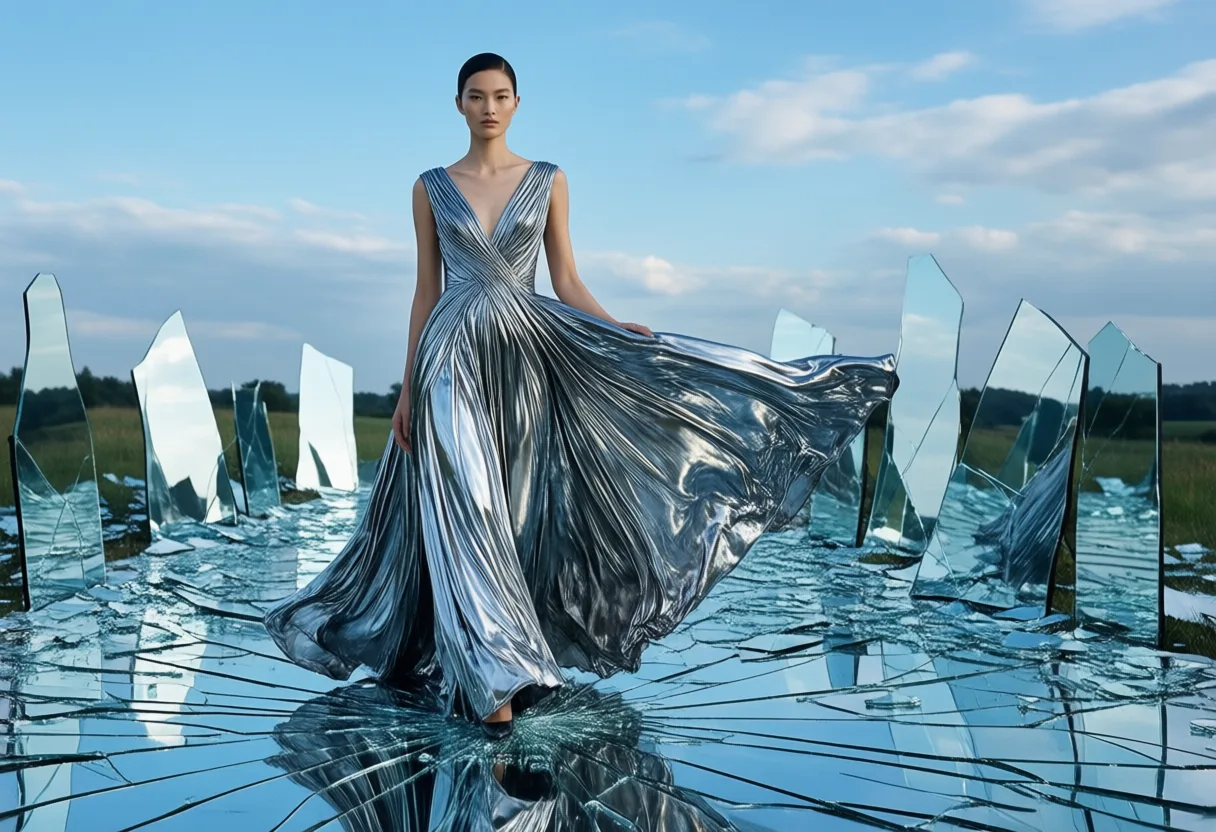
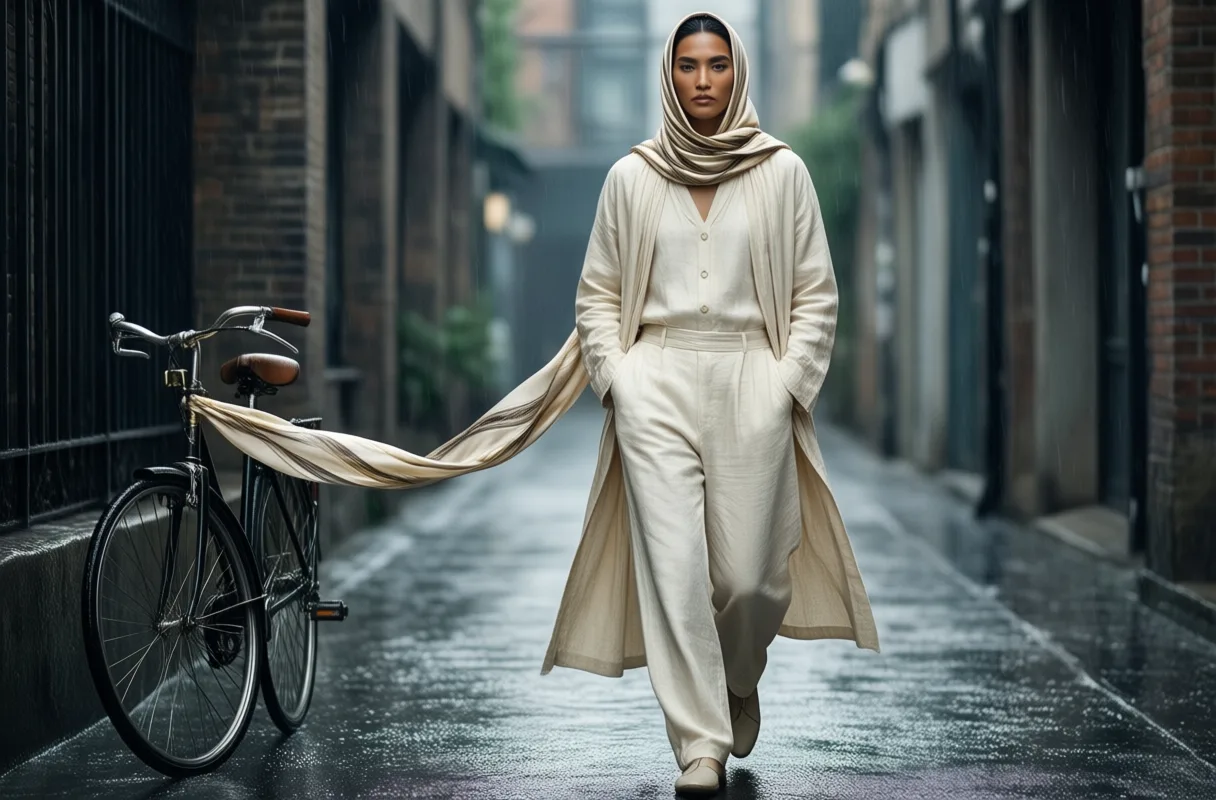
If grunge was the scream, minimalism was the breath after-the stillness in the eye of the storm. Emerging in stark contrast to both the opulence of the ’80s and the messiness of grunge, minimalism offered a sanctuary of simplicity, a wardrobe built on silence rather than sound. Think Slip dresses In liquid silk, cashmere turtlenecks in dove gray, and trousers so perfectly cut they seemed to float above the pavement.
Less became not just more, but everything. Designers like Jil Sander, Helmut Lang, and Calvin Klein wielded restraint like a weapon, slicing away excess with surgical precision. Their clothes didn’t shout; they murmured, confident in their own quiet power. The color palette was monastic-black, white, beige, charcoal-each shade a meditation on form, fabric, and the beauty of absence.
Accessories were reduced to essentials: a single gold band, a leather tote with no logo, sunglasses with frames so thin they nearly disappeared. Hair was pulled back or left straight and unadorned. Makeup? Barely there. This was fashion as discipline, a rejection of noise in favor of nuance. And in a world increasingly loud, the power of silence became magnetic.
Minimalism wasn’t cold-it was intimate. It asked the wearer to be present, to let the clothes serve the person, not the other way around. It was the uniform of the introspective, the intellectual, the ones who knew that True confidence Doesn’t need embellishment. In an age of spectacle, it was a radical act to simply Be.
Streetwear’s Ascent: From Sidewalks to Showrooms
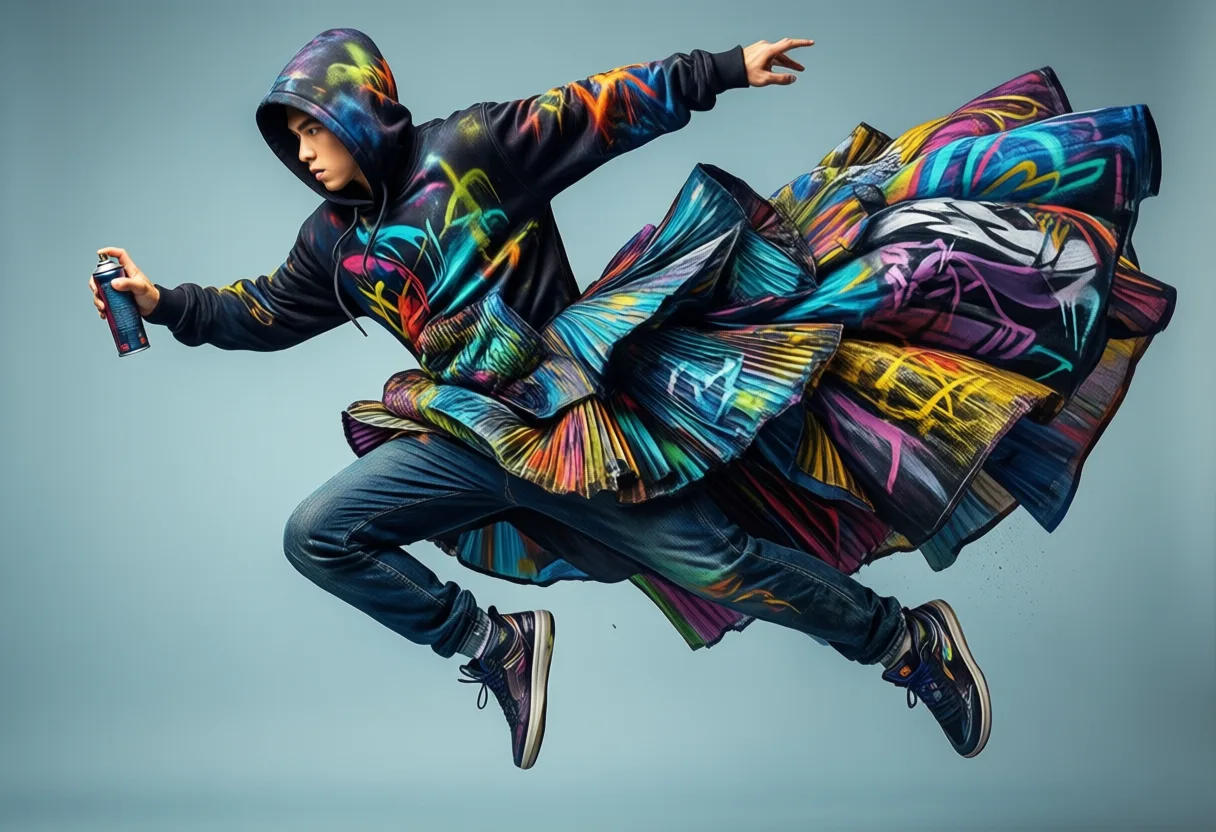
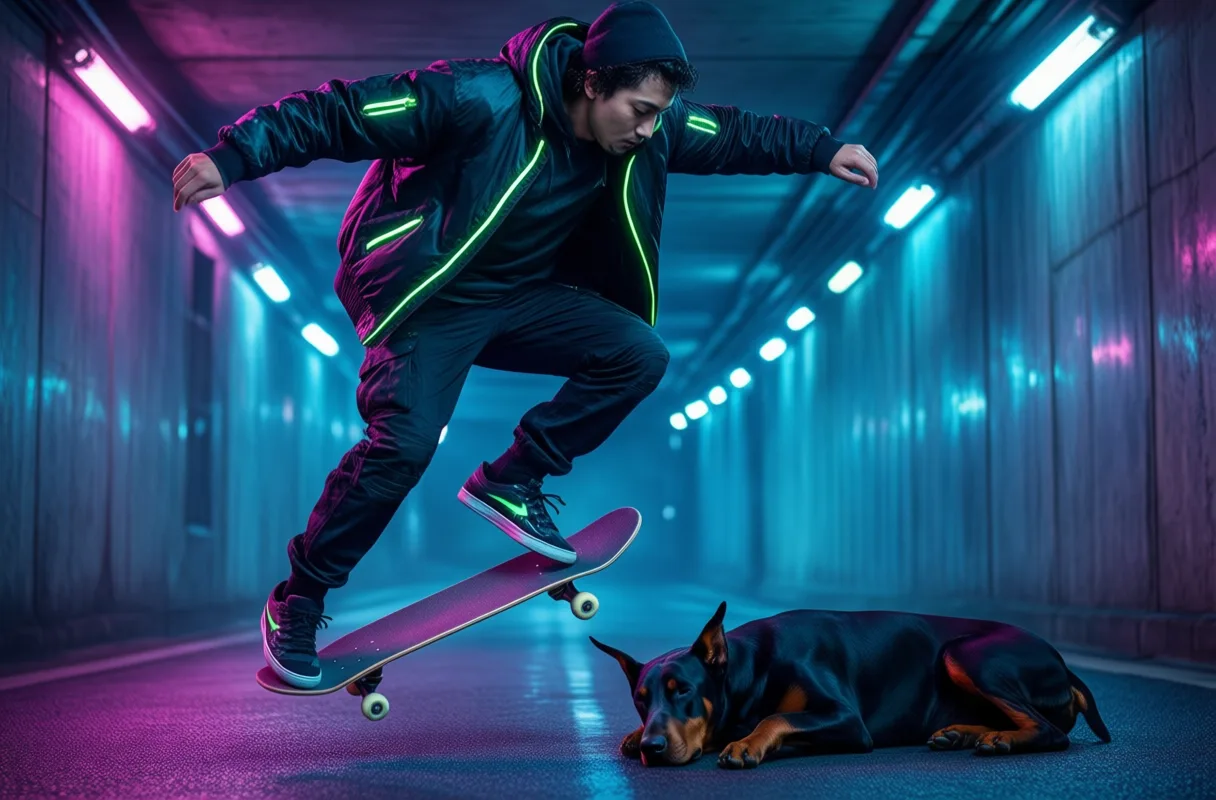
While runways debated silk and structure, a different kind of fashion was unfolding on city corners, basketball courts, and subway platforms. Streetwear, long dismissed as mere sportswear or youth rebellion, began its slow, unstoppable climb into the fashion pantheon. Born from hip-hop culture, skate scenes, and urban life, it carried the pulse of the streets in every oversized jersey, every logo-emblazoned cap, every pair of fresh-from-the-box sneakers.
Brands that once operated out of garages and back-alley boutiques-names whispered in sneaker shops and rap lyrics-started gaining cult status, then global recognition. Hoodies, once relegated to gym bags and late-night errands, became symbols of identity and resistance. Denim jackets were painted, patched, personalized-each one a canvas of self-expression. The rules? There were none. The only mandate was individuality.
What made streetwear revolutionary wasn’t just its style, but its democratization of fashion. It wasn’t handed down from on high-it bubbled up from below, shaped by communities, not consultants. And when high fashion finally took notice, it didn’t absorb streetwear so much as it was Absorbed by it. Luxury houses began collaborating with streetwear labels, blurring the lines between haute couture and downtown cool.
Today, that influence is everywhere-from the 2000S Fashion: Y2K Trends Resurfaced to the runways of Paris, where sneakers walk beside stilettos and hoodies drape over silk gowns. The legacy of the ’90s streetwear movement isn’t just in what we wear, but in who gets to decide what’s fashionable. The streets spoke-and the world listened.
The Enduring Echo
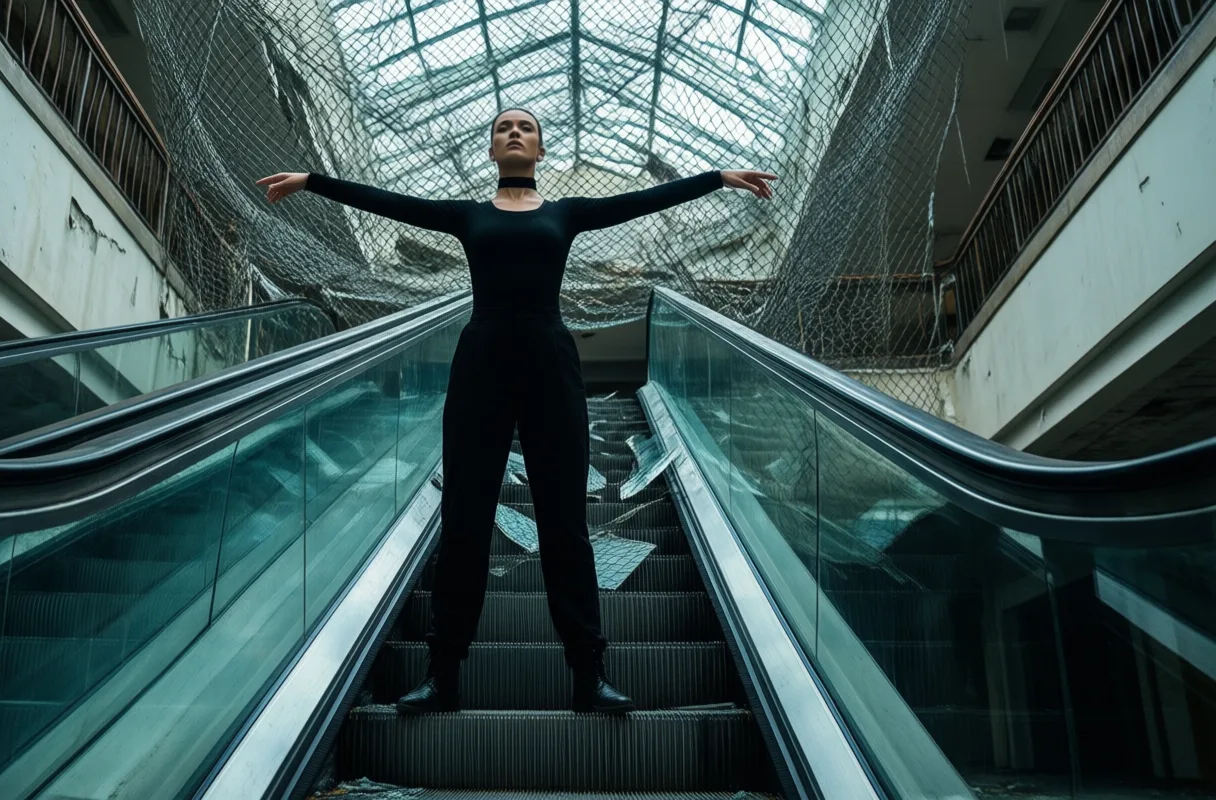
The 1990s did not simply pass-they lingered, imprinting themselves on every decade that followed. Their fashion was not a trend, but a turning point, a moment when clothing stopped being costume and started being conversation. Whether through the defiant slump of a flannel shirt, the serene elegance of a minimalist silhouette, or the bold proclamation of a streetwear logo, the decade taught us that fashion is not about perfection-it’s about presence.
It gave us permission to be imperfect, to be quiet, to be loud on our own terms. And in doing so, it redefined what it means to be dressed-not for others, but for oneself. The echoes of that era still ripple through today’s collections, not as nostalgia, but as prophecy.
Because what the ’90s proved, beyond sequins and sales, is that the most powerful fashion statements are the ones that feel true. And truth, like a well-worn pair of Docs or a perfectly tailored black coat, never goes out of style.
| Movement | Key Elements | Style Philosophy |
|---|---|---|
| Grunge | Flannel shirts, ripped jeans, combat boots, thrift-store wear | Anti-fashion, raw authenticity, rebellion |
| Minimalism | Slip dresses, turtlenecks, neutral colors, simple cuts | Less is more, quiet confidence, restraint |
| Streetwear | Baggy jeans, hoodies, athletic sneakers, logo apparel | Self-expression, comfort, urban influence |
The Grunge Look That Rewrote the Rules
Flannel and Ripped Jeans: More Than Just Clothes
Forget polished glamour-1990s fashion turned everyday wear into a statement of rebellion. Grunge, born in Seattle’s underground music scene, brought flannel shirts, often worn unbuttoned over band tees, into the mainstream. It wasn’t about looking perfect; ripped jeans, scuffed boots, and thrift-store finds became symbols of authenticity. The look was less about following rules and more about rejecting them, with a deliberately “I just rolled out of bed” vibe that designers eventually copied on runways.
Minimalism’s Quiet Statement
While grunge made noise, minimalism whispered. Designers like Calvin Klein led a sleek, pared-down movement defined by clean lines, neutral colors, and simple silhouettes. This wasn’t boring-it was bold in its simplicity. Slip dresses in solid black or beige, often made of satin or cotton, became iconic, worn with little to no accessories. The less you wore, the more you stood out, proving that restraint could be just as powerful as excess.
Streetwear Steps Into the Spotlight
The 1990s also saw streetwear rise from urban sidewalks to global influence. Baggy jeans, oversized hoodies, and athletic sneakers weren’t just for casual wear-they defined a generation’s style. Brands tied to hip-hop culture gained massive popularity, and wearing your favorite sneakers became a way to show identity. Logos were big, fits were loose, and comfort ruled. This era laid the foundation for streetwear’s dominance in today’s fashion world. Explore more stories, videos, and creators on Loaded.
Frequently Asked Questions
How did minimalism influence 1990s fashion?
Minimalism brought clean lines, neutral colors, and simple silhouettes to the forefront. Designers like Calvin Klein championed understated elegance with slip dresses, cashmere turtlenecks, and little to no accessories.
What role did streetwear play in 1990s fashion?
Streetwear rose from urban culture, hip-hop, and skate scenes, popularizing baggy jeans, oversized hoodies, and logo-heavy sneakers. It emphasized individuality and comfort, reshaping fashion from the streets up.
Why was 1990s fashion considered a turning point?
1990s fashion shifted from illusion to authenticity, where clothing became a form of personal expression. Grunge, minimalism, and streetwear redefined style by prioritizing truth, simplicity, and identity over polish and excess.
This article was produced with AI assistance. How Paradox Magazine uses AI.
Maeve explores avant-garde fashion through the lens of cultural evolution, blending runway analysis with street-level trends. She investigates how identity and innovation collide in fabric, silhouette, and statement, making high fashion accessible without diluting its daring.