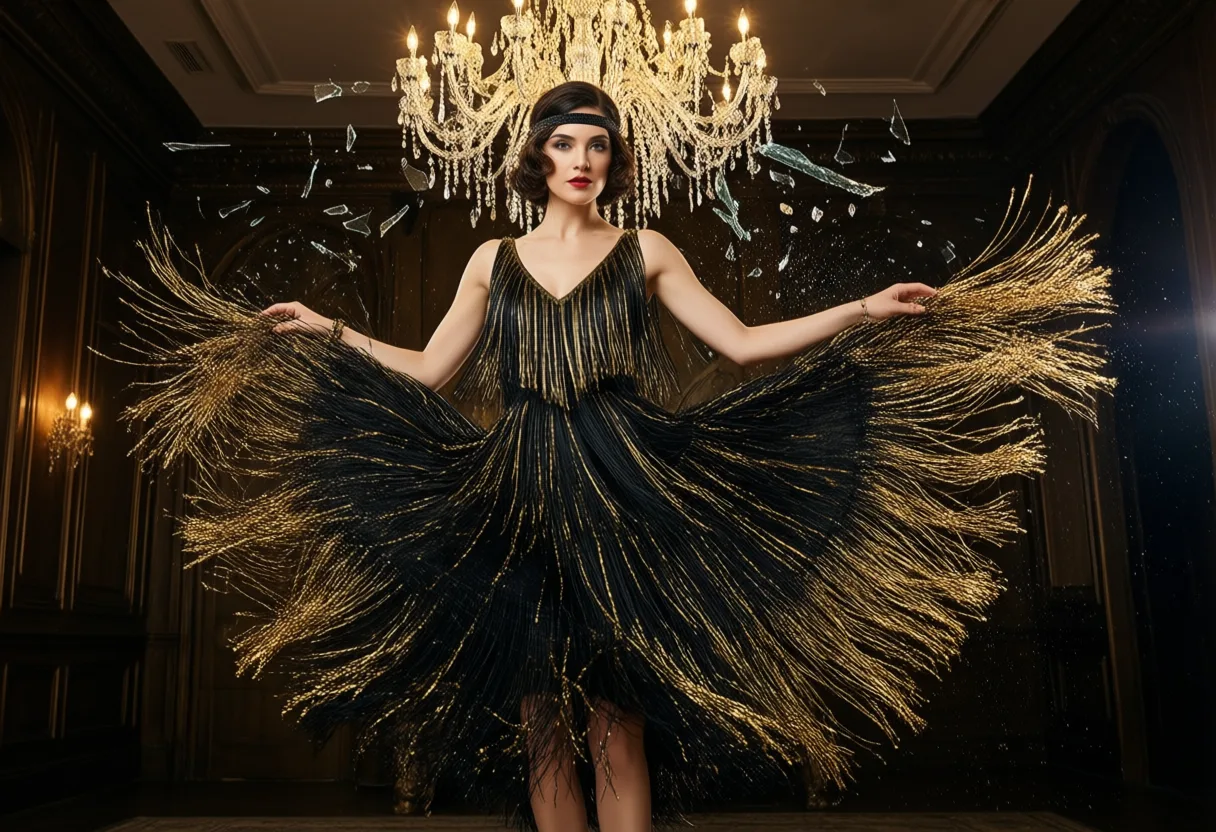
The 1920s erupted like a firework in a velvet sky-sudden, dazzling, and impossible to ignore. A world still catching its breath after war found itself swept into a new rhythm, one pulsing with jazz, rebellion, and the sharp click of heels on polished dance floors. And at the center of it all stood the flapper: not just a woman in a dress, but a declaration written in fringe, sequins, and bobbed Hair.
The Roar of Independence: How 1920s Style Redefined Modern Womanhood
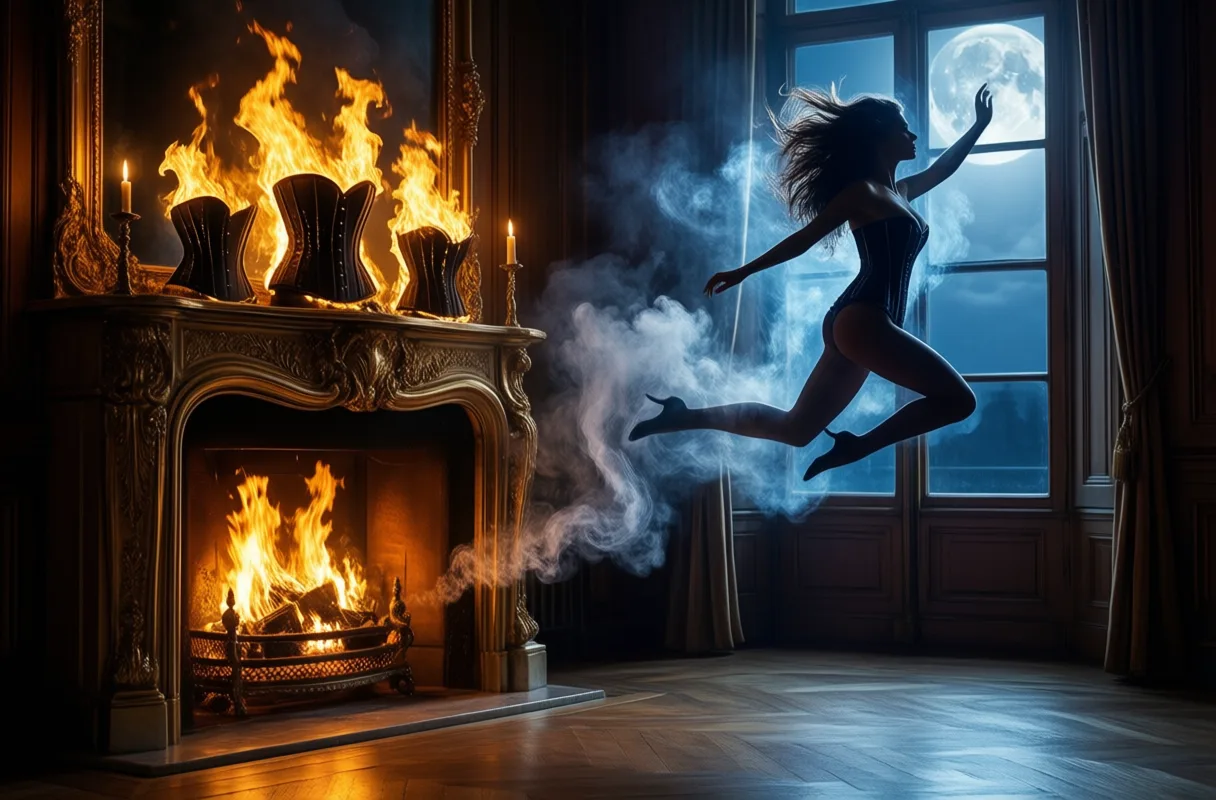
She didn’t walk into the room-she arrived, a whirlwind of Confidence Wrapped in silk and defiance. The 1920s woman stepped out of the shadows of corseted propriety and into the spotlight of self-possession, her silhouette no longer shaped by whalebone and duty but by choice and motion. This was not mere fashion; it was emancipation stitched into every seam, a sartorial revolution that mirrored the seismic shifts in society-from the right to vote to the freedom to smoke, drive, and dance until dawn.
For decades, women’s Clothing Had whispered restraint, modesty, and domesticity, but the flapper’s wardrobe shouted something entirely different: I am here, I am seen, I am free. Gone were the floor-length gowns that dragged like anchors behind her; in their place came dresses that dared to rise above the knee, scandalous to some, liberating to many. The body was no longer a secret to be concealed but a form to be celebrated in its natural shape-or lack thereof.
This new ideal wasn’t born in palaces or parlors but in the electric energy of cities, where young women worked, studied, and socialized without chaperones. They weren’t waiting to be chosen-they were choosing: their careers, their lovers, their lives. And their clothes became the uniform of that autonomy, a visual language of modernity that spoke louder than words ever could. The flapper, in all her glittering audacity, was not a fleeting fantasy-she was the future, dressed in lamé and lace.
What Made 1920s Fashion So Revolutionary?
Revolution, when it comes to fashion, is rarely about fabric alone-it’s about the philosophy woven into the threads. The Fashion Trends of 1920s shattered centuries of tradition not with violence, but with a hemline, a bob, and a pair of dancing shoes. Where once women were sculpted into rigid, hourglass figures by corsets so tight they compromised breathing, the 1920s offered a radical alternative: the straight, boyish silhouette that celebrated ease, movement, and androgyny.
Clothing became less about ornamentation for others and more about expression for oneself. The structured bodices, bustles, and petticoats of the Victorian and Edwardian eras were discarded like outdated laws, replaced by drop-waist dresses that hung loosely from the shoulders, skimming rather than shaping the body. This wasn’t laziness in design-it was intention. Designers embraced simplicity not because they lacked skill, but because they understood that liberation required lightness.
The very act of dressing changed. No longer did it take an army of maids and hours of lacing; a flapper could dress herself, swiftly and sensually, in garments that moved with her, not against her. This autonomy extended beyond the closet-it was reflected in the way women occupied space, in how they sat, stood, and laughed without fear of impropriety. The clothes didn’t just follow the times-they led them, pulling society forward on a tide of tassels and tubular silhouettes.
The Flapper Silhouette: Short Hemlines and Looser Lines
The flapper silhouette was a rebellion in profile-a stark departure from the curves that had Defined femininity For generations. Instead of accentuating hips and bust, the ideal form became slender, straight, and almost childlike, with a flat chest and narrow waist achieved not by corsetry but by deliberate undergarments that suppressed rather than enhanced. This androgynous ideal wasn’t about erasing womanhood-it was about redefining it on new terms, where power resided in poise, not proportions.
Hemlines climbed with each passing season, inch by daring inch, until skirts hovered just above the knee-a sight that scandalized traditionalists but electrified the young. These shorter lengths weren’t merely provocative; they were practical, allowing women to kick up their heels in the Charleston, stride confidently down city streets, or leap into taxis without tripping over yards of fabric. The legs, once hidden, became a new canvas for expression-stockings were sheer, often rolled at the knee, and shoes were low-heeled, T-strap affairs designed for dancing, not daintiness.
Dresses fell in loose, rectangular columns, often with dropped waists that sat at the hips, creating a sense of fluidity and motion even when standing still. This lack of structure was revolutionary-garments no longer dictated how a woman should stand or sit, but instead followed her natural movements. Whether adorned with beads, fringe, or geometric patterns, these dresses shimmered with every step, turning the wearer into a living piece of art, a moving mosaic of modernity.
How Hair and Accessories Defined a Generation
If the dress was the statement, the hair was the signature-and in the 1920s, the bob cut became the exclamation point at the end of an era. No longer cascading in elaborate updos or hidden beneath hats, women’s hair was sliced short, sharp, and sleek, often slicked with pomade and curled under at the nape. It was a cut that required courage, a literal shedding of the past, and it became the defining mark of the modern woman-bold, clean, and unapologetically visible.
Headbands, often jeweled or embellished with feathers, crowned these cropped styles, drawing attention to the face and the defiant spark in the eyes beneath. Cloche hats, snug and bell-shaped, hugged the skull like a second skin, worn low over the forehead to accentuate the mysterious allure of heavily kohled eyes and Cupid’s bow lips painted in deep crimson. These weren’t mere accessories-they were armor, badges of belonging in a sisterhood of style and spirit.
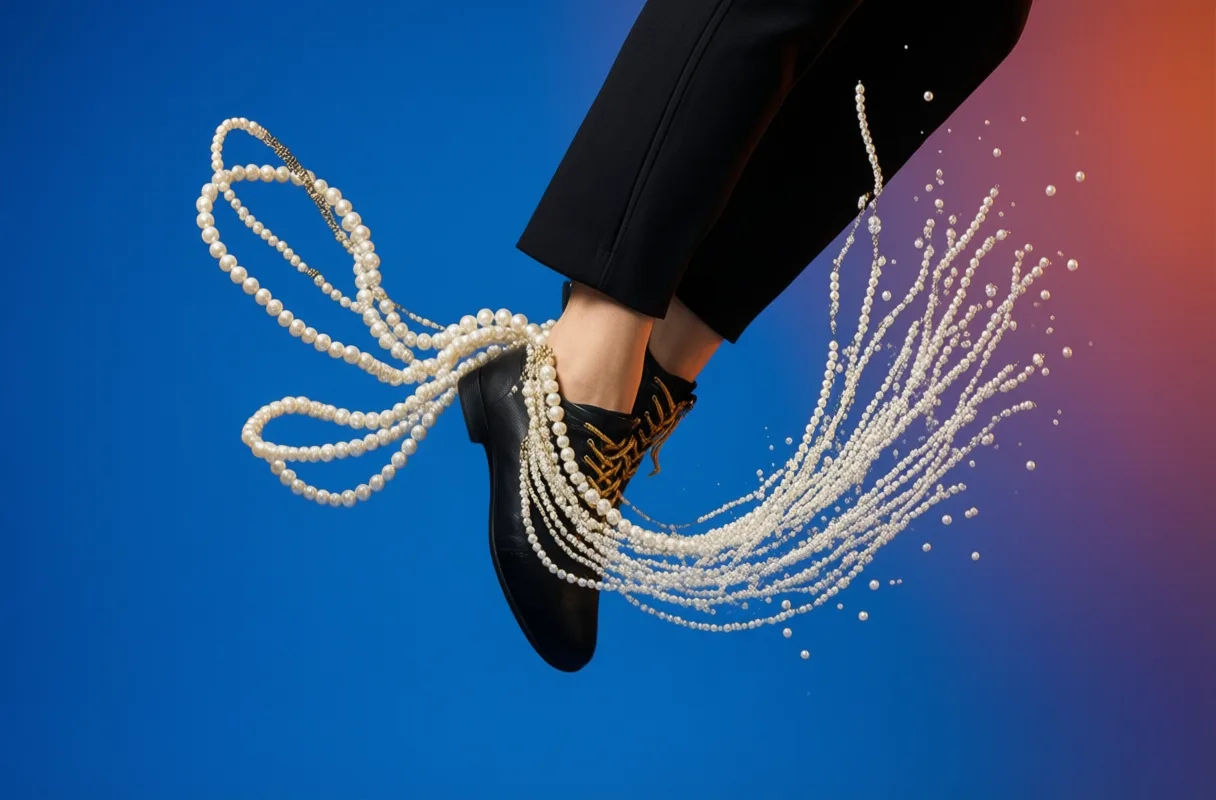
Jewelry was layered, rhythmic, and rhythmic in its own right-long strands of pearls swung with every dance step, sometimes ending in a dramatic tumble to the floor, only to be kicked aside with a laugh. Art Deco motifs shimmered in brooches and bracelets, geometric and futuristic, echoing the skyscrapers rising in cities across America. Every detail-from the dangling earrings that grazed bare shoulders to the cigarette holders held between rouged fingers-was part of a carefully curated performance of self.
Breaking the Mold: The Cultural Shift Behind the Style
Fashion does not exist in a vacuum-it is always a mirror, sometimes cracked, sometimes polished, reflecting the soul of its time. The flapper did not emerge from a designer’s sketchpad alone; she was born of war, of loss, of a generation that had seen too much to return to old ways. The devastation of World War I left a hunger for life, for pleasure, for immediacy-Carpe diem Became not a motto but a mandate.
Women had entered the workforce in unprecedented numbers during the war, filling roles once deemed unsuitable, and though many were pushed out when soldiers returned, the taste of independence lingered. They had tasted autonomy, and they refused to swallow it whole. The flapper, then, was not a frivolous figure-she was a response, a refusal to be silenced or shrunk back into the domestic sphere.
Prohibition, too, played its part, driving revelry underground and into speakeasies where jazz blared and rules dissolved. In these hidden rooms, class and convention blurred-wealthy debutantes danced beside chorus girls, all dressed in variations of the same rebellious uniform. The flapper style thrived in this liminal space, where identity could be reinvented with every cocktail and every Charleston kick. It was fashion as resistance, as celebration, as survival.
Luxury Meets Rebellion: Fabrics and Embellishments of the Era
Luxury in the 1920s was not about opulence for its own sake-it was about transformation, about turning fabric into fantasy. Silk, satin, and chiffon flowed like liquid moonlight, catching the glow of chandeliers and the flicker of cigarette light. These were not clothes for labor; they were garments for living, designed to shimmer, sway, and seduce.
Beading and embroidery became acts of artistry, with thousands of tiny glass beads hand-sewn into intricate patterns-sunbursts, zigzags, and Egyptian motifs inspired by the discovery of King Tut’s tomb. Each dress could take hundreds of hours to complete, a testament to both craftsmanship and desire. Fringe, perhaps the most iconic embellishment, danced with every movement, turning the wearer into a kinetic sculpture, alive with rhythm.
Evening gowns dripped with sequins and pearls, their surfaces alive with the pulse of the jazz age. But this wasn’t just about looking rich-it was about feeling powerful. To wear these clothes was to command attention, to refuse invisibility. And in a world still skeptical of women’s ambitions, that visibility was itself an act of defiance. The flapper didn’t just wear luxury-she weaponized it.
Dancing Into Change: Nightlife’s Influence on Daywear
The dance floor was the laboratory of 1920s fashion, where function met fantasy and innovation was born in motion. The Charleston, with its wild kicks and twisting limbs, demanded clothing that could keep up-no stiff brocades or trailing trains here. Dresses had to swing, spin, and survive the sweat of a midnight revel, giving rise to designs that prioritized movement over modesty.
This ethos bled into daytime wear. Skirts stayed short, waists stayed low, and fabrics stayed light, even when not destined for the ballroom. The boundary between evening and day blurred, just as the lines between propriety and pleasure grew faint. Women began to dress not for how they were expected to behave, but for how they intended to live.
Shoes, once heavy and sensible, became playful and practical-T-straps with modest heels offered support without sacrificing style. Handbags shrank to delicate clutches, often made of metal mesh or beaded fabric, holding little more than a powder compact and a lipstick. These weren’t just accessories-they were symbols of a life lived on the move, where every woman was both hostess and heroine of her own story.
Why the Flapper Look Was More Than Just a Trend
To call the flapper style a trend is to diminish its power-it was a manifesto in muslin, a revolution stitched in silk. It wasn’t simply about looking different; it was about Being Different, about claiming space in a world that had long dictated how women should move, speak, and exist. The flapper didn’t follow fashion-she Was Fashion, a living embodiment of change.
She challenged not just dress codes but social codes-the expectation to marry young, to remain silent, to be seen and not heard. In her short dress and bobbed hair, she carried the weight of suffrage, of urbanization, of a new psychological freedom. She was not universally loved-critics called her vulgar, immoral, a threat-but her impact was undeniable.
And perhaps most radical of all, she made pleasure political. To dance, to drink, to flirt, to laugh loudly in public-these were no longer sins, but acts of agency. The flapper taught the world that joy could be a form of resistance, and that a woman who sparkled under the chandeliers might just be plotting a new world order.
Echoes of Elegance: The Lasting Legacy of 1920s Fashion
The flapper may have faded from the speakeasies, but her spirit lingers in every off-the-shoulder gown, every bold red lip, every woman who chooses comfort over constraint. Designers return to the 1920s again and again, drawn to its blend of glamour and grit, its fearless fusion of luxury and liberation. The dropped waist, the fringe, the beaded sheath-these are not relics, but recurring refrains in fashion’s eternal song.
Modern runways still shimmer with Art Deco inspiration, and the androgynous silhouette remains a symbol of progressive style. The idea that clothing can be both beautiful and rebellious-that it can empower as much as adorn-was cemented in the jazz-soaked nights of the 1920s. Even today’s embrace of gender-fluid fashion owes a debt to the women who first dared to blur the lines.
And as we see echoes of past decades resurface-like the resurgence of Y2K aesthetics in contemporary culture-the 1920s remind us that reinvention is cyclical, but impact is eternal. You can explore how modern revivals continue to shape what we wear today in our deep dive on 2000S Fashion: Y2K Trends Resurfaced. The flapper didn’t just dress for her time-she dressed for the future, and we’re still catching up.
| Feature | Description | Purpose/Impact |
|---|---|---|
| Hemline | Rose to just above the knee by 1927 | Allowed freedom of movement for dancing and walking |
| Silhouette | Straight, loose fit with drop waist | Rejected corsets; emphasized comfort and androgyny |
| Hair | Short bob, often slicked or curled | Symbolized rebellion and modern female identity |
| Accessories | Cloche hats, long pearls, T-strap shoes | Completed the look; expressed confidence and style |
| Embellishments | Beads, fringe, Art Deco patterns | Created shimmer and motion; reflected cultural trends |
The Roaring Look: How 1920s Style Broke the Rules
Shorter Hemlines, Bolder Statements
The 1920s flipped fashion on its head, quite literally for some with the popularity of the shingle bob. Dresses got shorter-way shorter-rising from ankle-length in 1920 to just above the knee by 1927. This wasn't just a style shift; it was a statement. Women were voting, working, and dancing the Charleston, and their clothes had to keep up. Silhouettes became straighter and looser, ditching the corseted waistlines of the past in favor of a boyish, drop-waist look that let them move freely.
Beads, Fringe, and All That Jazz
Flapper dresses weren’t subtle. They sparkled under nightclub lights thanks to intricate beading, often using glass beads sewn into geometric or Art Deco patterns. Fringe was everywhere-on sleeves, skirts, even headbands-and it swayed with every dance move, turning wearers into human disco balls before disco existed. Cloche hats hugged the head like snug bells, framing short hair and bold makeup, especially dark kohl-rimmed eyes and Cupid’s bow lips painted in deep reds. These looks didn’t just follow trends-they defined an era of liberation and modernity. Explore more stories, videos, and creators on Loaded.
Frequently Asked Questions
What defined the flapper silhouette in the 1920s?
The flapper silhouette featured short hemlines just above the knee, a straight and loose fit, and a drop waist that sat at the hips. It emphasized freedom of movement and rejected the corseted, hourglass shapes of previous eras.
How did hair and accessories reflect 1920s fashion?
Short bobbed hair, often slicked or curled under, became a symbol of modernity. Cloche hats, jeweled headbands, long pearl necklaces, and Art Deco jewelry completed the look, serving as bold expressions of independence and style.
Why was 1920s fashion considered revolutionary?
It rejected restrictive clothing like corsets and long gowns in favor of loose, comfortable designs that allowed movement. Fashion became a form of self-expression and empowerment, mirroring women's social liberation.
What role did nightlife play in shaping 1920s fashion?
Nightlife and dances like the Charleston demanded clothing that allowed vigorous movement. This led to shorter skirts, lighter fabrics, and embellishments like fringe that responded to motion, influencing both evening and daytime styles.
This article was produced with AI assistance. How Paradox Magazine uses AI.
Maeve explores avant-garde fashion through the lens of cultural evolution, blending runway analysis with street-level trends. She investigates how identity and innovation collide in fabric, silhouette, and statement, making high fashion accessible without diluting its daring.