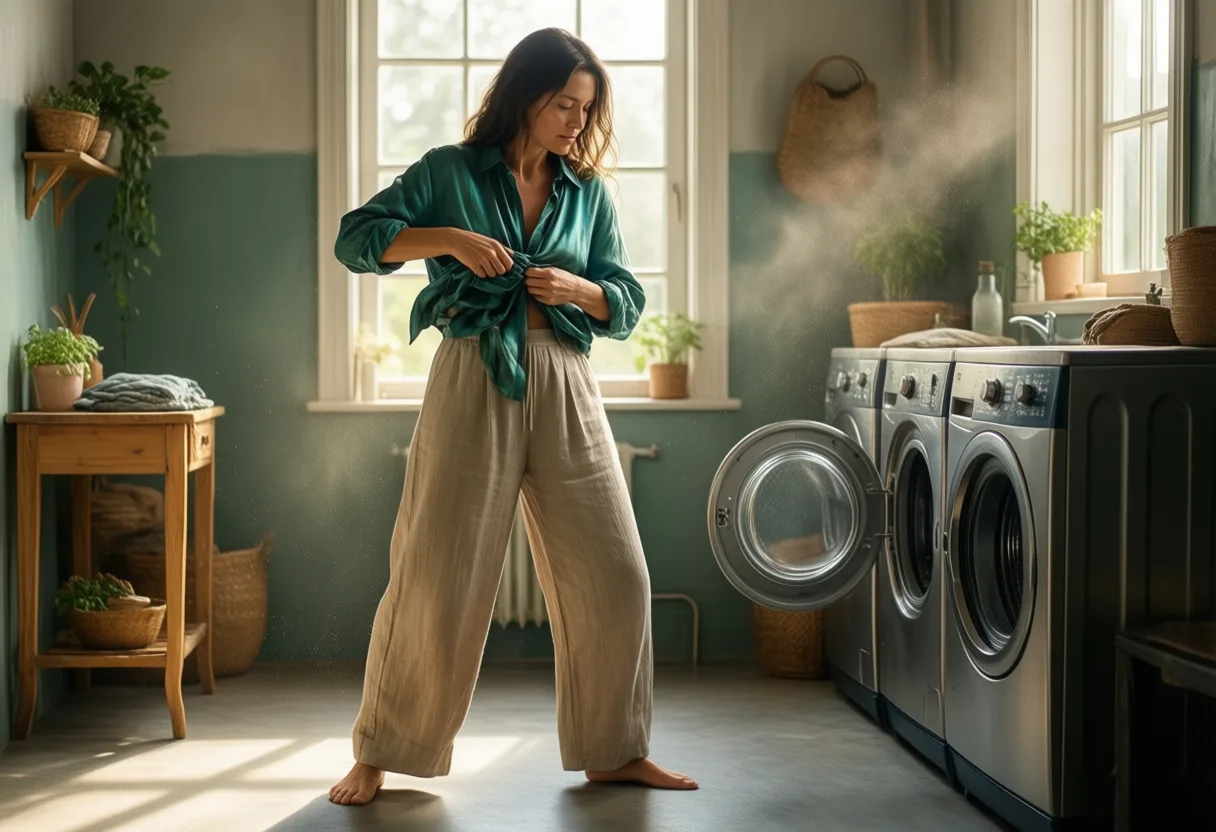
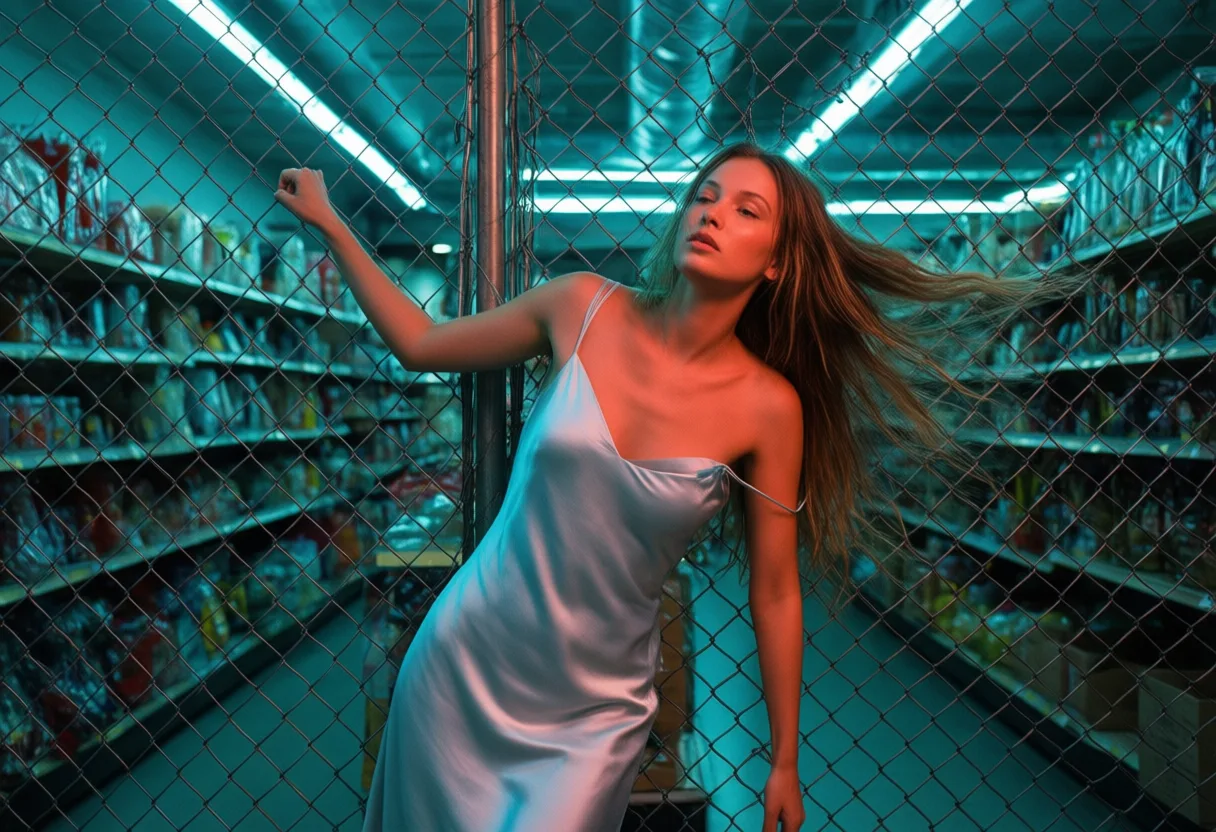
Flannel shirts slung over one shoulder. Ripped jeans pooling at scuffed boots. A quiet rebellion stitched into every seam. The 1990s Didn’t just change music-it rewrote the rules of style, turning thrift-store finds into high-fashion statements and silence into a kind of elegance.
This was an era where less screamed louder. Where raw authenticity wore better than polish. And where denim, that humble workwear fabric, became the decade’s second skin.
The Rise of Grunge: When Rebellion Became Runway
Grunge fashion Emerged from the Pacific Northwest, born in damp basements and smoky clubs. It was never meant for magazine covers-just flannel, band tees, and worn-out jeans tossed on before a show. But something shifted when those looks hit the mainstream.
Designers took notice. The unkempt became intentional. The Anti-fashion statement Became fashion itself.
- Oversized silhouettes replaced the power suits of the '80s.
- Layering became an art-thermal shirts under ripped knits, flannel tied at the waist.
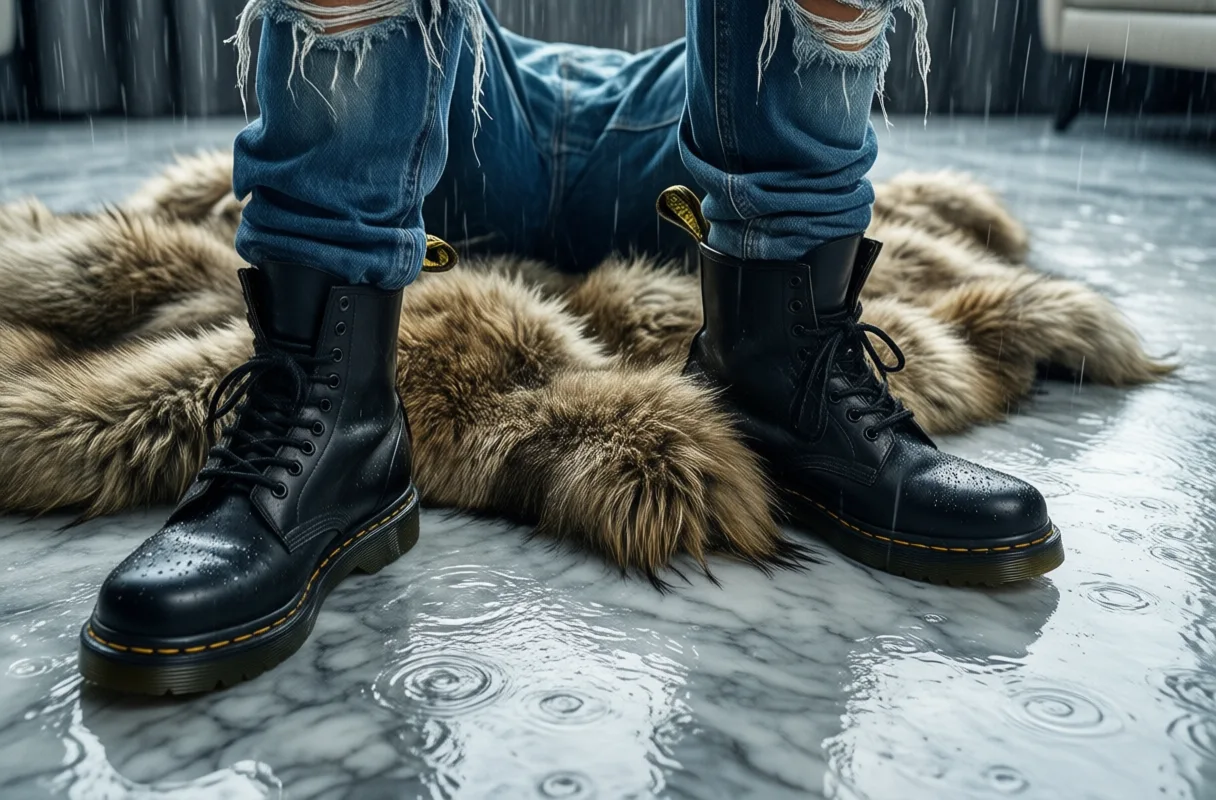
- Footwear stayed grounded: combat boots, chucks, scuffed lace-ups that had seen rain and pavement.
This wasn’t about looking rich. It was about looking real. About rejecting gloss in favor of grit. And yet, in its honesty, grunge became one of the most influential movements in modern style.
The look spread fast-suburban malls, city sidewalks, college campuses. A generation traded shoulder pads for flannel, hairspray for bedhead. It was fashion as confession, not performance.
Minimalism: The Quiet Counterpoint
While grunge roared, minimalism whispered.
Clean lines. Neutral palettes. Clothes that didn’t beg for attention but held it anyway. This was the yin to grunge’s chaotic yang-calm, composed, and deeply intentional.
Designers favored structure over spectacle.
A single black turtleneck. A perfectly tailored coat. A slip dress in ivory silk.
Nothing was excessive. Everything had purpose.
- Fabrics were rich but restrained: cashmere, fine cotton, matte jersey.
- Cuts followed the body without clinging-fluid, not flashy.
- Accessories were sparse: a thin gold chain, a leather tote, a single earring.
Minimalism wasn’t cold-it was confident. It said you didn’t need noise to be seen. That elegance could live in silence. That sometimes, the most powerful statement is what you Don’t Wear.
It was a rebellion of restraint. A rejection of the more-is-more mantra that had ruled the decade’s early years. And in its Stillness, it felt revolutionary.
Denim: The Thread That Bound the Decade
Denim was everywhere. Not just in closets-on runways, in boardrooms, on red carpets. It was the great equalizer of '90s fashion.
From high-waisted bootcuts to slouchy boyfriends, denim evolved without losing its soul. It was tough but tender, rugged but romantic.
- Acid wash made a comeback, then faded fast.
- Distressed hems, raw edges, and artful rips told stories of wear.
- Overalls, once childhood staples, became cool-girl uniforms.
Denim wasn’t just a fabric-it was a feeling. A way to say you were grounded, even as the world spun faster. It draped differently on everyone, honoring individuality.
And then came the denim-on-denim look. A risk, a statement, a head-turner. Done right, it was Bold. Done wrong, it was a mistake. But everyone tried it.
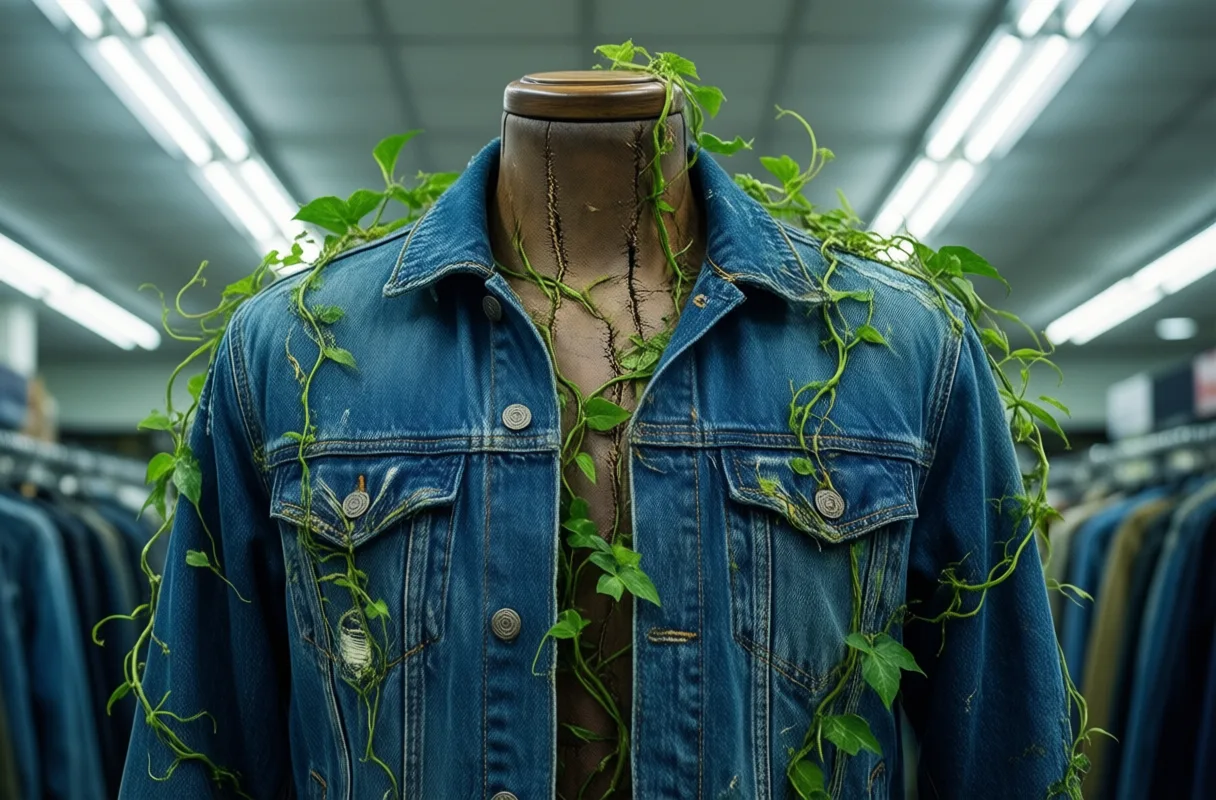
Even now, decades later, we wear the echoes of that denim decade-low rises, vintage washes, jackets with frayed collars. The 1990s taught us that denim isn’t just durable. It’s timeless.
The Legacy: Why the 90s Still Dress Us
The 1990s didn’t just pass through fashion-they shaped it.
Today’s runways echo with flannel shirts, slip dresses, and raw-hem jeans. Designers revisit the decade like a favorite album, pulling tracks for new seasons.
What made it last?
Authenticity. Choice. The freedom to mix high and low, messy and sleek, loud and quiet.
We still reach for those pieces-not just for nostalgia, but for their honesty. For the way they let us be imperfect, unpolished, ourselves.
The 1990s taught fashion to breathe.
To leave space.
To wear its heart-frayed, faded, and fiercely real-on its sleeve.
| Trend | Key Pieces | Style Characteristics | Cultural Influence |
|---|---|---|---|
| Grunge | Flannel shirts, band tees, ripped jeans, combat boots | Layered, oversized, worn-in, thrifted | Rooted in Pacific Northwest music scene; anti-fashion statement |
| Minimalism | Slip dresses, turtlenecks, tailored coats, leather tote | Clean lines, neutral colors, simple silhouettes | Promoted quiet confidence; popularized by Calvin Klein ads |
| Denim | Mom jeans, overalls, denim jackets, skirts | High-waisted, distressed, raw hems, acid wash | Worn everywhere; symbolized individuality and laid-back cool |
When Flannel Met Minimalism
The Grunge Look Was Born From Thrift Stores, Not Runways
Forget designer labels-grunge fashion thrived on the worn-in, the ripped, and the secondhand. Bands like Nirvana and Pearl Jam didn’t just influence music; their off-duty style of layered flannel shirts, beat-up combat boots, and faded band tees became a cultural uniform. Most of the clothes associated with the grunge movement weren’t bought new or styled for effect-they were literally pulled from thrift store bins, making authenticity more important than aesthetics. This anti-fashion statement turned flannel, once just workwear, into a must-have item that even high-end designers tried (and failed) to replicate.
Denim Was Everywhere-and in Every Form
In the '90s, if it wasn’t flannel, it was denim. This wasn’t just jeans-it was denim jackets, overalls, skirts, and even hats. Mom jeans with their high waist and loose fit ruled the decade, often paired with a simple white tee or a cropped plaid shirt tied at the waist. Overalls, worn with one strap loose, became a staple for both teens and celebrities, ditching their kiddie image for a cool, laid-back vibe. The love for denim was so widespread that manufacturers started experimenting with washes, rips, and distressing, turning each pair into a personal statement.
Minimalism Balanced Out the Baggy Chaos
While grunge embraced layering and slouch, a quieter trend was rising in the background: minimalism. Think Calvin Klein ads with clean lines, neutral tones, and slip dresses worn over turtlenecks. This sleek, understated look offered a sharp contrast to the messiness of grunge, proving that less could still make a bold statement. Slip dresses, often in satin or silk, were layered over simple tees or worn alone, popularized by everyone from supermodels to off-duty actors. It was a look that didn’t scream for attention-but still managed to define an entire side of '90s style. Explore more stories, videos, and creators on Loaded.
Frequently Asked Questions
What defined grunge fashion in the 1990s?
Grunge fashion was defined by flannel shirts, band tees, ripped jeans, combat boots, and an overall unkempt, thrift-store aesthetic that emphasized authenticity over polish.
How did minimalism contrast with grunge in the '90s?
Minimalism featured clean lines, neutral palettes, and simple silhouettes like black turtlenecks and slip dresses, offering a quiet, intentional contrast to grunge’s layered, messy style.
What role did denim play in 1990s fashion?
Denim was ubiquitous in the '90s, appearing as jeans, jackets, overalls, skirts, and hats, often distressed or in vintage washes, symbolizing individuality and casual cool.
Why is 1990s fashion still influential today?
The 1990s style endures because of its authenticity, mix of high and low fashion, and timeless pieces like flannel shirts, slip dresses, and raw-hem denim that still appear on runways.
This article was produced with AI assistance. How Paradox Magazine uses AI.
Linh bridges beauty rituals and everyday well-being, spotlighting inclusive innovation and global traditions shaping modern self-care. She champions sustainable practices and diverse voices, framing beauty as both personal expression and collective storytelling.