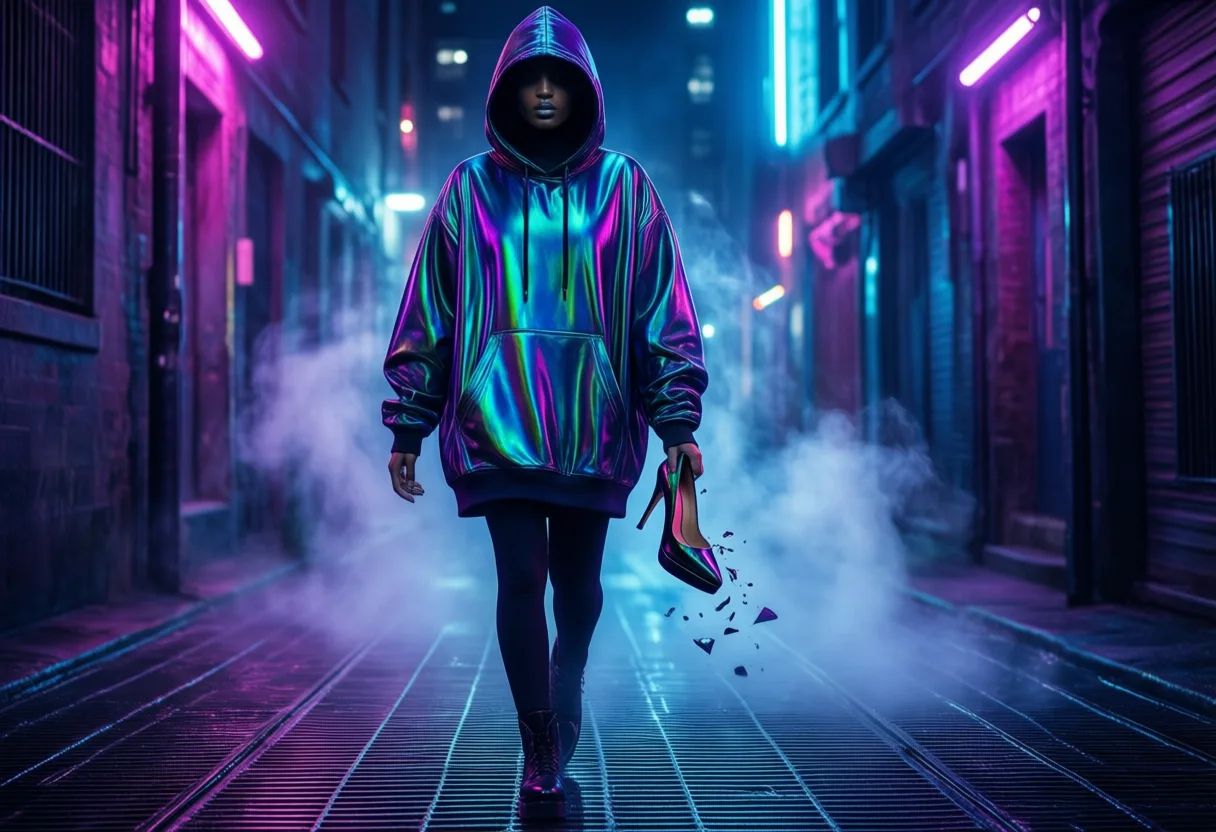
The 2010s were not merely a decade-they were a Runway Unfurling in real time, a whirlwind of reinvention where the digital dawn collided with sartorial daring, and street corners became catwalks under the glare of smartphone flashes. It was an era when fashion ceased to whisper and began to roar, democratized by social media, emboldened by identity, and stitched together with irony, nostalgia, and a fearless embrace of the absurd. From athleisure infiltrating boardrooms to genderless silhouettes challenging centuries-old norms, the clothes we wore became less about conformity and more about proclamation.
The Rise of the Streetwear Sovereign
Gone were the days when luxury meant hushed ateliers and invitation-only salons; the 2010s crowned the hoodie as haute, the sneaker as sacred, and the graphic tee as gospel. Streetwear, once relegated to skate parks and urban undergrounds, stormed the gates of high fashion with the force of a cultural tsunami, its banners carried by brands that blurred the line between couture and concrete. Designers took cues from youth culture, not the other way around-oversized hoodies slithered down Parisian runways, while deconstructed denim and cargo pants, once deemed utilitarian relics, were reborn in silk and shearling, elevated by intent and attitude.
The silhouette shifted-not just in shape, but in spirit-Toward comfort Laced with intentionality. Luxury loungewear Wasn’t an oxymoron anymore; it was the new normal, as cashmere joggers and logo-emblazoned puffers became staples in wardrobes from Brooklyn lofts to Milanese palazzos. Social media accelerated this shift: Instagram didn’t just document trends-it birthed them overnight, turning influencers into arbiters of taste and viral moments into seasonal mandates. A single post could send a niche label’s drop into sellout frenzy, proving that power had slipped from glossy editorial pages into the palms of millions.
And yet, within this democratization, there emerged a curious paradox-the more Accessible fashion Became, the more exclusive certain pieces felt. Limited-edition collaborations between sportswear giants and avant-garde designers turned sneakers into grails, their resale value soaring like fine art. This was fashion as performance, as currency, as identity. The street had spoken-and the world dressed accordingly, one limited-run drop at a time.
Nostalgia as a Second Skin
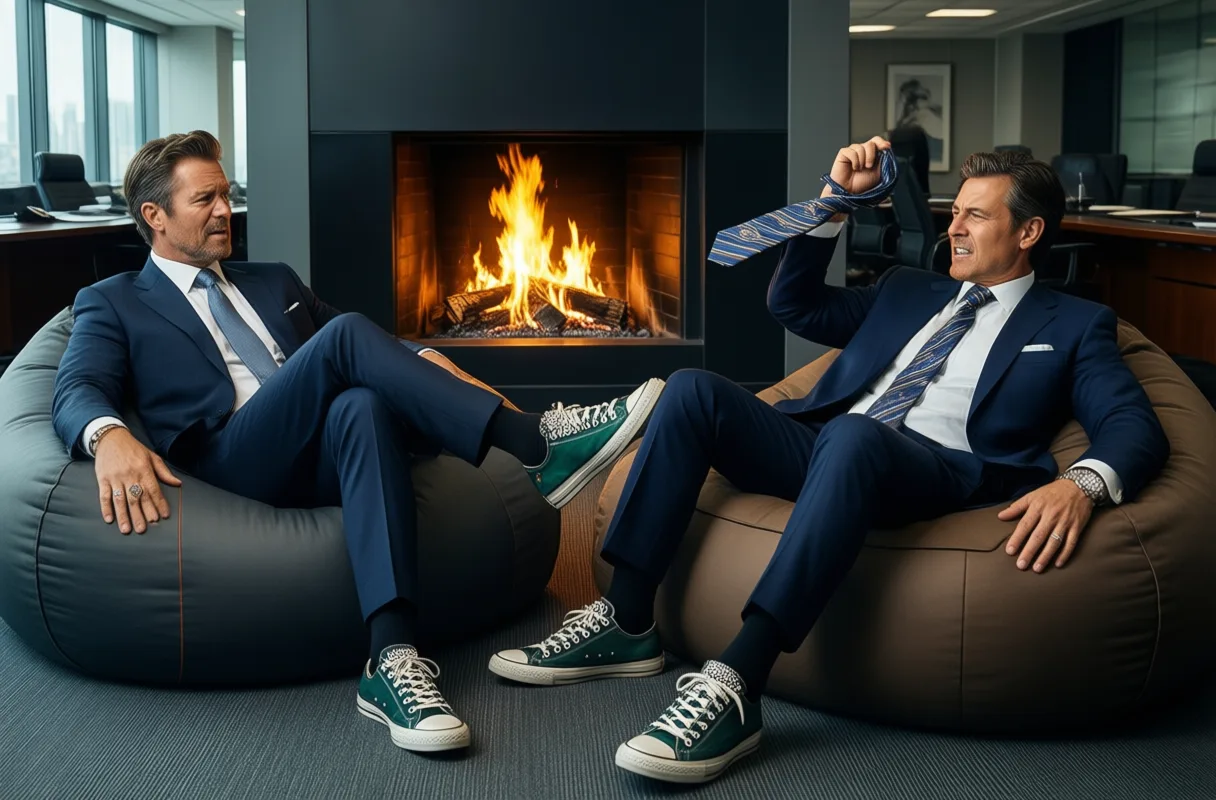
If the 2010s had a heartbeat, it pulsed in retro rhythms, a love letter written in polyester, pleather, and pixelated memories. The past wasn’t just revisited-it was remixed, reinterpreted, and often resurrected with a wink. The early aughts, particularly, rose from dormancy like a phoenix in bedazzled denim, their Y2K excesses no longer tacky but tantalizingly au courant. Low-rise jeans made a cautious return, belly chains slithered back onto hips, and butterfly clips fluttered through hair like relics from a MySpace-era dream.
This wasn’t mere mimicry-it was memory filtered through modern sensibility, a knowing nod rather than blind repetition. Designers played with proportion and context, pairing micro-minis with structured blazers or layering sheer mesh over tailored suits, creating tension between innocence and intention. The revival reached fever pitch as celebrities and models embraced the unabashed glamour of the turn-of-the-millennium moment, transforming what was once dismissed as kitsch into coveted chic. For those eager to trace the arc of this resurgence, 2000S Fashion: Y2K Trends Resurfaced captures the cyclical poetry of style’s eternal return.
Even the accessories whispered of yesterday-chunky platform sandals clomped back onto cobblestone streets, while mini handbags, too small for anything but statement, swung from wrists like ironic trophies. Metallic fabrics shimmered under club lights and office fluorescents alike, proof that the future once imagined in TRL Montages had finally arrived-just later than expected. Nostalgia, it seemed, wasn’t about escaping the present but refracting it through the lens of what once was, making the familiar feel thrillingly new again.
Gender Fluidity and the Great Unbundling
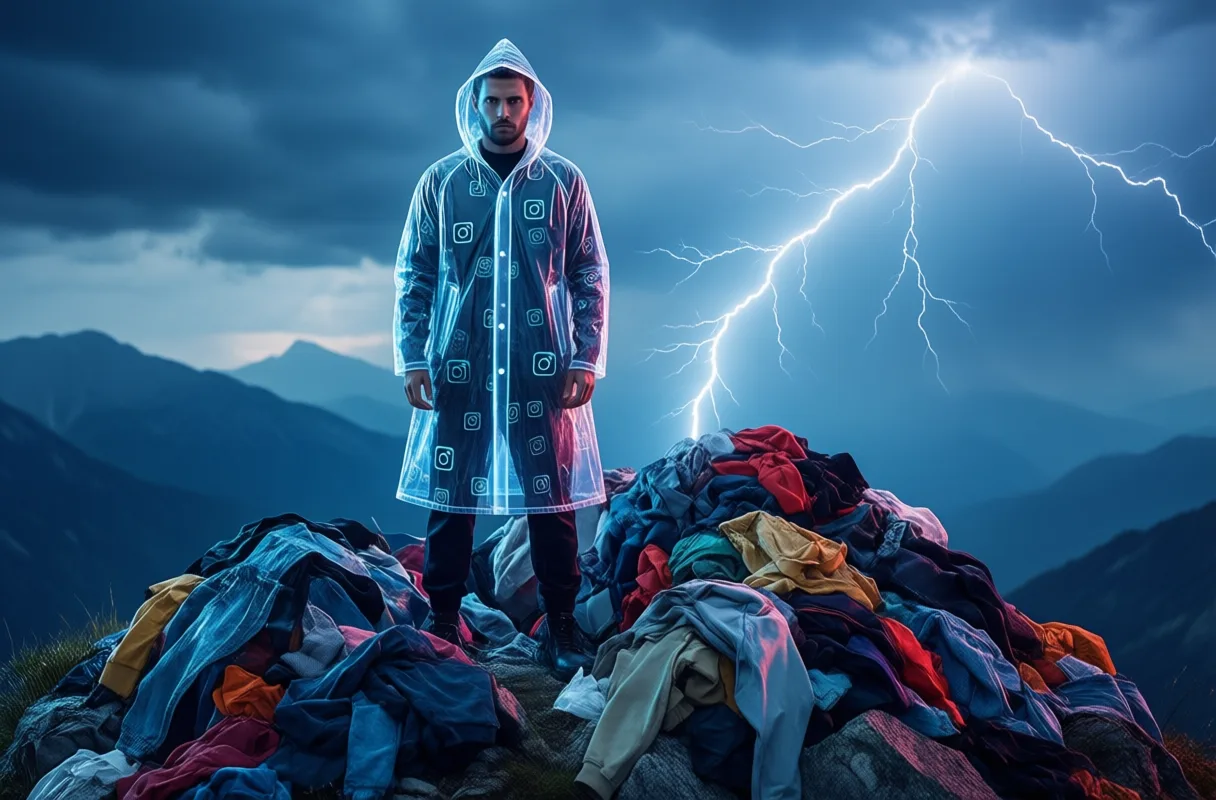
Perhaps the most profound shift of the decade wasn’t in hemlines or hues, but in the very idea of who could wear what, when, and why. The 2010s saw the slow, seismic crumbling of rigid fashion binaries, as designers, retailers, and consumers alike began to question the tyranny of “men’s” and “Women’s” sections. Clothing became less about assignment and more about expression-a canvas for identity rather than a cage of convention.
Runways featured male models in skirts, lace, and heels, while women strode confidently in sharp-tailored suits that borrowed from traditional menswear, not as costume but as command. Androgyny ceased to be a trend and became a truth, echoed in collections that refused categorization and campaigns that celebrated spectrum over stereotype. Retailers began launching unisex lines, not as gimmicks but as gestures toward inclusivity, recognizing that fashion’s future would not be divided by outdated norms.
This evolution was neither linear nor universal, but its momentum was undeniable. Non-binary and transgender voices gained visibility, demanding space not only on runways but in design studios and boardrooms. The message was clear: fashion should liberate, not legislate. As the decade closed, the most radical outfit wasn’t the one covered in crystals or slogans-it was the one worn without apology, regardless of gender, size, age, or expectation.
The Digital Dressing Room
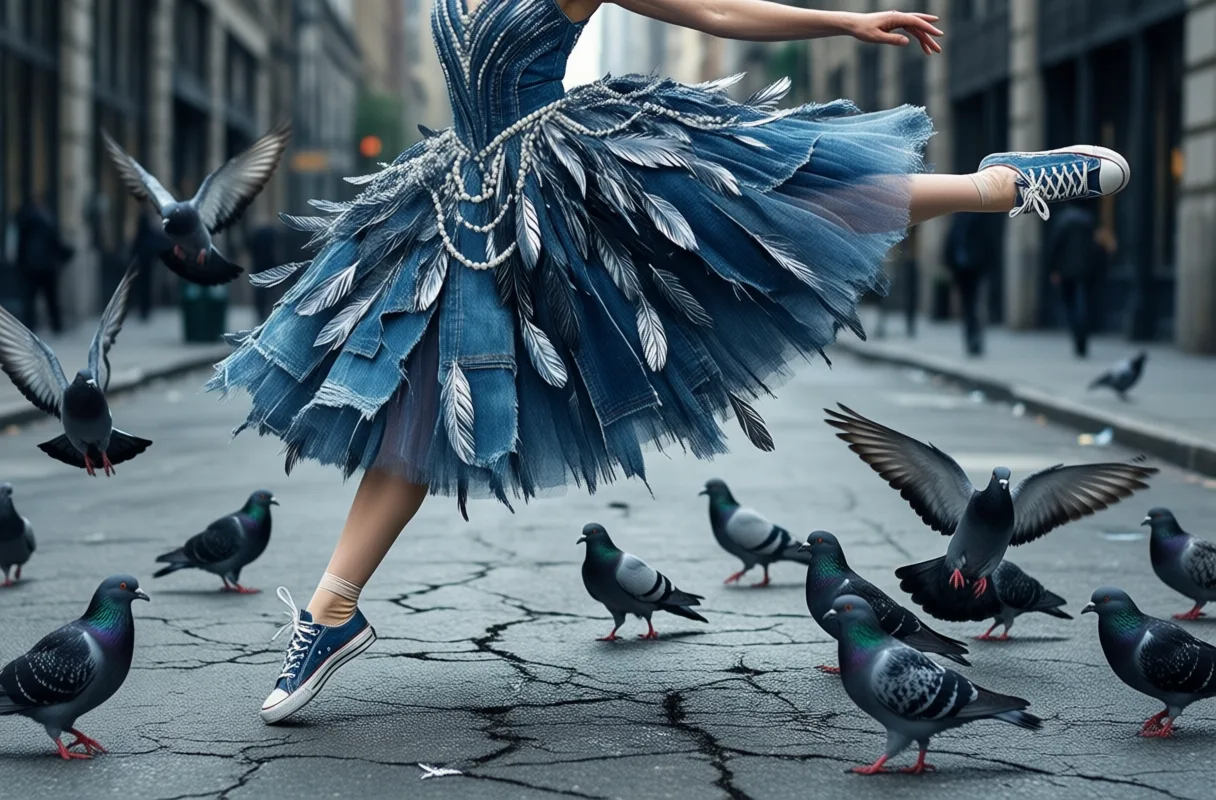
The way we shopped changed as dramatically as what we wore. With the rise of e-commerce and social media, the fitting room went virtual, and the influencer became the new sales associate. Algorithms curated feeds with eerie precision, serving up looks before desire had even formed, while live-streamed launches replaced midnight mall queues. Fashion weeks, once cloistered affairs, were livestreamed to millions, their front rows now populated by YouTubers and TikTokers whose reach dwarfed that of traditional editors.
Brands adapted with astonishing speed, embracing direct-to-consumer models that cut out intermediaries and spoke straight to the shopper. Pop-up shops bloomed in vacant storefronts, Instagrammable by design, built for virality as much as viability. Sustainability, too, entered the conversation-not always authentically, but undeniably-prompting questions about overproduction, waste, and the true cost of fast fashion’s allure.
Yet amid the convenience and connection, a tension lingered: the more fashion digitized, the more we craved tactility, authenticity, the weight of fabric in hand. Vintage surged not just as aesthetic but as ethic, thrift stores becoming treasure troves and resale platforms thriving on stories as much as savings. The future of fashion, it seemed, would be shaped not by rejection of the digital, but by balance-between screen and skin, trend and timelessness, click and cloth.
| Trend | Key Elements | Cultural Significance |
|---|---|---|
| Normcore | Dad jeans, plain tees, white sneakers | Rebellion against logos and conspicuous consumption |
| Athleisure | Leggings, hoodies, performance sneakers | Blurred fitness wear with daily life and workwear |
| Streetwear Sovereign | Hoodies, limited-edition sneakers, graphic tees | Elevated urban styles to high fashion status |
| Y2K Nostalgia | Low-rise jeans, butterfly clips, metallics | Revival of early 2000s aesthetics with modern twist |
| Gender Fluidity | Skirts on men, suits on women, unisex lines | Challenged traditional gender norms in fashion |
| Logo Mania | Bold branding, statement sneakers, logo puffers | Expressed brand loyalty and street credibility |
Style Time Capsule: The 2010s in Clothes
The Rise of the Normcore Look
Believe it or not, dressing down became a major fashion statement in the 2010s. "Normcore" emerged as a trend where people intentionally wore plain, unbranded, and often unremarkable clothing-think dad jeans, plain white sneakers, and basic T-shirts. It wasn’t about being sloppy; it was a quiet rebellion against flashy logos and over-the-top styles. This low-key aesthetic reflected a cultural shift toward authenticity and comfort, with everyday staples suddenly becoming runway-approved.
Athleisure Takes Over
Who said you couldn’t wear yoga pants to brunch? The 2010s saw the explosive rise of athleisure-activewear designed for both workouts and daily life. Leggings, hoodies, and performance sneakers transitioned from gym sessions to coffee runs and even casual workplaces. Brands capitalized on this shift by creating stylish, functional pieces that blurred the line between fitness and fashion. Suddenly, looking sporty was synonymous with being stylish, and comfort ruled the decade.
Statement Sneakers and Logo Mania
While normcore celebrated the invisible, the opposite trend thrived just as hard: logo-heavy, bold statement sneakers. Limited-edition drops from collaborations caused online frenzy, with fans camping out or refreshing web pages for hours. Chunky "dad shoes" also made a surprising comeback, turning once-ridiculed styles into must-have items. Logos weren’t subtle-they were front and center, turning clothing into walking billboards for brand loyalty and street cred.
Frequently Asked Questions
What was normcore fashion in the 2010s?
Normcore was a trend where people intentionally wore plain, unbranded, and unremarkable clothing like dad jeans, white sneakers, and basic T-shirts. It was a quiet rebellion against flashy logos and over-the-top styles.
How did streetwear influence high fashion during the 2010s?
Streetwear became haute as hoodies, sneakers, and graphic tees were embraced by high fashion. Designers took cues from youth culture, with oversized silhouettes and luxury materials elevating streetwear to runway status.
What role did nostalgia play in 2010s Fashion Trends?
Nostalgia drove the revival of Y2K styles like low-rise jeans, butterfly clips, and bedazzled denim. These trends were reinterpreted with modern sensibility, blending past aesthetics with contemporary fashion.
How did gender fluidity shape fashion in the 2010s?
The decade saw a move away from rigid gender binaries in clothing. Designers featured male models in skirts and lace, women in tailored suits, and brands launched unisex lines as fashion became more about expression than convention.
This article was produced with AI assistance. How Paradox Magazine uses AI.
Maeve explores avant-garde fashion through the lens of cultural evolution, blending runway analysis with street-level trends. She investigates how identity and innovation collide in fabric, silhouette, and statement, making high fashion accessible without diluting its daring.