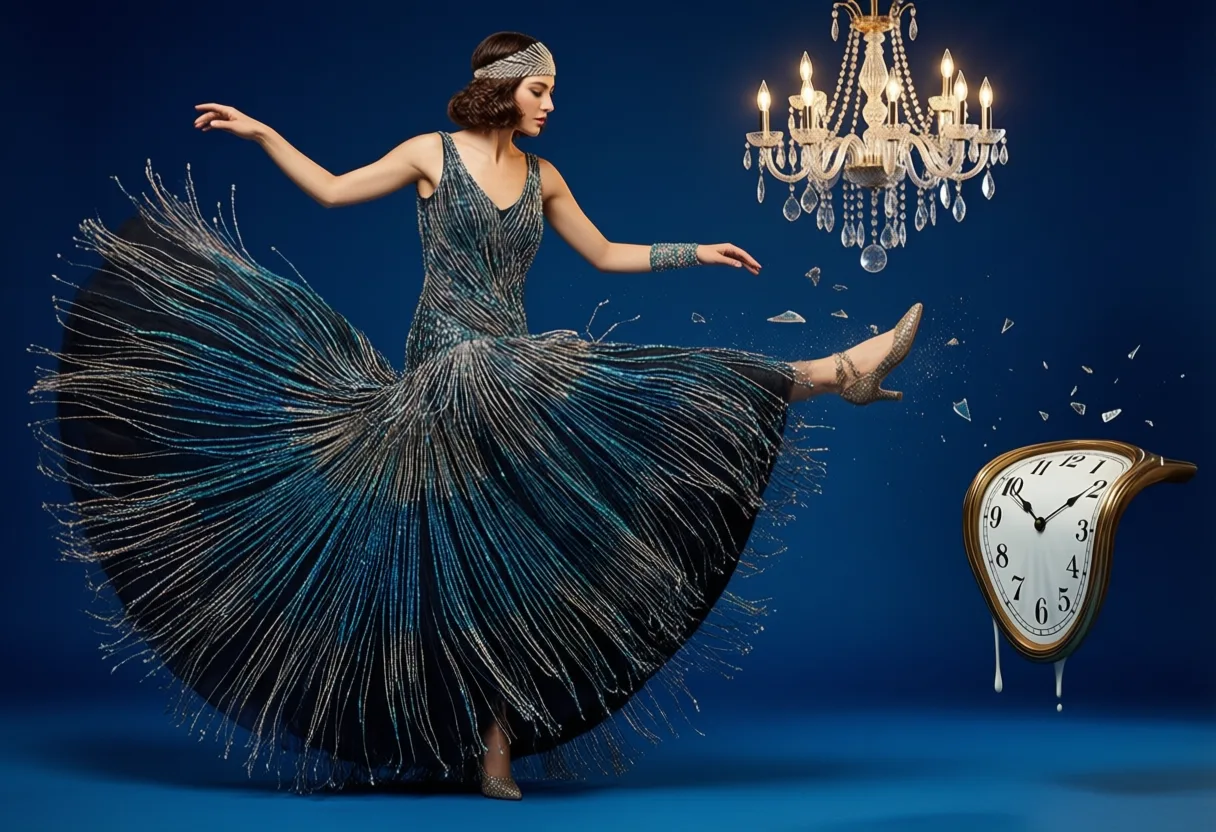
Silhouettes shift. Fabrics fall differently. A hemline rises with rebellion, drops with solemnity. Through wars, wonders, and wireless revolutions, Fashion Has whispered-sometimes shouted-what it means to be alive in a given moment.
The Roaring Rebellion: 1920s to 1940s
Cocoons of corsets cracked open. The 1920s unfurled with a gasp of freedom-flapper dresses swung low, beads catching candlelight like shattered stars. Women chopped their hair into bobs, their skirts into daring knee-length hems, and their lives into bolder chapters. Jazz rhythms pulsed through sequined fringes, and The silhouette became boyish, loose, and gloriously unbound.
Daywear flirted with masculinity-tailored jackets, flat shoes, cloche hats hugging the skull like secrets. Evening, though, was pure indulgence: silk, lamé, and bias cuts that clung and floated all at once. The era wasn’t just fashion-it was A visual manifesto of liberation, stitched in beaded defiance.
By the 1930s, the mood softened. The Great Depression draped dreams in fluid gowns, bias-cut to conserve fabric and flatter form. Hollywood glamour seeped into reality-think soft waves, shoulder pads, and a longing for escape. Then came the 1940s, shaped by war. Rationing ruled, but style refused surrender. Utility dresses with nipped waists and padded shoulders projected strength. Women wore trousers not for trend, but for toil-factory floors demanded function, and fashion adapted with dignity.
Post-War Poise and Youthquake: 1950s to 1960s
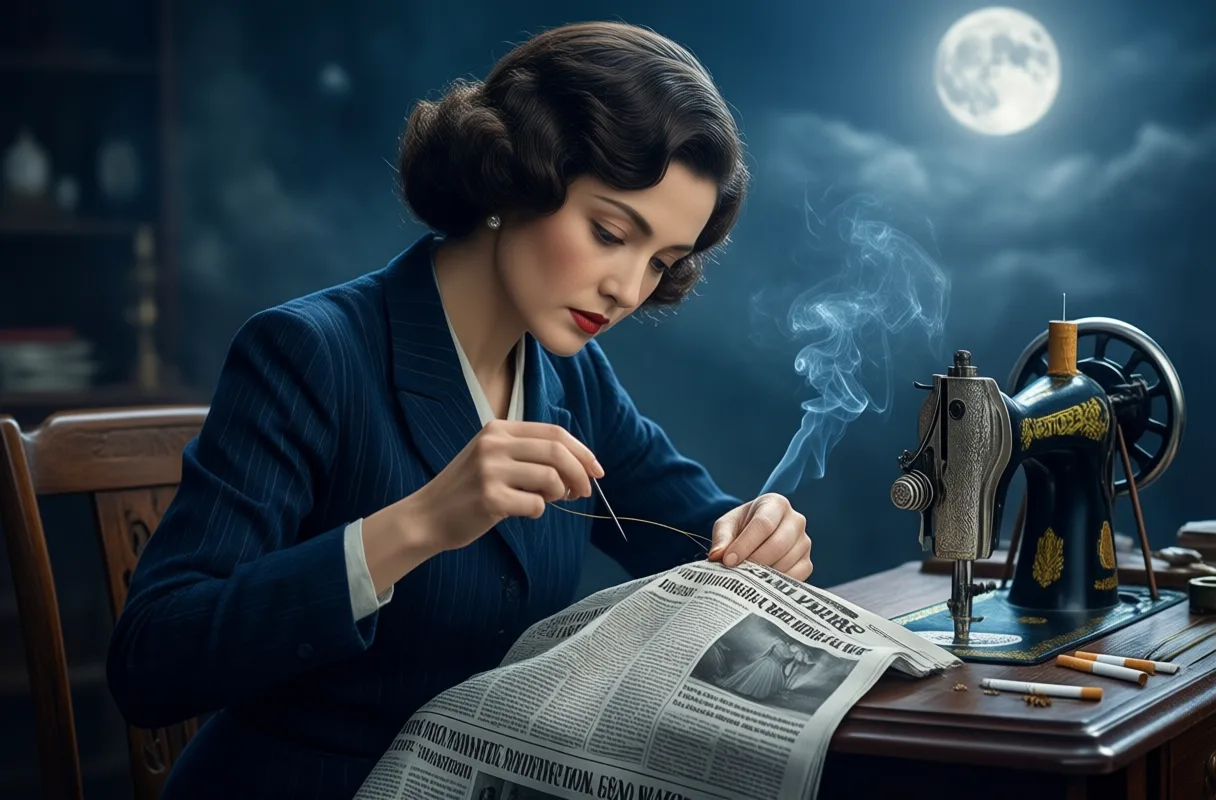
After years of austerity, the 1950s bloomed with curves celebrated, not concealed. Christian Dior’s “New Look” swept in-full skirts, cinched waists, and an almost architectural femininity. Poodle skirts twirled at sock hops, while housewives in shirtwaist dresses polished kitchens like altars. Elegance was expected, and polish was non-negotiable.
But beneath the crinoline, a tremor grew. Teenagers emerged as a cultural force, and with them, rebellion in denim and leather. James Dean’s white tee. Marlon Brando’s brooding leather. Youth no longer mimicked adulthood-they Defined Their own rules.
Then, the 1960s Exploded in color and chaos. London became the epicenter of a youthquake. Mini skirts, pioneered by Mary Quant, flashed legs like declarations of independence. Go-go boots stomped to the beat of The Rolling Stones and The Supremes. Op-art prints, PVC, and space-age silhouettes reflected a world hurtling toward the moon. Mod styles clashed with hippie florals, and fashion became a battlefield of ideologies-conformity versus counterculture, tradition versus transcendence.
Disco Dreams and Designer Denim: 1970s to 1980s
The 1970s shimmered with decadence and diversity. Studio 54 pulsed under mirror balls, where Halston goddesses glided in bias-cut jersey, bare shoulders gleaming. Platform shoes lifted hemlines and egos alike. But beyond the disco, earth tones ruled-bell-bottoms flared over protest marches, peasant blouses billowed at folk concerts, and kaftans floated through sun-drenched afternoons.
Ethnic influences wove into mainstream style-turbans, kimonos, and fringe borrowed from global traditions, though not always with reverence. The decade was messy, magical, and unapologetically excessive. Fashion didn’t just follow culture-it became a collage of it.
Then came the 1980s: bold, brash, and built for power. Shoulder pads squared silhouettes into armor. Designer labels-think Armani, Versace, Montana-flaunted wealth like war paint. Women in boardrooms wore power suits, their lapels wide enough to land a helicopter. Men embraced pastel pinstripes and silk scarves knotted with precision.
Denim went designer. Leg warmers climbed over jeans. And music videos turned stars into style icons overnight-Madonna’s layered lace, Prince’s ruffled purple-each look a lightning bolt of influence. The decade taught us that fashion could be Both armor and art, a way to declare who you were before you even spoke.
Minimalism, Logomania, and the Digital Runway: 1990s to 2000s
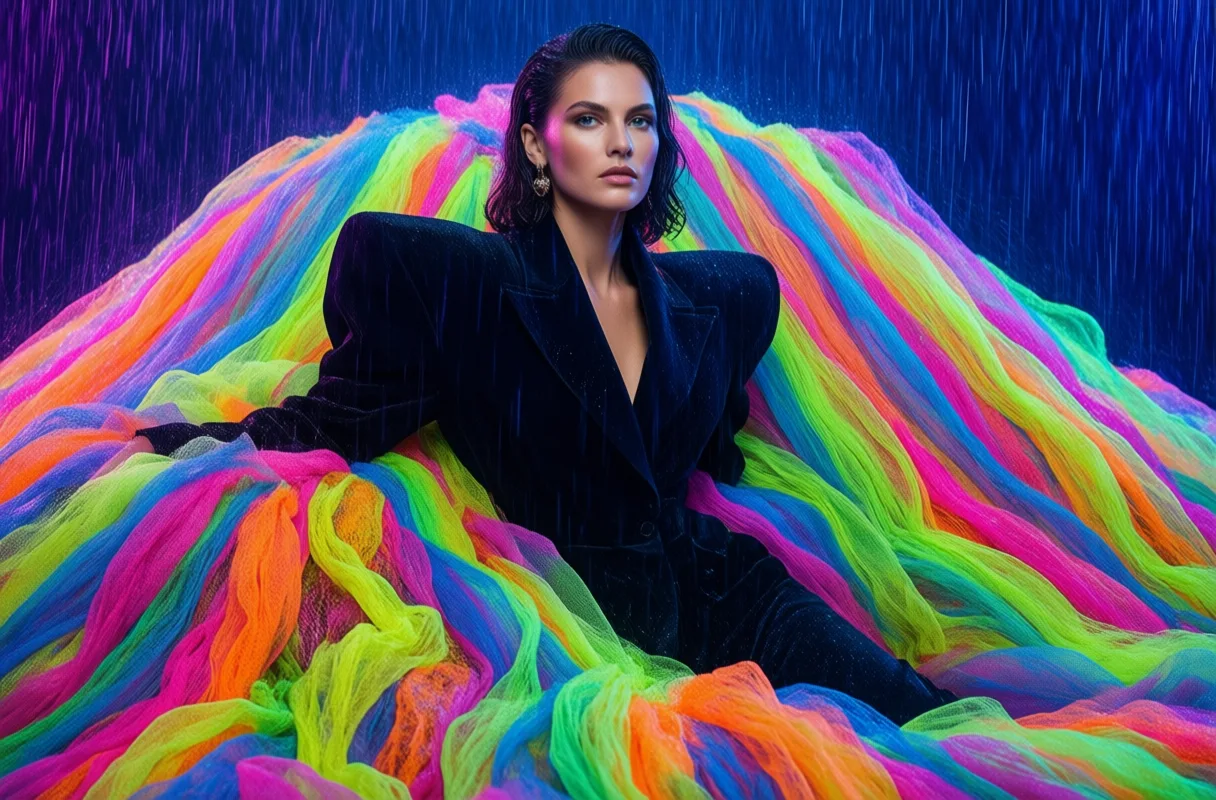
The 1990s Exhaled. After the 80s’ excess, minimalism swept in like a cool breeze. Calvin Klein’s clean lines, Helmut Lang’s stark tailoring, and the rise of “heroin chic” brought a raw, understated cool. Slip dresses glided over skin, worn with combat boots-a contrast that defined the decade’s soul.
Grunge roared from Seattle, flannel shirts and ripped jeans rejecting polish for poetry. Marc Jacobs’ Perry Ellis collection, though short-lived, became legendary for bringing anti-fashion to the runway. Perfection was out. Authenticity, however staged, was in.
Then the 2000s Arrived-glittering, garish, and unafraid. Logomania ruled. Juicy Couture tracksuits, bedazzled flip phones, low-rise jeans that dared gravity. Paris Hilton’s “That’s Hot” wasn’t just a catchphrase-it was a fashion decree. The Y2K aesthetic, once dismissed, has since been reborn with nostalgic fervor-see how 2000S Fashion: Y2K Trends Resurfaced explores the revival of butterfly clips, cargo pants, and metallic mini dresses.
Pop stars dictated trends: Britney’s schoolgirl look, Beyoncé’s denim-on-denim, Gwen Stefani’s Harajuku girls. Fashion became instant, influenced by MTV and early internet forums. The runway was no longer distant-it was streaming, screenshot, and sold out in hours.
The Age of Acceleration: 2010s to Today
The 2010s moved at meme speed. Trends bloomed and died in months, sometimes weeks. Athleisure blurred gym and street-leggings became pants, sneakers became staples. The rise of social media turned influencers into designers, and TikTok into a trend incubator. Comfort became a luxury, not a compromise.
Enter the era of viral fashion. A single post could launch a global obsession. Take the rise of performance leggings-engineered for sweat, adored for style. They hugged curves, flattered forms, and transitioned from spin class to brunch with ease. As explored in Viral Workout Leggings Take Over Fitness Fashion With Comfort And Style, these pieces are no longer just sportswear-they’re symbols of a culture that values both movement and mindfulness.
Sustainability crept into consciousness. Vintage wasn’t just nostalgic-it was necessary. Thrifting became chic. Rental platforms offered runway dreams without landfill guilt. Designers faced pressure to be transparent, ethical, inclusive.
And color? Pink-once dismissed as frivolous-rose to power. Not just any pink, but a spectrum: millennial rose, bubblegum bright, ballet slipper soft. It appeared on runways, red carpets, and street style snaps worldwide. As Pretty Pink In: Why This Color Is Taking Over Fashion reveals, this isn’t just a trend-it’s a cultural mood, soft yet strong, tender but tenacious.
The Thread That Binds: What Endures
Through a century of change, one truth remains: fashion is feeling made visible. It reflects who we are, who we fear, who we dare to become. The hemline rises with confidence, falls with caution. The shoulder pad returns when we need armor.
We return to old silhouettes not from lack of imagination, but from longing-for comfort, for identity, for connection. The 90s minimalist dress echoes in today’s slip styles. The 70s flares live on in wide-leg denim. History doesn’t repeat-it riffs.
And now, in an age of algorithms and instant access, we curate ourselves with more intention. Every outfit is a statement, a scroll, a story. Fashion is no longer dictated from above-it’s built from below, one post, one choice, one bold pair of shoes at a time.
So wear what moves you. Not just what’s trending, but what resonates. Because the most timeless trend of all? Being unapologetically, beautifully you.
Style Through the Decades: A Flashback in Fabric
Roaring Beginnings and Radical Shifts
Back in the 1920s, fashion broke free from tight corsets as women embraced looser, straighter silhouettes. The flapper look-shorter hemlines, dropped waists, and fringe that danced with every move-became a symbol of liberation. Cloche hats hugged the head, and bobbed hair completed the bold new image. Fast forward to the 1940s, wartime rationing reshaped style out of necessity. Fabric shortages meant shorter skirts, narrower cuts, and minimal embellishments, yet women still found ways to look polished, often using makeup and hairstyles to maintain glamour during tough times.
From Rebellion to Runways
The 1950s swung back toward elegance, with Christian Dior’s “New Look” popularizing full skirts, nipped waists, and a return to femininity. Teenagers, now a recognized cultural force, began shaping trends-think poodle skirts, saddle shoes, and leather jackets inspired by rebels on screen. By the 1970s, fashion fragmented into bold subcultures: disco brought shimmering fabrics and platform shoes, while punk responded with ripped clothing, safety pins, and DIY attitude. The 1990s stripped things back with grunge, where flannel shirts, ripped jeans, and combat boots turned anti-fashion into a global movement.
The Digital Age of Fast Trends
With the 2000s came the rise of reality TV and celebrity culture, pushing looks like low-rise jeans, trucker hats, and logo-heavy sportswear into the mainstream. The internet accelerated everything-what was hot one month could vanish the next. Social media turned everyday people into style influencers, making fashion more democratic but also more fleeting. Today’s trends often recycle past decades, blending 1990s minimalism with 2000s nostalgia, proving that what goes around really does come back around-just with a modern twist. Explore more stories, videos, and creators on Loaded.
Frequently Asked Questions
What defined 1920s fashion trends?
The 1920s featured looser, straighter silhouettes with shorter hemlines and dropped waists. Flapper dresses, bobbed hair, and cloche hats symbolized liberation from corsets and traditional femininity.
How did wartime affect 1940s fashion?
Wartime rationing led to shorter skirts, narrower cuts, and minimal embellishments. Women wore trousers for toil, and utility dresses with padded shoulders reflected strength and function.
What sparked the youthquake in 1960s fashion?
Teenagers emerged as a cultural force, embracing rebellion in denim and leather. Mini skirts by Mary Quant and mod styles clashed with hippie florals, marking a shift in cultural identity.
How has social media influenced 2010s fashion trends?
Social media turned influencers into designers and TikTok into a trend incubator. Viral fashion spread quickly, making trends short-lived and highly democratized through online platforms.
This article was produced with AI assistance. How Paradox Magazine uses AI.
Linh bridges beauty rituals and everyday well-being, spotlighting inclusive innovation and global traditions shaping modern self-care. She champions sustainable practices and diverse voices, framing beauty as both personal expression and collective storytelling.