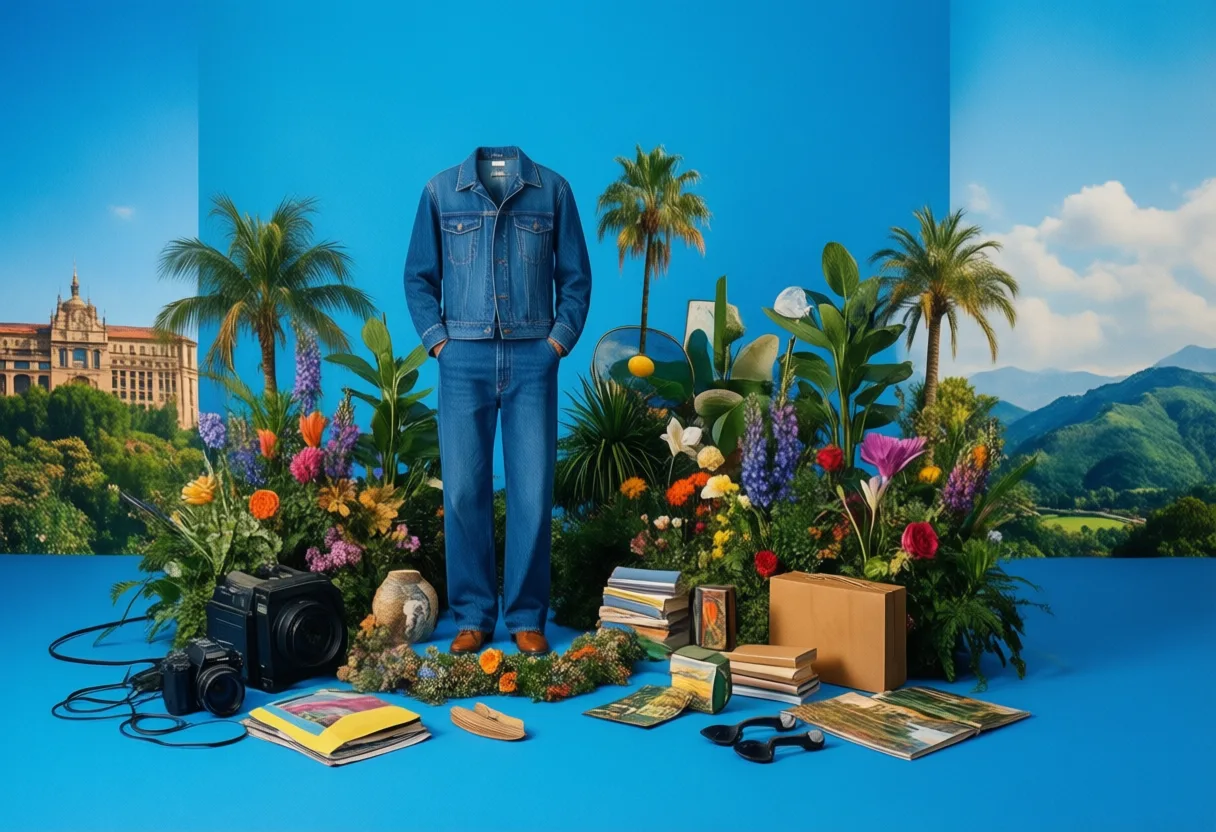
The early 2000s Were not simply a blur of low-rise jeans and bedazzled flip phones-they were a cultural reckoning, a glitter-dusted revolution where fashion became both armor and anthem for a generation teetering between analog nostalgia and digital dawn. It was an era when identity wasn’t whispered but screamed in rhinestones, velour tracksuits, and chunky highlights, a time when what you wore was less about elegance and more about Intention. From suburban malls to MTV’s rotating video vixens, style wasn’t curated-it was Claimed, with a fearless, almost theatrical abandon that still echoes through today’s runways and TikTok feeds.
The Silhouette of a New Millennium
There was a delicious contradiction in the way the early 2000s dressed: simultaneously exposed and cocooned, vulnerable and defiant. The body was not hidden but Reimagined, sculpted by Trends That celebrated extremes-ultra-low waists that dipped below the hip bone, halter tops that left backs bare like open invitations, and denim so tight it seemed poured on with a syringe. This was fashion as performance, where every outfit felt like a scene from a music video that hadn’t been filmed yet.
The Low-rise jean Was not merely a garment; it was a declaration, a sartorial middle finger to modesty and maternal warnings alike. Paired with cropped tops, belly chains, and midriff-baring halters, it turned the torso into a canvas-sometimes tasteful, often chaotic, always Seen. The rise of the exposed navel wasn’t accidental; it was cultural osmosis, a collective shrug toward propriety and a nod to the era’s obsession with youth, Freedom, and the unapologetic visibility of the self.
And then there was the Tracksuit renaissance, elevated from gym locker obscurity to red carpet royalty by the likes of certain pop princesses and hip-hop icons. Velour, once the fabric of lazy Sundays, was reborn in jewel tones and monogrammed logos, transforming sweatpants into status symbols. It wasn’t laziness-it was Luxury lounging, a plush manifesto that comfort could be chic, that you could be both powerful and pajama-clad. The tracksuit, in all its pill-resistant glory, became the uniform of the multitasking diva: fierce, fatigued, and forever fabulous.
Logomania and the Cult of Branding
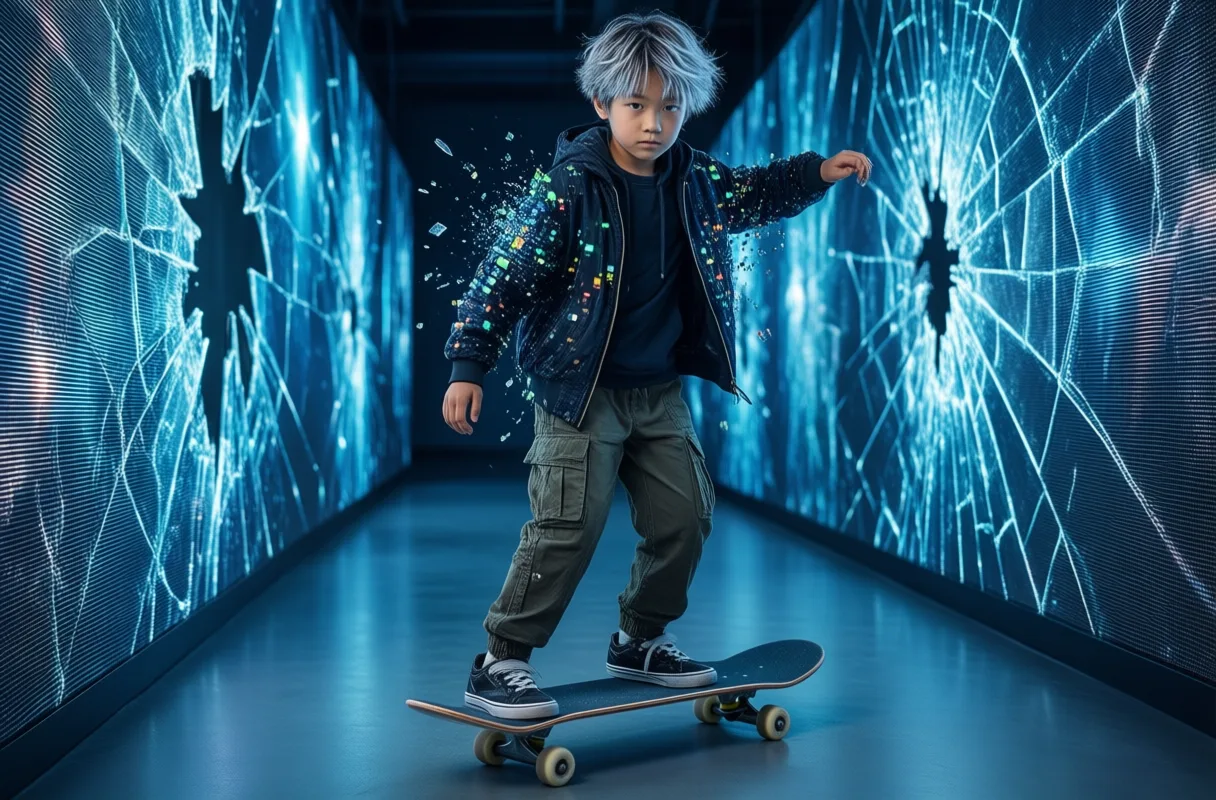
Branding wasn’t just present in early 2000s fashion-it was Worshipped, emblazoned across chests, hips, and foreheads like sacred sigils. Logos weren’t subtle; they were shouted in bold Helvetica, stretched across sweaters, printed on belts, stitched into the very seams of existence. To wear a brand wasn’t about quality-it was about allegiance, about broadcasting your tribe to the world with the precision of a billboard.
Juicy Couture Emerged as the high priestess of this movement, turning velour into a religion and the word Juicy-in cursive, on the backside-into a cultural catchphrase. Their tracksuits weren’t clothing; they were sacraments, worn by teens, celebrities, and even socialites who understood that in this era, Visibility was currency. The brand’s pink charm bracelets, bedazzled flip phones, and matching doggy outfits completed the aesthetic: a world where everything, even the pets, had to be On brand.
Other labels followed suit, each staking their claim in the great logo wars. FUBU Stood tall in urban communities, its bold lettering a symbol of Black pride and entrepreneurial spirit. Ed Hardy And Sean John Turned streetwear into spectacle, where shirts screamed with eagles, skulls, and the names of founders like battle cries. In this climate, fashion wasn’t just personal-it was political, economic, deeply Tribal. To wear a logo was to say: I belong. I am seen. I am here.
Hair, Makeup, and the Art of More
If clothing was the stage, then hair and makeup were the spotlight-bright, blinding, and impossible to ignore. This was not an era of “no-makeup makeup”; it was the golden age of More is more, where glitter, gel, and hairspray were applied with the fervor of a Renaissance painter. The face was not a canvas but a collage: frosted lips, shimmering lids, and cheeks dusted with a highlight that could be seen from low Earth orbit.
Chunky highlights Ruled the decade, slicing through dark hair like lightning bolts of platinum or caramel. These weren’t subtle balayage whispers-they were Strikes, deliberate and dramatic, often achieved with foils, bleach, and a prayer to the hair gods. Paired with butterfly clips, crimped ends, and scrunchies the size of tennis balls, hair became a kinetic sculpture, moving with every turn of the head like a living mood ring.
Makeup followed the same maximalist creed. Glossy lips Were non-negotiable, slicked on in clear, pink, or frosty mauve, often layered over lip liner drawn just outside the natural border-creating the illusion of a perpetually pouting mouth. Eyeshadow palettes exploded with metallics and neons, while Mascara Was applied in clumps, not cared for-because lashes weren’t just lashes; they were Wings, meant to flutter like the pages of a scandalous diary. And let us not forget the Bedazzled brow, where tiny gems adorned the arch like celestial constellations, because why should stars only live in the sky?
The Digital Dawn and Fashion’s New Playground
Long before Instagram influencers and TikTok stylists, the early 2000s birthed a new kind of fashion democracy-one powered by dial-up and digital cameras. AOL Instant Messenger Wasn’t just for flirting; it was a runway in chat form, where screen names doubled as personas and away messages served as mood boards. Girls traded outfit photos via email, dissected celebrity looks on fan forums, and planned mall trips with the precision of military ops-all from the glow of a CRT monitor.
MTV was the runway, and music videos were the shows. When a pop star debuted a new look-be it a rhinestone-studded bra top or denim-on-denim disaster-the world took note within hours. Britney Spears, Christina Aguilera, and Destiny’s Child Weren’t just singers; they were Style oracles, their every appearance dissected, copied, and reimagined in high school hallways and suburban bedrooms. Fashion wasn’t dictated solely by Paris or Milan-it was being rewritten in Los Angeles strip malls and New York recording studios.
And then there was the Mall-that cathedral of consumerism where trends were born, tested, and discarded with alarming speed. Stores like Abercrombie & Fitch, American Eagle, and Delia’s Didn’t just sell clothes; they sold Identity. The scent of cinnabon and cologne hung in the air like incense, and dressing rooms became confessionals, where friendships were forged over shared fits and questionable color choices. The mall was where fashion became Accessible, where a $30 denim skirt could make you feel like you’d stepped off a magazine cover-even if only for the ride home.
The Legacy of Excess
Today, as microtrends flicker and die in the blink of a TikTok scroll, the early 2000s stand as a monument to Commitment-to bold choices, to unapologetic self-expression, to the belief that fashion could be fun, fierce, and fundamentally Free. What was once mocked as garish or gauche is now being reevaluated, even Revered, as Gen Z digs through thrift bins and vintage sites in search of that same electric energy.
The Low-rise jean Has crept back onto runways, the Butterfly clip Flutters in celebrity updos, and Logomania Has returned with a vengeance, now rebranded as “quiet luxury” or “stealth wealth”-though the hunger for visibility remains. We may wear our nostalgia with a wink now, but the spirit is the same: to stand out, to be seen, to turn the everyday into a spectacle.
The early 2000s didn’t just predict the future of fashion-they Lived It first, in all its messy, glitter-stained glory. And perhaps that’s the greatest lesson of all: that style isn’t about perfection. It’s about Presence. It’s about walking into a room, belly chain glinting, hair crimped to kingdom come, and saying-without a word-I am exactly who I meant to be.
| Category | Trend | Defining Features |
|---|---|---|
| Bottoms | Low-rise jeans | Sat below hip bones, often showed thong |
| Activewear | Velour tracksuits | Jewel tones, branded logos, worn as status symbols |
| Branding | Logomania | Bold labels on clothes, bags, and accessories |
| Hair | Chunky highlights | Platinum or caramel foils, dramatic contrast |
| Accessories | Trucker hats and butterfly clips | Worn tilted, often bedazzled or layered |
| Beauty | Glossy lips and shimmer | Frosted shades, lip liner beyond natural border |
When Low-Rise and Logo Mania Ruled the Mall
The Denim Dictatorship
Low-rise jeans weren’t just a trend-they were a lifestyle. Sitting dangerously close to the hip bones, these jeans often came with a side of visible thong, a look popularized by celebrities and fashion icons of the time. Brands like Ed Hardy, Juicy Couture, and Von Dutch turned everyday items like cargo pants and graphic tees into must-have status symbols, with logos slapped boldly across chests and backs. It wasn’t unusual to see teens in head-to-toe matching velour tracksuits, the ultimate blend of comfort and perceived luxury, often paired with chunky sneakers or flip-flops no matter the season.
Accessories That Spoke Volumes
Accessories in the early 2000s were anything but subtle. Bedazzled everything ruled-from flip phones to hair clips-thanks in part to the DIY craze fueled by craft stores and mall kiosks. Butterfly clips, layered friendship bracelets, and cargo pants with enough pockets for a small toolkit were staples in any teen’s wardrobe. One of the most iconic pieces? The trucker hat, often worn tilted slightly to the side, sometimes paired with frosted lip gloss and low-slung belts that dangled more for show than function. These weren’t just fashion choices-they were signals of belonging, part of a visual language spoken fluently in hallways and mall food courts.
The Influence of Pop Culture
Music videos and teen TV shows like Laguna Beach And The O.C. Didn’t just reflect trends-they created them. Seeing favorite pop stars in trucker hats, trucker hats, or denim-on-denim ensembles made fans rush to replicate the looks. The early 2000s also saw the rise of “scene” fashion, where eyeliner, band tees, and brightly colored hair began emerging in pockets of Youth culture. While some trends faded fast, others laid the groundwork for modern nostalgia cycles-today’s high-waisted jeans, for instance, feel like fashion’s quiet apology for the low-rise era. Explore more stories, videos, and creators on Loaded.
Frequently Asked Questions
What were low-rise jeans a symbol of in the early 2000s?
Low-rise jeans were a declaration and sartorial middle finger to modesty, representing youth, freedom, and unapologetic self-visibility.
How did branding influence early 2000s Fashion Trends?
Logos were shouted boldly on clothing as symbols of allegiance and identity, with brands like Juicy Couture, FUBU, Ed Hardy, and Sean John turning apparel into tribal statements.
What role did pop culture play in shaping early 2000s style?
Music videos and teen TV shows created trends, with stars like Britney Spears and Destiny’s Child acting as style oracles whose looks were copied widely.
Why were velour tracksuits considered fashionable in the early 2000s?
Velour tracksuits became status symbols through celebrity adoption, transforming loungewear into luxurious, branded outfits that merged comfort with glamour.
This article was produced with AI assistance. How Paradox Magazine uses AI.
Maeve explores avant-garde fashion through the lens of cultural evolution, blending runway analysis with street-level trends. She investigates how identity and innovation collide in fabric, silhouette, and statement, making high fashion accessible without diluting its daring.