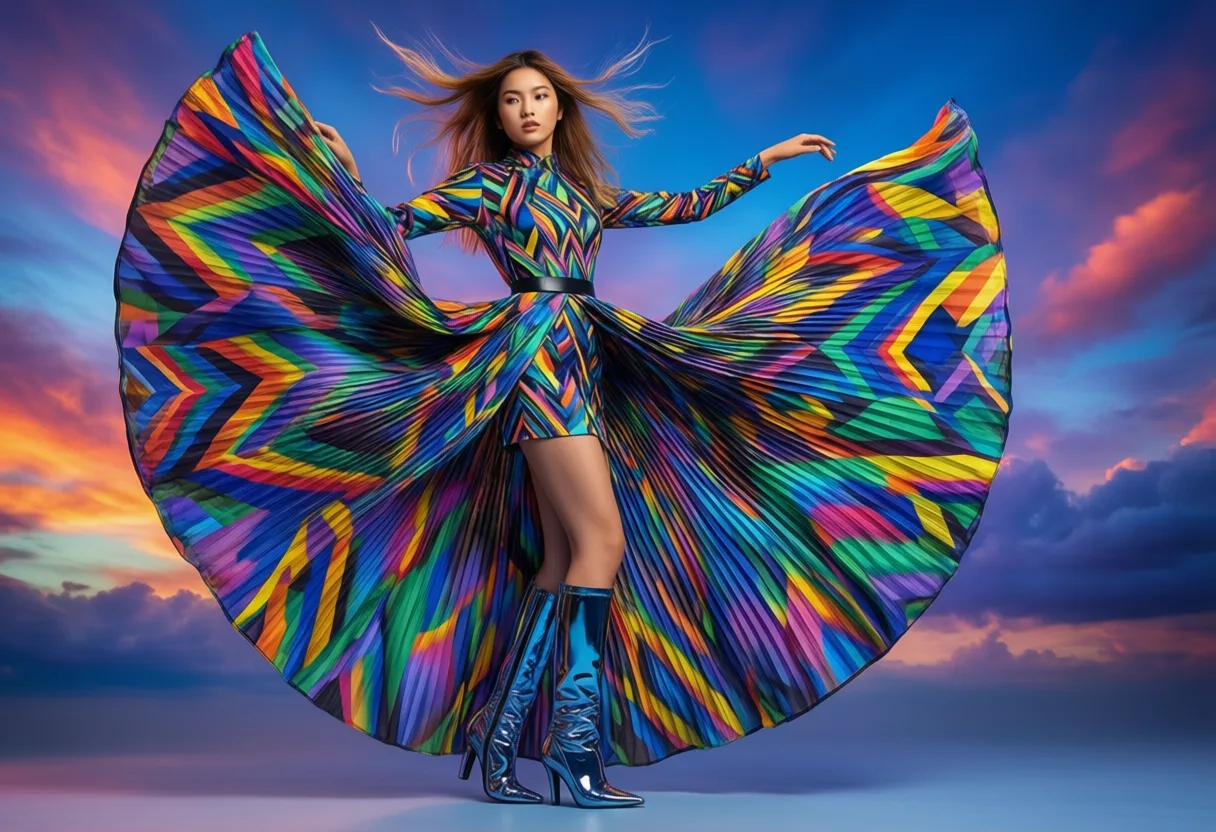
The 1960s were not merely a decade-they were a revolution stitched into the very fabric of modern fashion, a kaleidoscopic upheaval where hemlines rose as high as hopes and silhouettes shattered the constraints of conformity. It was an era when youth culture seized the Runway, and the world watched in breathless admiration as style became both protest and prophecy. From the mod streets of London to the bohemian enclaves of New York, Fashion Trends of the 1960s pulsed with rebellion, innovation, and an unapologetic embrace of the new.
The Youthquake: When Style Became a Statement
It began not with whispers but with a roar-a seismic shift in cultural power as teenagers and young adults emerged as the architects of aesthetic change. No longer content to inherit the tailored suits and cinched waists of their parents’ generation, a new vanguard demanded clothes that mirrored their restless energy and desire for liberation. Designers like Mary Quant and André Courrèges answered the call, crafting garments that were Bold, geometric, and defiantly modern-mini skirts that flirted with scandal, shift dresses that danced with motion, and go-go boots that marched to the beat of a different drum. This was fashion as performance, as identity, as defiance.
The streets of Carnaby Street became catwalks, where mod sensibilities collided with psychedelic flair, and every tailored jacket, striped jersey, and pair of tinted sunglasses telegraphed allegiance to a new world order. Youth no longer followed Fashion-they Were Fashion, their bodies canvases for social commentary and personal expression. Boutiques replaced department stores as temples of style, fostering a do-it-yourself ethos that would ripple through decades, long after the decade’s end.
And yet, this revolution was not confined to the West. Across continents, young people reinterpreted these looks through local lenses-African prints met mod cuts, Japanese textiles fused with space-age silhouettes-proving that the spirit of the 1960s was not a trend but a global awakening. The democratization of style had begun, and it would never be undone.
Space Age Dreams and Mod Realities
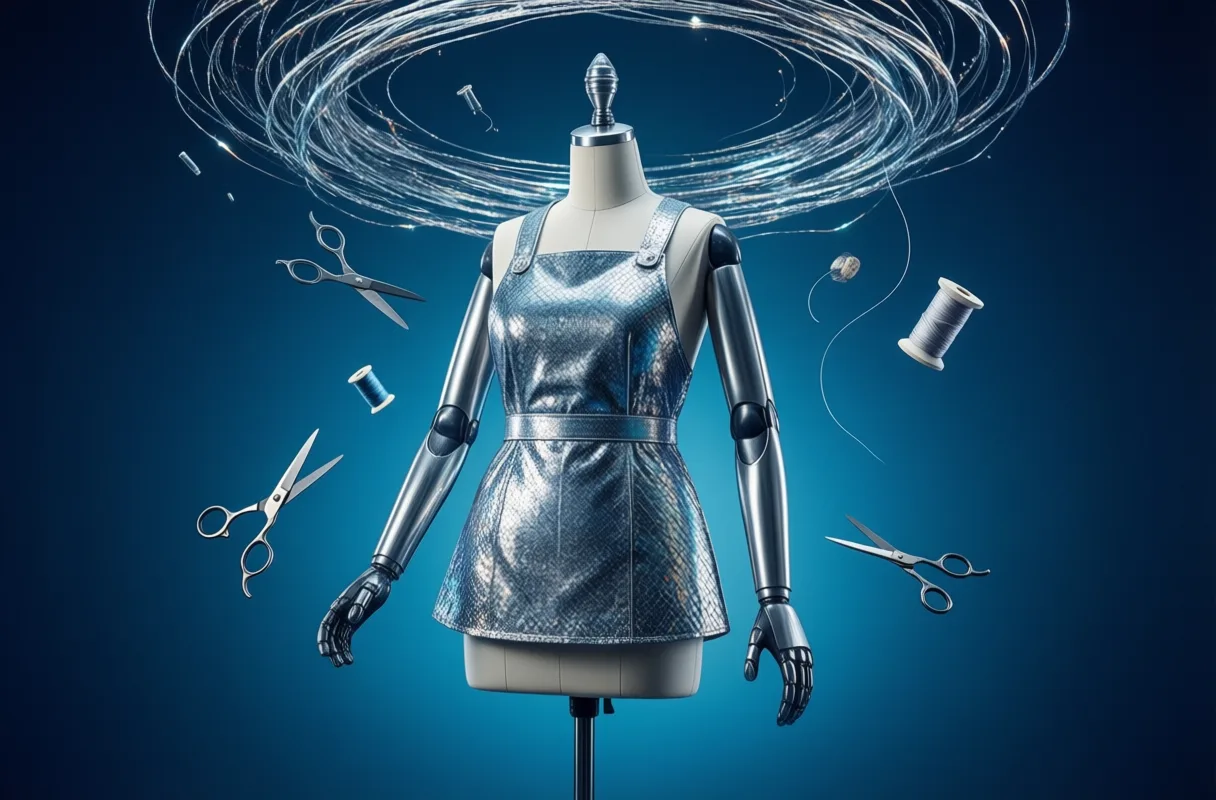
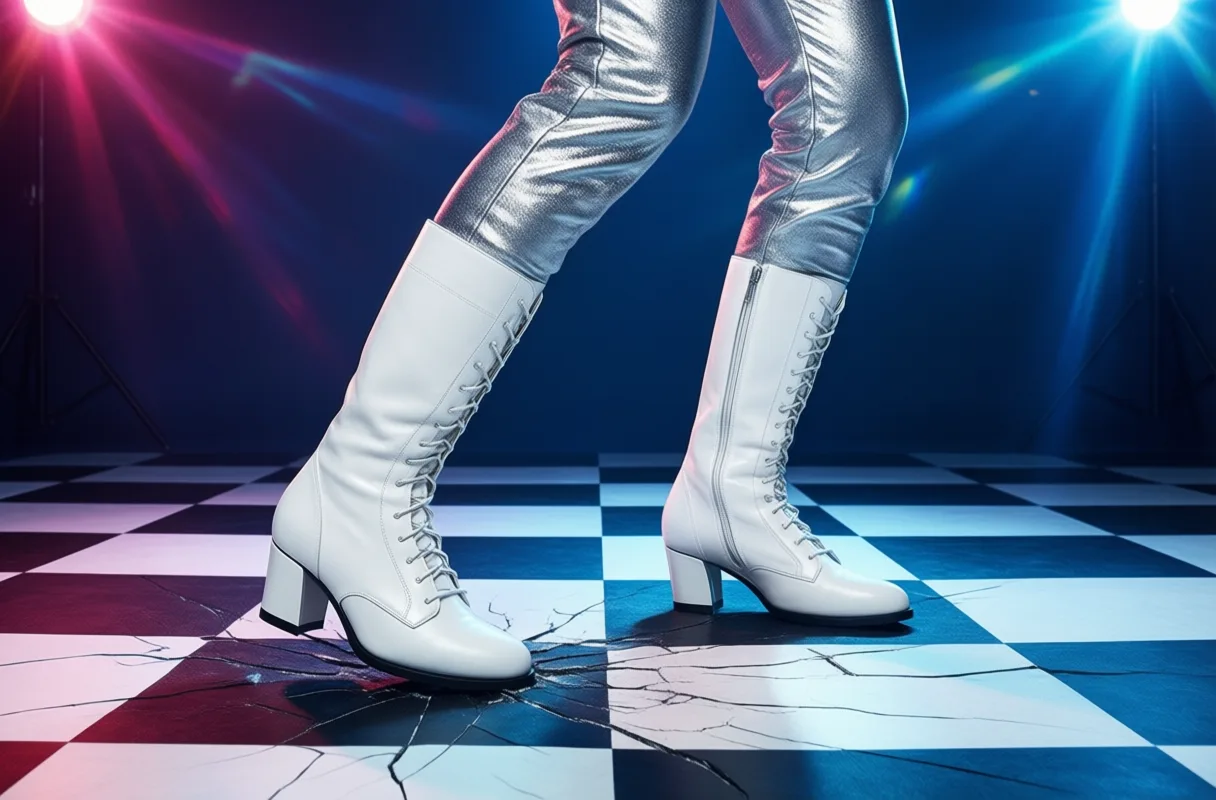
If the 1960s had a silhouette, it was angular, futuristic, and unapologetically sleek-a vision of tomorrow stitched in vinyl, plastic, and metallic thread. The space race ignited imaginations, and fashion designers became interstellar cartographers, mapping out wardrobes for a world that believed the moon was just the beginning. Silver fabrics shimmered Like rocket Trails, helmets doubled as accessories, and white go-go boots stretched toward the stratosphere, each step a declaration of progress. This was the age of Courrèges’ astronaut-inspired collections, where models walked like emissaries from a chrome-plated future, their hair sculpted into geometric helmets, their clothes as sharp as satellite signals.
But for every avant-garde experiment in plexiglass and PVC, there was a grounded counterpoint in the clean lines of mod fashion-tailored coats with oversized buttons, A-line dresses in bold Op Art prints, and perfectly coordinated separates that spoke of precision and purpose. The mod look, born in London’s underground clubs and refined in boutique windows, celebrated symmetry, youth, and a kind of elegant minimalism that felt revolutionary in its restraint. It was fashion with a brain and a heartbeat, equally at home on the dance floor and the art gallery opening.
Even menswear underwent a metamorphosis, shedding the stuffy gravitas of the previous decade for slim-cut suits, turtlenecks, and floral shirts that whispered of Carnaby Street cool. The Beatles, in their collarless jackets and mop-top haircuts, became unwitting style dictators, their every outfit dissected and duplicated by millions. And as music and fashion entwined, it became clear that to dress was to declare allegiance-to a band, a movement, a way of seeing the world. For more on how past decades continue to influence today’s runways, explore 2000S Fashion: Y2K Trends Resurfaced.
Bohemian Rhapsodies: The Counterculture’s Couture
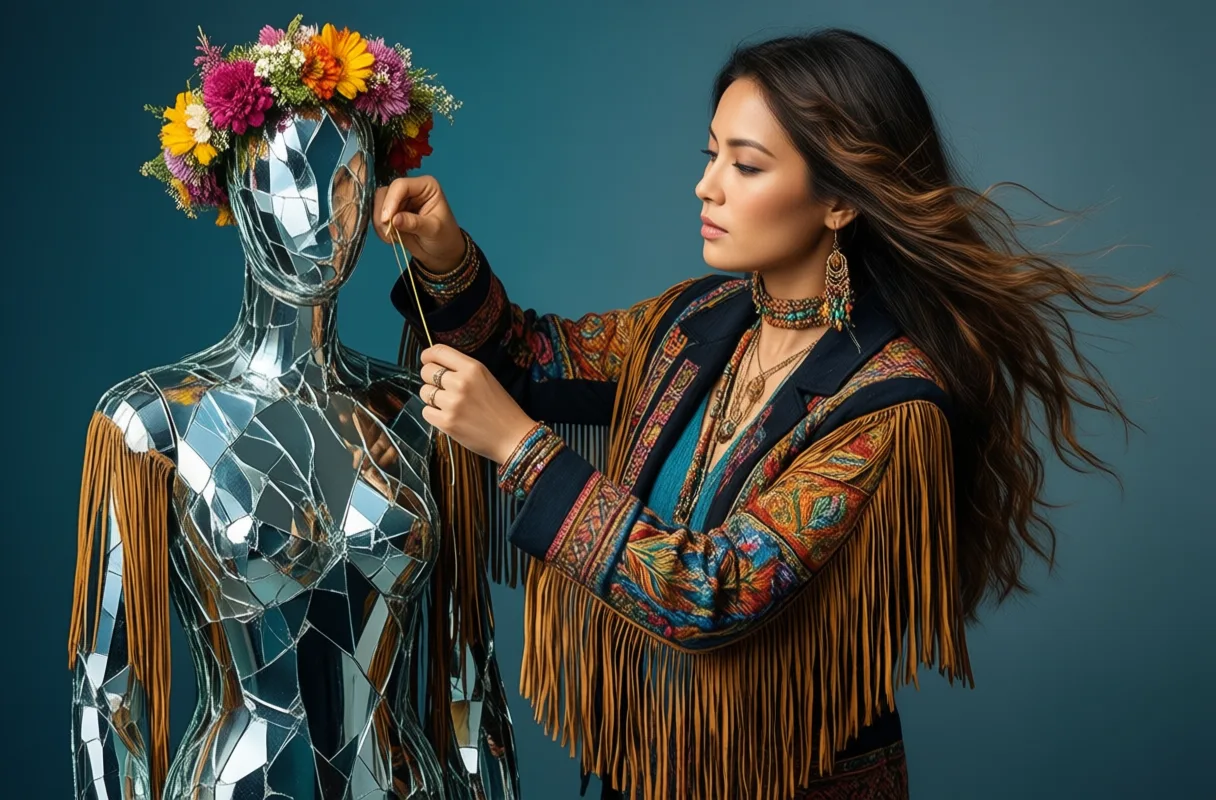
While mod and space-age styles pulsed with urban energy, another current flowed through the decade-one that turned inward, toward nature, heritage, and a longing for authenticity. The counterculture movement birthed a fashion language rooted in rebellion by refusal: rejection of mass production, of synthetic fabrics, of the very idea that clothing should conform. Instead, there was velvet, fringe, peasant blouses embroidered with care, and denim worn not as uniform but as manifesto. This was the era of the gypsy dress, the poncho, the headband woven with flowers, each piece a quiet protest against the machine.
Hippies draped themselves in Indian kurtas, Afghan coats, and Native-inspired beadwork, creating a patchwork aesthetic that celebrated global traditions-even as it sometimes blurred the line between homage and appropriation. Tie-dye, once a craft project, became a symbol of psychedelic consciousness, its swirling colors mirroring the mind’s expansion under the influence of music, meditation, and mind-altering substances. Every frayed hem and handmade necklace whispered of a different kind of luxury-one measured not in price tags but in intention.
Festivals like Woodstock became fashion moments not because of designer labels, but because of the sheer volume of self-expression on display-bare feet in the mud, bell-bottoms flaring in the wind, and hair left long as both political statement and spiritual offering. The runway had moved to the field, and beauty was no longer dictated by Paris or Milan, but by the individual’s courage to be seen, exactly as they were. In this, the 1960s left a legacy not just of trends, but of transformation-proof that fashion, at its best, is not about what we wear, but who we dare to become.
Style That Shook the World
The Miniskirt Revolution
No garment screamed 1960s quite like the miniskirt. While not invented in that decade, it exploded into mainstream fashion thanks to designers like Mary Quant, who named it after her favorite car, the Mini. Worn by daring young women in London’s swinging scene, the miniskirt wasn’t just a hemline-it was a statement of liberation. By baring legs once hidden under conservative skirts, it challenged norms and mirrored the era’s shifting social attitudes. Its rise coincided with the youth-driven pop culture wave, making it a symbol of freedom and modernity.
Mod, Psychedelia, and Space Age Dreams
The 1960s didn’t just have one look-they had many, often clashing gloriously. The clean lines and bold geometric patterns of mod fashion contrasted sharply with the swirling, kaleidoscopic prints inspired by the psychedelic movement. At the same time, designers like André Courrèges and Paco Rabanne pushed boundaries with metallic fabrics, white go-go boots, and silhouettes that looked like they came from a sci-fi future. These styles reflected both technological optimism and the counterculture’s embrace of imagination. Even everyday accessories got a Futuristic twist-think oversized plastic jewelry and goggles worn as fashion statements.
Hair, Color, and Cultural Shifts
Hair became a canvas for self-expression, with beehives towering skyward and Afros blooming proudly as symbols of Black identity and pride. The Afro wasn’t just a hairstyle-it was a political and cultural declaration during the Civil Rights Movement. Meanwhile, synthetic wigs in bright reds, blues, and silvers let anyone experiment with radical new identities. Color itself broke free, with vibrant hues and clashing patterns replacing the muted tones of previous decades. Fashion in the 1960s didn’t just follow trends-it helped shape a generation’s voice. Explore more stories, videos, and creators on Loaded.
Frequently Asked Questions
Who popularized the miniskirt in the 1960s?
Designers like Mary Quant popularized the miniskirt, naming it after her favorite car, the Mini. It became a symbol of liberation and modernity in the swinging London scene.
How did fashion reflect the space race in the 1960s?
The space race inspired futuristic designs with metallic fabrics, white go-go boots, and angular silhouettes. Designers like André Courrèges created astronaut-inspired collections with geometric hair and chrome-plated aesthetics.
What role did hair play in 1960s fashion and culture?
Hair became a canvas for self-expression, with beehives and Afros symbolizing cultural pride. The Afro was a political statement during the Civil Rights Movement, while colorful wigs allowed radical identity experimentation.
How did counterculture influence 1960s fashion?
The counterculture embraced handmade, natural fabrics like velvet and fringe, rejecting mass production. Styles included tie-dye, peasant blouses, and global-inspired pieces such as kurtas and ponchos, celebrating individuality and authenticity.
This article was produced with AI assistance. How Paradox Magazine uses AI.
Maeve explores avant-garde fashion through the lens of cultural evolution, blending runway analysis with street-level trends. She investigates how identity and innovation collide in fabric, silhouette, and statement, making high fashion accessible without diluting its daring.