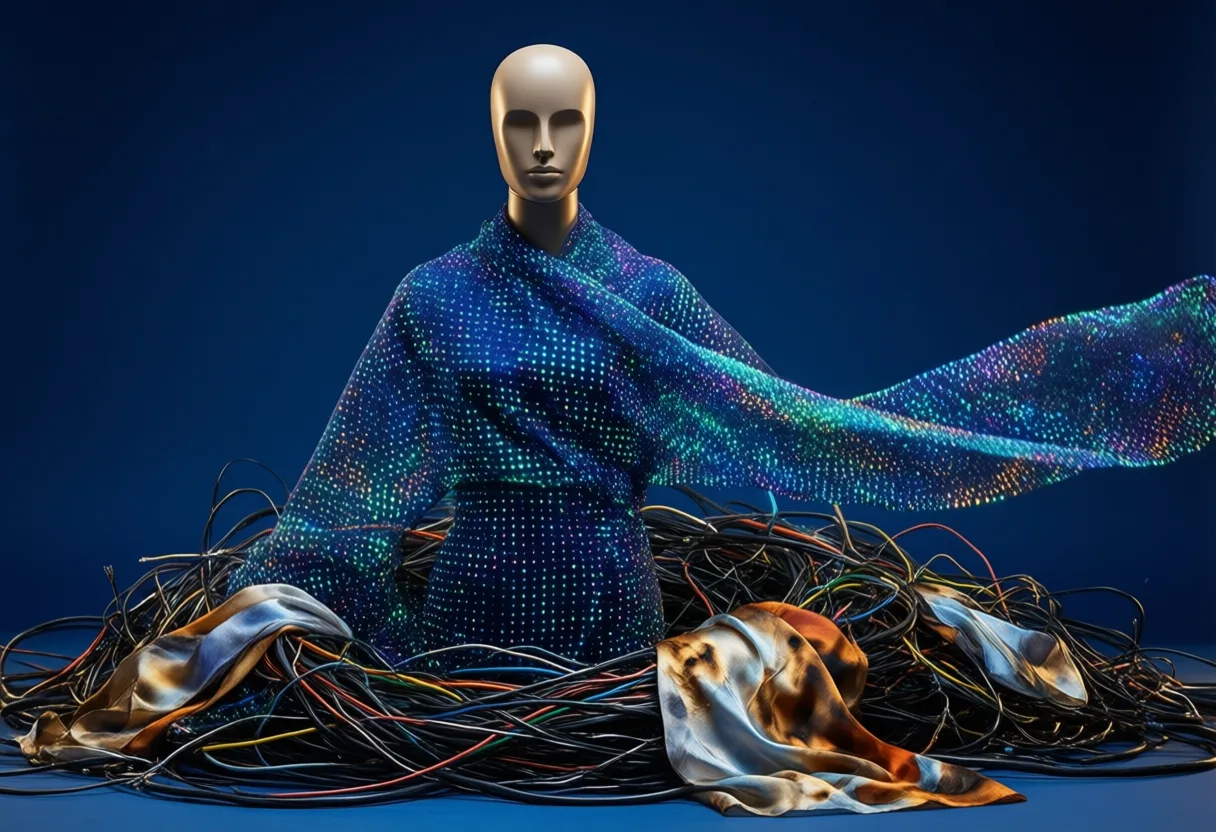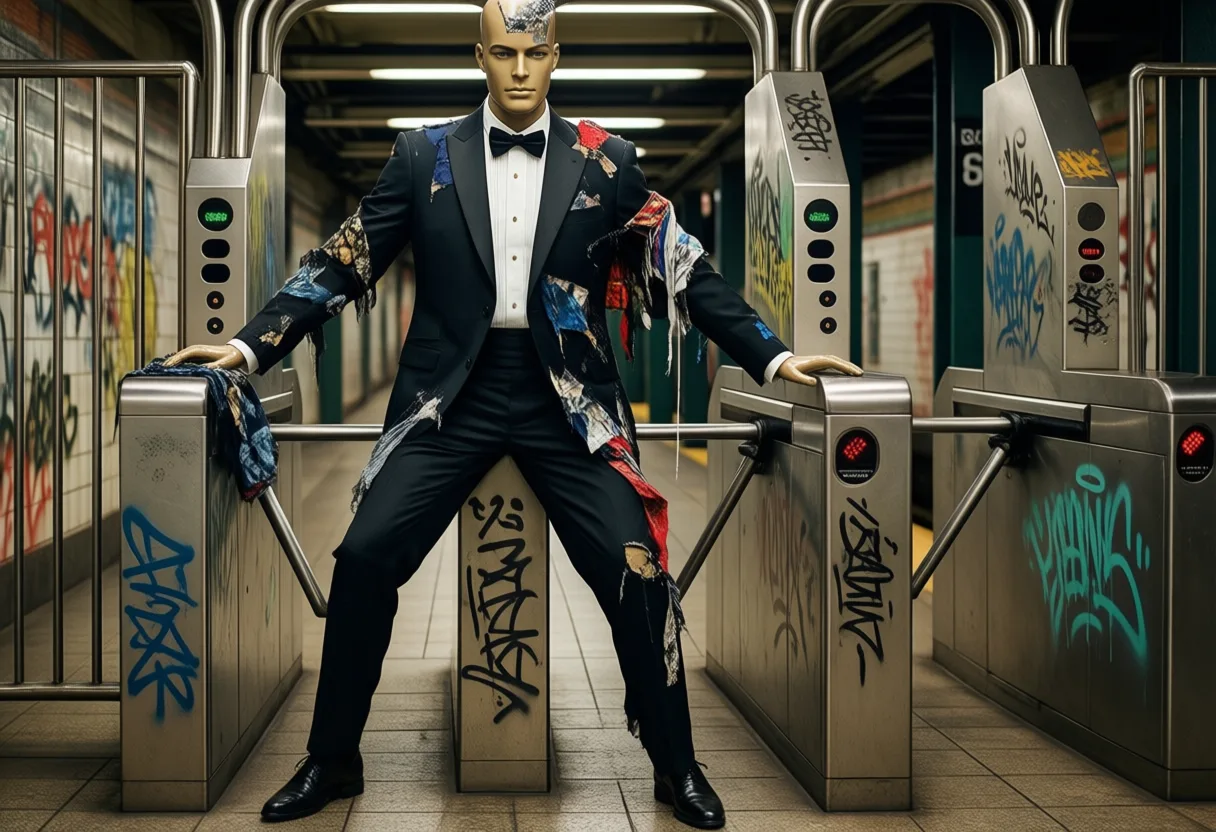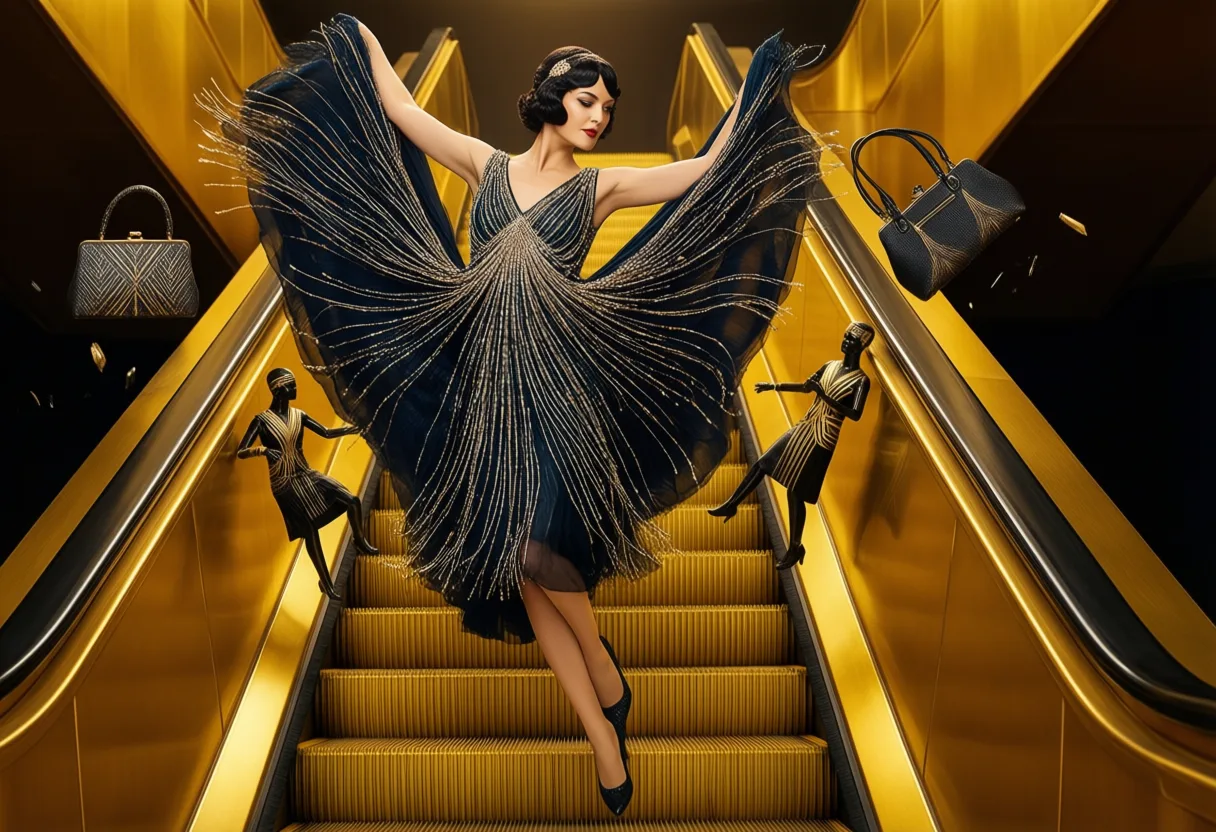

Silhouettes whisper secrets of their era-bustles murmuring restraint, leather jackets roaring rebellion, and hoodies draping themselves like modern armor over shoulders that refuse to conform. What we wear is never just fabric; it is memory stitched into motion, a living archive of who we were and who we dare to become.
From the corseted elegance of gaslit ballrooms to the unapologetic slouch of Streetwear’s global Reign, fashion has always been both mirror and maverick-reflecting society while simultaneously defying it. Today’s runways echo with ghosts: crinolines rustle beneath deconstructed denim, and the ghost of Yves Saint Laurent winks at Supreme box logos, reminding us that Nothing ever truly dies in fashion-it only waits for its moment to rise again.
The Corseted Dawn: Victorian Foundations and Their Lingering Shadow
In the 19th century, fashion was architecture built upon the body-a rigid framework where every seam served as a social semaphore. Women moved through drawing rooms like caged songbirds, their waists cinched by whalebone and expectation, dresses blooming outward in symphonies of silk and mourning crepe, each fold calibrated to signal status, virtue, or grief. It wasn’t clothing so much as performance, a daily ritual of containment that turned the female form into a vessel of propriety rather than power.
Yet within this suffocating precision lay the seeds of future revolt. The very act of constriction bred resistance-Early feminists Like Amelia Bloomer dared to swap petticoats for trousers, scandalizing the establishment with what would later be seen as radical practicality. Even Queen Victoria, whose name became synonymous with repression, inadvertently fueled change: her love of white wedding gowns democratized romance, turning marriage from transaction to tableau, a trend still echoed in today’s bridal extravaganzas.
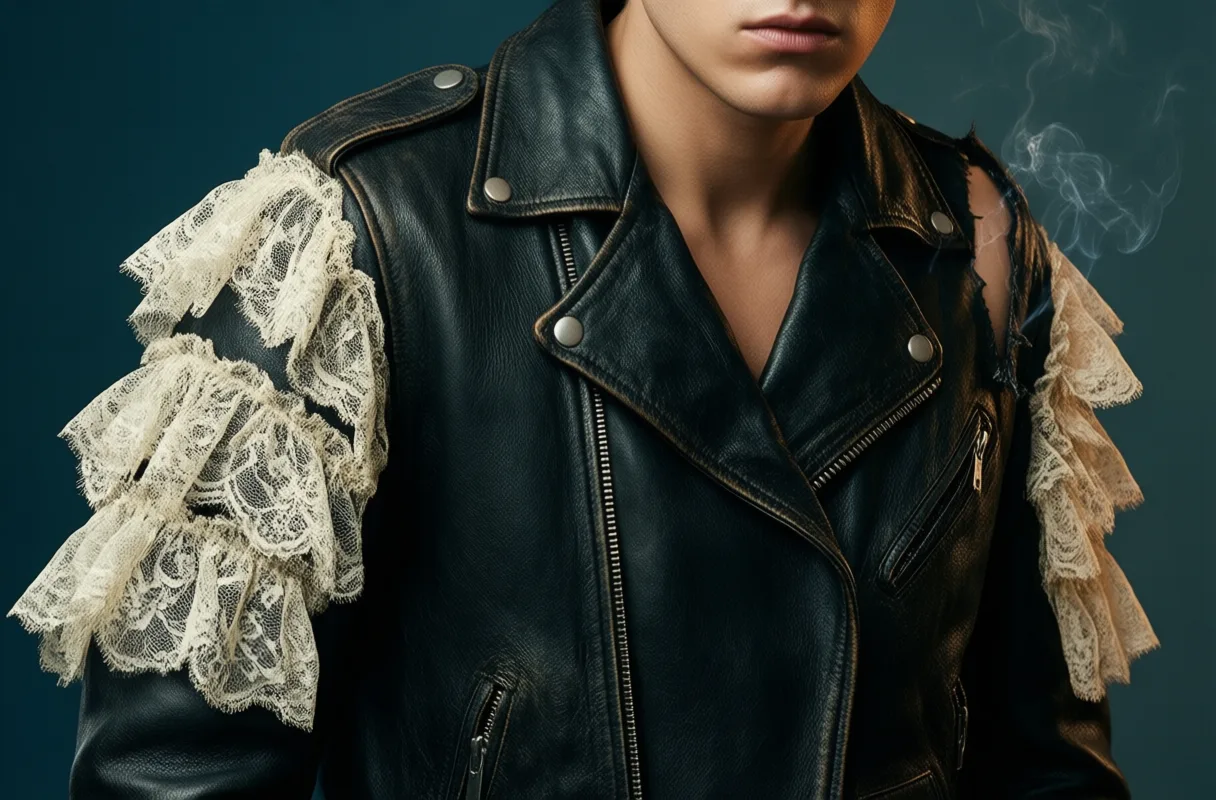
Now, more than a century later, elements of Victorian drama return not as submission but subversion. Designers rework high necks and lace sleeves not to conceal but to command, pairing them with combat boots or sheer panels that reclaim modesty as choice rather than mandate. You can trace this lineage in how contemporary stars play with historical references-take Odessa A’zion, whose red carpet turns balance romantic detailing with fierce individuality, proving that Elegance need not mean erasure, a journey explored further in her evolving style Celebrity Style Odessa A'zion Red Carpet Fashion Evolution.
Rebellion in Stitches: The 20th Century's Fashion Revolutions
As the world shattered and rebuilt itself through wars and upheavals, so too did its silhouettes fracture and reform. The 1920s flung Open the doors of liberation with dropped waists and bobbed hair, giving women the gift of movement-and visibility-in ways previously denied. Coco Chanel didn’t just design clothes; she designed freedom, trading corsets for fluid jersey knits that draped like second skins, soft armor for a new kind of warrior.
Mid-century brought its own contradictions: Dior’s New Look resurrected full skirts and nipped waists in postwar Paris, a nostalgic dream of femininity even as factories emptied of women who had tasted independence. But by the 1960s, youth culture detonated tradition. Mary Quant snipped hemlines into miniskirts that scandalized conservatives, while mod styles pulsed with color and geometry, mirroring the energy of rock ‘n’ roll and civil rights marches. Each decade unfurled its manifesto in textiles-punk’s safety-pinned anarchy, disco’s sequined escapism, the minimalist severity of the ’90s that stripped fashion down to its bones.
These shifts weren’t merely aesthetic-they were ideological earthquakes. The punk movement spat on class hierarchy with ripped fishnets and tartan, while hip-hop artists in the Bronx rewrote luxury from the ground up, turning sportswear into symbols of pride and survival. This legacy thrives today, not as nostalgia but as evolution, proof that yesterday’s outrages often become tomorrow’s classics-especially when they’re rooted in truth.
The Digital Runway: How Technology Reshaped What We Wear
When the internet dissolved borders, fashion lost its gatekeepers. No longer confined to glossy editorials or exclusive catwalks, trends now ignite in bedrooms, bloom on TikTok, and go global overnight. A single viral video can catapult a thrifted look into high demand, making consumers both audience and author of the fashion narrative. Fast fashion accelerated this cycle, though at a cost-landfills swell with discarded micro-trends, prompting a growing counter-movement toward sustainability and slow style.
Social media didn’t just democratize access-it transformed identity into collage. Gen Z curates wardrobes like playlists, mixing vintage band tees with haute couture, embracing irony, humor, and hybridity. Logos are no longer badges of aspiration but punchlines, worn with knowing winks. In this landscape, personal branding is inseparable from sartorial choice, and authenticity has become the rarest luxury of all.
Technology also revived forgotten aesthetics at lightning speed. Outfits once buried in attics-think cargo pants, butterfly clips, low-rise jeans-are exhumed and reimagined through a digital lens. The early 2000s, once mocked for their excess, now shimmer with ironic reverence, their bedazzled ghosts dancing across Instagram feeds. For those mesmerized by this resurrection of retro flair, the cyclical nature of taste reveals itself clearly in the resurgence of Y2K vibes 2000S Fashion: Y2K Trends Resurfaced.
Decade by Decade: The Signature Styles That Shaped Our Silhouettes
Each ten-year stretch since the millennium has left an indelible mark, less a linear progression than a layered palimpsest of cultural mood. The 2000s dazzled with logomania and velour tracksuits, a celebration of conspicuous consumption set to the beat of pop princess anthems. Then came the 2010s-a paradox of minimalism and maximalism coexisting, where normcore met influencer glam, and athleisure blurred the lines between gym, office, and gala.
Denim evolved like a chameleon: from bootcut to skinny, then wide-leg, each shift reflecting broader attitudes toward comfort and control. Athleisure wasn’t just a trend; it was a lifestyle coup, as yoga pants infiltrated boardrooms and sneakers walked red carpets. The decade crowned the rise of the “it girl”-a blend of model, entrepreneur, and muse-who dictated tastes not through magazines alone, but through curated feeds and sponsored posts.
This era also saw streetwear ascend to haute status, with brands born in skate shops commanding five-figure resale prices. Hoodies became heirlooms, sneakers sacred relics. The democratization of cool meant that influence could come from anywhere-from Seoul to Brooklyn to Lagos-reshaping global fashion hierarchies. To understand how these moments crystallized into movements, one need only revisit the defining looks of the last decade Fashion Trends Of The 2010S That Defined A Decade.
Full Circle: When Old Becomes New Again
Fashion does not move forward so much as spiral-returning to touch familiar points with fresh hands. The past isn’t dead; it’s dormant, waiting for the right cultural temperature to bloom anew. Flared trousers from the ’70s reappear paired with crop tops, midi skirts from the ’50s strut down city streets under leather jackets, and pearl headbands-once reserved for debutantes-now crown festival-goers dusted in glitter.
This revival isn’t mere mimicry. Today’s reinterpretations carry awareness, a conscious dialogue between eras. Vintage is no longer costume; it’s context. Consumers increasingly seek pieces with history, drawn to the uniqueness and sustainability of pre-loved garments. Thrifting has become both ethical stance and aesthetic statement, a rejection of mass production in favor of singular expression.
Even mainstream designers mine archives not for replication but reinvention-draping bias cuts with futuristic fabrics or reconstructing Victorian bodices with gender-neutral intent. These echoes remind us that style is cumulative, a conversation across time. And if you’ve ever wondered which relics of yesteryear are staging quiet comebacks, look no further than the quiet revolution of retro rebirth Fashion Trends Old Styles Making A Modern Comeback, or explore broader revivals shaping today’s wardrobes Fashion Trends Past That Are Making A Modern Comeback.
Conclusion: The Thread That Binds Us All
Clothes are more than cloth and thread-they are chronicles written on skin, diaries without words. From the stifling grandeur of Victorian salons to the boundless self-expression of modern streetwear, fashion remains humanity’s most intimate art form. It adapts, rebels, remembers, and reimagines, refusing to stay buried.
We wear our histories proudly, whether in the drape of a coat or the cut of a collar. And as long as people dream, resist, and desire connection, fashion will continue its endless metamorphosis-forever looking back, forever moving forward.
| Era | Key Garments | Cultural Influence |
|---|---|---|
| Victorian | Corsets, crinolines, bustles | Social status and gender norms |
| 1920s | Flapper dresses, bobbed hair | Women's liberation and movement |
| 1960s-70s | Miniskirts, mod styles | Youth culture and civil rights |
| 1980s-90s | Baggy jeans, sportswear | Hip-hop and street expression |
| 2000s | Velour tracksuits, logomania | Conspicuous consumption |
| 2010s | Athleisure, normcore | Blurred lines between comfort and glamour |
| Today | Hoodies, sneakers, vintage | Digital influence and sustainable choices |
Stitching the Style Timeline
Corsets and Crinolines to Catwalks
Back in the Victorian era, fashion was all about structure-women’s silhouettes relied heavily on crinolines and bustles to achieve that wide, bell-shaped skirt look, while tightly laced corsets cinched waists to sometimes extreme proportions. These garments weren’t just about beauty-they signaled social status and adherence to strict gender norms. Fast-forward to the 1920s, and everything flipped: flapper dresses with dropped waists and shorter hemlines let women move freely, mirroring their growing independence after gaining voting rights in several countries.
From Rebellion to Runway
Post-war decades brought radical shifts-punk in the 1970s turned fashion into protest, with ripped clothing, safety pins, and bold graphics challenging tradition. Designers like Vivienne Westwood didn’t just dress people; they made statements. Then came hip-hop’s influence in the 1980s and 90s, where baggy jeans, oversized jackets, and athletic wear moved from city streets to high fashion, proving style could bubble up from communities, not just trickle down from couture houses.
Streetwear’s Global Takeover
Today’s streetwear blends comfort, identity, and culture like never before. Hoodies, sneakers, and graphic tees-once dismissed as lazy dressing-are now staples in wardrobes worldwide, even gracing luxury runways. Limited drops and collaborations create hype usually reserved for concert tickets, showing how fashion now thrives on community and exclusivity. What started as subcultural expression has become a dominant force, proving style is always evolving, always borrowing, and always human. Explore more stories, videos, and creators on Loaded.
Frequently Asked Questions
How did Victorian fashion reflect social norms?
Victorian fashion used rigid structures like corsets and crinolines to shape women's bodies, signaling social status and adherence to strict gender roles. The style emphasized propriety and containment over personal freedom.
What role did Coco Chanel play in 20th-century fashion?
Coco Chanel designed freedom through clothing, replacing restrictive corsets with fluid jersey knits. Her designs gave women movement and visibility, offering a new kind of soft armor for modern life.
How has streetwear evolved from subculture to mainstream?
Streetwear emerged from subcultures like punk and hip-hop, using hoodies, sneakers, and graphic tees as symbols of identity. It later moved from city streets to luxury runways, becoming a global force in fashion.
How does technology influence modern fashion trends?
The internet and social media have democratized fashion, allowing trends to emerge from bedrooms and go viral on platforms like TikTok. Consumers now help shape fashion narratives, blending vintage and haute styles in personal, ironic ways.
This article was produced with AI assistance. How Paradox Magazine uses AI.
Maeve explores avant-garde fashion through the lens of cultural evolution, blending runway analysis with street-level trends. She investigates how identity and innovation collide in fabric, silhouette, and statement, making high fashion accessible without diluting its daring.