The silhouette of time is stitched not in clocks but in cloth, in the drape of a bias cut, the swagger of a shoulder pad, the rebellious curl of a rolled cuff-each era whispering its soul through the language of dress. From the flapper’s defiant shimmy to the TikTok generation’s curated chaos of vintage and viral, fashion has never merely followed Culture; it has led it, strutting ahead in stilettos, sneakers, or barefoot on the runway of history.
The Roaring Twenties: Liberation in Linen and Lace
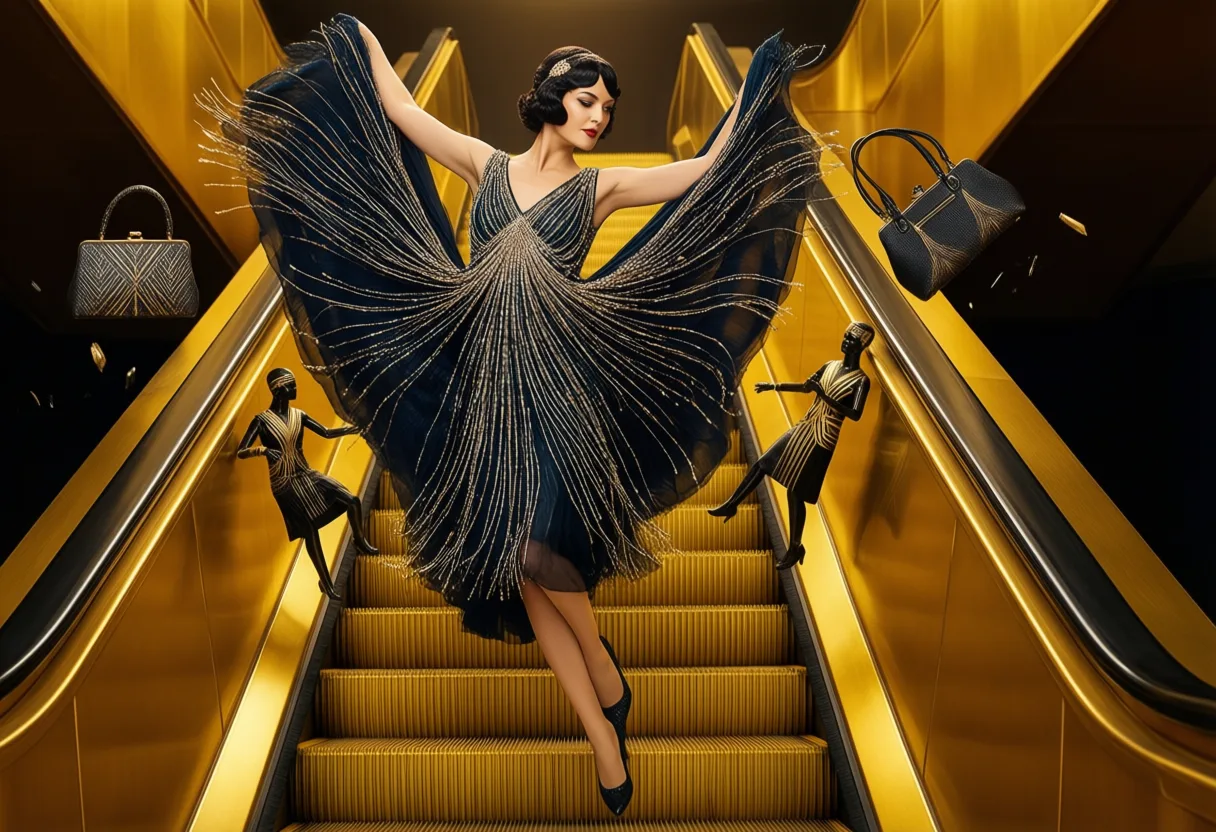
The 1920s unfurled like a bolt of silk torn from the loom of Victorian restraint, a decade where hemlines rose as boldly as women’s voices in the voting booth. The flapper became the avatar of modernity, her silhouette boyish and free, her dresses adorned with beads that caught the light like scattered stars at a midnight speakeasy. Cloche hats clung to bobbed hair like polished helmets of rebellion, while fringe swayed with every Charleston step-a kinetic rebellion against the stiff corsets and somber tones of the war years.
Luxury was no longer whispered behind velvet drapes; it danced in public, in the gleam of Art Deco motifs embroidered onto evening gowns and the sleek geometry of tailored coats. Coco Chanel, that priestess of simplicity, offered women the gospel of comfort-jersey knits, little black dresses, and pearls worn not for state dinners but with cigarette holders and laughter. It was a Fashion revolution Draped in elegance, where Less fabric meant more freedom, and every outfit was a manifesto stitched in sequins.
This era taught us that style is not just adornment-it is identity in motion. And though nearly a century has passed, the spirit of the 1920s still flickers in today’s love for dropped waists, fringe details, and the enduring allure of the little black dress, a testament to how the past never truly leaves-it simply waits in the wings for its encore.
The Thirties and Forties: Elegance Forged in Adversity
If the twenties were a champagne bubble, the thirties were a slow pour of rich, dark coffee-sophisticated, grounded, and deeply felt. The Great Depression tightened belts literally and metaphorically, yet fashion responded not with drabness but with a refined glamour that made every thread count. Bias-cut gowns slithered over the body like liquid silver, a hypnotic contrast to the austerity outside the dressing room door, while Hollywood stars like Greta Garbo and Jean Harlow became style oracles, their off-screen elegance devoured in black-and-white fan magazines.
During World War II, fabric rationing reshaped the silhouette once more-Shorter skirts, padded shoulders, and boxy jackets Became both patriotic duty and sartorial statement. Utility dressing was born not from trend but necessity, yet designers like Claire McCardell in America began to champion wearable chic: separates, Denim, and wrap dresses that honored both function and femininity. Women traded silk for rayon, heels for wedges, but never surrendered their sense of self in the mirror.
Even in constraint, beauty found a way-makeup became bolder, lips painted crimson as an act of defiance, and victory rolls in the hair suggested triumph even in defeat. These decades remind us that fashion does not demand abundance to flourish; sometimes, it blooms most vividly in the cracks of hardship, a rose growing through concrete in perfect, unapologetic bloom.
The Fabulous Fifties: The Hourglass Ideal
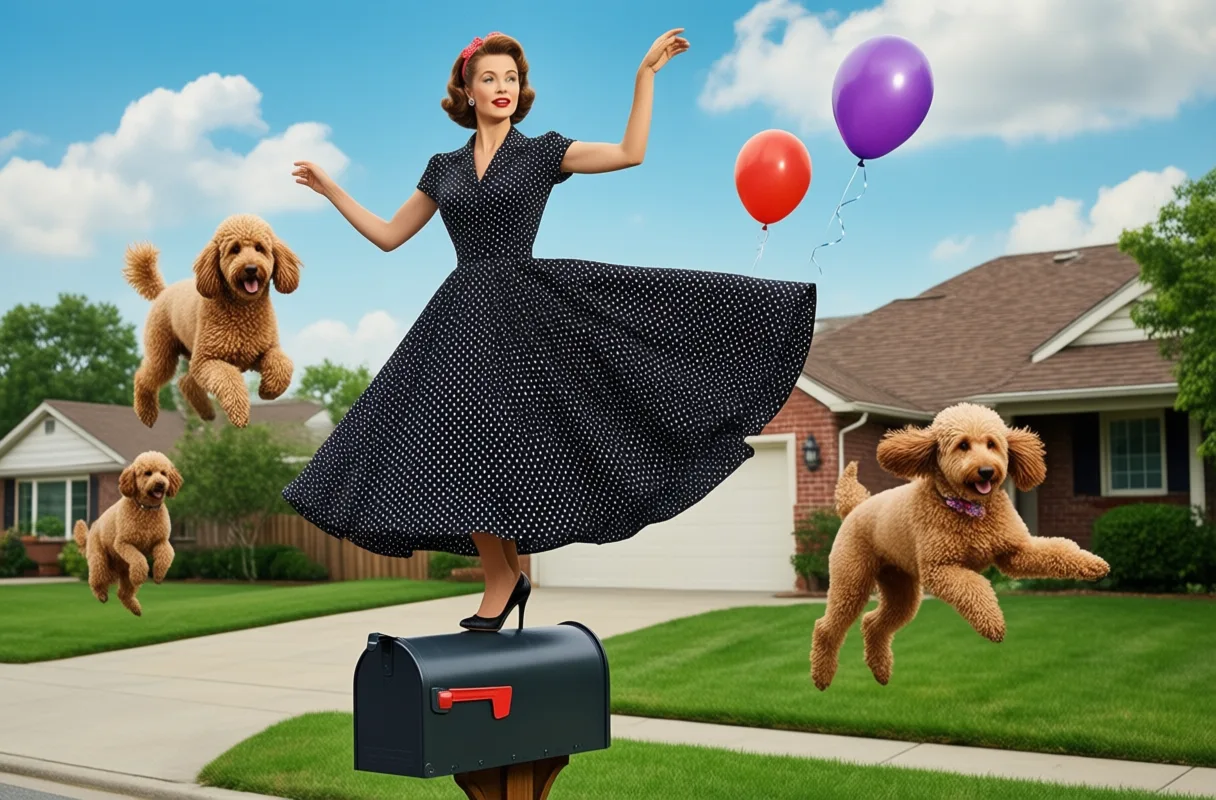
When the war ended, so did the boxy restraint-out surged the cinched waists, full skirts, and unapologetic glamour of the 1950s, a decade that worshipped the female form like a sacred sculpture. Christian Dior’s “New Look” exploded onto the scene like a firework of tulle and tailoring, with nipped-in waists and skirts that bloomed like peonies from the hips, a deliberate return to opulence after years of scarcity.
The housewife became a style icon, her uniform a rotating cast of shirtwaist dresses, cat-eye sunglasses, and gloves worn not as accessory but armor of propriety. Teenagers, however, began to murmur their own fashion language-poodle skirts swirled at sock hops, while rebellious hearts pulsed beneath leather jackets worn by greasers who idolized James Dean and Marlon Brando. In this tension between conformity and cool, the seeds of youth culture were sown.
Luxury was no longer just for the elite; department stores brought couture-inspired looks to Main Street, and synthetic fabrics like nylon made fashion more accessible. The 1950s taught us that femininity could be both polished and powerful, a carefully constructed performance that still resonates today in the revival of fit-and-flare silhouettes and the eternal allure of the red lip.
The Swinging Sixties: Youthquake and the Birth of Modern Cool
The 1960s didn’t just change fashion-they detonated it. With the youthquake in full swing, London became the epicenter of a sartorial revolution where mini skirts, go-go boots, and psychedelic prints declared that the future was bright, bold, and barely there. Mary Quant, that minx of mod, sliced hemlines above the knee and handed teenage girls the scissors to their own liberation, while André Courrèges pushed further into space-age territory with white boots and metallic fabrics that looked like they’d just landed from Mars.
Youth culture became the new tastemaker, no longer waiting for Paris to approve. Carnaby Street buzzed with peacock men in ruffled shirts and velvet blazers, while Twiggy’s doe-eyed, androgynous look made thin the new voluptuous. In America, the civil rights and feminist movements found expression in fashion too-Afros crowned with headwraps became political statements, and the shift dress became the uniform of the working woman on the rise.
This was the decade when fashion stopped being a mirror and became a megaphone. It embraced pop art, rejected tradition, and celebrated individuality in a kaleidoscope of color and texture. The legacy of the sixties lives on in every micro-mini, every bold geometric print, and every designer who dares to say: The future is now.
The Seventies: Bohemian Rhapsody and Disco Inferno
The 1970s refused to be pinned down-much like a flowing maxi dress caught in a summer breeze, it drifted between the earthy and the electric, the rural commune and the mirrored disco ball. On one side: peasant blouses, flared jeans, and fringe vests that whispered of Woodstock, tie-dye, and a return to nature. On the other: Studio 54 blazed with sequins, plunging necklines, and platform shoes so high they seemed to touch the stars.
Bell-bottoms Ruled the street, whether paired with a tucked-in band tee or a silk blouse fresh from Halston’s minimalist atelier, where ease and elegance danced together in perfect harmony. Meanwhile, Yves Saint Laurent sent tuxedos down the runway for women-the Le Smoking Suit-a radical act that redefined power dressing and gave women permission to wear the pants, literally and figuratively.
Global influences seeped into wardrobes like spices into a stew: kaftans from Morocco, kimonos from Japan, and embroidered jackets from India turned fashion into a passport. The seventies taught us that style could be both soulful and sensational, that you could wear flowers in your hair and still command a boardroom. Today’s love for wide-leg trousers, boho layers, and gender-fluid tailoring owes a deep debt to this gloriously messy, magnificently free decade.
The Excess of the Eighties: Power, Puff, and Punk
The 1980s arrived like a synth-pop anthem-loud, proud, and unapologetically excessive. Shoulder pads inflated not just blazers but egos, turning women into corporate warriors who strode through boardrooms like goddesses of finance. Power dressing was armor, and a sharp pantsuit in bold red or electric blue was the uniform of a generation rewriting the rules of ambition.
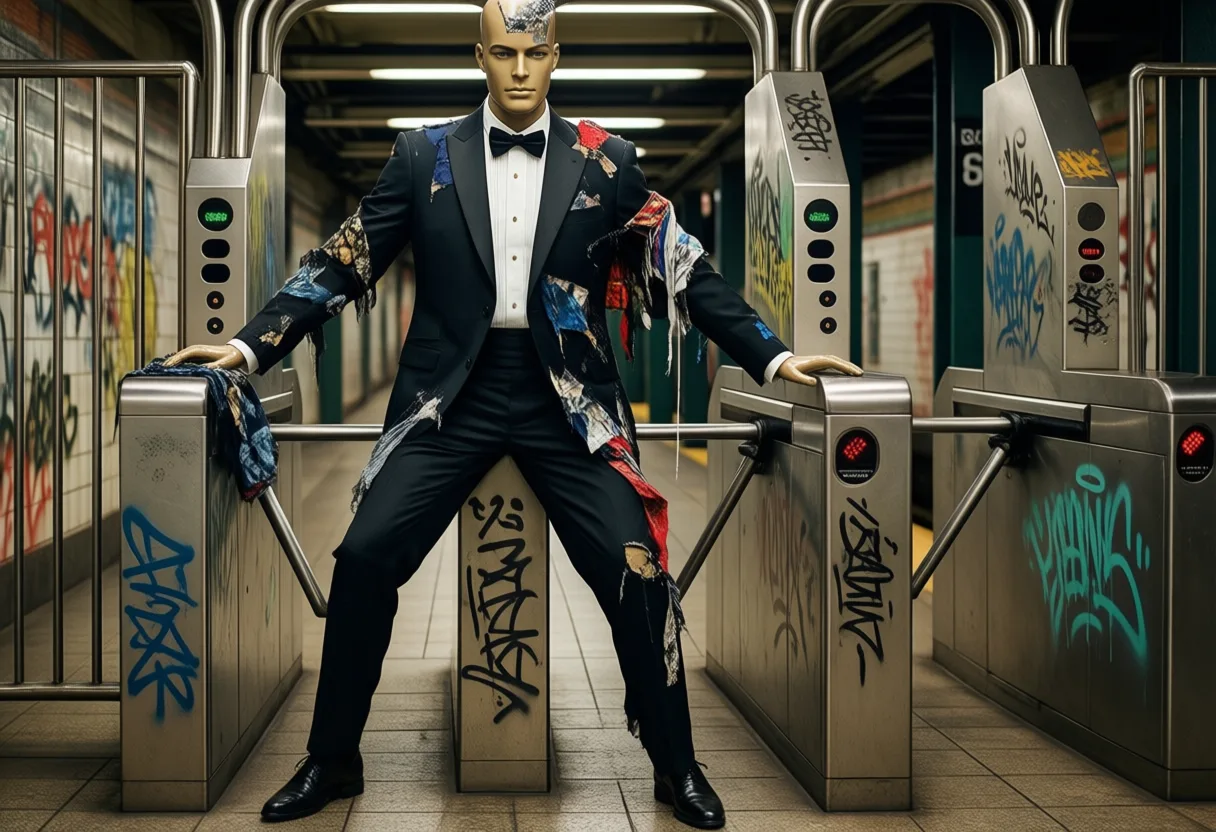
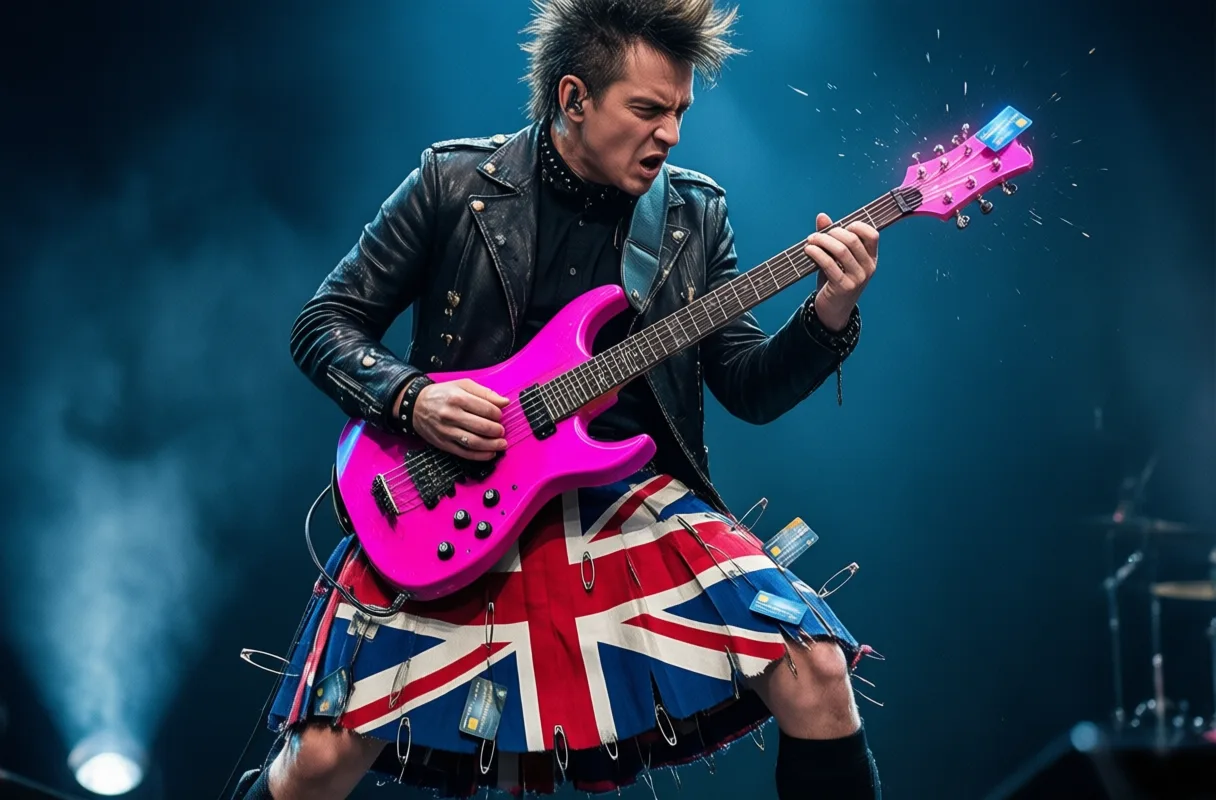
Yet beneath the gloss of MTV and Wall Street, a counter-current pulsed-punk’s DIY spirit lived on in ripped fishnets, safety pins, and leather jackets daubed with anarchist slogans. Designers like Vivienne Westwood and Jean-Paul Gaultier turned rebellion into runway art, while Madonna weaponized lingerie, lace gloves, and crucifixes into a pop manifesto that blurred sacred and profane.
And then there were the colors-neon pink, electric green, hot orange-screaming from tracksuits, leg warmers, and Members Only jackets. It was a decade of more: more volume, more logos, more drama. While some cringe at the memory of acid-wash denim, the eighties gave us the boldness to wear our personalities on our sleeves-literally. Today’s embrace of logomania, statement shoulders, and unapologetic glamour owes much to this era of audacity.
The Nineties: Grunge, Minimalism, and the Birth of Street Cool
After the excess, the correction: the 1990s Arrived in a whisper of flannel, a slouch of denim, and a shrug of indifference that was anything but accidental. Grunge erupted from Seattle like a thunderclap, with Nirvana and Pearl Jam trading spandex for ripped jeans, thermal shirts, and combat boots. Marc Jacobs’ infamous Perry Ellis collection-though canceled-became a cultural landmark, proving that fashion could find beauty in the undone, the dirty, the deliberately unglamorous.
But parallel to this anti-fashion was a sleek, silent revolution: minimalism. Calvin Klein, Jil Sander, and Helmut Lang championed clean lines, neutral tones, and the quiet confidence of a perfectly cut black coat. Supermodels like Kate Moss, Christy Turlington, and Naomi Campbell floated down runways like goddesses of restraint, their power in their poise, not their padding.
Streetwear began its slow ascent, with brands like FUBU, Tommy Hilfiger, and early Nike collaborations turning urban style into global currency. The decade birthed the “heroin chic” look-pale, thin, and hauntingly beautiful-but also laid the foundation for today’s obsession with authenticity and comfort. The nineties taught us that sometimes, the most powerful statement is saying nothing at all-just showing up in a vintage band tee and well-worn jeans.
The 2000s: Logomania, Low-Rise, and the Digital Dawn
The 2000s burst onto the scene like a pop-up ad-flashy, fast, and impossible to ignore. Low-rise jeans plunged so far south they nearly disappeared, paired with crop tops, bedazzled belts, and trucker hats worn with a wink of irony. Logos were currency, and brands like Juicy Couture, Ed Hardy, and Louis Vuitton turned handbags and tracksuits into status symbols you could spot from a helicopter.
Reality TV and celebrity culture exploded, turning Paris Hilton, Britney Spears, and Lindsay Lohan into accidental fashion dictators. The red carpet became a battleground of one-upmanship, where feather boas, fur stoles, and bedazzled denim reigned supreme. At the same time, the internet began to democratize style-early fashion blogs and chat rooms let anyone have a voice, a preview of the influencer age to come.
Y2K aesthetics-think metallics, butterfly clips, and cargo pants-were once dismissed as relics of poor taste, but have since been reborn with a nostalgic glow, proving that even the most ridiculed trends can find redemption. Explore how these once-mocked styles are now being reimagined in fresh, modern ways in our deep dive into 2000S Fashion: Y2K Trends Resurfaced, where irony meets innovation on the runway of revival.
The 2010s: The Age of the Algorithm and the Return of the Runway
The 2010s were less a decade of singular style than a kaleidoscope of micro-movements, accelerated by Instagram, fast fashion, and the relentless churn of viral trends. One week it was normcore-dad sneakers, beige tees, and a studied lack of effort; the next, it was maximalism, with Gucci’s eclectic prints and Balenciaga’s oversized silhouettes dominating feeds. The runway and the sidewalk collapsed into one, with street style photographers becoming as influential as editors.
Sustainability entered the conversation in earnest, as consumers began to question the cost of cheap clothes and the environmental toll of throwaway fashion. Vintage shopping surged, not just for nostalgia but for ethics, and thrift stores became treasure troves for the style-savvy. Designers responded with capsule collections, rental services, and upcycled materials, though the industry still grapples with its footprint.
This was the decade when fashion became personal, curated, and constantly changing-a mood board of influences from every era. From athleisure to gender-neutral collections, the 2010s dismantled old rules and left us with something messy, exciting, and full of possibility. For a full retrospective on the styles that defined the decade, from rose-tinted sunglasses to the resurgence of 90s minimalism, don’t miss Fashion Trends Of The 2010S That Defined A Decade.
The 2020s: Nostalgia, Fluidity, and the Future of Fashion
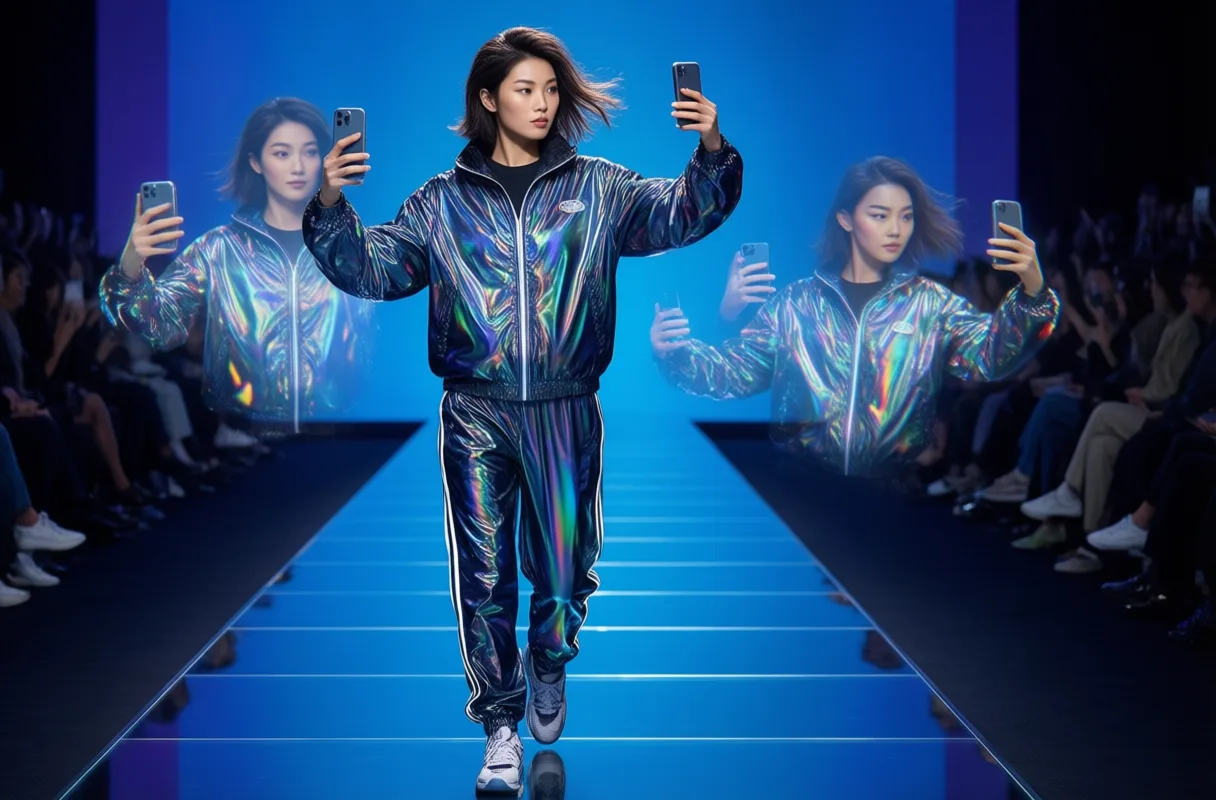
Today’s fashion landscape is a time traveler’s dream-a patchwork quilt of decades stitched together with irony, reverence, and a dash of chaos. Ballet flats and corset tops from the early 2000s strut down streets alongside 70s-inspired wide-leg trousers and 90s grunge plaids, proving that The past is always in fashion. This cyclical nature of style is more than mere repetition-it’s a dialogue between generations, a way of honoring what came before while making it new.
Gender fluidity has moved from the margins to the mainstream, with designers blurring lines and consumers embracing androgyny, non-binary dressing, and self-expression without labels. Streetwear continues to dominate, not just in sneakers and hoodies but in high fashion collaborations that elevate the everyday into the extraordinary. Explore the latest evolutions in urban style and how streetwear is shaping luxury in Fashion Trends Shaping Streetwear This Season.
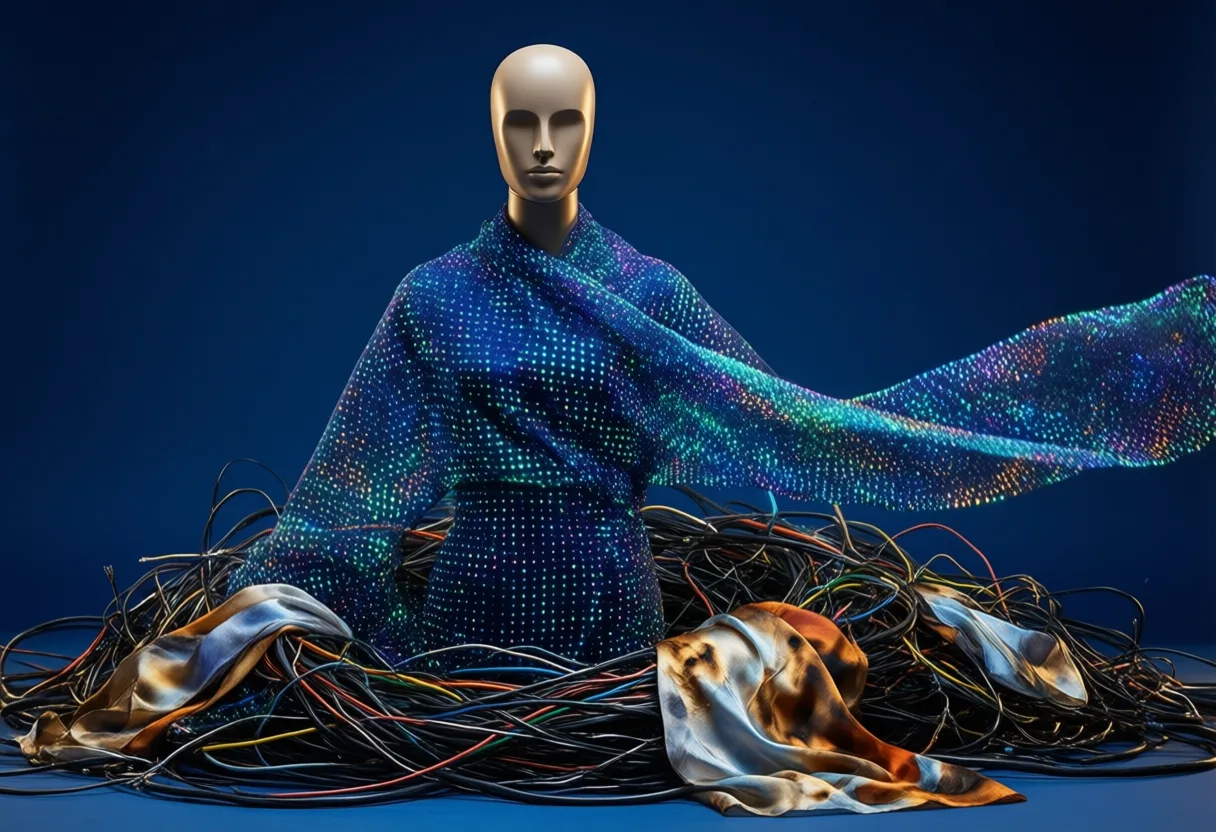
Sustainability is no longer a niche concern but a necessity, with consumers demanding transparency and brands responding with circular fashion models and eco-conscious materials. And as AI and digital fashion begin to emerge, the question isn’t just what we’ll wear-but how we’ll define identity in a world where clothes can exist only in pixels. The future of fashion isn’t linear; it’s layered, complex, and beautifully unresolved.
The Timeless Thread: Why the Past Never Leaves
Fashion is not a straight line but a spiral, each turn bringing us back to where we’ve been-but higher, wiser, and dressed better. The styles of the past never truly die; they hibernate, waiting for the right moment to reawaken in a new context, a fresh silhouette, a different cultural mood. Whether it’s the return of 90s minimalism or the renaissance of 70s boho, Nostalgia is the most enduring trend of all.
Designers are not just creators but curators, sifting through history’s closet to find the pieces that speak to now. And consumers, more informed and intentional than ever, are choosing not just what to wear but what to believe in-quality over quantity, meaning over mass production, individuality over imitation.
For those enchanted by the comeback kids of fashion-the pleated midi skirt, the chunky loafer, the vintage denim jacket-our feature on Fashion Trends Past That Are Making A Modern Comeback offers a stylish tour of yesterday’s hits turned today’s must-haves. And for a deeper look at how old styles are being reimagined with modern flair, explore Fashion Trends Old Styles Making A Modern Comeback, where heritage meets hustle.
Final Stitch: Fashion as Memory, Movement, and Magic
To wear is to remember, to rebel, to reimagine. Every hemline, every fabric choice, every daring color is a sentence in the ongoing story of who we are and who we hope to become. The decades may change, but the desire to express-to stand out, to blend in, to belong or to break free-remains constant.
We don’t just follow fashion. We live it, breathe it, argue with it, fall in love with it. And as we move forward, draped in the echoes of the past and the dreams of the future, one truth remains: style is not about the clothes. It’s about the person inside them-walking, strutting, dancing through time, one unforgettable outfit at a time.
Style Through the Ages: A Decade-by-Decade Journey
The Roaring Twenties to Swinging Sixties
Flapper dresses with their fringes and dropped waists weren’t just fashion statements-they were rebellions stitched in silk, as women embraced shorter hemlines and looser silhouettes after World War I. By the 1930s, Hollywood glamour took center stage, with bias-cut gowns that clung to the body, popularized by stars like Greta Garbo and Jean Harlow. During World War II, fabric rationing shaped 1940s style, leading to padded shoulders, shorter skirts, and practical yet polished looks-women even used makeup to mimic stockings when nylon was scarce. The 1950s brought a return to opulence: full skirts, cinched waists, and the rise of youth culture, with teens starting to influence fashion independently. Then came the 1960s, where mod styles, go-go boots, and psychedelic prints exploded, fueled by music and social change-miniskirts, once considered shocking, became symbols of liberation.
From Disco Balls to Digital Threads
The 1970s gave us bell-bottoms, platform shoes, and a fashion free-for-all-think bohemian maxi dresses one minute, glittery disco suits the next. Punk roared into the 1980s with ripped clothing, safety pins, and bold colors, while mainstream fashion leaned into excess: shoulder pads, leg warmers, and neon everything. The 1990s stripped it back with grunge-flannel shirts, ripped jeans, and combat boots worn by fans inspired by bands and a Meth Usage Trends And Risks That Every Parent Must Know Cultural shift that rejected 80s opulence. Minimalism ruled, from slip dresses to denim-on-denim looks, while hip-hop fashion introduced baggy clothes and bold logos into the mainstream. The 2000s cycled through trends at lightning speed-low-rise jeans, trucker hats, and velour tracksuits dominated before social media began shaping tastes. Today’s fashion blends nostalgia and innovation, with vintage styles constantly recycled and global influences shared instantly online, proving that what’s old can always feel new again. Explore more stories, videos, and creators on Loaded.
Frequently Asked Questions
What defined 1920s fashion?
The 1920s featured flapper dresses with dropped waists, shorter hemlines, and fringe details. Cloche hats, bobbed hair, and Art Deco motifs reflected a rebellion against Victorian restraint. Coco Chanel popularized simplicity with jersey knits and the little black dress.
How did World War II affect 1940s fashion?
Fabric rationing during WWII led to shorter skirts, padded shoulders, and boxy jackets. Utility dressing became common, with women using makeup to mimic stockings when nylon was scarce. Style remained polished despite material constraints.
What was the impact of youth culture on 1960s fashion?
Youth culture drove 1960s fashion, making London the epicenter of trends like miniskirts, go-go boots, and psychedelic prints. Teenagers rejected tradition, embracing mod styles and bold individuality influenced by music and social movements.
How has nostalgia influenced 2020s fashion?
The 2020s blend styles from past decades, including 70s wide-leg trousers, 90s grunge plaids, and 2000s corset tops. Nostalgia drives cyclical trends, with vintage pieces reinterpreted in modern contexts and valued for both style and sustainability.
This article was produced with AI assistance. How Paradox Magazine uses AI.
Maeve explores avant-garde fashion through the lens of cultural evolution, blending runway analysis with street-level trends. She investigates how identity and innovation collide in fabric, silhouette, and statement, making high fashion accessible without diluting its daring.