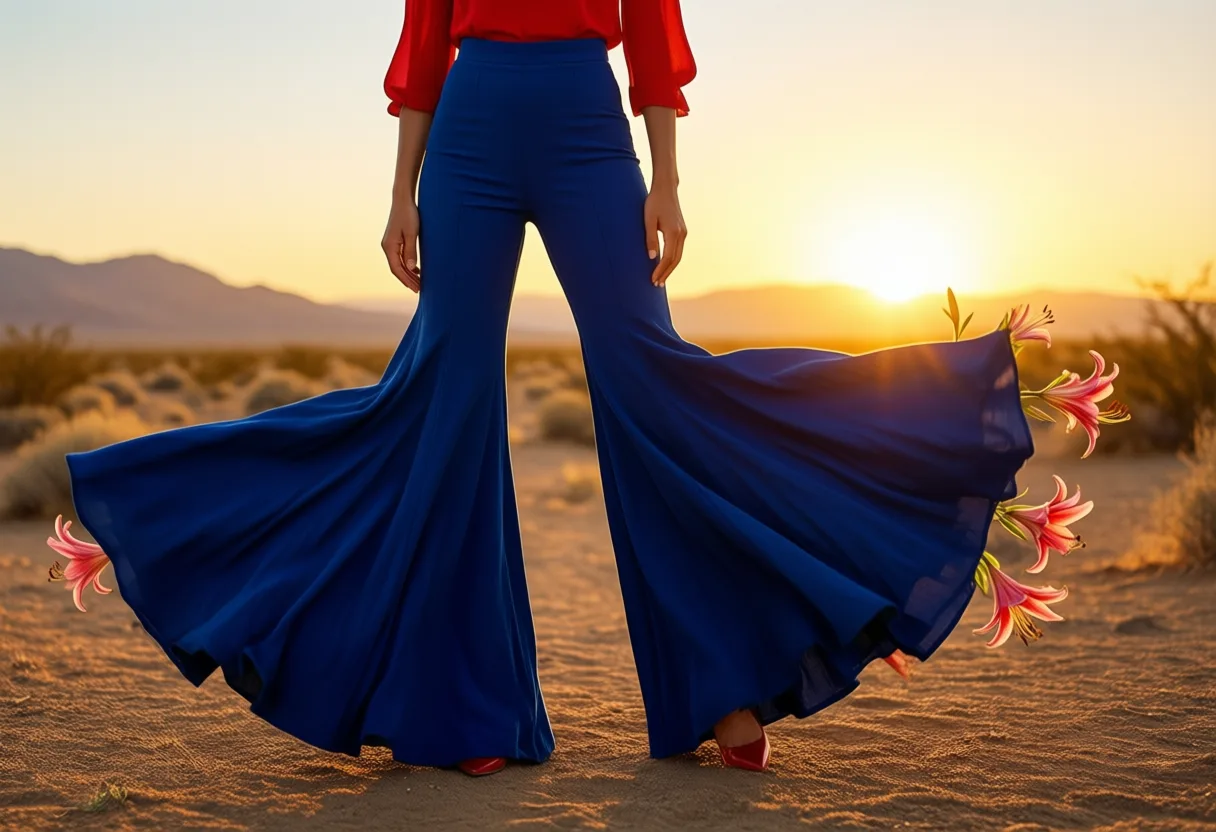
The 1970s unfurled like a bolt of raw-edged silk-unpredictable, sensual, and defiantly free. It was a decade that turned the sidewalk into a runway of self-expression, where the aftershocks of the Counterculture movement Rippled through every flared seam and fringed hem. No era before-or since-so boldly declared that fashion could be both rebellion and reverie, and at the heart of it all swayed the bell bottom and the bohemian soul.
The Rise of the Flare: Bell Bottoms Take Command
Bell bottoms didn’t invent the 70s, but they certainly dressed its revolution. Emerging from naval origins-practical flared trousers worn by sailors to roll up easily-they were adopted by youth culture and transformed into a symbol of liberation. Fitted at the hip and thigh, then dramatically widening from the knee down, these pants moved with a kind of liquid swagger, catching the breeze like sails on a ship bound for Personal freedom.
They were more than a silhouette-they were a statement. The flare challenged the rigid lines of the previous decade, rejecting the boxy mod suits and pencil skirts that had once dictated femininity and formality. Whether crafted from denim, corduroy, or psychedelic prints, bell bottoms draped the body in motion, amplifying every strut, spin, and dance-floor leap with theatrical flair.
Men and women alike embraced the look, blurring gendered fashion lines in a way that felt radical at the time. Paired with platform shoes, they added inches to the frame and drama to the stride, creating a vertical emphasis that mirrored the era’s skyward ambitions. From Concert lawns To city subways, the bell bottom became the uniform of those who believed clothing could be a form of protest, poetry, or both.
Bohemian Rhapsody: The Free-Spirited Aesthetic
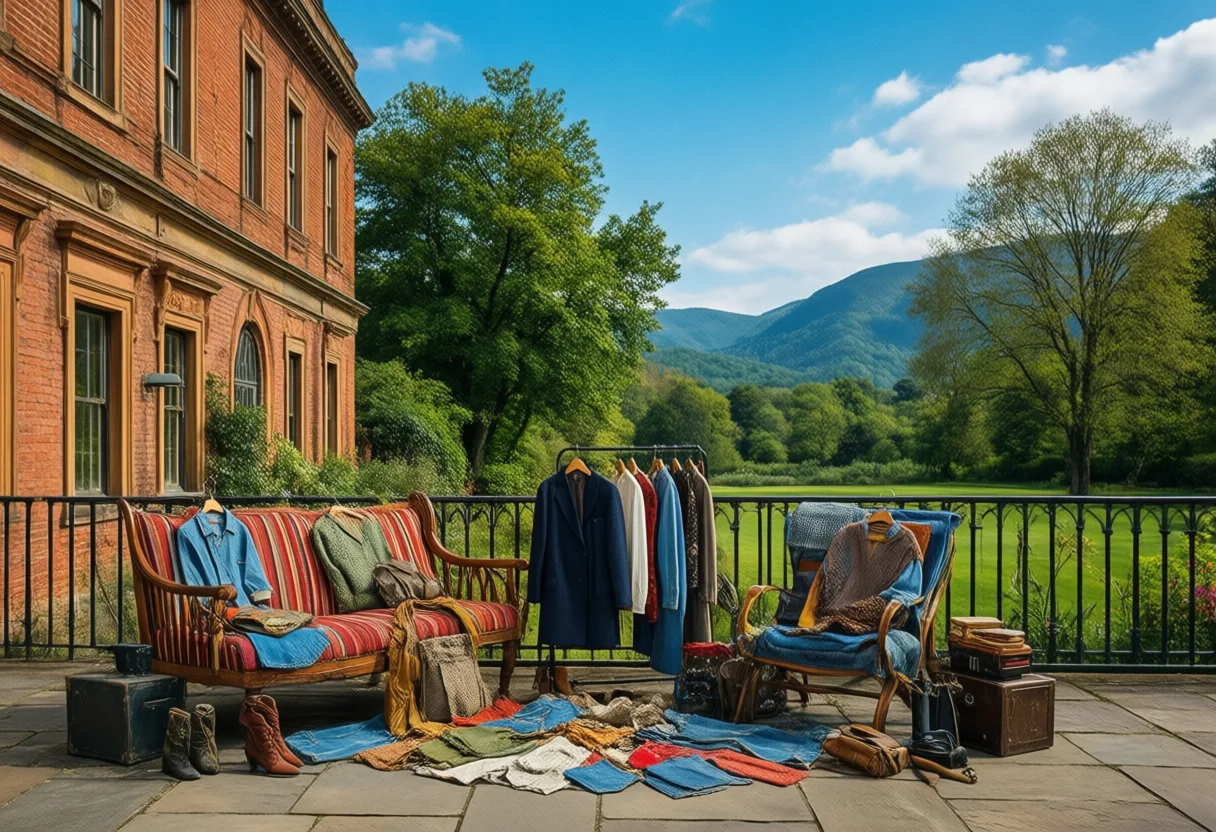
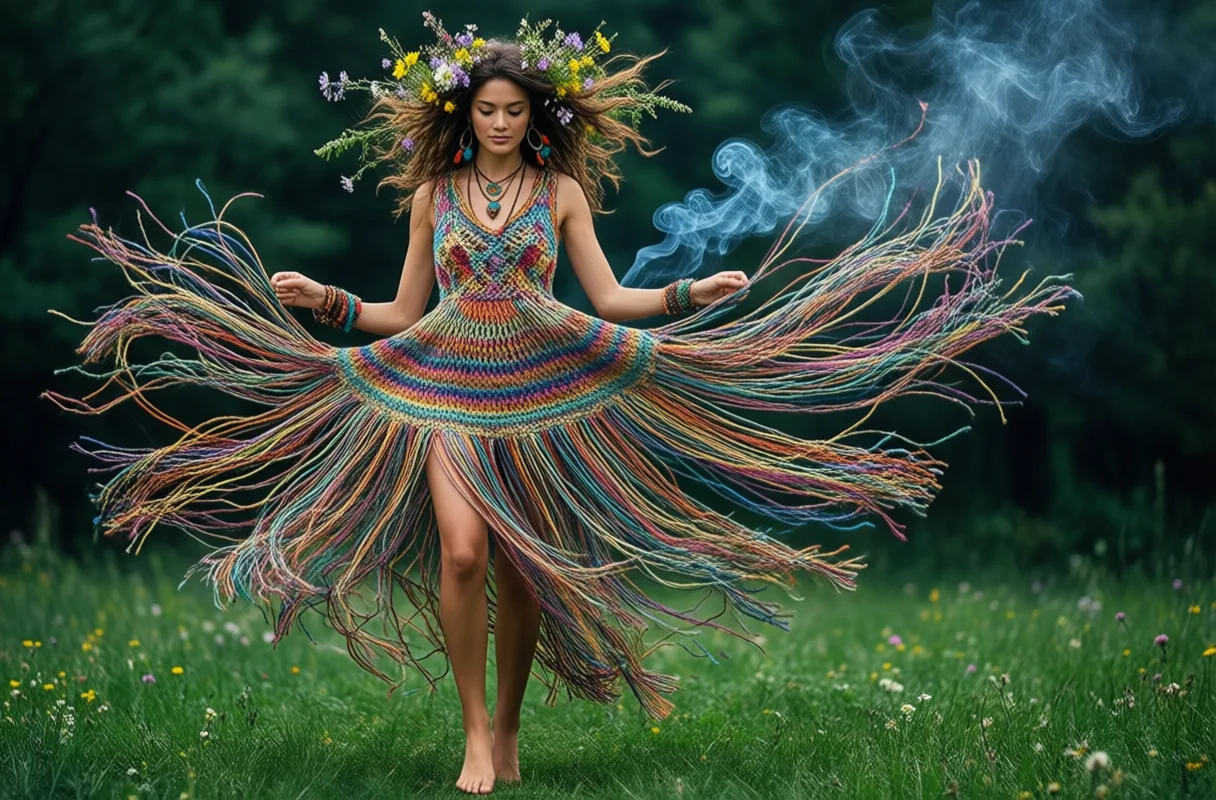
If bell bottoms were the legs of the decade, bohemian style was its beating, uncorseted heart. Rooted in a romantic ideal of artistic wandering and rural retreat, the boho look celebrated imperfection, asymmetry, and a sun-drenched palette of earth tones, faded florals, and hand-dyed hues. This was fashion as escape-a sartorial daydream of commune living, Folk festivals, and afternoons spent barefoot in fields.
Flowing maxi dresses, peasant blouses with embroidery at the collar, and crocheted vests Became staples, often layered without regard for conventional rules. The aesthetic favored natural fabrics-cotton, linen, wool-worn soft from use, as if each garment carried the memory of a thousand sunsets. Accessories were plentiful: leather sandals, headbands woven with feathers, and long necklaces strung with amber, turquoise, or talismans from faraway bazaars.
The bohemian spirit wasn’t about wealth or polish-it was about authenticity. It found beauty in the handmade, the slightly frayed, the garment that told a story. Influenced by global travels and a growing interest in Eastern philosophies, women draped themselves in kaftans, kimonos, and sarong-inspired skirts, blending cultures in a way that, while not always perfectly nuanced, reflected a genuine yearning for connection beyond borders.
Cultural Currents: Music, Media, and the Making of a Movement
Fashion Doesn’t exist in a vacuum, and the 70s were a decade where music, film, and social change poured directly into the wardrobe. Rock concerts became fashion runways: Janis Joplin in fringed jackets and oversized hats, Mick Jagger in satin knickers, and Joni Mitchell in flowing cotton dresses that seemed to ripple with every note. These icons didn’t just wear clothes-they lived in them, turning personal style into public art.
Television and cinema further cemented the era’s aesthetic. On-screen characters wore wide-leg trousers and peasant blouses not as costume, but as character-revealing a woman’s independence, a man’s sensitivity, a generation’s rejection of conformity. The streets mirrored the screen, and the screen mirrored the soul of a society in flux.
Even mainstream retail began to reflect the shift. Department stores expanded their offerings to include “ethnic-inspired” prints and flared jeans, while boutiques in cities like San Francisco and London became shrines to the handmade and the one-of-a-kind. The democratization of bohemian style meant that anyone could, quite literally, dress the part-whether they lived on a commune or commuted to an office.
The Legacy of Liberation: Why the 70s Still Drape Our Dreams
Decades later, the silhouette of the 70s continues to sway through modern collections, reinvented but never replaced. Designers return again and again to the flare, the fringe, the free-flowing line-proof that the era’s spirit remains seductive. Each revival brings a new interpretation: tighter flares with structured blazers, boho dresses in luxe fabrics, headbands reimagined as minimalist gold bands.
What endures is not just the look, but the philosophy behind it. The 70s Taught fashion That comfort could be chic, that individuality was more compelling than uniformity, and that clothing could be a canvas for personal mythmaking. In a world increasingly ruled by fast fashion and fleeting trends, the bohemian ideal-slow, intentional, soulful-feels more radical than ever.
Today’s embrace of vintage denim, artisanal craftsmanship, and gender-fluid styling all trace their roots to that unruly, radiant decade. The bell bottom may rise and fall in popularity, but the freedom it represented-The right to dress as wildly and tenderly as one feels-remains stitched into the fabric of fashion’s future.
| Style | Key Features | Materials | Cultural Influence |
|---|---|---|---|
| Bell Bottoms | Flared from knee down, high-waisted | Denim, corduroy, polyester, satin | Naval origins, counterculture rebellion |
| Bohemian Style | Flowing layers, fringe, embroidery | Cotton, linen, wool, crochet | Folk festivals, global travel, Eastern philosophies |
| Denim Wear | Button-fly, customized designs | Raw, unlabeled denim | DIY expression, anti-mainstream attitude |
| Accessories | Headbands, beaded necklaces, platform shoes | Leather, suede, amber, turquoise | Music icons, festival culture |
When Flares Met Fringe: The Spirit of 70s Style
From Navy Roots to Disco Floors
Bell bottoms didn't start in a trendy boutique-they actually trace back to practical naval uniforms. Sailors wore the wide-legged design because it made rolling up pants quick and easy when swabbing decks or working below waterline. By the late 60s and early 70s, this functional look was adopted by counterculture youth, transforming into a symbol of rebellion and freedom. As the decade progressed, bell bottoms evolved from simple denim into bold versions made from colorful polyester, corduroy, and even satin, especially favored in disco scenes where movement and flash mattered.
Boho Beats and Festival Threads
The bohemian style of the 70s wasn’t just fashion-it was a lifestyle statement. Inspired by global travels and a desire to break from tradition, free spirits embraced flowing maxi dresses, peasant blouses, fringe vests, and layers of beaded jewelry. Natural fabrics like cotton and crochet were key, often handmade or picked up at flea markets. This look got a major boost from music festivals and icons who favored earthy tones, floral prints, and ethnic patterns, making it perfectly at home in a field at Woodstock or strolling through a city park. Accessories like headbands, round sunglasses, and suede ankle boots completed the carefree vibe.
Denim Takes Center Stage
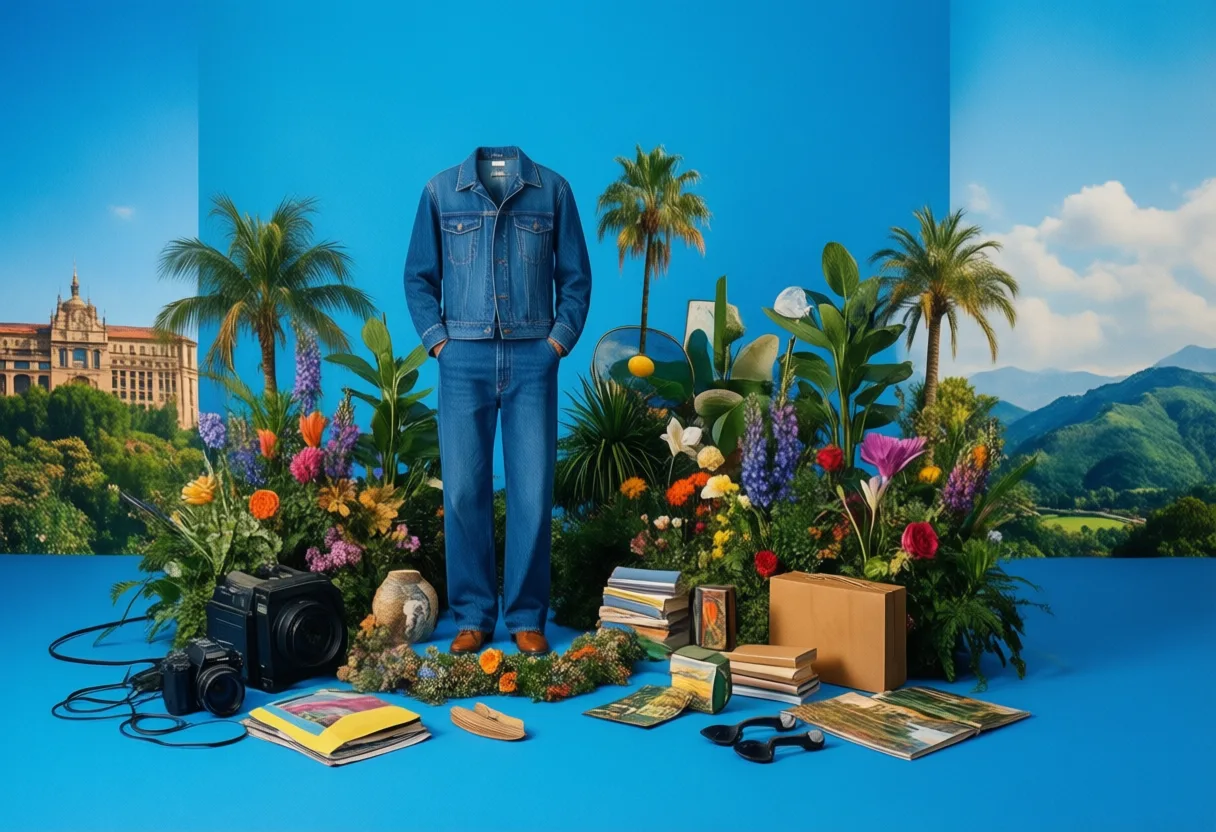
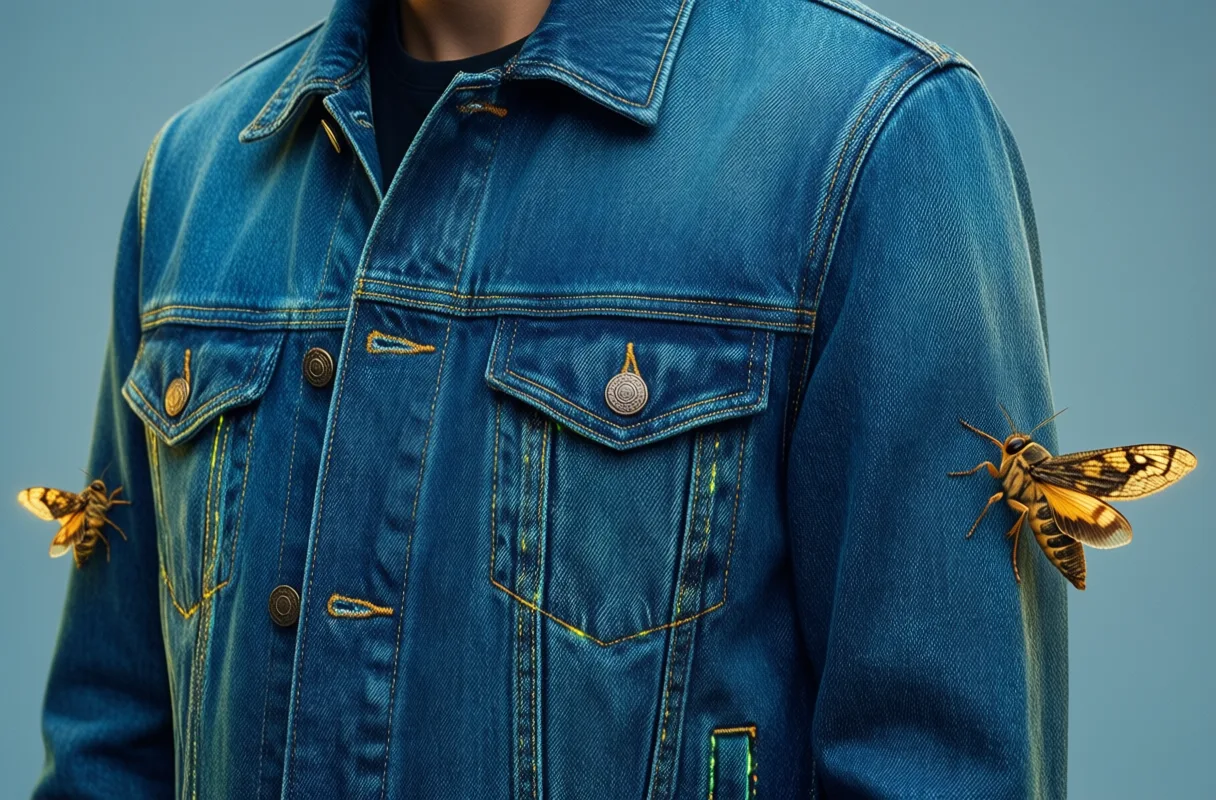
Denim was everywhere in the 70s, but it wasn’t just about jeans. Designers experimented with denim shirts, jackets, skirts, and even full denim suits. Button-fly jeans were standard, and many people bought raw, unlabeled denim from stalls to customize with patches, embroidery, or paint. High-waisted flares became a signature silhouette, often paired with platform shoes to maximize the dramatic drape of the leg opening. The love for denim reflected the era’s DIY spirit-individuality mattered more than brand names, and personal expression was stitched right into the fabric. Explore more stories, videos, and creators on Loaded.
Frequently Asked Questions
What were bell bottoms originally used for?
Bell bottoms originated as practical naval uniforms, where the flared design allowed sailors to roll up their pants easily when working on deck or below waterline.
How did bohemian style reflect the values of the 1970s?
Bohemian style celebrated authenticity, individuality, and a connection to nature and global cultures, often using natural fabrics, handmade garments, and layered, rule-breaking ensembles.
What role did music and media play in 70s Fashion Trends?
Rock concerts and on-screen characters popularized 70s styles, with icons like Janis Joplin and Mick Jagger turning personal fashion into public art that influenced mainstream tastes.
Why did people customize their denim in the 1970s?
People customized denim to express individuality, often adding patches, embroidery, or paint to raw, unlabeled jeans as part of the era’s DIY fashion ethos.
This article was produced with AI assistance. How Paradox Magazine uses AI.
Maeve explores avant-garde fashion through the lens of cultural evolution, blending runway analysis with street-level trends. She investigates how identity and innovation collide in fabric, silhouette, and statement, making high fashion accessible without diluting its daring.