
A gleaming necklace catches your eye-dazzling, dramatic, and suspiciously affordable. Is it a Hidden treasure Or a fleeting fantasy? In the glittering world of adornment, Knowing the difference between costume and fine jewelry isn’t just about value-it’s about legacy, craftsmanship, and the quiet confidence that comes from wearing something real.
What Lies Beneath the Shine: Understanding the Core Differences
At first glance, the line between costume and fine jewelry may seem blurred, especially with today’s sophisticated designs. But beneath the sparkle lies a fundamental truth: Fine jewelry is built to endure, while costume jewelry is made to impress in the moment. The materials used define this divide-precious metals and Genuine gemstones Versus base alloys and synthetic stones.
Fine jewelry typically features metals like gold, platinum, or sterling silver, chosen for their rarity, durability, and resistance to corrosion. These materials are not only valuable but are meant to be passed down, evolving with the wearer over time. Costume jewelry, on the other hand, often uses brass, copper, or aluminum, coated with a thin layer of gold or silver to mimic luxury.
The stones follow the same hierarchy. Genuine diamonds, sapphires, emeralds, and other natural gems are carefully selected for their clarity and cut in fine pieces. In contrast, costume jewelry relies on glass, plastic, or crystal to replicate the look-beautiful, perhaps, but not built to last. When evaluating a piece, always begin with the materials: what it’s made of determines what it’s worth.
Look for the Hallmarks-Tiny Marks That Speak Volumes
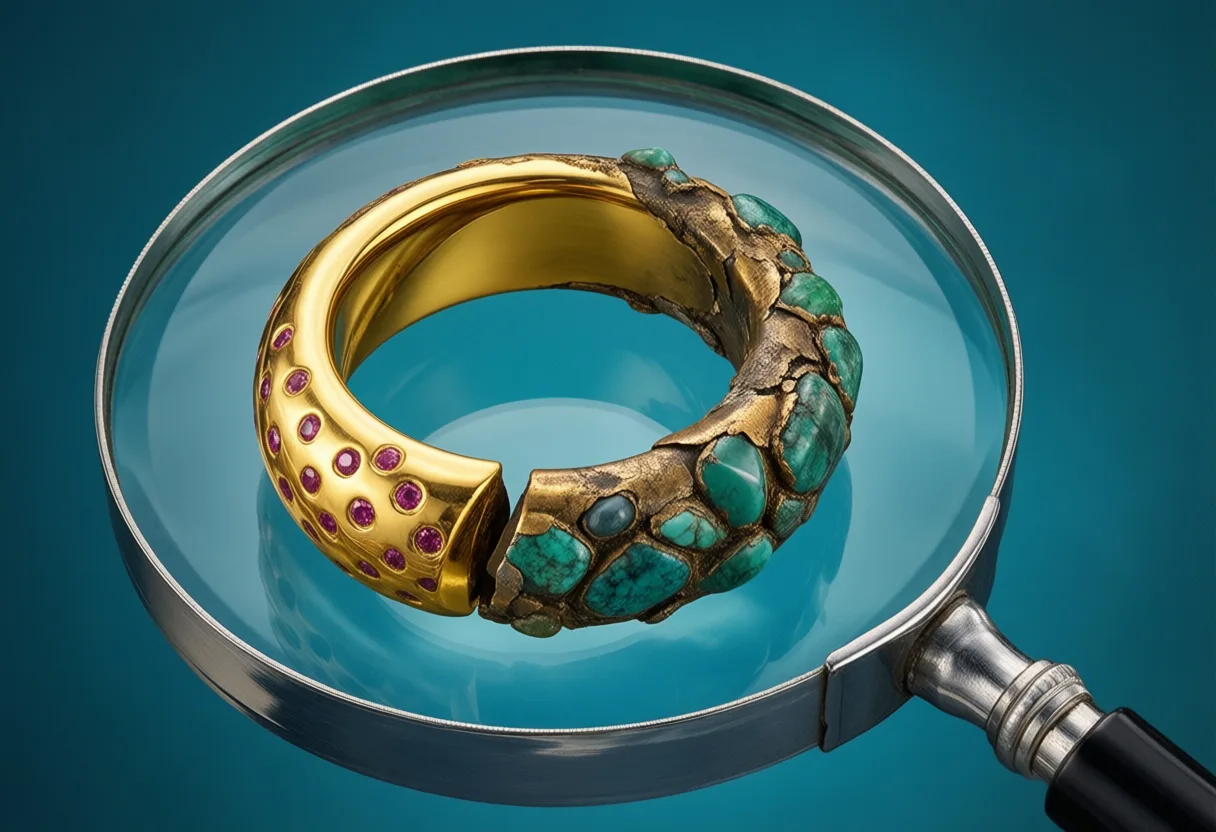
One of the most reliable ways to distinguish fine from costume jewelry is to search for Hallmarks-those tiny, often overlooked engravings usually found on the inside of a ring band, the clasp of a necklace, or the hinge of a bracelet. These marks are the jewelry’s fingerprint, revealing the metal’s purity and the maker’s identity.
Fine jewelry is almost always stamped with a hallmark indicating the metal content. You might see “14K” for 14-karat gold, “925” for sterling silver, or “PT” for platinum. These aren’t decorative-they’re legal requirements in many countries and a sign of authenticity. No hallmark? That doesn’t automatically mean it’s costume, but it raises a red flag, especially on pieces claiming to be precious metal.
Costume jewelry rarely carries such marks. When it does, the stamping is often shallow, uneven, or uses misleading terms like “gold tone” or “silver finish,” which suggest appearance, not content. If the mark reads “GF” (gold filled) or “HGE” (heavy gold electroplate), it’s not solid gold-it’s a layer over base metal, destined to wear thin with time.
When Weight Matters: How Density Can Reveal the Truth
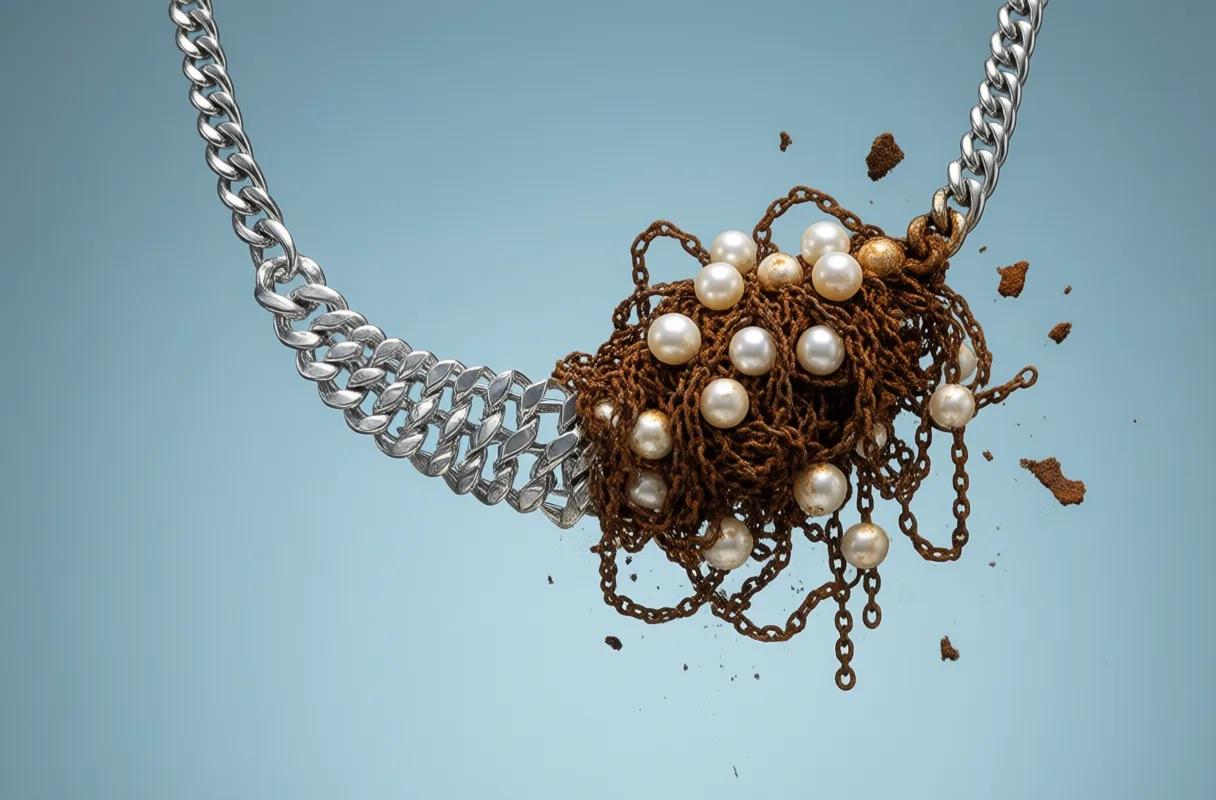
Hold a piece in your hand. Does it feel substantial, almost reassuring in its heft? Or is it light, almost hollow, like it might float away? Weight is a silent but powerful clue-precious metals are dense, and that density translates into a satisfying, grounded feel.
Gold, platinum, and sterling silver have a richness you can feel in your palm. A solid gold ring, for example, will feel noticeably heavier than a similar-looking piece made of brass or aluminum. This isn’t about bulk-it’s about Material integrity. The heavier the piece, the more likely it is to be made of solid, high-quality metal.
Costume jewelry, by contrast, often feels flimsy. Even Large statement Pieces made with lightweight alloys can seem insubstantial, like fashion accessories meant for a single season. If a choker that looks like solid silver feels like it weighs less than your phone, it probably isn’t silver at all. Trust your hands as much as your eyes.
The Stone Test: How to Spot a Genuine Gem vs. A Glitter Substitute
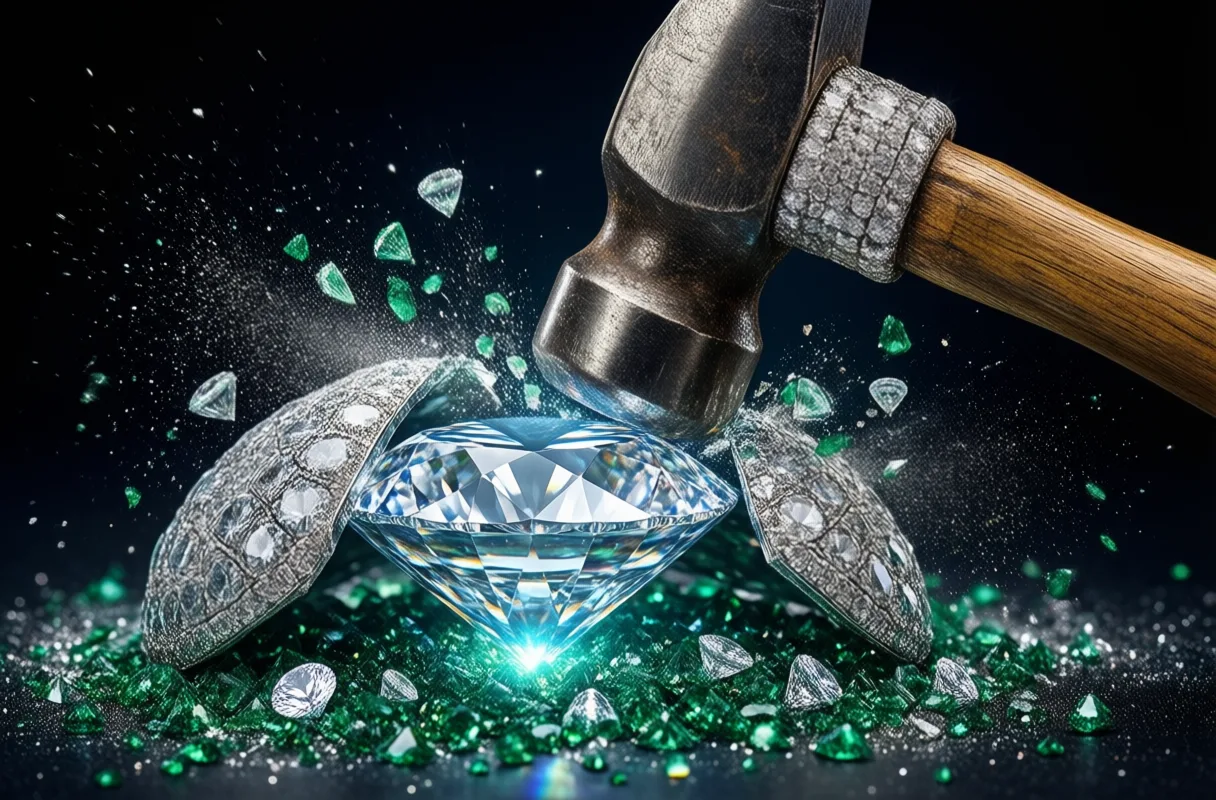
A stone’s brilliance can hypnotize-but not all sparkle is created equal. Real gemstones have depth, fire, and a subtle imperfection that speaks of natural origin. Synthetic stones, glass, or crystal may dazzle at first, but under scrutiny, they often lack the complexity of true gems.
Examine the stone under natural light. A genuine diamond will reflect white and colored light sharply, with a crisp, refractive quality. Glass or plastic imitations tend to look too perfect-flat, overly bright, or with a rainbow glare that feels artificial. If the stone looks like it belongs in a disco ball, it’s probably not a diamond.
Another clue is the cutting. Fine jewelry stones are precision-cut to maximize light performance, with clean facets and sharp edges. Costume jewelry often uses simpler, mass-produced cuts, and the stones may sit unevenly in their settings. If the stone wobbles or looks glued in, your suspicions should too.
Prong by Prong: Why Setting Style Separates the Real from the Replica
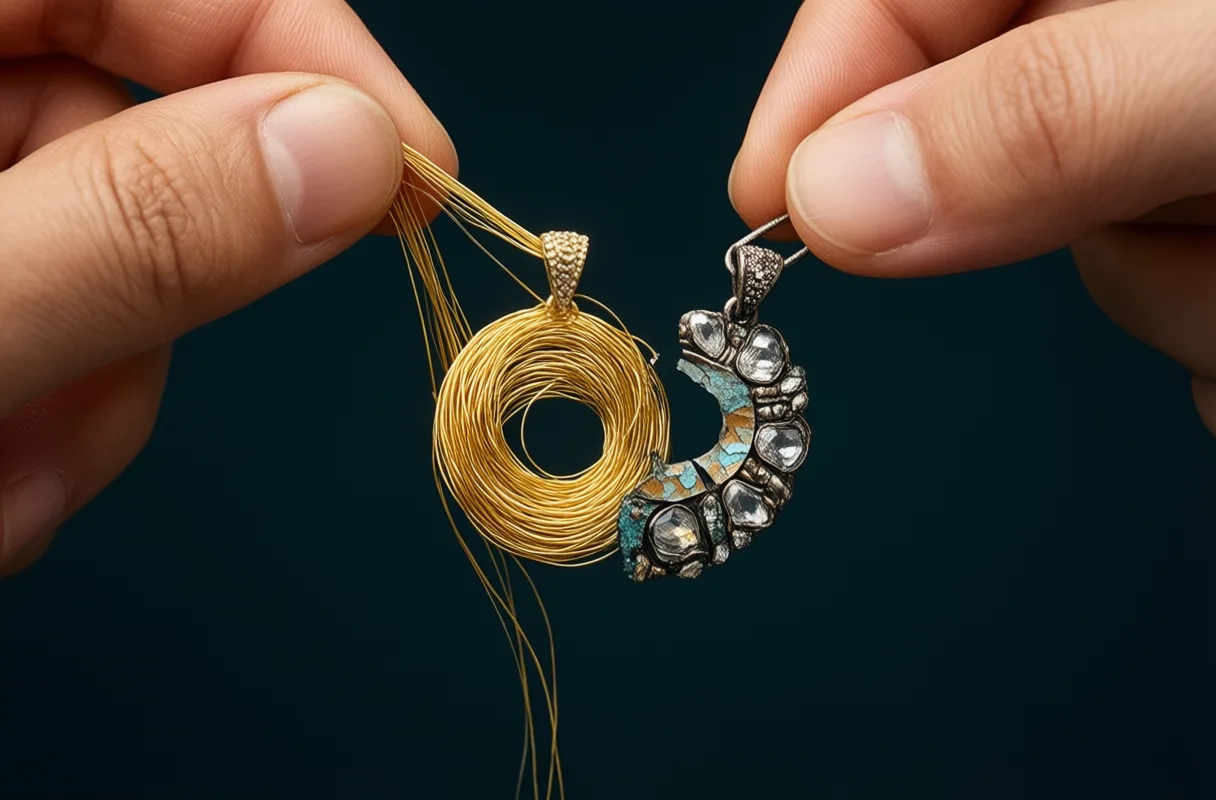
The way a stone is held in place can tell you everything. Fine jewelry uses metal prongs-tiny claws of gold or platinum-to secure each gem with precision and strength. These prongs are carefully shaped, polished, and built to last, protecting the stone while enhancing its visibility.
Costume jewelry, however, often relies on shortcuts. Glue residue on the back of a setting is a sure sign of costume jewelry. Instead of being held by metal, the stone is simply adhered in place, a method that may hold for a Season but Will fail with time, heat, or moisture.
Look closely at the setting’s construction. Are the prongs symmetrical? Do they feel sturdy? In fine pieces, the setting is part of the artistry-each detail considered, every curve intentional. In costume pieces, settings may be stamped out in bulk, with uneven prongs or visible seams. A well-set stone doesn’t just stay put-it belongs.
Shine vs. Substance: How Longevity Defines True Value
A piece of jewelry should outlive trends, not follow them. Fine jewelry is designed for a lifetime of wear, its materials chosen to resist tarnish, scratching, and decay. It ages with grace, developing a patina that tells a story rather than falling apart.
Costume jewelry, by nature, is temporary. The plating wears off, the stones loosen, the metal tarnishes quickly. What looks dazzling on day one may look sad by year’s end. It’s not a flaw-it’s the design. Costume jewelry is fashion, meant to be bold, timely, and replaceable.
But consider this: True value isn’t measured in initial sparkle, but in sustained presence. A fine piece may cost more, but it doesn’t ask to be replaced. It asks to be worn, remembered, and passed on. That’s the difference between something you buy and something you inherit.
The Flip Side: What the Back of a Piece Can Tell You
Turn it over. The back of a jewelry piece is its truth serum-unseen by most, but revealing everything to those who look. Fine jewelry has a finished back: smooth, polished, and consistent with the front. Even hidden areas are crafted with care, because excellence isn’t just for show.
Costume jewelry often cuts corners where no one will see. The back may be rough, with exposed glue, uneven metal, or unfinished edges. If the back looks like an afterthought, the whole piece probably was. This is where cost-saving measures show-wires sticking out, cheap soldering, or plastic linings.
Examine clasps and hinges too. In fine pieces, these functional parts are seamlessly integrated, opening and closing with a satisfying click. In costume jewelry, they may feel loose, flimsy, or overly springy. A well-made clasp is a promise: this piece is meant to stay together.
Time and Tarnish: How Wear Patterns Expose Material Quality
Wear tells a story. On fine jewelry, signs of age are often gentle-soft scratches on a gold band, a slight darkening in silver’s crevices. These are not flaws, but Testaments to a life well-worn. Precious metals can be polished, restored, and renewed without losing integrity.
Costume jewelry tells a different tale. Tarnish appears quickly, often with a greenish or blackish hue that stains the skin. The plating wears thin at edges, revealing dull base metal beneath. Peeling gold finish is a dead giveaway-real gold doesn’t peel, it polishes.
Look at high-contact areas: the bottom of a ring shank, the edge of a pendant, the clasp of a bracelet. These spots show the first signs of wear. If the metal is flaking or turning your skin green, it’s not fine jewelry. It’s not meant to endure-it’s meant to entertain.
Beyond the Surface: Practical Steps to Confidently Evaluate Any Piece
Armed with knowledge, you no longer need to guess. Start with the metal: check for hallmarks, test the weight, feel the density. A solid, heavy piece with a clear stamp is likely fine jewelry. One that’s light and unmarked? Proceed with caution.
Next, Inspect the stones and settings. Are the stones held by metal prongs or glued in place? Do they have depth and fire, or do they look flat and plastic? Real gems have character-imperfections, refraction, and a way of catching light that feels alive.
Finally, Examine the craftsmanship from every angle. Look at the back, test the clasp, run your finger along the edges. Is everything smooth, secure, and finished? Or are there rough spots, glue stains, and weak joints? Great jewelry is consistent-beautiful front and back, inside and out.
With these tools, you can walk into any boutique, estate sale, or jewelry box with confidence. You’ll know not just what something looks like, but what it Is. And in a world of illusion, That’s the rarest sparkle of all.
Spotting the Difference Between Costume and Fine Jewelry
Look Beyond the Sparkle
You can often tell if a piece is costume or fine jewelry just by picking it up. Real gold, silver, and platinum are dense, so fine jewelry usually feels heavier in your hand. Costume pieces, made from lighter base metals, tend to feel flimsy or hollow. If the piece seems too light for its size, that’s a red flag.
Check How the Stones Are Set
Here’s a sneaky clue: take a close look at the back of the stone settings. If you spot glue residue holding a stone in place, it’s almost certainly costume jewelry. Fine jewelry uses metal prongs or bezels to secure stones-no adhesives needed. That little detail can quickly reveal whether you’re holding a lasting piece or something meant to be temporary.
Hunt for Hallmarks and Weight Clues
Costume jewelry rarely carries hallmarks-those tiny stamps indicating metal purity like 14K or 925. If you don’t see one, it’s not a deal-breaker, but it’s a hint. Combine that with the weight test: heavier usually means real. Also, real stones behave differently under scrutiny. If you’ve ruled out base metals and the stones look too perfect-like glass-clear and flawless-chances are they’re synthetic or imitation. Real gemstones often have tiny flaws; that’s part of what makes them genuine.
Frequently Asked Questions
How can you tell if jewelry is made of real gold or silver?
Look for hallmarks like '14K' for gold or '925' for sterling silver. Real precious metals are also denser and feel heavier in hand compared to lightweight base metals used in costume jewelry.
What does it mean if a stone is held in place with glue?
Glue residue behind a stone indicates costume jewelry. Fine jewelry uses metal prongs or bezels to secure stones, not adhesives.
Why does the weight of jewelry matter when determining quality?
Precious metals like gold, platinum, and sterling silver are dense and feel substantial. Lightweight or hollow-feeling pieces are often made from base alloys, a sign of costume jewelry.
How can you spot a fake gemstone?
Real gemstones have depth, fire, and minor imperfections. Imitations like glass or plastic often look too perfect, overly bright, or display an artificial rainbow glare.
This article was produced with AI assistance. How Paradox Magazine uses AI.
Paradox Magazine writes for Paradox Magazine - fashion, beauty, celebrity, lifestyle and news.