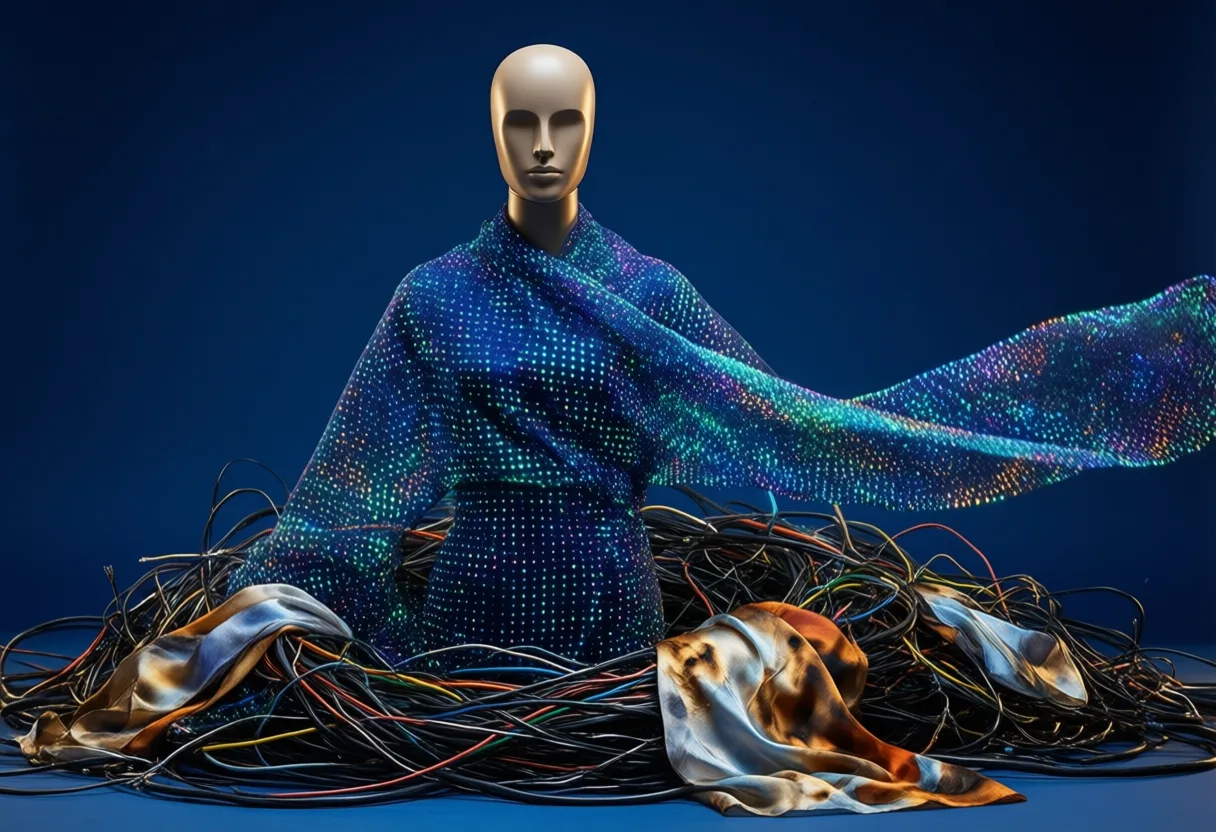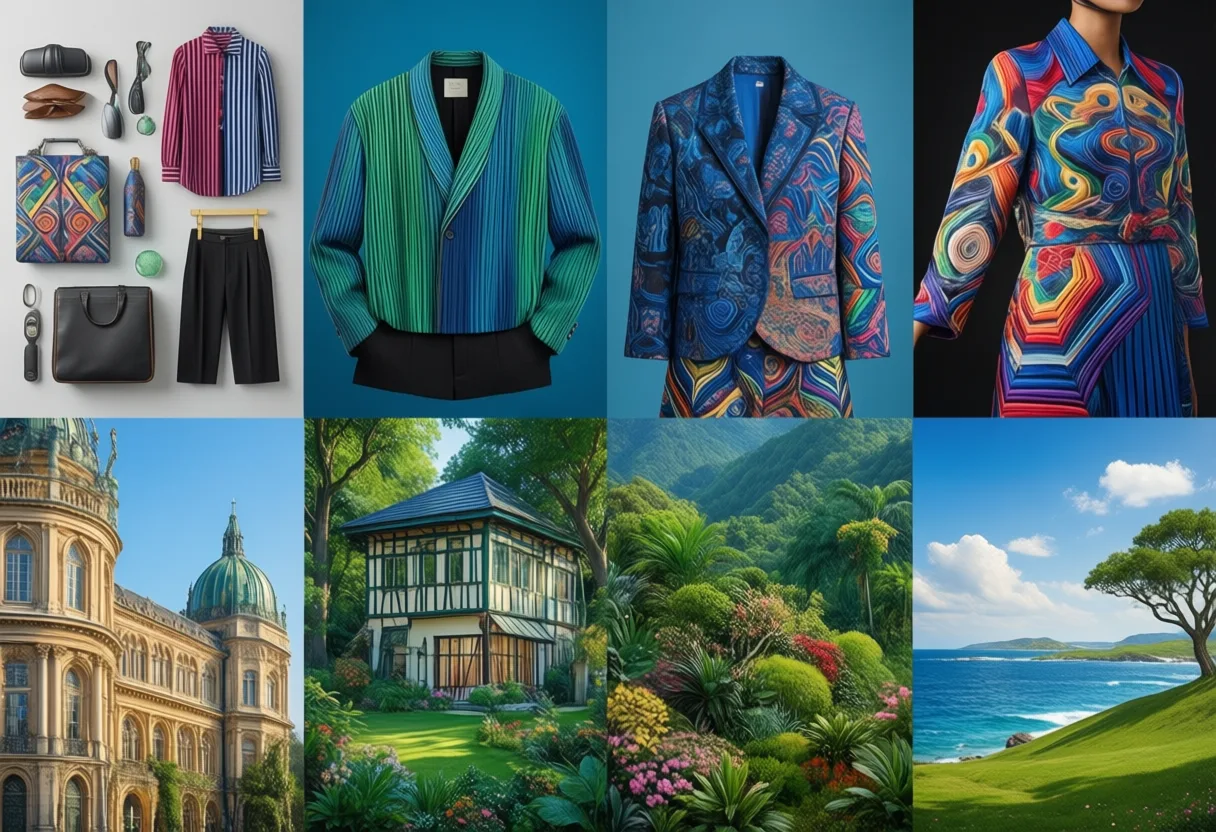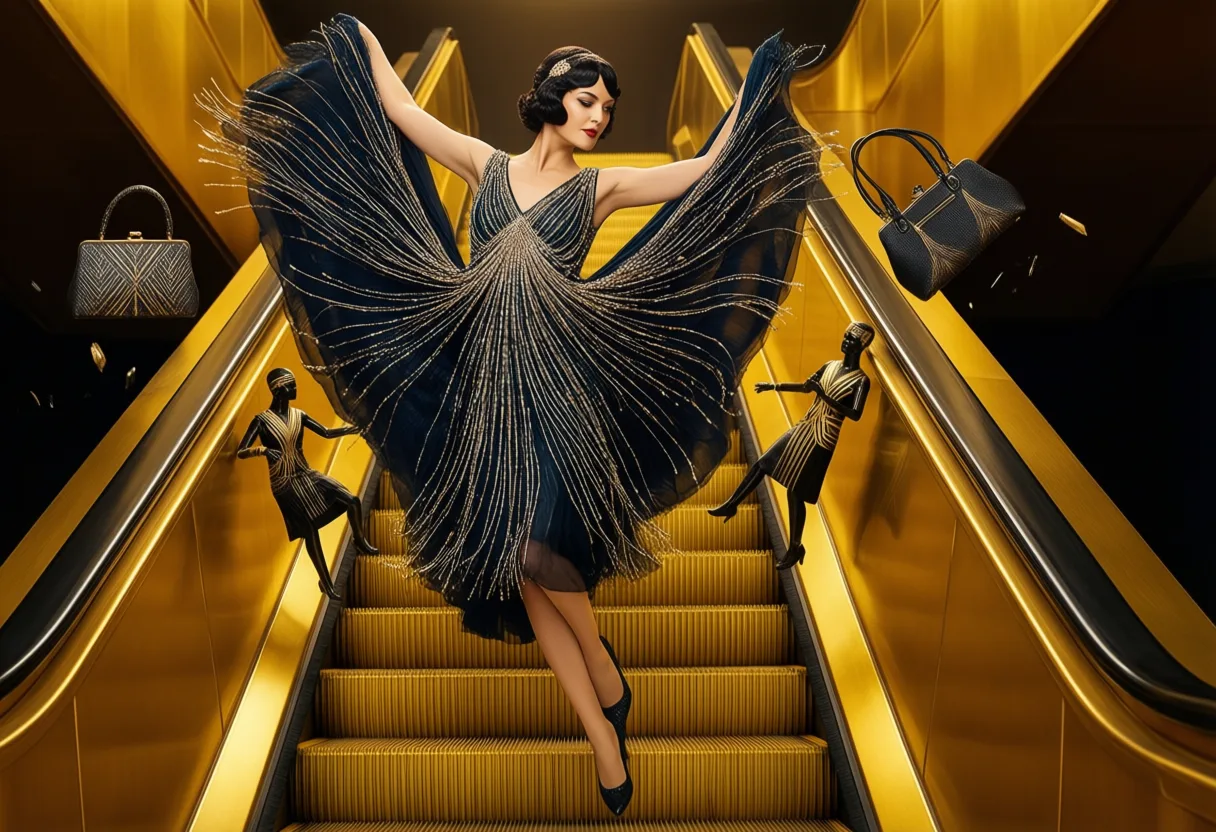
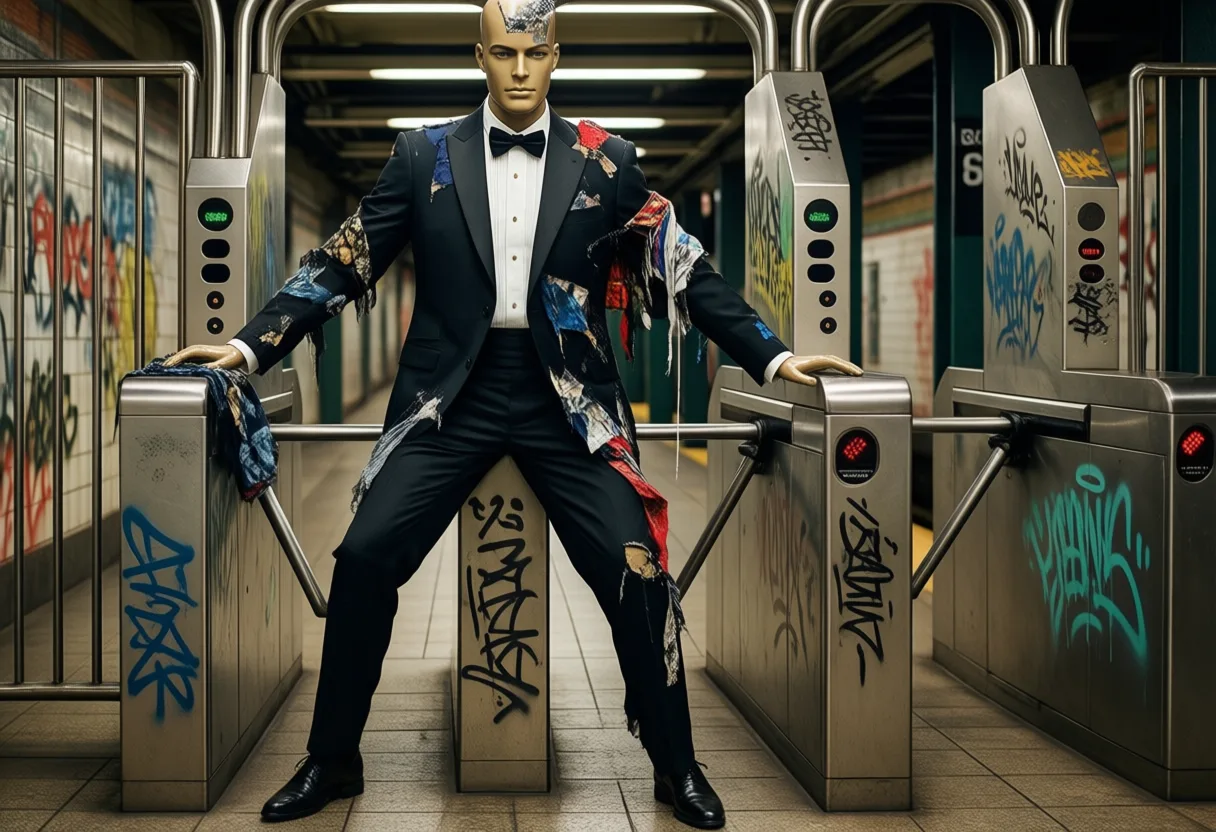
Silhouettes bloom on Marble runways Under strobe-lit tents, then reappear months later on city sidewalks, tucked into coffee shops and subway cars. The journey from haute couture to hoodie culture is not magic-it’s momentum.
How Runway Ideals Trickled Down to Everyday Style
Once, fashion trickled down like water through silk-slow, deliberate, reserved. Designers in Paris, Milan, and New York unveiled visions meant for mannequins, not mass transit. But the world turned. The distance between front row and sidewalk collapsed.
Now, a hemline lifted at Fashion Week Can ripple through fast fashion within weeks. The runway is no longer a distant altar-it’s a mood board for the everyday. A single look, once seen only by editors and celebrities, becomes a global reference point by morning.
This shift didn’t happen overnight. It grew from a blend of access, aspiration, and adaptation. What was once exclusive is now interpreted-reimagined by those who wear jeans to work and still want to feel seen.
What Happens When Designers Drop a New Collection?
1. Silhouettes go viral before they hit stores
The moment a model steps onto the runway in an exaggerated shoulder or a dropped waist, the internet inhales. Images flash across screens before the final walk. These silhouettes-sometimes surreal, often radical-become instant icons, even if they never make it to retail.
Soon, that same shape appears in subtle echoes: a slight puff at the sleeve, a hint of volume at the hip. The extreme becomes wearable. The dramatic becomes daily. And just like that, the silhouette migrates from fantasy to function.
You might not wear a 12-foot train, but you’ll take the idea-a whisper of drama in a blazer’s cut. That’s how fashion breathes: not by copying, but by translating.
2. Color palettes migrate from Paris to pocket-friendly brands
When a designer sends a sea of terracotta, rust, and ochre down the catwalk, the color story begins its journey. Within weeks, those same earthy tones appear in capsule collections at accessible retailers. The palette is no longer exclusive-it’s communal.
Color is emotion made visible. And when a season’s mood leans into soft lavender or electric lime, it speaks to a collective feeling. We don’t just wear the color-we wear the moment.
You’ll see it in scarves, sneakers, even phone cases. The runway sets the tone, but the street gives it rhythm. And suddenly, everyone is dressed in the same silent song.
3. Fabric choices inspire affordable reinterpretations
Luxury runways love texture: crushed velvet, liquid satin, technical mesh. These materials signal status, season, and sensibility. But most of us aren’t buying silk gazar for Tuesday errands.
Instead, designers at accessible brands study the texture, then reimagine it. A polyester blend mimics the drape. A knit fabric echoes the sheen. The essence remains, even if the material shifts.
It’s not imitation-it’s innovation. The idea of opulence becomes available, not in price, but in presence. You don’t need couture to feel the weight of a well-chosen fabric.
4. Celebrity styling bridges the gap between show and street
When a star wears a runway look to a premiere-or even just to brunch-it becomes real. Suddenly, that avant-garde coat isn’t just art. It’s armor. It’s attitude. It’s possible.
Celebrities act as living translators. They take the abstract and make it relatable. A gown becomes a vibe. A jumpsuit becomes a statement. And fans don’t just admire-they adapt.
You might not have a stylist, but you can borrow the energy. That’s the power of celebrity: not to dictate, but to demonstrate.
5. Social media accelerates the adoption curve
Instagram, TikTok, Pinterest-these aren’t just apps. They’re runways without walls. A single video can turn a fringe detail into a global obsession overnight.
Trends no longer wait for magazines to print. They explode in real time, shaped by creators, not just editors. The cycle is faster, fiercer, more fluid.
Now, a look can go from Paris to Peoria in 48 hours. And the people wearing it aren’t just following-they’re contributing. Every post is a vote. Every tag, a trend.
6. Retailers race to replicate high-concept details
Fast fashion thrives on speed. When a designer shows cutouts, corsetry, or asymmetric hems, retailers scramble to offer versions that capture the spirit-without the price tag.
They don’t copy the garment. They capture the gesture. A single detail-like a bow at the nape or a slash at the shoulder-becomes the season’s signature.
It’s not about perfection. It’s about participation. You don’t need the original to feel part of the moment.
7. Streetwear absorbs avant-garde elements through reinterpretation
Streetwear Doesn’t imitate-it absorbs. A deconstructed jacket from a Paris atelier might inspire a layered hoodie with raw edges. The idea lives on, but in a new dialect.
This is where rebellion meets refinement. The underground takes the elite and makes it its own. Safety pins, graffiti prints, utility pockets-these aren’t just details. They’re declarations.
And in that exchange, fashion becomes democratic. The runway suggests. The street decides.
Does High Fashion Really Dictate What We Wear?
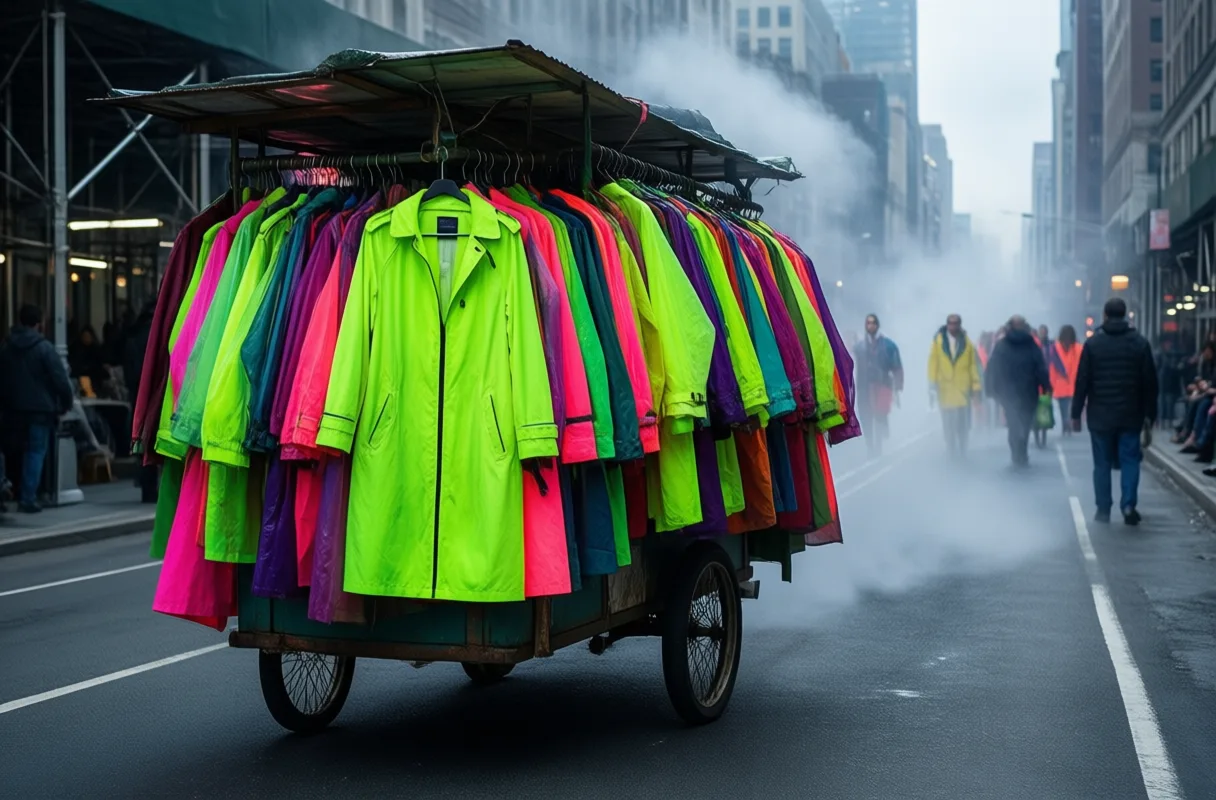
Not exactly. High fashion proposes. Culture dissects. The street edits, remixes, and reclaims.
Runway shows are laboratories-places of experiment, not edict. They offer visions, not verdicts. And while they set the visual language, they don’t control the conversation.
What we wear is shaped by more than designers. It’s shaped by weather, work, music, memory. A mother choosing school-run clothes isn’t thinking about Milan. She’s thinking about comfort, cost, and coffee stains.
Yet, the influence lingers. It’s in the cut of her jeans, the shade of her coat, the way she layers. The runway planted the seed. Life decided how it grew.
Why It’s Not Just About Imitation
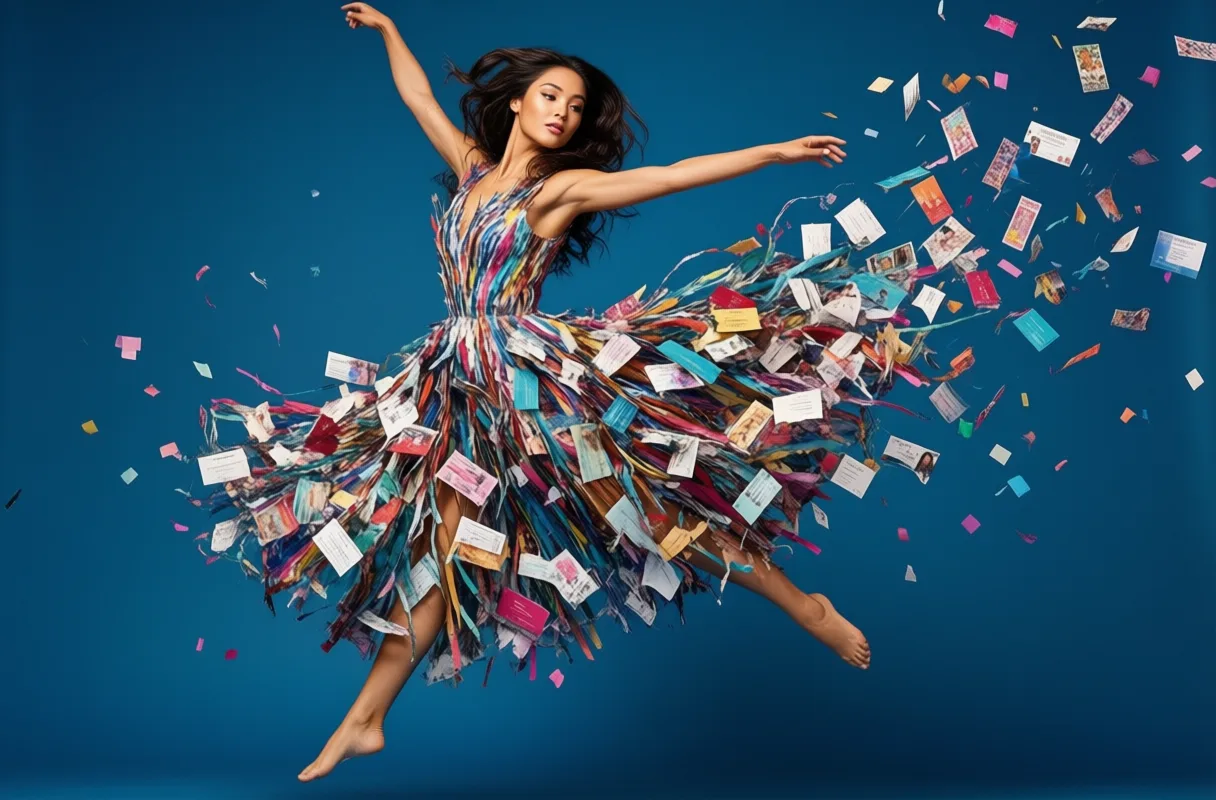
Fashion is not a copy machine. It’s a conversation across time, class, and continent.
When a vintage trend returns-like the resurgence of 2000S fashion: Y2K trends resurfaced-it’s not nostalgia. It’s evolution. The low-rise jean of 2003 is not the same as the one in 2024. The context changed. So did the wearer.
Even Fashion Trends past that are making a modern comeback carry new meaning. A prairie dress today isn’t just romantic-it’s a quiet rebellion Against minimalism. A chunky sneaker isn’t just comfy-it’s a nod to irony, to contrast.
This is how style stays alive: by remembering, then reimagining. The past isn’t repeated. It’s referenced, revised, and released again.
What This Means for Your Wardrobe Today
Your closet is a collage. It holds pieces inspired by runways, rooted in history, reshaped by culture.
You don’t need to wear head-to-toe designer to be in step. You just need to know that every choice is a connection-to a season, a movement, a moment.
Want to wear the trends? Start small. Try a color. A texture. A silhouette that brushes the edge of comfort. Let your clothes whisper, not shout.
And remember: the most powerful trend is confidence. Not because it’s in style-but because it’s yours.
Explore what’s shaping the scene with Fashion Trends shaping streetwear this season and see how yesterday’s echoes inform today’s edge.
The Style Cycle Never Stops – And Neither Should You
Fashion breathes in cycles. What rises falls, then rises again-changed, but familiar.
The runway will keep dreaming. The street will keep answering. And between them, a dialogue unfolds-one in stitches, in shades, in strides.
Stay curious. Stay open. Let your style move like water: shaped by what came before, but never trapped by it.
For deeper inspiration, revisit the decade’s pulse with Fashion Trends of the 2010s that defined a decade or rediscover timeless forms in Fashion Trends old styles making a modern comeback.
The story isn’t over. You’re wearing the next chapter.
How Runway Dreams Become Streetwear Reality
From Catwalk to Concrete
Ever wonder how a wild look from a high-fashion show ends up on someone biking through Brooklyn? It’s not magic-it’s momentum. Designers unveil bold ideas on runways knowing most people won’t buy a $5,000 coat, but they Will Spark trends that trickle down. A single exaggerated shoulder or unexpected fabric combo can inspire affordable versions at fast-fashion retailers within months. That asymmetrical hem or neon hue you see downtown? It likely started on a Paris or Milan runway six months prior.
Streetwear doesn’t just copy-it remixes. Take the humble hoodie. Once relegated to gyms and lazy Sundays, it gained high-fashion credibility when luxury brands began reimagining it with premium materials and avant-garde cuts. Soon, graphic hoodies with bold logos became staples, blending comfort with statement-making flair. The transformation shows how street style absorbs runway energy and adapts it for real life-practical, personal, and always in motion.
Accessories often make the fastest leap from runway to real world. Oversized sunglasses, chunky loafers, or even specific bag shapes can go from front-row favorites to must-haves almost overnight. These items let people dip a toe into a trend without committing to a full head-to-toe look. It’s a low-risk way to stay current, and brands know it-limited drops and viral collaborations keep the cycle spinning fast. Fashion isn’t just about clothes; it’s a conversation, and everyone’s invited to join in. Explore more stories, videos, and creators on Loaded.
Frequently Asked Questions
How do runway styles influence everyday streetwear?
Runway styles influence streetwear by introducing silhouettes, colors, and fabrics that are later reinterpreted by fast fashion and accessible brands. These high-concept ideas are adapted for practicality and affordability, making them wearable for daily life.
Why do colors from fashion shows appear in affordable stores soon after?
Color palettes from runway shows migrate quickly to accessible retailers, who incorporate the same earthy tones or bold hues into capsule collections. The runway sets the mood, and streetwear gives it widespread rhythm.
How do celebrities help bring runway fashion to the streets?
Celebrities wear runway looks in public, making avant-garde designs feel relatable and wearable. Their styling acts as a bridge, translating high fashion into real-world inspiration that fans adapt into their own wardrobes.
What role does social media play in spreading Fashion Trends?
Social media platforms like Instagram, TikTok, and Pinterest accelerate trend adoption by sharing runway looks instantly. A single video can turn a detail into a global obsession, bypassing traditional magazine cycles.
This article was produced with AI assistance. How Paradox Magazine uses AI.
Linh bridges beauty rituals and everyday well-being, spotlighting inclusive innovation and global traditions shaping modern self-care. She champions sustainable practices and diverse voices, framing beauty as both personal expression and collective storytelling.