

Sunlight spills over open-air markets where handwoven fabrics ripple like liquid rainbows. Threads spun by ancestral hands tell stories older than borders, now dancing through Modern runways And city streets alike.
In Latin America, Fashion Is never just about what you wear-it’s about who you remember, where you come from, and how gently you tread on the earth. The rhythm of tradition pulses beneath every stitch, while a bold new generation reimagines heritage with conscience and flair.
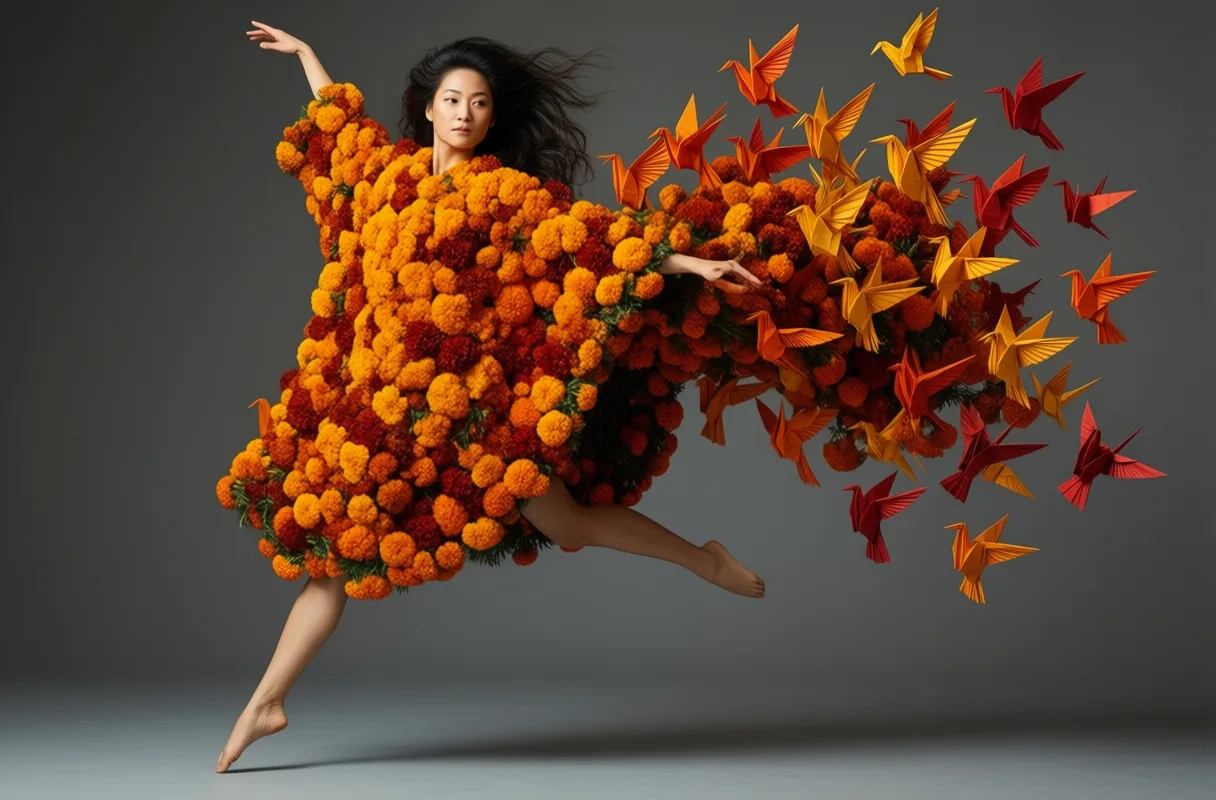
The Living Language of Textiles
Colors speak here. Crimson isn’t just red-it’s resilience. Indigo carries the breath of midnight skies over Guatemalan highlands. Every hue holds history, passed Down through Generations of weavers whose fingers move like poets composing in fiber.
These textiles are not mass-produced. They are born slow, shaped by ritual, dyed with plants pulled from sacred soil. Patterns echo pre-Columbian symbols, Catholic iconography, and indigenous cosmology-all woven into cloth that drapes like memory.
From Oaxaca to Quito, artisans preserve centuries-old techniques: backstrap loom weaving, natural dye extraction, brocade embroidery. Their work resists fast fashion’s hunger, offering instead garments with soul, weight, and intention.
- Each piece tells a regional story-motifs from Zapotec culture differ sharply from Mapuche designs
- Natural dyes come from cochineal insects, marigold petals, and tree bark
- Many cooperatives now partner directly with designers to ensure fair wages and creative respect
This isn’t nostalgia dressed up as trend. It’s survival-of culture, craft, and identity-stitched into every garment. When a young designer in Medellín uses manta cloth in a tailored blazer, she isn’t quoting the past. She’s conversing with it.
And the world is listening. Runway shows from São Paulo to Paris have begun featuring silhouettes rooted in Andean or Mesoamerican forms, elevated but never erased. The message? Authenticity cannot be outsourced. It must be lived.

A Quiet Revolution in Sustainable Style
Eco fashion in Latin America doesn’t shout. It whispers through organic cotton fields, community-led recycling projects, and zero-waste ateliers tucked into colonial courtyards.
Sustainability here isn’t borrowed from European manifestos. It grows naturally from a relationship with land and labor that colonialism tried-and failed-to sever. To honor fabric is to honor people. To reuse is not virtue signaling; it’s common sense.
Designers increasingly reject synthetic fibers for plant-based alternatives: pineapple leather in Bogotá, banana fiber in the Amazon basin, hemp grown without chemical fertilizers. These materials don’t just reduce environmental harm-they support rural economies.
Some brands collect discarded fishing nets from coastal towns, transforming them into sleek swimwear. Others turn plastic bottles into structured handbags, their linings printed with folkloric patterns. Waste becomes wonder, one transformed thread at a time.
One such initiative trains women in Lima’s outskirts to upcycle surplus fabric into limited-run pieces-each labeled with the maker’s name. This transparency builds trust. You know not only What You’re wearing, but Who Made it possible.
Even luxury labels are shifting. Instead of seasonal drops, they release capsule collections aligned with agricultural cycles or cultural festivals. Less churn. More meaning. More beauty.
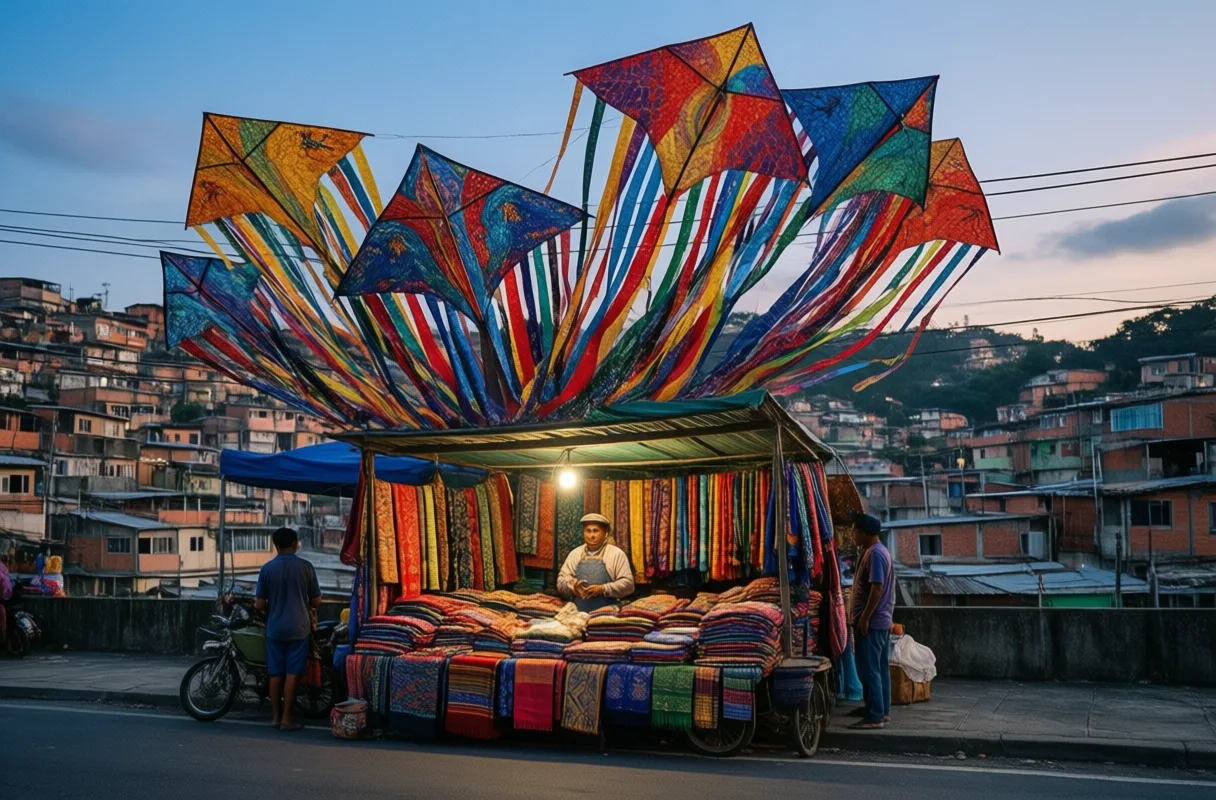
Where Heritage Meets Horizon
Today’s Latin American fashion scene thrives at the crossroads-between ancestral knowledge and digital innovation, between local pride and global visibility.
Young creatives blend traditional embroidery with streetwear cuts, pairing ponchos with combat boots or reimagining huipiles as evening gowns. It’s not fusion for shock value. It’s evolution with reverence.
Social media has amplified voices once overlooked. Instagram feeds glow with close-ups of hand-stitched details, TikTok videos show the making behind the magic. Transparency seduces more than perfection ever could.
And let us not forget the influence of music and dance-the sway of salsa, the pulse of reggaeton-infusing movement into design. Garments must breathe, bend, and shimmer under lights. They must live.
2000S Fashion: Y2K Trends Resurfaced reminds us how quickly nostalgia cycles return-but here, retro never means repetition. It means reclamation. A cropped jacket with Aztec motifs isn’t a throwback. It’s a comeback.
Retailers outside the region now seek collaborations rooted in authenticity, not appropriation. The demand? Garments that carry truth, not just tags. That shift-from consumption to connection-is everything.
Because when you wear a textile born of fire, soil, and song, you don’t follow a trend. You join a lineage. One that stretches far behind you-and reaches, brightly, into the future.
| Material | Source | Use in Fashion |
|---|---|---|
| Cochineal dye | Insects on cactus plants | Creates vibrant red hues in textiles |
| Piña fiber | Pineapple leaves | Used for lightweight, plant-based fabrics |
| Banana fiber | Amazon basin plants | Woven into durable, eco-friendly textiles |
| Recycled fishing nets | Coastal communities | Transformed into swimwear and accessories |
| Organic cotton | Chemical-free farming | Used for sustainable everyday garments |
| Hemp | Natural cultivation | Made into strong, low-impact fabrics |
Threads of Tradition and Tomorrow
Latin American fashion thrives on a vibrant dialogue between ancestral craftsmanship and modern innovation. Long before global trends caught on, Indigenous communities across the Andes and Mesoamerica mastered the art of natural dyeing, using local plants, insects like cochineal, and minerals to create rich, lasting colors. These traditional techniques, passed down through generations, are now being celebrated and revived by contemporary designers who see their cultural and environmental value.
Weaving Stories into Fabric
The intricate patterns found in textiles like Peruvian Aguayos Or Guatemalan Huipiles Aren't just decorative; they're a visual language. Specific motifs often denote a wearer's village, family lineage, or spiritual beliefs, turning garments into wearable records of identity and history. This deep cultural coding means every piece carries a unique story, making mass-produced imitations feel hollow in comparison. Today's designers are respecting these origins by collaborating directly with artisan collectives, ensuring authenticity and fair compensation.
The Green Pulse of the Continent
Sustainability isn't a new trend here; it's a return to roots. With a strong tradition of resourcefulness, many Latin American designers are leading the charge in eco-fashion by using organic cotton, recycled materials, and low-impact dyes. The region's biodiversity also fuels innovation, with designers experimenting with Sustainable fabrics Derived from pineapple leaves (piña) and cactus, blending age-old respect for the earth with cutting-edge textile science. This fusion of heritage and environmental consciousness is putting Latin American fashion at the forefront of a global shift towards style with substance. Explore more stories, videos, and creators on Loaded.
Frequently Asked Questions
What makes Latin American textiles culturally significant?
Latin American textiles carry historical, spiritual, and regional meanings through colors, patterns, and weaving techniques passed down through generations. Motifs often represent a wearer's village, lineage, or beliefs, making each piece a unique expression of identity and heritage.
How are traditional weaving techniques being preserved today?
Artisans across Latin America continue using ancestral methods like backstrap loom weaving and natural dyeing with cochineal, marigold, and tree bark. Many cooperatives partner with designers to maintain cultural authenticity and ensure fair wages.
What role does sustainability play in Latin American fashion?
Sustainability is rooted in tradition, with designers using organic cotton, plant-based fibers like pineapple and banana, and recycled materials. Many brands focus on zero-waste production and community-led projects that support both people and the environment.
How are modern designers blending tradition with innovation?
Young designers are merging ancestral textiles and embroidery with contemporary styles like streetwear and tailored silhouettes. They use digital platforms to share the stories behind garments, fostering global appreciation grounded in respect and transparency.
This article was produced with AI assistance. How Paradox Magazine uses AI.
Linh bridges beauty rituals and everyday well-being, spotlighting inclusive innovation and global traditions shaping modern self-care. She champions sustainable practices and diverse voices, framing beauty as both personal expression and collective storytelling.