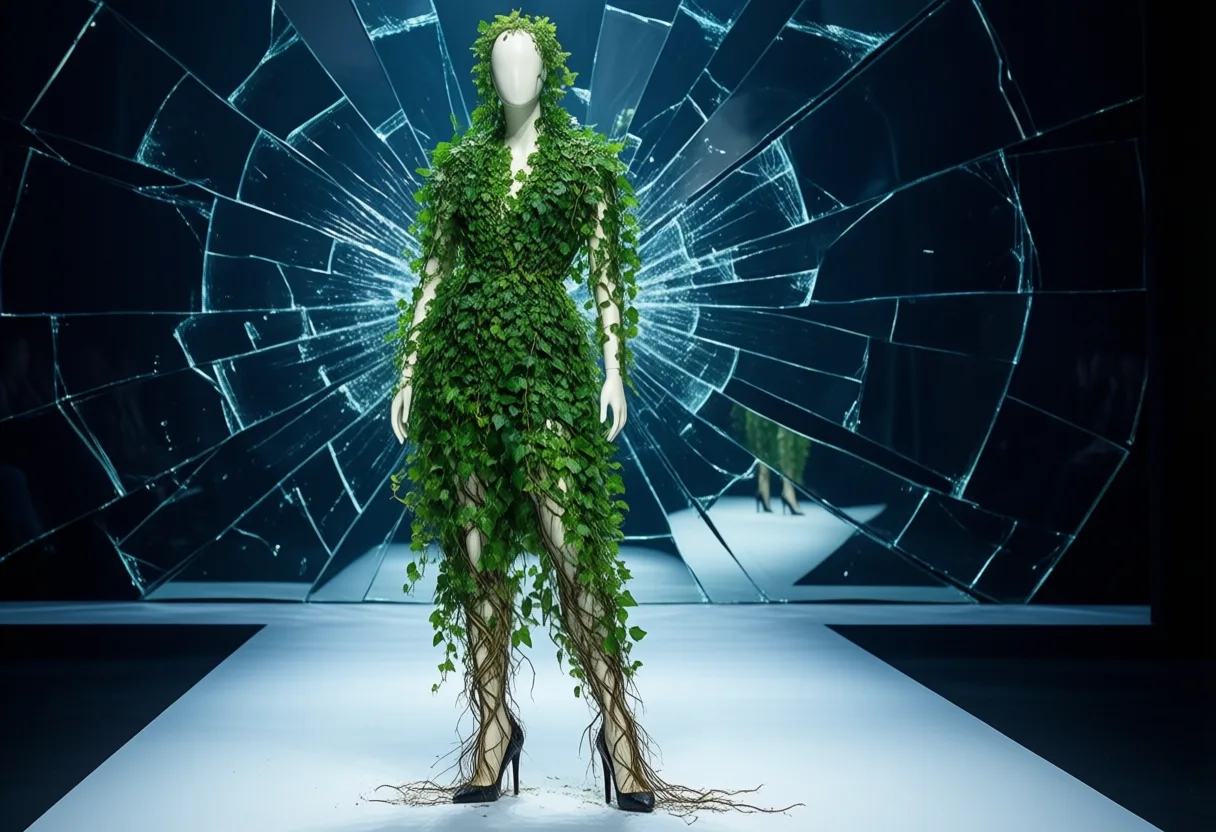
Ten years. A blink in the history of Fashion, yet long enough to watch empires rise, fall, and reinvent themselves in sequins, sweatpants, and silence. We traded excess for ease, logos for legacy, and let the streets speak louder than the ateliers.
This is not a eulogy for Trends past. It’s a love letter to the quiet revolutions-the ones that slipped into our closets like a favorite silk slip, unnoticed at first, then impossible to live without.
What Really Killed Fast Fashion’s Dominance
The air changed. Not with a bang, but with a whisper: Who made my clothes?
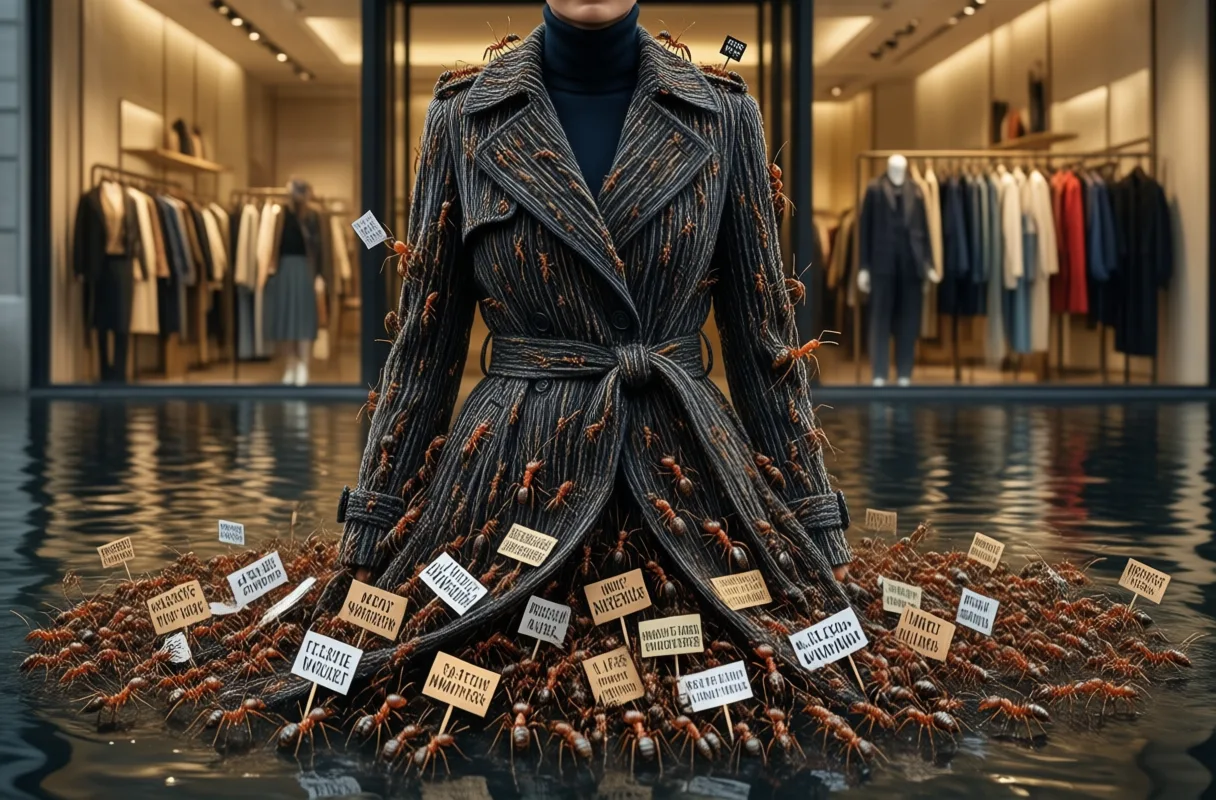
Overnight-or so it seemed-the frenzy for $5 tees and disposable denim slowed. Not because we stopped wanting more, but because we began seeing the cost behind the price tag. Landfills bloated with unworn garments. Rivers darkened. Workers vanished into the margins.
Suddenly, the thrill of the haul curdled into guilt. We scrolled past influencer racks and felt not envy, but exhaustion.
- The rise of Slow fashion Wasn’t a trend. It was a reckoning.
- Consumers began valuing Craftsmanship over convenience, care over consumption.
- Brands once celebrated for speed now scrambled to prove they could do better-fewer drops, cleaner lines, cleaner consciences.
It wasn’t perfection. But it was progress. And for the first time in decades, Fashion Had to answer for its soul.
The Quiet Rise of Quiet Luxury - And Why It Speaks Volumes
Silence has never been so loud.
Out of the neon glare of logomania stepped something softer, sharper: Quiet luxury. No badges. No billboards. Just the whisper of cashmere, the weight of a perfectly cut blazer, the confidence of knowing without needing to announce.
It wasn’t new-old money never shouts. But now, the rest of us were listening.
- Understated elegance Became the ultimate flex.
- A $2,000 sweater with no label said more than ten with.
- The details-stitching, drape, fabric-became the only language that mattered.
This was fashion as discretion. As discipline. As dignity. And in a world screaming for attention, choosing silence was the boldest statement of all.
How Athleisure Evolved From Gym Essential to Boardroom Staple
Leggings. Once confined to spin class, now striding into boardrooms, brunches, and beyond.
What began as a craving for comfort became a cultural shift. The gym-to-life wardrobe wasn’t just convenient-it was revolutionary. Why change when you could simply Be?
We stopped dressing for destinations and started dressing for movement.
- Elevated sweatpants Paired with tailored coats.
- Sleek sneakers under midi skirts.
- Performance fabrics woven with wool, silk, even sequins.
The line between workout wear and workwear didn’t blur-it dissolved. And with it, the old rules about what was “appropriate” fell away like yesterday’s dry shampoo.
Athleisure wasn’t just about looking good. It was about Feeling Capable. Ready. Unrestricted.
When Vintage Stopped Being Niche and Became Normal
Remember when vintage meant dusty racks and lucky finds? Now, it’s just… fashion.
The past decade rewrote the calendar. Seasons no longer dictated what was “in.” Instead, we mined decades-70s flares, 90s minimalism, and yes, even the much-maligned 2000s. 2000S Fashion: Y2K Trends Resurfaced
Thrifting went from fringe to fundamental.
- Gen Z embraced secondhand as both aesthetic and ethic.
- Resale platforms boomed, turning closets into curations.
- A denim jacket from 1998 wasn’t retro-it was Right now.
Vintage stopped being a costume. It became continuity. A way to wear history without repeating its mistakes.
The Genderless Wardrobe: How Silhouettes Lost Their Labels
Skirts for him. Suits for her. Boots for anyone.
The last decade cracked open the closet and let the air in. Gender, once rigid in fashion, became fluid. Not as a gimmick, but as a truth.
Designers stopped designing for binaries. We stopped buying them.
- Oversized blazers draped over bare chests, regardless of anatomy.
- Delicate lace paired with combat boots, defiance in every stitch.
- Clothing became about expression, not assignment.
This wasn’t just about fashion being inclusive. It was about fashion finally catching up to life.
And in that space-between boy and girl, he and she, this and that-a thousand new identities found room to breathe.
Logos Got Louder, Then Disappeared - What Changed
For a moment, they were everywhere. Monograms. Giant logos. Branding so bold it could be seen from space.
Then, just as fast, they vanished. Not banned, but Bored.
We realized logos didn’t make us seen-they made us predictable.
- The new status symbol? Not needing to prove it.
- A handbag with no visible logo became the ultimate flex.
- The rich wore beige. And loved it.
Brands adapted. Some stripped back. Others leaned into craftsmanship, letting the product speak instead of the patch.
The message was clear: if you have to tell people what you’re wearing, you’re already behind.
The Sustainable Shift No One Saw Coming
No one predicted it would start with soil.
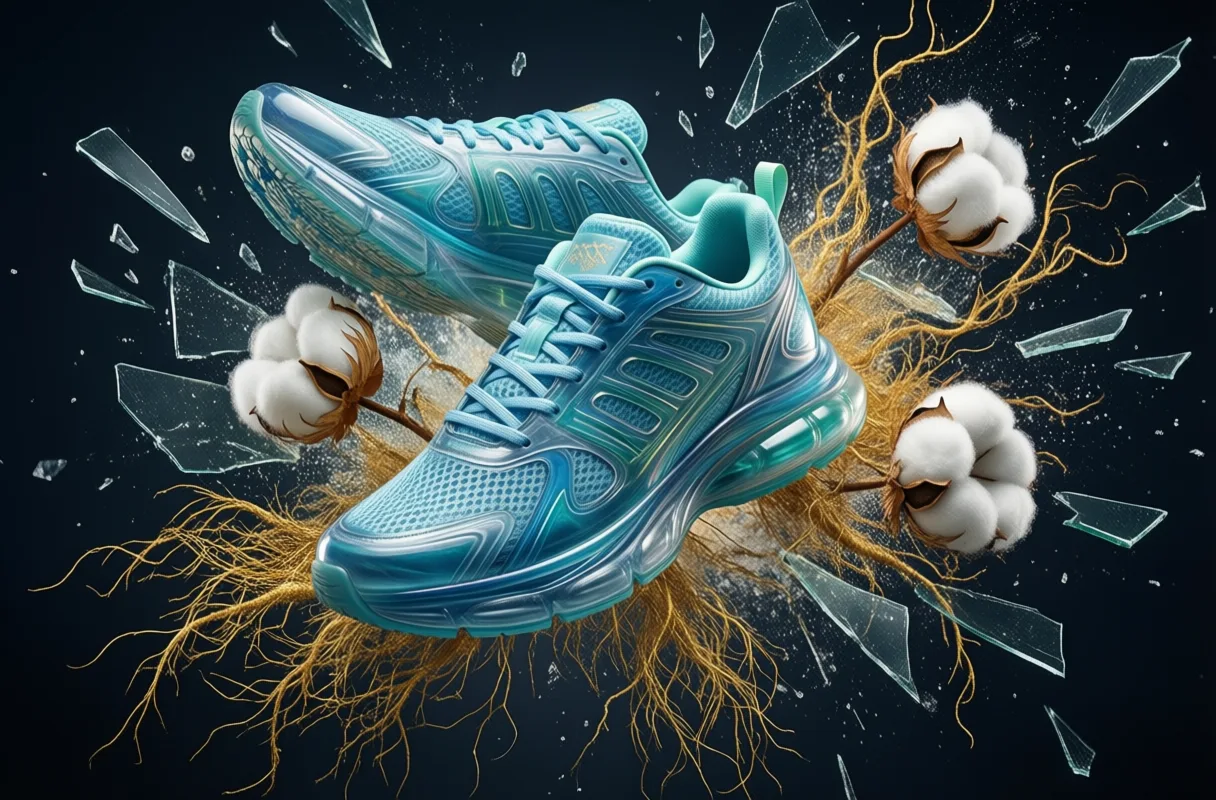
Not celebrity campaigns or glossy pledges, but a quiet return to earth-organic cotton, regenerative farming, dyes made from plants, not poison.
Sustainability stopped being a sidebar and became the spine of design.
- Circular fashion Moved from concept to closet.
- Rental services grew, not as novelties, but necessities.
- Brands began asking: Can this be composted? Recycled? Loved longer?
It wasn’t overnight. And it wasn’t everywhere. But the direction was undeniable.
We began to see clothing not as product, but as partner. Something to care for, repair, pass on.
Why Comfort Won the Decade (And Never Looked Back)
We stopped apologizing for wanting to be comfortable.
No more stilettos that punished. No more corsets disguised as tops. The body, at last, was consulted.
Comfort wasn’t surrender. It was sophistication.
- Slouchy tailoring replaced stiff suits.
- Cloud-like boots replaced blisters.
- Softness became strength.
Even red carpets softened-billowing silks, relaxed silhouettes, models who looked like they could actually Move.
We dressed not for the male gaze, the algorithm, or the critic-but for ourselves. And in that, we found power.
How Social Media Reshaped What ‘In Style’ Even Means
Gone are the days when a single magazine dictated the season’s must-have.
Now, style blooms in a thousand corners: TikTok, Instagram, Pinterest. A teenager in Oslo wears the same look as someone in Jakarta-connected not by brand, but by vibe.
Influence is no longer top-down. It’s everywhere, all at once.
- Micro-trends flash and fade in weeks.
- Street style is no longer just for streets-it’s born on screens.
- Personal style Became the only trend worth following.
We stopped waiting for permission. We started creating our own rules.
And in that freedom, fashion became more democratic, more diverse, more alive.
The End of Trends? How Micro-Movements Took Over
Trends used to last seasons. Now, they last Seconds.
One week it’s ballet flats. The next, cowboy boots. Then chunky loafers. Then nothing at all.
The old cycle-runway to retail to recession-collapsed under its own speed.
Instead, we got micro-movements. Fleeting, fierce, and deeply personal.
- Cottagecore. Dark academia. Coastal cowgirl.
- Each a mood, a moment, a mini-manifesto.
- None expected to last. All cherished while they did.
We stopped chasing the “next big thing.” We started living in the Now Thing.
And in that, fashion became less about what’s coming and more about what Feels Right.
Dressing for the Algorithm: The New Rules of Personal Style
We dress now not just for the world-but for the feed.
An outfit must look good in motion, in sunlight, in shadow. It must translate through glass and code. It must be Capture-able.
The algorithm rewards repetition, recognition, rhythm.
- Capsule wardrobes grew not for ethics, but for aesthetics.
- Signature looks emerged-uniforms for the digital age.
- Style became both personal and performative.
But within that tension, something beautiful emerged: a deeper understanding of self.
Because to stand out in the scroll, you must first know who you are.
And perhaps that’s the greatest fashion statement of the last ten years:
We’re no longer wearing trends.
We’re wearing Us.
| Trend | Core Idea | Cultural Driver |
|---|---|---|
| Slow Fashion | Quality over quantity | Ethical awareness, sustainability |
| Quiet Luxury | Understated elegance | Discretion as status |
| Athleisure | Comfort meets versatility | Lifestyle fluidity |
| Vintage Revival | Secondhand as mainstream | Nostalgia, sustainability |
| Genderless Design | Clothing beyond binaries | Inclusivity, self-expression |
| Logo Evolution | From bold to invisible branding | Status through subtlety |
| Micro-Trends | Fleeting, personal styles | Social media, algorithm culture |
A Decade in Threads: How the Last 10 Years Stitched Modern Style
The Rise of the Oversized Silhouette
Gone were the ultra-slim fits dominating the early 2010s; comfort became king, and with it came a love affair with volume. Baggy jeans made a full-circle comeback, inspired by '90s grunge and hip-hop aesthetics, while oversized blazers transitioned from boardroom basics to streetwear staples. This shift wasn’t just about fashion-it mirrored a cultural pivot toward relaxed living and self-expression, where clothes didn’t have to cling to make a statement.
Logomania’s Flashy Comeback
Brands that once downplayed their logos reversed course hard. Subtle branding gave way to bold, head-turning monograms-think chunky belts, statement bags, and even logo-covered sneakers. This trend fed into social media culture, where recognizable designs doubled as digital flexes. Wearing your label wasn't gauche anymore; it was a power move, turning outfits into instant conversation starters online and off.
Y2K’s Nostalgic Glow-Up
Early 2000s fashion didn’t just return-it got a modern refresh. Low-rise jeans, butterfly motifs, and rhinestone details crept back into wardrobes, fueled by Gen Z’s fondness for nostalgic aesthetics. Platforms, cargo pants, and tiny sunglasses weren’t ironic throwbacks; they became genuine wardrobe go-tos. The revival showed how past decades could be reinterpreted rather than repeated, blending vintage charm with contemporary confidence. Explore more stories, videos, and creators on Loaded.
Frequently Asked Questions
What caused the decline of fast fashion?
Consumers began questioning who made their clothes and became aware of environmental and ethical costs. This led to a shift toward slow fashion, valuing craftsmanship and care over consumption.
What is quiet luxury?
Quiet luxury is understated elegance marked by high-quality materials and perfect tailoring without visible logos. It emphasizes discretion, discipline, and confidence through details like stitching and drape.
How did athleisure change fashion?
Athleisure evolved from gym wear to everyday wear, blending comfort and style. It erased the line between workout and workwear, making leggings, sweatpants, and sneakers acceptable in boardrooms and beyond.
Why did vintage fashion become mainstream?
Thrifting shifted from niche to normal, driven by Gen Z and resale platforms. Vintage stopped being retro and became part of current fashion, valued for its history and sustainability.
This article was produced with AI assistance. How Paradox Magazine uses AI.
Linh bridges beauty rituals and everyday well-being, spotlighting inclusive innovation and global traditions shaping modern self-care. She champions sustainable practices and diverse voices, framing beauty as both personal expression and collective storytelling.