From the slick streets of Transylvania to the shadowy corners of modern cities, vampire movies have continually evolved, captivating audiences across generations. These films often explore profound themes of loneliness, immortality, and the human condition, infused with terrifying visuals and narratives that linger long after the credits roll. In this article, we delve into the top vampire movies that have not only terrified viewers but also left a significant mark on the horror landscape. Prepare yourself, darling, as we take a stylish stroll through the most spine-chilling, fashionably dark stories of the undead!
Unforgettable Vampire Movies that Redefine the Horror Genre
1. Let the Right One In (2008)
This Swedish film directed by Tomas Alfredson mingles friendship with horror as it paints a chilling portrait of the bond between a bullied boy named Oskar and a centuries-old vampire, Eli. Set against the frosty backdrop of Stockholm, the movie serves up real emotional depth alongside its haunting visuals. With its icy palette and subdued atmosphere, Let the Right One In becomes a resounding standout, expertly balancing the delicate relationship with moments of genuine terror that will keep you awake at night.
Evolving vampire myths take another swing here as we see Oskar’s attempts to confront his tormentors intertwined with Eli’s tragic existence. The film’s cinematography, featuring stark contrasts and hauntingly beautiful compositions, manages to evoke feelings of both isolation and longing. It becomes clear that something otherworldly can evoke a type of beauty even in the darkest of moments.
2. What We Do in the Shadows (2014)
In stark contrast to traditional vampire narratives, the Kiwi mockumentary by Taika Waititi and Jemaine Clement injects humor into vampire lore. This gem follows the everyday lives of a charmingly dysfunctional group of vampire roommates in New Zealand. While it cleverly subverts typical horror tropes, it also delivers genuinely scary moments and questions what it means to be undead in the modern world.
With laugh-out-loud moments interspersed with eerie encounters, it appeals to a wide audience, catering to both lovers of vampire tales and fans of scream movies that elicit both terror and laughter. The fashion, albeit a peculiar mix of centuries-old garb and quirky modern styles, showcases how horror can find humor and relatability in the mundane, urging us to embrace the lighter side of fright.
3. The Witch (2015)
While it’s a departure from classic vampire tales, Robert Eggers’ atmospheric horror film captures the essence of nightmares and folklore lurking just beyond sight. The Witch unfolds amidst a New England setting rife with paranoia, fear, and hints of something far darker than merely the supernatural. Its unsettling score combined with a claustrophobic space sets the stage for suffocating dread that’s reminiscent of the fears associated with vampires.
By tapping into both the occult and the unfathomable human fears of the unknown, this film crafts a narrative that signals the transformation of horror tropes. The sheer artistry of it unlocks the potential for horror storytelling, moving away from monsters into the complexities of human emotions intertwined with darkness. How thrilling and refreshing!
4. A Girl Walks Home Alone at Night (2014)
This Iranian masterpiece by Ana Lily Amirpour shatters the mold with a powerful female protagonist rising from the shadows. Set in the fictional town of Bad City, this film elegantly blends Western influences with Eastern storytelling, showcasing the role of women in a genre typically dominated by male narratives. Our vampire here is not merely a creature of the night but an instigator of change and empowerment.
Visually striking, the aesthetic draws us into a world where cinema serves as a canvas for cultural critique wrapped in horror. This film invites us to examine gender roles, societal expectations, and the fear of vulnerability—all while refusing to forget the sheer terror of the night. A Girl Walks Home Alone at Night reminds us that even in horror, women’s stories are paramount, resonating globally in the graveyard of cultural expectations.
5. Only Lovers Left Alive (2013)
Next up is the bewitching creation by Jim Jarmusch featuring two star-crossed vampire lovers, Adam and Eve, played elegantly by Tom Hiddleston and Tilda Swinton. This film delves into themes of art, love, and the monotonous burden of immortality, embodying the struggle of creating in a world that seems to have lost its spark.
As the narrative explores the timeless connection and mental agony of infinite existence, it also serves as a love letter to art and music, pushing the boundaries of what horror movies can invoke in their audience. Visually stunning, Jarmusch wraps philosophical undertones in layers of horror, making it an artistic venture into the heart of the undead.
6. Veronica (2017)
Taking cues from real-life horror, Veronica, a Spanish film by Paco Plaza, immerses us in terror following an ill-fated Ouija board séance. Though it strays from traditional vampire films, its lingering dread and atmospherically chilling tone solidifies its relevance in this roundup. Infectiously eerie, Veronica showcases how supernatural horrors haunt our dreams, capturing the human experience with tension that lingers long after the film ends.
The film’s relentless grip on reality forces us to confront the supernatural in ways we often fear. It engages the audience in the intersection between the living and the spectral, illustrating a broader narrative that addresses innate fears and the toll of dread on our lives. Veronica demonstrates that horror can be multifaceted, sometimes veering far from traditional pointy-toothed narratives yet still leaving us unsettled.
7. Blood for Dracula (1974)
Directed by Paul Morrissey, this cult classic offers a satirical spin on vampire lore. The film dives deep into themes of consuming humanity while deftly blending horror with humor. While the kinetic energy often mirrors that found in classic scary movies, it also weaves social commentary into the narrative, allowing it to stand the test of time.
Its audacity delights, showing how horror can be playful yet still carry weighty messages. As it critiques society through a vampire’s insatiable thirst for quality blood, the film nudges us to consider the roles we play in our own lives. In this way, Morrissey’s vision remains astoundingly relevant, making it a necessary inclusion on this list.
The Evolution of Vampire Lore in Scary Movies
The world of vampire movies has shifted dramatically, increasingly integrating elements from other horror narratives. As audiences grew fonder of complexity, films began folding in commentary about societal issues, such as the fear of otherness, addiction, or even repressed desires. The infusion of these themes creates a captivating tapestry of fear, blending in aspects from zombie movies and classic scream movies.
Recent years have seen a surge in new horror movies that reinterpret age-old tales, often presenting vampires as both monsters and mirrors reflecting societal norms. As creators continue to weave new threads into the fabric of storytelling, the genre becomes an arena for innovative narratives that engage audiences on multiple levels. The evolution of this fascinating lore showcases not just the terrifying allure of the undead but also serves as a mirror to our collective fears and aspirations.
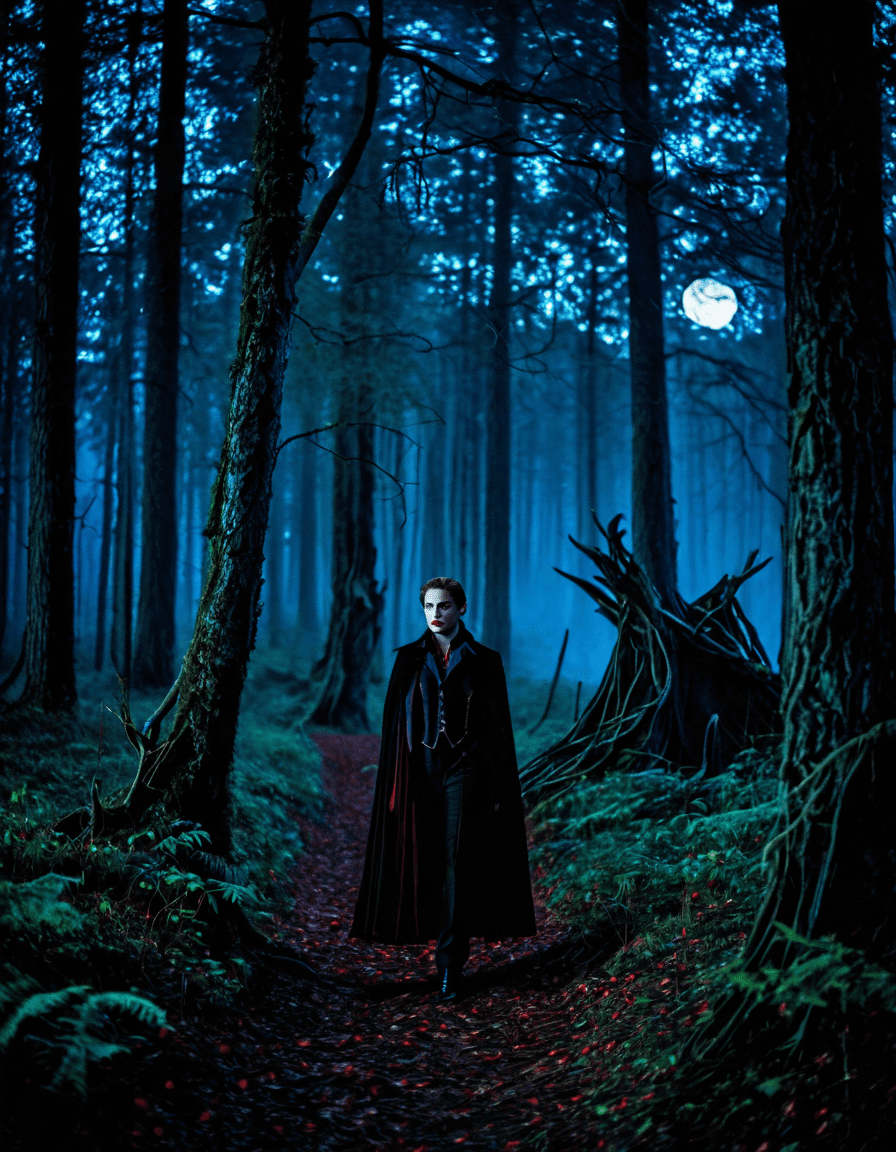
Embracing the Night: The Ongoing Allure of Vampire Stories
The magic of horror films—not merely vampire-themed ones—lies in their ability to evoke deep-seated fears while simultaneously delivering rich narratives ripe for exploration. The vampire movies we’ve discussed showcase how this genre transforms, adapts, and thrives, offering a haunting critique of the human condition. As we step into the eerie possibilities of horror, these timeless tales of the undead will forever echo in the chambers of our imagination.
Whether you’re curling up on a chilly Halloween night or yearning for a captivating narrative, there’s no denying the allure these films have. They beckon us to confront our own darkness, illustrating both our inherent fears and the mysteries that lie in our shadow. So, gather your most fashionable friends, slip into something chic yet cosmic, and embrace the beauty—and horror—of the night.
It’s time to haunt our dreams with stories that weave fashion, fear, and fascination. And darling, through these cinematic gems, you’ll find fear serves not only as a frightful companion but also as a celebration of life’s beautifully complex narratives.
Vampire Movies That Will Haunt Your Dreams Forever
Cinematic Bloodlines
Vampire movies have been captivating audiences for over a century, blending horror, romance, and even comedy into a rich tapestry of storytelling. Did you know that the iconic “Nosferatu,” released in 1922, was the first-ever vampire film and continues to influence filmmakers today? This silent classic set the tone for countless vampire-themed tales that have followed, with titles ranging from “Dracula” to “Let the Right One In.” Speaking of classics, if you’re curious about celebrity connections, such as the delightful Ariadna Pinheiro, who’s been featured in various thrilling genre films, check out her fascinating career.
Interestingly, vampire films often reveal cultural fears and desires. For instance, in the 1985 classic “Fright Night,” viewers are treated to a mix of horror and humor that reflects societal impressions of the supernatural. Notably, Demi Lovato once revealed her love for horror films, particularly the ones that blend real-life issues with fantasy, showing how these chilling tales resonate with audiences of all ages. Such insights make you wonder if there’s more lurking beneath the surface of our favorite vampire flicks.
Famous Fangs and Stellar Performances
Several famous actors have left an indelible mark on the vampire genre. For instance, Susan Lucci, renowned for her roles in soap operas, took a thrilling turn in “The House of the Dead, showcasing a different side to her acting chops. Likewise, the Oscar-winning performances that some actors deliver in horror films can often overshadow their dramatic roles. The road to winning an Academy Award For Best supporting Actor can be truly unpredictable, as illustrated by those who’ve dared to sink their teeth into vampiric roles.
Moreover, the sheer creativity in vampire movies goes beyond just scary scenes. With titles like “What We Do in the Shadows,” filmmakers blend comedy and horror in ways audiences never expected. In fact, the unique experiences of the characters mimic themes found in classic tales, reminding us of the deep bonds human nature shares with the supernatural. For a dive into more intriguing narratives, you might want to explore hits like Awakenings, which share literary roots with the likes of Throne Of Glass tandem read, enriching our perspective on tales of dark enchantment.
Blood-Curdling Trivia
Before you think vampire movies are all about blood and gore, here’s a fun fact: The myth of vampirism is said to be rooted in real historical figures. Of all the vampire legends, tales of creatures like the basilisk emerged from a blend of fact and fiction, capturing the imaginations of many. In our modern storytelling, vampire themes reflect inner turmoil, much like shows such as Prodigal Son, which delve into the complexities of good versus evil in an engaging way.
And if you thought you knew everything about vampire flicks, think again! Actress Brooke Hogan even explored her own interest in the genre in casual interviews, showcasing just how influential these films have become across various facets of entertainment. So the next time you reach for a vampire movie, remember these facts and reflections—they’re as haunting as the films themselves!