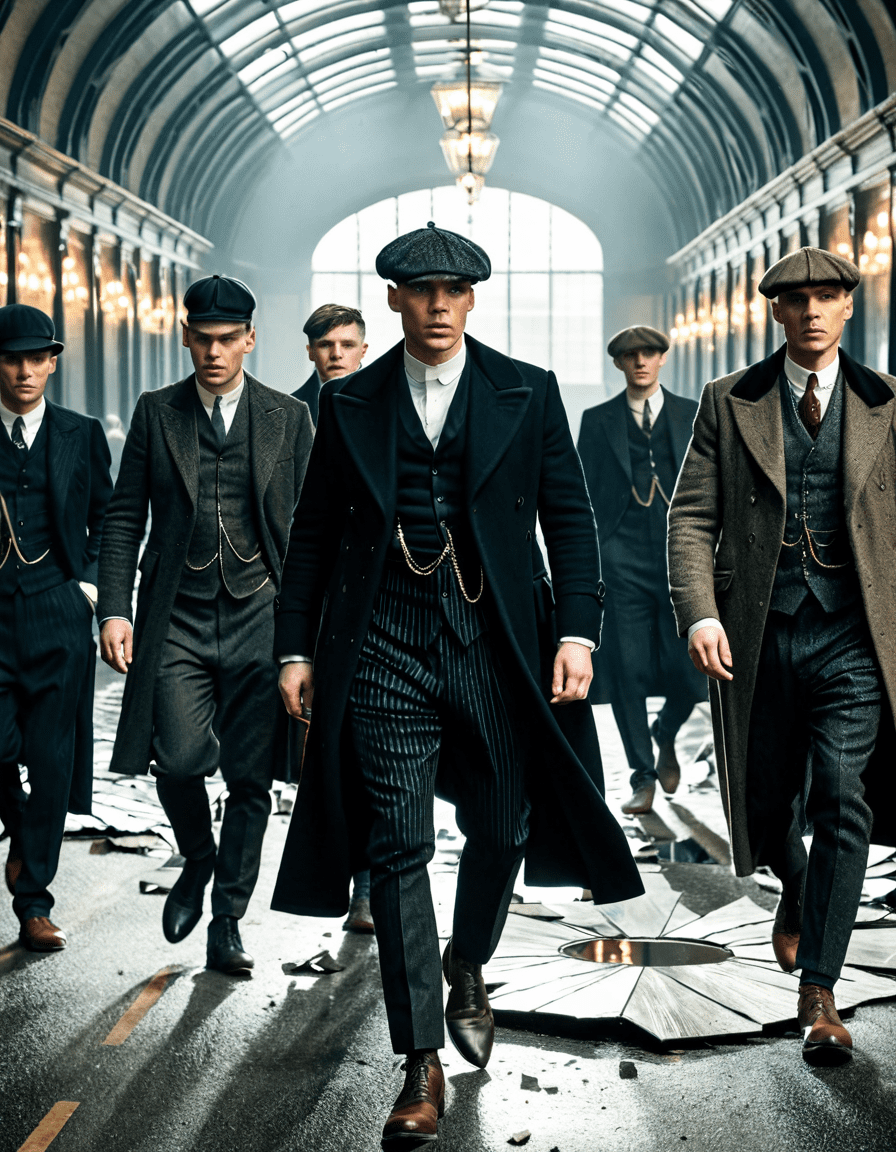
When you dive into The Killing of a Sacred Deer, you’re not just watching a movie—you’re embarking on a haunting journey that elegantly intertwines themes of morality, sacrifice, and the dark corners of human nature. Directed by Yorgos Lanthimos, this 2017 cinematic masterpiece shocks and intrigues, challenging audiences to reflect on our societal values. Just like the biting insights found in To Kill a Mockingbird, The Killing of a Sacred Deer tests the very fabric of ethical dilemmas. Its unsettling blend of the surreal and the tragic resonates deeply, urging us to compare the moral quandaries characters face to those Scout Finch encounters in Harper Lee’s timeless classic.
What makes The Killing of a Sacred Deer truly captivating is how it invites contemplation of life’s weighty decisions. Just as we marvel at the innocence of childhood in To Kill a Mockingbird, we confront the harsh realities in Lanthimos’s world—choices that have life-altering consequences. It’s all about perceptions, choices, and the inherent struggle between right and wrong, leaving viewers with questions that linger long after the credits roll. Much like a classic tale woven with a modern twist, the film explores the essence of sacrifice and the human condition in ways that evoke our deepest fears and desires.
Top 5 Disturbing Echoes: Film Comparisons from Sacred Deer to Cuckoo’s Nest
To truly appreciate the shock and intrigue of The Killing of a Sacred Deer, let’s draw comparisons with some other cinematic gems that evoke similarly intense emotional responses:
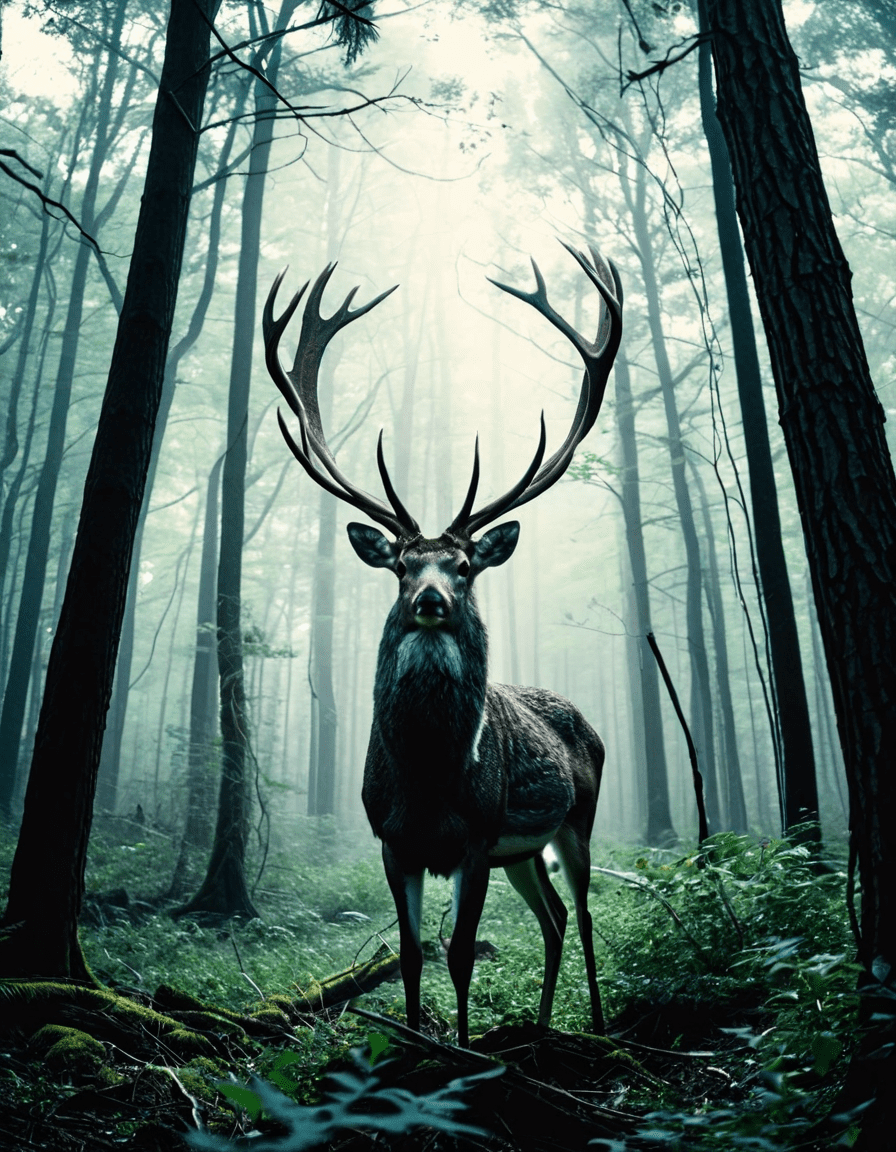
The Cinematic Techniques That Resonate: A Visual Feast of Tension and Uncertainty
Lanthimos’s skill lies in his ability to create a visual landscape that is as shocking as the story itself. Using stark, clinical visuals and meticulously crafted awkward dialogue, he cultivates a dissonance that festers in the viewer’s mind. Such choices ensure the film possesses an unsettling atmosphere, wrapping audiences in a spell of uncertainty.
Moreover, sound plays an essential role in enhancing the film’s tense mood. The jarring transitions of silence to disturbing soundscapes create an auditory tableau that echoes the unsettling themes unfolding on the screen. It invokes an emotional response akin to classic horror, urging us to confront our profound discomfort. The chilling score spins haunting melodies, lacing the moral quandaries faced by the characters with a visceral sense of dread.
On top of this, the use of color and composition elevates the film from just a visual experience to an emotional one. Lanthimos frames scenes that evoke stark contrasts, employing shadows that whisper secrets and hues that spark thoughts—an artful presentation that resonates with audiences on multiple levels. It’s a mesmerizing choreography of tension and uncertainty that lingers long after you leave the theater.
Persistence of Themes: Moral Dilemmas in Contemporary Society
The themes woven through The Killing of a Sacred Deer resonate far beyond cinematic confines, reflecting the complexities of our own societal landscapes. Take modern ethical discussions, particularly surrounding technology and personal choices. Much like the ethical gray areas we navigate daily, Lanthimos encourages audiences to confront their moral compasses—asking ourselves: How far would we go for our family?
In a world where societal pressures ebb and flow like tides, Lanthimos brilliantly captures the essence of personal sacrifice. This echoes contemporary sentiments around digital ethics and the darker sides of human connection. We grapple with moral decisions that shape lives, often reflective of the dilemmas faced in the film.
It’s this persistent questioning of morality that splashes the film’s legacy with color, resonating through the fabric of our evolving society. Just as we ponder relationships with technology or contemplate how far we’d go for those we love, The Killing of a Sacred Deer invites us to continually reflect on the balance between love, duty, and morality—a reminder that the lines we draw in the sand can sometimes wash away.

The Legacy: How The Killing of a Sacred Deer Continues to Influence Cinema
Fast forward almost a decade since its release, the legacy of The Killing of a Sacred Deer continues to inspire both filmmakers and critics alike. Its bold storytelling, rich with challenges concerning control, personal sacrifice, and the essence of humanity, has paved new paths in cinematic exploration. From budding filmmakers to seasoned directors, Lanthimos’s work is often cited as a watershed moment—shifting narratives and sparking dialogues about ethical dilemmas in storytelling.
As we witness new voices emerging in the film industry, we see the remnants of Lanthimos’s influence echoing in both independent cinema and mainstream releases alike. New storytellers are diving into complex characters and moral quandaries that reflect our shared journeys, crafting narratives that push boundaries in a world desperately calling for authenticity.
More than just a film, The Killing of a Sacred Deer serves as a cornerstone for those seeking to combine artistry with poignant commentary. The ethical dialogues it ignited encourage a creative freedom that elevates modern storytelling—inviting the audiences of 2026 and beyond to engage in discourse that challenges societal norms.
Final Reflection: The Resonance of Sacrifice in Narrative
Ultimately, The Killing of a Sacred Deer stuns its audiences not merely through disquieting visuals but through deeply layered philosophical questions surrounding morality and sacrifice. Its clever dance between horror and humor illuminates the darker sides of human existence, pushing us to ponder the sacrifices we’re willing to make for our loved ones.
As viewers in 2026 continue to dissect the film’s intricacies, this cinematic gem remains a pivotal touchstone for discussions on our moral obligations and the shadows lurking in the corners of our choices. The film’s exploration of sacrifice intertwines with contemporary dilemmas, urging us to reflect on what we deem sacred in our own lives. As we navigate through this mélange of ethical challenges, Lanthimos leaves us with a haunting reminder that the heart of human experience beats strongest in the face of hard dilemmas—where moral choices redefine us against the backdrop of sacrifice.
The essence of The Killing of a Sacred Deer lingers, prompting us not only to examine our choices but also to challenge the very definitions of love, morality, and existence itself. Whether comparing it to the likes of To Kill a Mockingbird or linking it to the struggles depicted in classics like One Flew Over the Cuckoo’s Nest, this film stands as an eloquent testament to the narratives that shape and question our lives.
So, as you step away from this cinematic journey, carry its lessons forward—like the potent whispers of cultural commentary echoing throughout generations, The Killing of a Sacred Deer reminds us that ethics and empathy intertwine, crafting the stories we tell and the choices we make.
The Killing of a Sacred Deer: Fun Trivia and Interesting Facts
A Tail of Mystery and Suspense
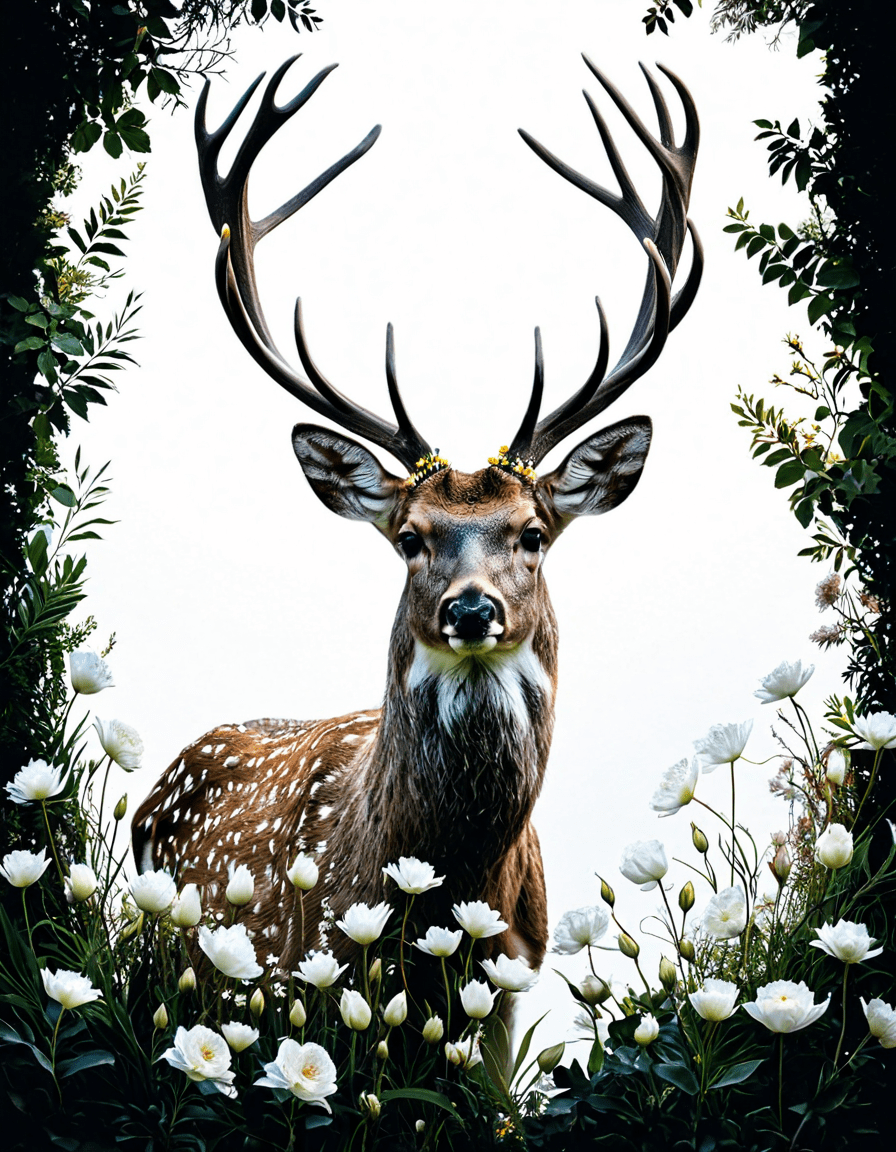
Ever heard of a film that’s both a thriller and a thought-provoking drama? The Killing of a Sacred Deer is a perfect example! Directed by Yorgos Lanthimos, this eerie tale explores the unsettling bond between a surgeon and a mysterious young boy named Martin. What’s fascinating is how the film draws inspiration from Greek mythology. The title itself is a nod to the ancient tale of Agamemnon, who sacrificed a sacred deer for the sake of his own gain. Oddly enough, this theme of sacrifice is reminiscent of the moral dilemmas explored in Civil War Movie Review, where characters face tough choices that question their humanity.
Behind the Bizarre
Did you know that the movie has a rather unique soundtrack? Its haunting melodies create a chilling backdrop that intensifies the drama. Fans of classic rock might appreciate the subtle vibes echoing the sounds of Creedence Clearwater revival, adding layers of retro eeriness. And if you’re looking for a more contemporary discussion on similar themes, the Zohreh Sadeghi podcast dives into moral quandaries that echo through modern stories, much like The Killing of a Sacred Deer does.
Adding to the film’s intrigue is Colin Farrell’s performance. He brings an unsettling charm to his role, much like the antics of Peewee Herman, blending dark humor with moments of serious tension. But what about other genres? The film’s intricate storytelling invites comparisons to futuristic tales like those in Cyberpunk And, where choices must be influenced by moral code versus self-preservation.
The Cultural Impact
The Killing of a Sacred Deer isn’t just a standalone film; it’s part of a larger cinematic conversation. Just as Supergirl has redefined heroic storytelling, Lanthimos’ work reshapes the thriller genre, offering something fresh for viewers craving deeper narratives. Film critic Julian Lewis highlights how this film challenges traditional storytelling conventions, prompting viewers to reflect on their own values. As audiences sift through the layers of this chilling narrative, it’s clear that the line between morality and survival is more blurred than ever.
In a world where films continually push boundaries, The Killing of a Sacred Deer stands out as a haunting reminder—sacrifices aren’t only found in ancient myths but in our everyday lives too. So, next time you watch, keep those parallels in mind. You might just find a deeper resonance that travels far beyond the screen.