F. Scott Fitzgerald’s iconic work, The Great Gatsby, is like sipping the finest champagne at a glitzy soirée: intoxicating and brimming with layers yet reminiscent of a bygone era’s opulence. This beloved novel shines a light on the complex tapestry of the American Dream, intertwining glamor with a critical view of the Jazz Age. It raises essential questions about class, wealth, and identity that resonate with our lives today, echoing through the pages of this magnificent text. Whether you’re lounging at a café or browsing fashion magazines like ours, there’s no escaping the enchantment of The Great Gatsby.
The Great Gatsby: The Allure of the American Dream
At its core, The Great Gatsby serves both as a beautiful account of the American Dream and a poignant critique of its limitations. Fitzgerald captures a society caught in the thrilling lure of wealth, social status, and fleeting happiness. Gatsby’s wild parties are not just grand celebrations; they symbolize the desperate chase for a sense of belonging and validation, which resonates now more than ever in our hyper-connected world. Today’s Instagram posts often showcase curated lifestyles, much like Gatsby’s lavish affairs, prompting us to ponder: Is our pursuit authentic or just a filtered version of happiness?
Moreover, the alluring yet tragic tale of Gatsby and his obsession with Daisy Buchanan strikes a chord. It reflects the pervasive struggle between aspiration and disillusionment. The recurring theme of ‘You can’t repeat the past’ raises the question of whether any of us can truly revive lost dreams, particularly in our fast-paced society. In 2023, this probing question feels relevant as discussions surrounding identity and ambition flourish.

Top 7 Secrets Behind the Great Gatsby’s Enduring Legacy
1. The Notion of Identity: Jay Gatsby vs. James Gatz
Ah, identity—the very essence of our being. The Great Gatsby presents an intriguing duality with Jay Gatsby, born James Gatz. Gatsby, like a stunning couture dress, reshapes himself into an embodiment of success, leaving behind his modest origins. This theme resonates today, as we curate digital personas on platforms like TikTok and Instagram. Just like Gatsby, many strive to forge an identity unattainable in their everyday lives.
This transformation also spotlights the notion of reinvention. With every filter and edit, the line between authenticity and illusion gets blurred. Just as Gatsby sought the validation of the elite, today’s influencers and personalities chase the approval of followers, reflecting society’s obsession with craft and consumerism.
2. The Intricacies of Class Stratification
Fitzgerald expertly weaves the tale of class stratification throughout The Great Gatsby. The stark contrast of East Egg and West Egg exemplifies entrenched social divides. This theme seems eerily relevant as recent studies by Pew Research Center highlight persistent economic disparities, emphasizing that wealth doesn’t guarantee social acceptance.
As you stroll through fashionable districts, you’ll notice brands evolving into symbols—much like the characters in Gatsby’s world. The nouveau riche flaunts their wealth through brands like Columbia Shoes, while the established elite scoff. The exploration of class in Gatsby shows that the more things change, the more they stay the same.
3. Daisy Buchanan: The American Dream Personified
Daisy Buchanan is a character as enchanting as a runway model. She embodies the American Dream—sought after for her beauty, charm, and allure but ultimately as shallow as a fleeting trend. In 2023, the fascination surrounding Daisy revived with a fashionable line inspired by her extravagant parties, illustrating how interconnected literature and pop culture truly are.
Moreover, her character serves a powerful commentary on the emptiness of pursuing material wealth without depth. Readers experience her charm, but are left questioning whether the ultimate prize is worth the emotional sacrifice. Daisy’s allure reminds us to dig deeper than appearances, especially in today’s fashion-forward society, where the image can often overshadow substance.
4. The Great Gatsby 2013: Cinema’s Glorious Return to 1920s Opulence
Baz Luhrmann’s 2013 film adaptation of The Great Gatsby created waves in the fashion world, bringing back 1920s opulence through vivid visuals and an electrifying score. Who can forget that iconic scene with Gatsby’s fireworks illuminating the night sky, much like the sparkly pieces you see from cutting-edge designers? The lush glamour doesn’t just tell a story; it creates a world where dreams and escapism intermingle.
The soundtrack further captivatingly complements this cinematic experience, merging contemporary artists like Lana Del Rey and Jay-Z with Fitzgerald’s prose. These collaborations reinforce the idea that the messages of The Great Gatsby transcend time. As you indulge in lavish fashion, think of how it connects back to those dazzling parties depicted in the novel.
5. The Role of the Narrator: Nick Carraway’s Perspective
Nick Carraway, the novel’s narrator, provides a unique lens through which we view Gatsby’s story. His perspective invites readers to peel back the layers of glamour and excess, provoking us to question what’s truthful amidst the façade. After all, Gatsby’s grandeur conceals a deeply tragic pursuit of acceptance and love.
Notably, Nick’s unreliability adds a curious twist to the narrative. Much like Holden Caulfield from “The Catcher in the Rye,” Nick’s view shapes our understanding of reality. The duality surrounding his account compels readers to evaluate the story in layers, asking: Do we trust Nick, or are we merely spectators in his tale?
6. The Cultural Impact: The Great Gatsby in Academia and Beyond
The Great Gatsby is a staple in educational institutions, often included in high school syllabi and college literature courses. Its literary significance remains relevant, serving as a reflection of modernism and a mirror to society. The cultural waves it creates extend beyond literature into realms like fashion and even viticulture. Did you know that there’s Gatsby wine? Raise your glass and toast to this iconic work at your next gathering!
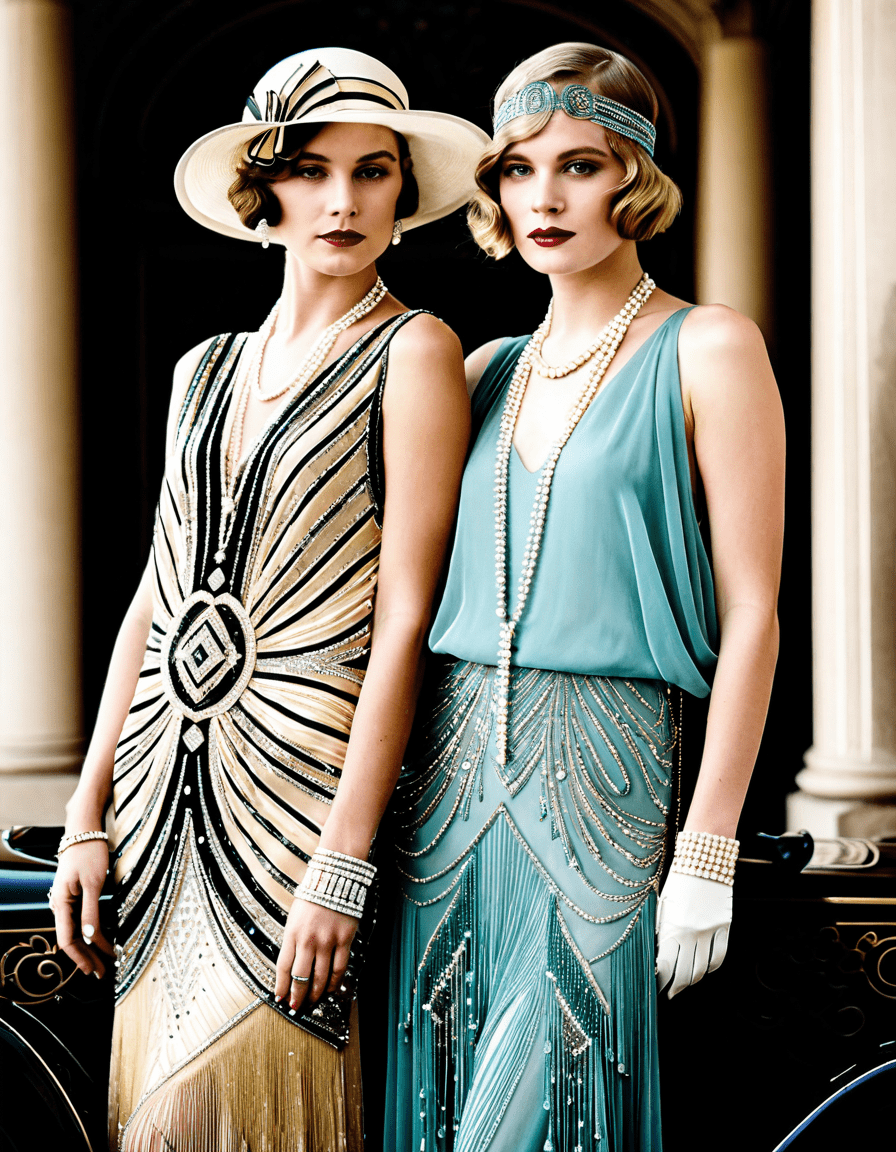
Adding to its cultural relevance, fashion brands also capitalize on Gatsby’s glamour. The return of flapper dresses, cloche hats, and other 1920s styles signify Gatsby-centric trends. Whether at an upscale soirée or a casual brunch, echoes of The Great Gatsby are unmistakable in our modern wardrobe.
7. Social Commentary: The Great Gatsby’s Reflection of 2020s Society
Fitzgerald’s critique of wealth, moral decline, and the everlasting desire for status rings true today more than ever. As we navigate a world rife with social inequalities and materialistic pursuits, we see Gatsby’s world mirrored in contemporary society. Works like The Apothecary Diaries, which also delve into complex characters amid opulent backdrops, further underscore these universal themes.
As we immerse ourselves in 2023, we’re constantly confronted with questions about societal values and personal aspirations, fundamentally urging a reevaluation of what truly matters in life. The voices in Gatsby resonate with our current reality, urging us to reassess our dreams and the means to achieve them.
A Timeless Reflection Through the Ages
The enduring legacy of The Great Gatsby is a multifaceted intrigue interlaced with themes of identity, class, and the pursuit of dreams. As we evolve into the future, the relevance of this masterpiece continues to challenge our perceptions and values. Whether through lively book clubs, visually stunning film adaptations, or academic critiques, Fitzgerald’s dazzling work dares each generation to reflect on their interpretations of the American Dream.
So, dear reader, as you sip your cocktail and don your most fashionable outfit, remember that the lessons from The Great Gatsby apply to us all. Embrace the glimmer while questioning the depth—after all, life’s too short not to dance a little like Gatsby at one of his unforgettable parties. So get ready to live a bit more luxuriously and ponder those precious dreams!

The Great Gatsby The Secrets of a Legendary Novel
Unraveling Gatsby’s Inspirations
F. Scott Fitzgerald’s “The Great Gatsby” is a dazzling portrayal of the Jazz Age, but did you know its inspiration was partially drawn from Fitzgerald’s own life experiences? He was deeply influenced by his time in New York City, a bustling hub of culture and excess. Just like the excitement surrounding the Thursday Night Football Schedule, the city was alive with energy, drawing in the University’s elite and the aspiring masses. Fitzgerald’s observations of the American Dream made their way into Gatsby’s lavish parties, yet behind all that glitz, a poignant tale of lost dreams echoed through the pages.
Hidden Layers in The Narrative
Another lesser-known fact is that the book’s iconic characters often mirror real-life figures of the time. Tom Buchanan, for instance, is speculated to represent socialites Fitzgerald encountered during his life. A fun tidbit: his celebrated style was reportedly inspired by a memorable image of black And white elegance, characteristic of the era’s fashion. Gatsby’s obsession with the past and the lavish lifestyle he curated reflects societal aspirations, much like how people shed their day-to-day lives for a moment of magic, like celebrating a joyous occasion with “feliz cumpleaños hermana.
Music and Mood
Let’s not forget the impact of music on Fitzgerald’s writing. The melancholic sounds of artists like Mazzy Star capture the emotions woven into Gatsby’s tragic love story. Music played a significant role in that era, setting the stage for the glitzy parties and bittersweet moments that define the novel. The characters dance to rhythms that almost echo the optimism of Niall Horans tunes, yet the underlying tones often carry a sense of longing and nostalgia. Fitzgerald’s prose captures a world where behind every laugh is a lingering ache for what might have been, just like those inked Tatuajes en el Brazo para hombre that whisper stories of their own.
In essence, “The Great Gatsby” transcends being a mere novel; it’s a mosaic of ambition, heartache, and commentary on society, forever captivating readers just as enduringly as cultural touchstones like John Redcorn cartoons or whimsical visits to the Little Gym. Each layer, from its characters to the setting, invites us to explore our own dreams and the costs that come with them.