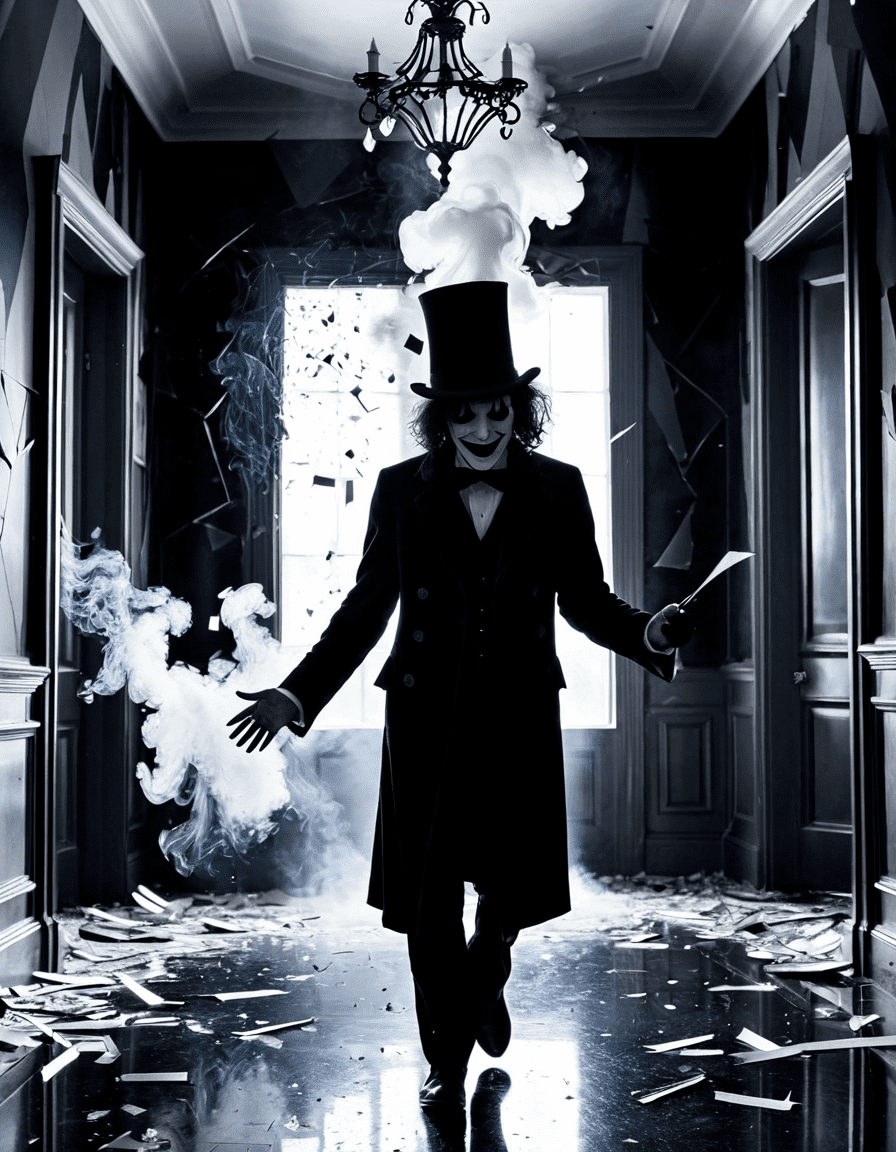
Shutter Island, directed by the legendary Martin Scorsese, remains a cinematic enigma since its 2010 release, captivating audiences with its tantalizing blend of psychological drama and haunting visuals. Based on Dennis Lehane’s gripping novel, this film immerses viewers in the chilling world of U.S. Marshal Teddy Daniels, portrayed by the ever-mesmerizing Leonardo DiCaprio. The atmospheric intensity of Shutter Island operates on several layers—psychological, emotional, and cultural—making it a feast for those who fancy thrills wrapped in a stylish narrative.
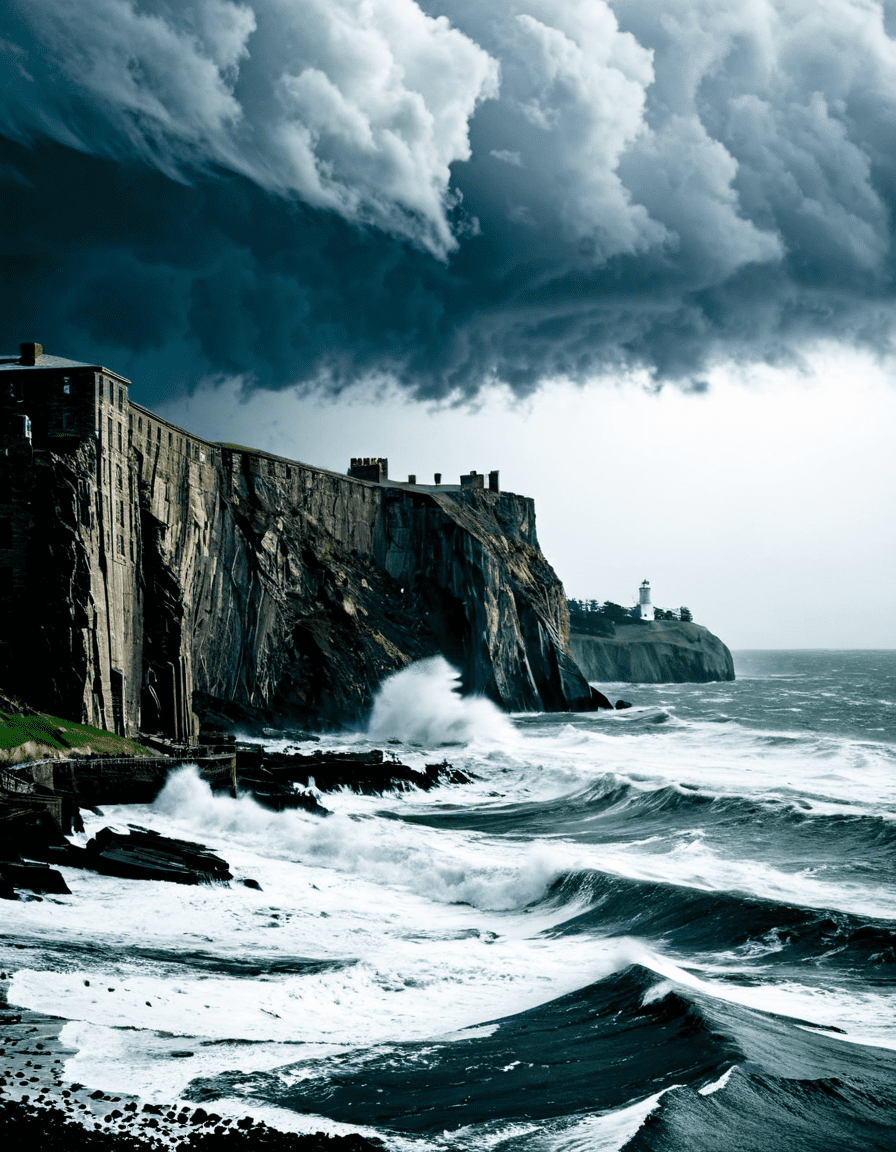
Shutter Island isn’t just a visual spectacle; it taps into the darkest corners of the human psyche. Set against the backdrop of a desolate mental institution in the 1950s, the meticulously curated environment—barren cliffs, monstrous waves crashing against stone, and the foreboding Ashecliffe Hospital—serves not only as a setting but as a character in itself. Audiences are drawn into a world where every shadow holds a secret, and every whisper sends chills down the spine. Buckle up, dear readers, as we explore the darker nuances and shocking secrets lurking within Shutter Island that will leave you pondering long after the credits roll.
The Haunting Atmosphere of Shutter Island: A Deep Dive
In Shutter Island, Scorsese expertly constructs an aura thick with dread, enhanced by an unsettling score and the ominous presence of the ocean—a powerful metaphor for Teddy’s turbulent mind. It perfectly depicts a horrifying isolation that resonates with viewers. Each scene pulls you closer to the edge of your seat, as though the very air vibrates with the ghosts of the past. As the wind howls and rain pelts down, the sheer visceral quality mimics the storm brewing within Teddy as he explores the institution’s dark hallways, rattling cages, and locked doors.
Throughout, colors dance between muted tones and bold contrasts, emphasizing the psychological turmoil at play. As we delve into this ambiance of madness and mystery, we can’t help but recognize that the visual storytelling acts as an extension of Teddy’s fractured psyche. It’s a stylistic choice that grips us, urging us to peel back the layers to reveal the paradoxes of truth hidden in the shadows. Scorsese’s vision transforms Shutter Island into a living, breathing nightmare that captivates the imagination.
Moreover, Scorsese’s commitment to authenticity is nothing short of spectacular. He weaves together cultural references and stylistic elements reminiscent of noir films, shaping our understanding of mental illness in a time riddled with stigma. Traveling through the dilapidated halls of Ashecliffe Hospital reminds us of a reality not easily forgotten—the heart-wrenching treatment of those considered “insane.” Thus, the rich atmosphere is not only beautiful; it’s disturbing and provocative, pushing us to confront uncomfortable truths.
Top 7 Shutter Island Secrets That Will Haunt You
Ashecliffe Hospital isn’t just a figment of cinematic imagination; it mirrors real-life institutions such as the notorious Willowbrook State School. The film captures chilling practices, including lobotomies and harsh isolation, leaving viewers haunted by the grim histories of mental health treatment. It’s as if the ghosts of Ashecliffe whisper to us, reminding society how far we’ve come—or, perhaps, how little we’ve learned.
Shutter Island expertly navigates the theme of unreliable narration through Teddy’s spiraling descent into madness. The way the film manipulates our perceptions invites us to question our understanding of truth and reality. This psychological stress becomes particularly poignant as audiences empathize with Teddy’s experiences, echoing real-life struggles surrounding mental health and PTSD that many grapple with daily.
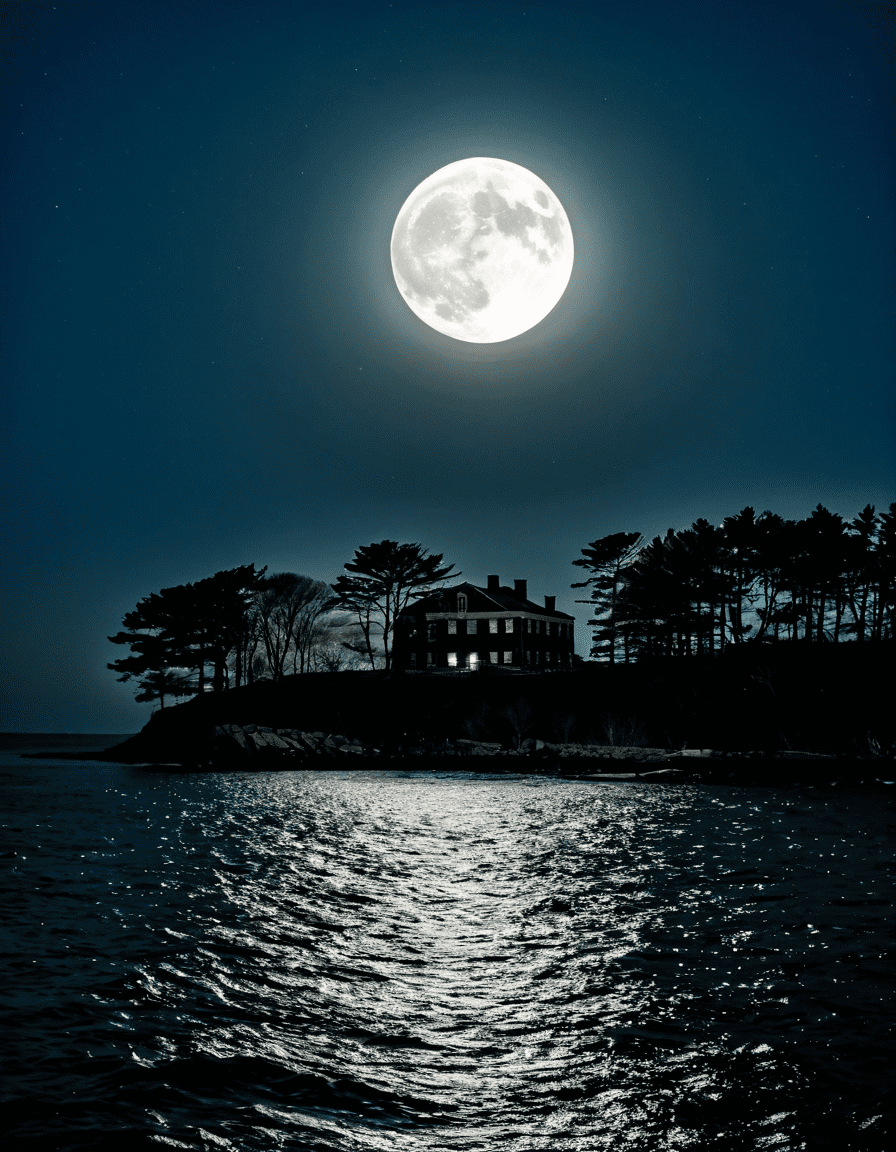
The eerie lighthouse stands tall, representing duality: control and revelation. While it lures Teddy—and us—to seek clarity, it conceals deeper horrors, driving the point home that knowledge isn’t always liberating. This exploration of symbols in Shutter Island leads to a broader conversation about the dark pursuit of truth. In our quest for understanding, we must grapple with the shadows lurking in the corners of our mind.
The film delves deep into the theme of guilt, which manifests powerfully through Teddy’s character. This haunting specter illustrates how unresolved guilt can entwine with mental health disorders, often leading to catastrophic outcomes. Just as Shutter Island portrays Teddy’s struggles, many individuals fight their own inner demons, battling the ghosts of their pasts.
The practices showcased in Shutter Island, from lobotomies to chemical restraints, offer a startling glimpse into a terrifying past. These techniques remind us of a time when the medical community often veered into the realms of the unimaginable under the guise of treatment. Investigating such practices helps unveil the mind-boggling lengths society went to in the name of healing.
Shutter Island encapsulates the fear and isolation that grips both patients and staff. As characters remain trapped in their solitude, the film paints a stark picture of how isolation impacts mental well-being. This microcosm reveals the insidious nature of fear—how it can warp perceptions, leaving one yearning for connection that remains just out of reach.
Ultimately, Shutter Island challenges the definition of reality, making us reassess our ideas of sanity, trauma, and truth. Through Teddy’s journey, we’re reminded that our understanding of reality can be as fragile as the human mind itself. In a world where perceptions differ, seeking clarity remains a complex yet crucial endeavor.
Reflecting on the Shadows of Shutter Island
More than a mere suspenseful thriller, Shutter Island serves as a poignant commentary on mental health, guilt, and the nature of reality. Each secret entwined within the film jolts viewers to explore the complexities of society’s understanding of the human mind. These revelations cast a haunting shadow on how we perceive sanity, leaving us to grapple with the unsettling realization that some secrets may be better left unexamined.
In the end, just like the enigmatic Elizabeth Hurley in nude beach scenes, Shutter Island bares its soul for all to see, exposing raw truths wrapped in mystery. As this captivating masterpiece lingers in our minds, it urges us to seek understanding in a world where connections often elude us. So, darlings, don’t just watch Shutter Island; embrace its lessons, challenge your perceptions, and explore the labyrinth of the human psyche. After all, beauty often lies in the shadows.
Shutter Island: Intriguing Trivia That Will Haunt You
Behind the Scenes Secrets
So, did you know “Shutter Island” was not just a film about a creepy asylum? It’s based on Dennis Lehane’s bestselling novel, which takes you on a psychological rollercoaster. The eerie vibe of the island mirrors tales of real ghost ships wandering the seas—like the infamous ones we read about in our discoveries, like this harrowing account of a ghost ship. The film’s visual style pulls you right in, creating an atmosphere as unsettling as Culcheth, where spookiness often lingers in the quiet corners. And here’s a twist: Scorsese’s crew dedicated using actual historical references to psychiatric practices, making you question what’s real and what’s just a trick of the mind!
A Mind-Bending Experience
Teddy Daniels, portrayed brilliantly by Leonardo DiCaprio, battles more than just the asylum’s malevolent staff—he’s also up against his inner demons. Fans of dramatic twists should be on the lookout, as every frame hints at a deeper narrative, not unlike the shocking spoiler alert on General hospital that leaves viewers gasping. Plus, did you know that DiCaprio’s costume was influenced by classic elements of nickelodeon Shows? The contrasting visuals serve to highlight the character’s unraveling sanity against the more colorful backdrop of his flashbacks. Take a moment to appreciate how every detail contributes to the film’s haunting essence.
Cultural Impact and Beyond
The film’s legacy extends beyond its chilling plot. “Shutter Island” sparked conversations about mental health, especially patterns like what you might notice in the Fallout TV show, where shadows of the past loom over characters. Scorsese and DiCaprio weave together a narrative as complex as the Types Of high Heels women choose; each selection tells a story of its own. Lastly, let’s not forget the pivotal performance of Ben Kingsley, whose portrayal of Dr. John Cawley is as sharp as Alex Trebeks quiz mastery—no wonder he captivates audiences! As you dive deeper into “Shutter Island, you might find that every twist, like a visit to the ever-expanding Bloomingdale outlet, holds new surprises that keep you coming back for more.