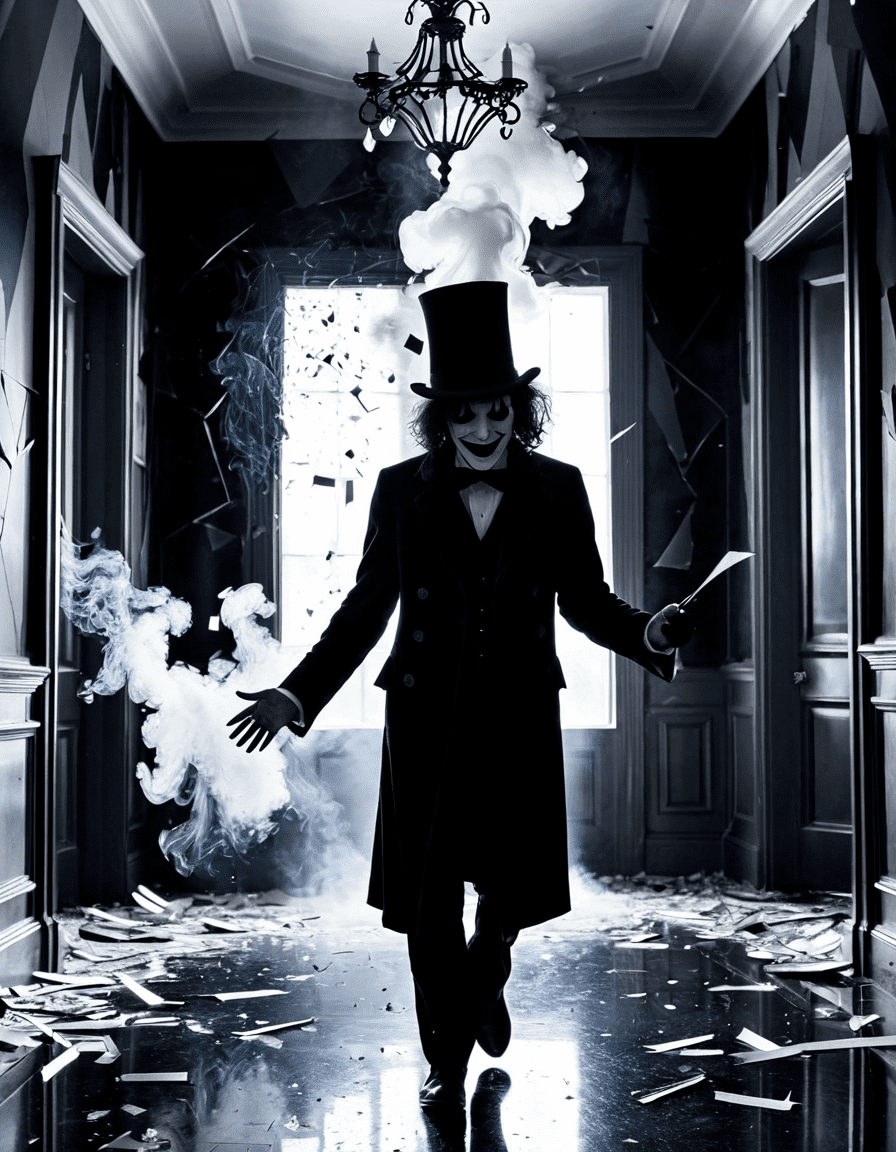
Art has long drawn inspiration from the depths of human suffering, a theme poignantly explored in the iconic Joker movie. Released in 2019 under the masterful direction of Todd Phillips, this film transcended simple entertainment to become a cultural touchstone that encapsulates how personal turmoil can be transmuted into mesmerizing artistry. The Joker movie bravely confronts daunting topics such as mental health, societal alienation, and the consequences of neglect, all woven into a haunting narrative captured in vivid detail. Let’s embark on a journey to explore how this masterpiece reshapes our understanding of suffering and creativity, examining parallels across various genres and illustrious films that echo its themes.
7 Ways the Joker Movie Shapes Our Understanding of Emotional Pain
Nothing says raw and real like the portrayal of Arthur Fleck in the Joker movie. Unlike the glossed-over versions of struggle often found in other films, such as the Sonic movie series, which flirts with self-identity but avoids the gritty truths, Joker immerses us in the psychological labyrinth of mental illness. We experience Arthur’s trials, which spark pivotal conversations around empathy and mental health. The stark realism serves as a powerful reminder that understanding and compassion are paramount in addressing mental health issues—not mere stigma.
Tragedy, the beautiful and terrible muse of cinema, often becomes the backbone of character arcs. While movies like the bonkers Madagascar series showcase delightful adventures, the Joker movie flips the script. Arthur’s story represents a harrowing reflection of societal failures rather than a quest for joy. This juxtaposition highlights the need for a historical lens in storytelling, creating a deeper comprehension of character motivation and emotional gravity.
If you think the soundtracks to the Transformers movies set the stage for thrills, wait until you hear the haunting audioscape of Joker. Crafted by the talented Hildur Guðnadóttir, this score envelops the viewer in Arthur’s anguish, forging a visceral connection that transcends the visual experience. Music functions as a narrative thread, emphasizing sorrow and longing, further solidifying how agony can metamorphose into striking artistry.
Joaquin Phoenix’s metamorphosis into the archnemesis we now know as the Joker exemplifies how transforming one’s physicality can be artful mastery. His jaw-dropping weight loss and immersive performance reveal the lengths actors like Phoenix will traverse to portray raw human emotion. It’s reminiscent of the artistry involved in character design in the Robots movies, where robotic forms showcase a heightened expressiveness of humanity. Both reveal that beauty often emerges from the pain of transformation.
Against the backdrop of societal indifference, Arthur Fleck’s decline into madness serves as a critical lens on the fragility of the human condition. Unlike the buoyant heroism celebrated in F1 movies, where challenges seem surmountable, Joker strips away that veneer, exploring the tragic consequences of neglect, alienation, and despair. This raw portrayal ignites essential discussions about compassion in contemporary society, reminding us that we’re all interconnected.
The cinematography in the Joker movie is a feast for the senses, employing stark, deliberate visuals to amplify the narrative’s emotional weight. Each frame eerily captures Arthur’s loneliness and dread, standing in contrast to the colorful escapades crafted in the Madagascar series. Wouldn’t you say that visual storytelling should evoke visceral responses? The Joker movie is proof that images speak volumes, enabling the audience to feel the protagonist’s psychological turmoil.
The resonance of the Joker movie has sparked rich discussions about its legacy and broader implications for society. Unlike big-budget franchises like Transformers, where fan discussions often revolve around spectacle, the Joker cultivates an organic dialogue that extends beyond the screen. Its exploration of human pain has fostered community conversations, demonstrating how art can inspire deeper reflections and connections rather than mere consumption.
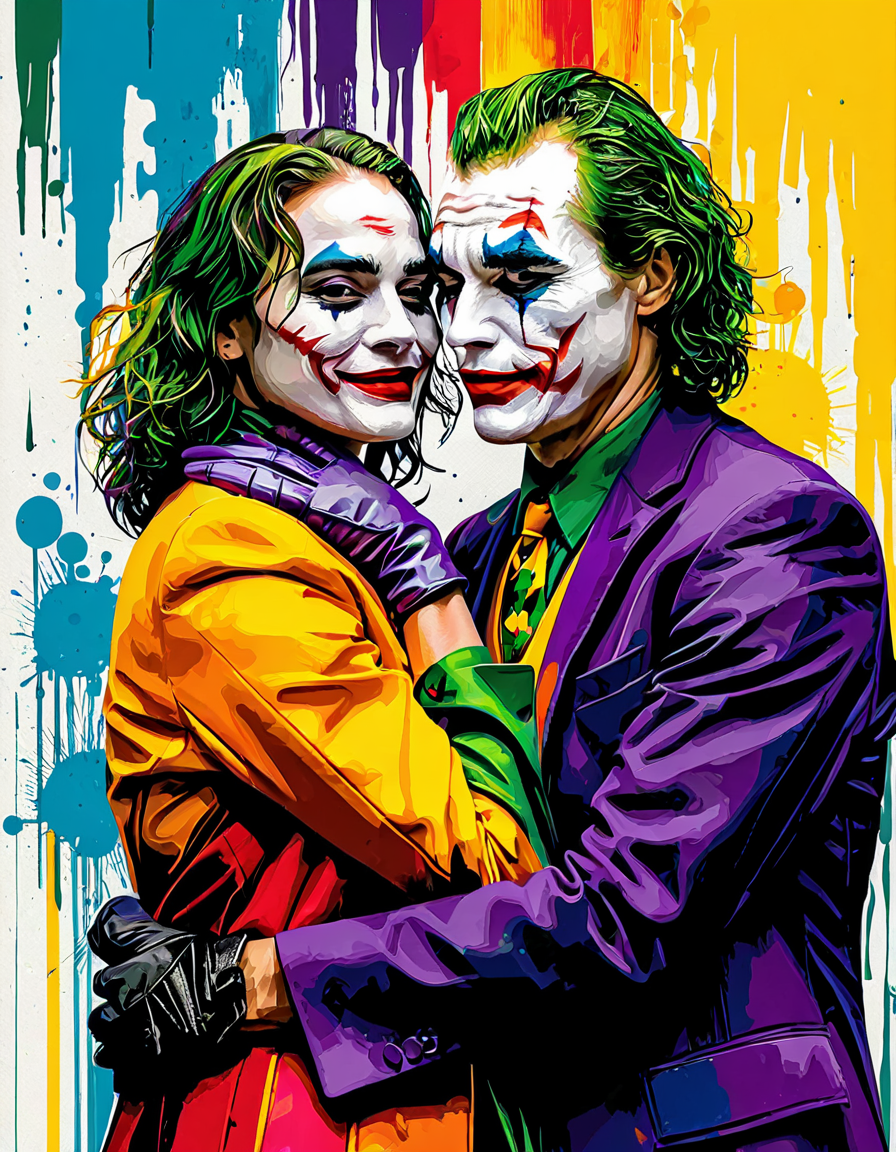
The Enduring Legacy of the Joker Movie in Contemporary Cinema
As we witness various narratives in cinema—from the innocence explored in Sonic to the relentless ambition captured in F1—the Joker movie remains a solitary gem. Rather than glorifying heroics, it compels viewers to confront the discomfort of human sorrow. You see, in a world saturated with digital entertainment and animated escapades, the unfiltered rawness of Joker is a refreshing reminder of the potential of film to evoke empathy and spark transformation.
Through this thorough exploration of how suffering deepens the connection between creativity and story, we come to understand that agony serves not only as a plot driver but also as an unyielding source of inspiration. As audiences continuously engage with these layered narratives, it becomes increasingly clear that the interplay of light and darkness is vital in cultivating a richer understanding of the human experience. In essence, Joker might just be a movie, but it crystallizes the beauty and complexity of pain when transformed into artistry, solidifying its place as an enduring touchstone in contemporary cinema.
Joker Movie: Trivia That Transforms Pain Into Artistry
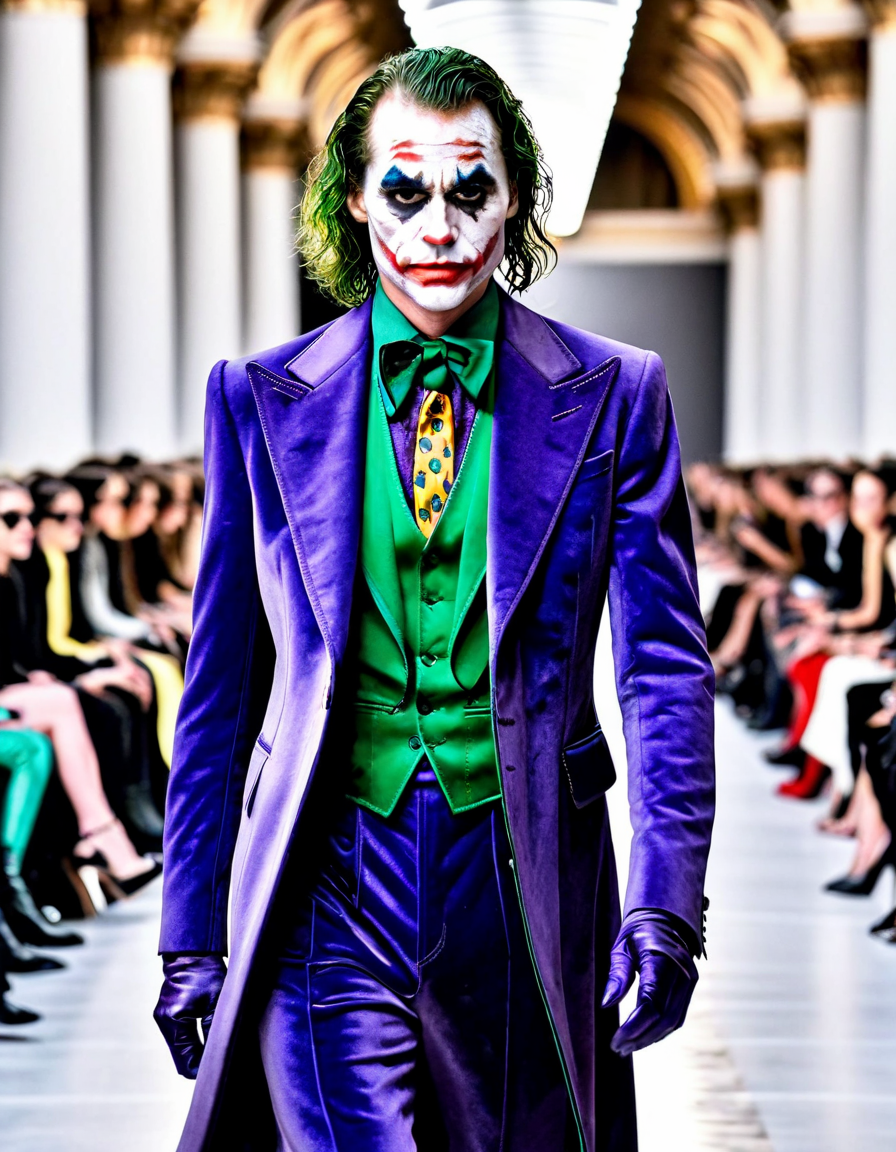
Iconic Inspirations Behind the Joker
Did you know that the unforgettable performance by Joaquin Phoenix in the Joker movie draws heavily from real psychological struggles? Some have likened it to how Cloverfield captured the raw intensity of human emotion amid chaos. In crafting his character, Phoenix’s approach was profoundly nuanced, reminding audiences of historical portrayals, such as those in classic horror that blur the line between reality and madness, much like those found in Stumptown and its character-driven storytelling.
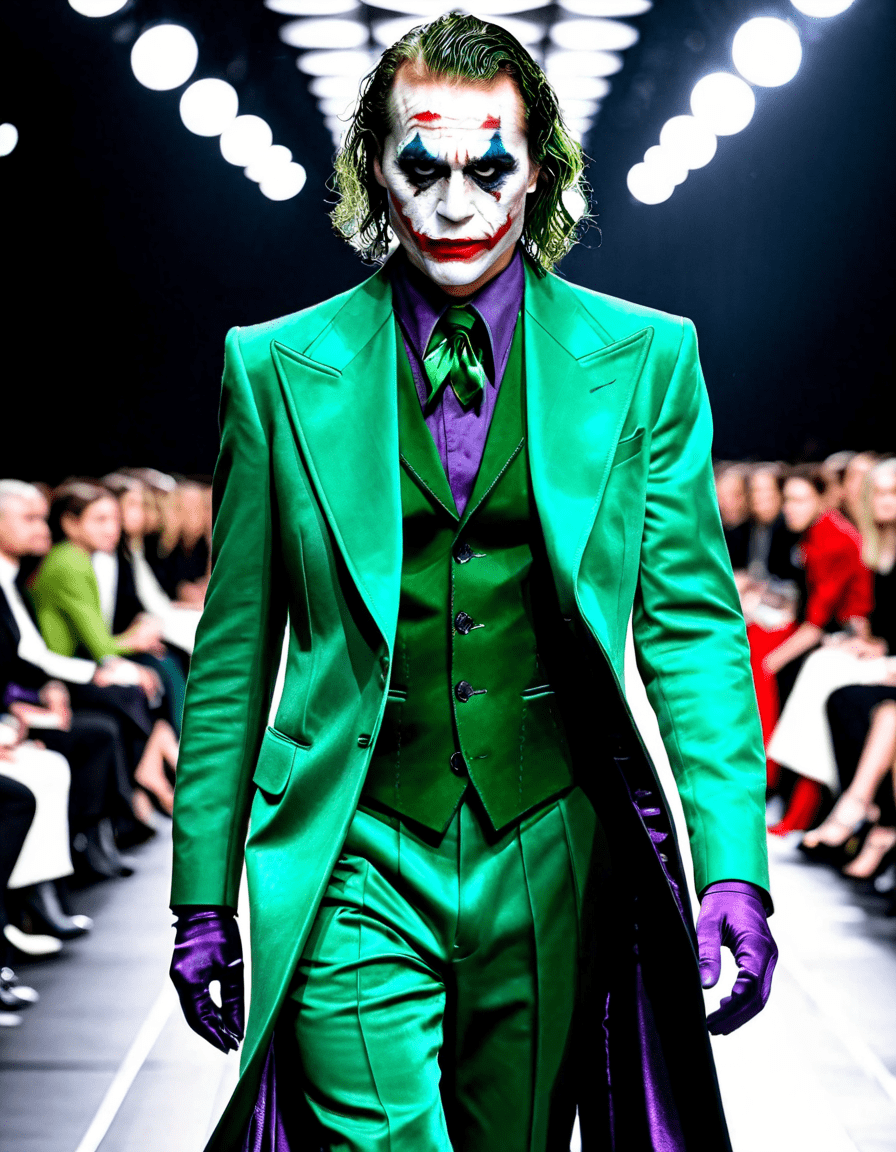
Additionally, the film’s artistic choices, from lighting to wardrobe, resonate with fans of vintage styles. Think of the ever-popular vintage graphic Tees—just like the Joker’s retro-inspired ensemble, they serve as a reminder that art and nostalgia interconnect beautifully. It’s fascinating how these everyday elements swirl together in such impactful storytelling.
Behind-the-Scenes Revelations
While crafting the Joker movie, director Todd Phillips aimed for authenticity. He pulled from real-world struggles, infusing layers of societal commentary. His choice to explore Arthur Fleck’s transformation reflects the brutal realities many face today, akin to the compelling narratives portrayed by actors in films like Barbarian and the personal journeys depicted in Shailene Woodley movies And TV Shows. Phillips reminds us that pain often becomes the catalyst for true artistry.
Moreover, let’s not forget Daryl Mccormacks role in shaping the cinematic landscape today. With rising stars like him, the industry seems to thrive on fresh perspectives, much like how Bill Hudson and Betsy Palmer once captivated audiences with their riveting performances. The tapestry of talent in Hollywood continues to evolve, ensuring stories like the Joker movie stay relevant and thought-provoking for years to come.