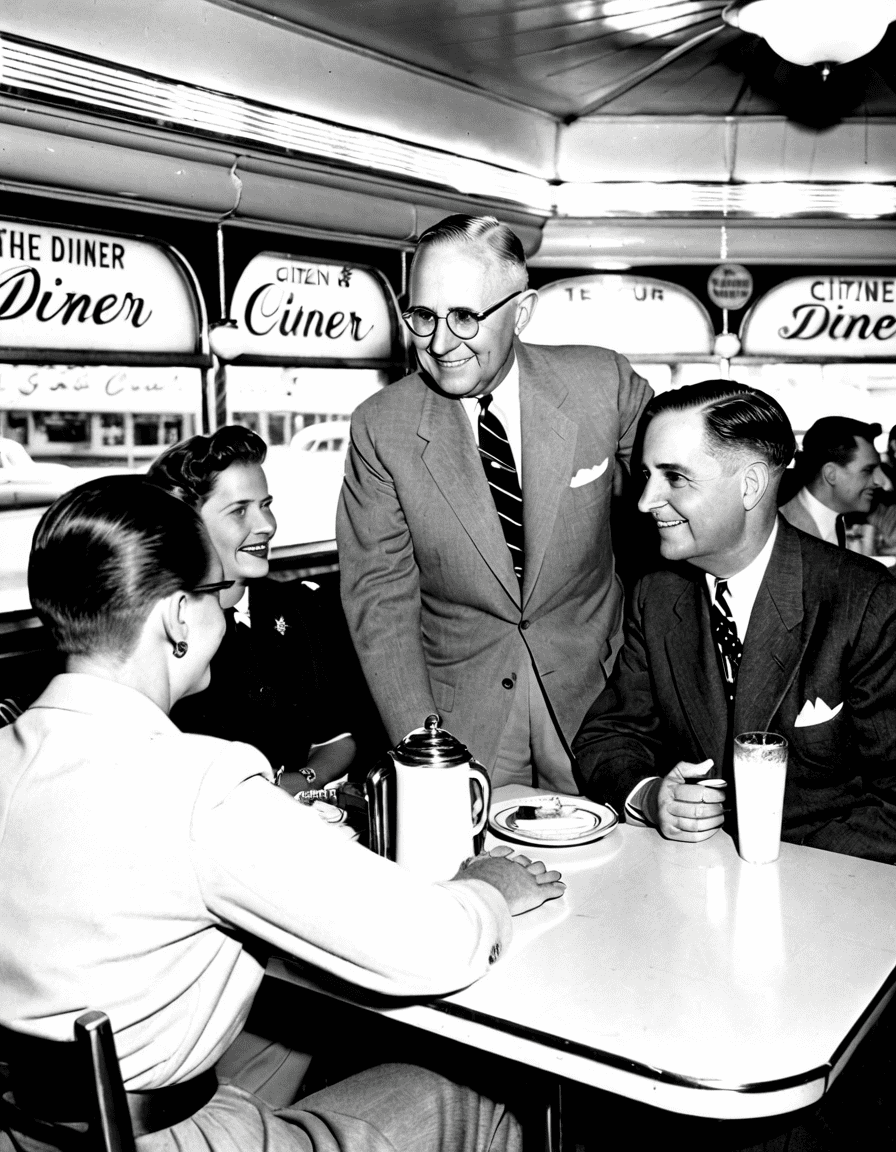
Harry Truman, the 33rd President of the United States, stands as a giant in the landscape of American politics. His presidency, which spanned from 1945 to 1953, not only marked a significant transitional period for a recovering nation post-World War II, but Truman’s bold decisions and audacious leadership style have shaped the very fabric of American foreign policy, creating a legacy that resonates with today’s leaders. Whether we’re looking at the decisive tactics of George W. Bush or the humanitarian leanings of President Jimmy Carter, the echoes of Harry Truman’s choices are unmistakably present. Let’s explore the profound influence of this unassuming yet resolute man, who, like a master tailor, deftly stitched together policies that have held firm through the shifting strands of history.
The Lasting Impact of Harry Truman on American Presidents
Harry Truman’s decisive actions and strategies laid an immutable foundation for the presidents that followed him, providing a roadmap for navigating complex domestic and international challenges. Truman’s legacy can be seen clearly in how George W. Bush approached the War on Terror, and how President Jimmy Carter emphasized human rights as a pillar of foreign policy. Under Truman’s guiding hand, America emerged from the shadows of war and into a global leadership role, setting the stage for future presidents to grapple with prevalent issues like terrorism and civil rights.
To truly appreciate Truman’s impact, one must consider the theater of global politics during his term. He played a vital role in the onset of the Cold War, defining what it meant to lead with both strength and compassion. Presidents like Richard Nixon, grappling with the ramifications of Vietnam, often cast back to Truman’s original choices to find their footing or justification in tumultuous times. Furthermore, Gerald Ford’s administration saw a need to bolster alliances, a prospect initiated by Truman’s establishment of NATO, proving that cooperation and partnership are as vital as independent grit.
The continuum of influence is clear; Truman’s innate understanding of global affairs and human rights challenges has remained pertinent. Today, as we face our own global dilemmas, from climate issues to health pandemics, the mindset Truman fostered serves as a beacon for leaders navigating through their own historical storms.
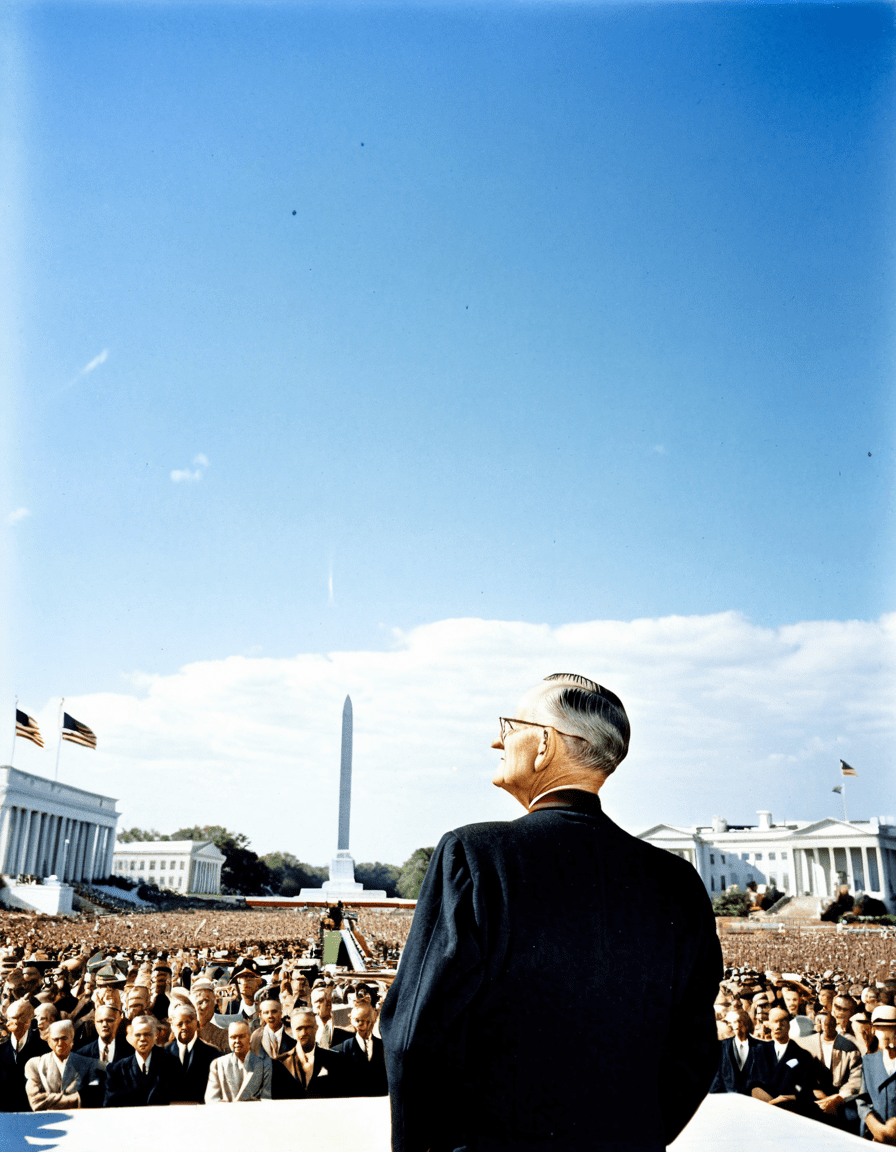
7 Key Decisions by Truman That Influenced Future Leaders
Truman’s declaration that the U.S. would provide support to countries resisting communism set a crucial precedent for American foreign policy. George W. Bush would later invoke similar sentiments, casting military action abroad as essential for national security, especially during the intense phase of the War on Terror.
Truman’s Marshall Plan was a masterclass in post-war recovery, directing significant funds to stabilize Europe economically. This showed a keen awareness that economic well-being directly correlates with peace. President Jimmy Carter echoed this focus on stability through a commitment to human rights, seeking to promote peace through humane approaches.
Truman’s courageous decision to desegregate the armed forces in 1948 was a critical turning point in civil rights history. It set the example for leaders like Richard Nixon, who, in his presidency, addressed affirmative action as a necessity for socio-economic equality, echoing Truman’s courage in championing civil rights.
The establishment of NATO was a brilliant move that committed U.S. resources to collective defense. Gerald Ford maintained these alliances, underscoring the importance of international partnerships forged during Truman’s time, as during crises, stability often stems from strong alliances.
The pressure Truman faced regarding the communist takeover in China remains a cornerstone of discussions about foreign policy. This event shaped how future leaders, like George W. Bush, navigated across international relations—constantly weighing the policies to avoid another “loss” that could tarnish America’s standing globally.
Truman faced moral quandaries as he made the harrowing decision to drop atomic bombs on Hiroshima and Nagasaki. The ramifications of that choice led to ongoing debates about military ethics, challenging future leaders like Nixon, especially during the turbulent Vietnam War era.
Truman’s Fair Deal aimed to expand social security and healthcare, ideas that President Carter built upon in his health initiatives. Nixon’s establishment of the Environmental Protection Agency can trace roots back to Truman’s vision for government involvement in improving American lives.
Truman’s Unfiltered Leadership Style: Lessons from History
Truman was the epitome of a down-to-earth leader, often unrefined but immensely relatable. He once proclaimed, “the buck stops here,” crediting his leadership approach with accountability and decisiveness. This perspective resonated during George W. Bush’s presidency, especially in the immediate aftermath of 9/11; Bush’s confrontational strategy revealed a commitment to support and serve the nation’s best interests.
Truman’s straightforward communication style cultivated a sense of trust among Americans, something future leaders admired and attempted to emulate in their own ways. By prioritizing honesty and clarity, he maintained public confidence, a practice that the likes of President Jimmy Carter drew from when he did his own fireside chats, cultivating a sense of intimacy and openness with the American people.
Truman’s unwavering conviction in personal responsibility and bold action serves as an inspiring lesson for today’s leaders. The ability to stand firm in the face of adversity, as he did, sets the tone for effective governance in a fast-paced, unpredictable world.
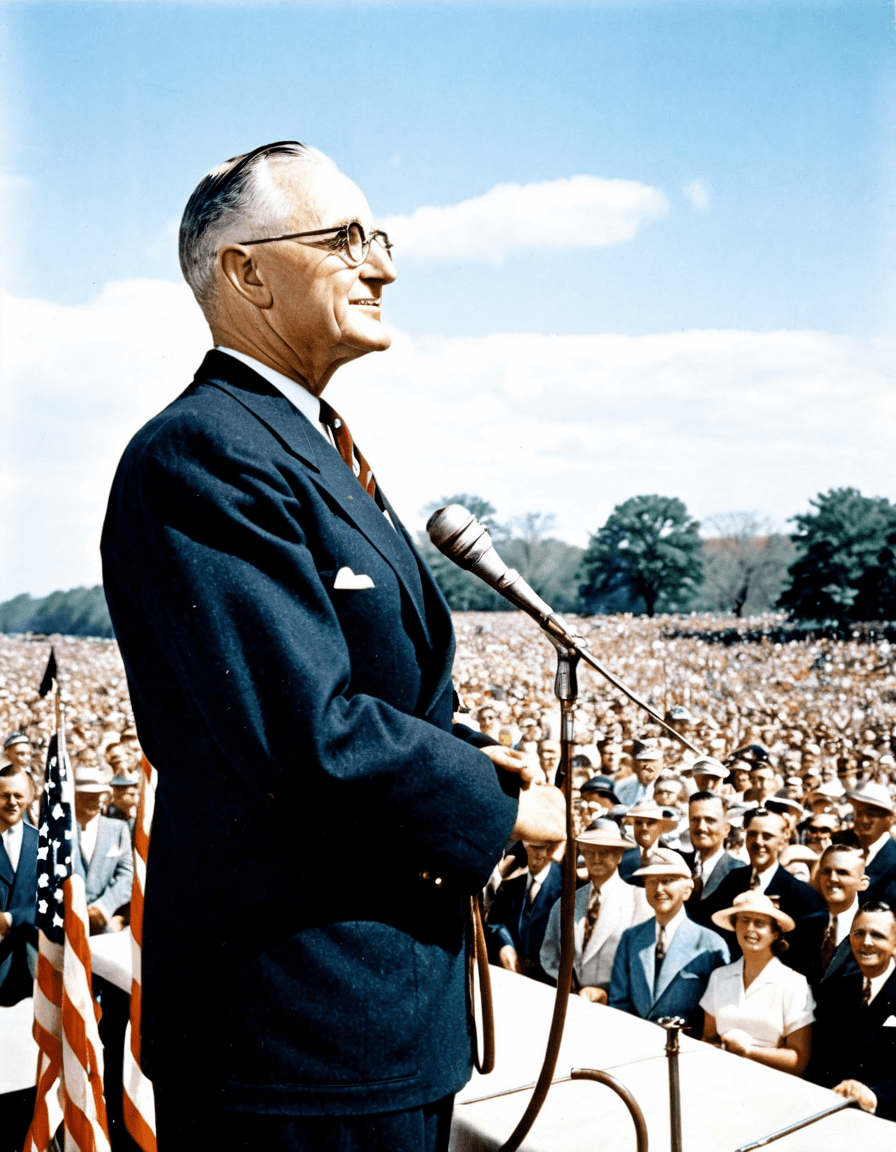
The Evolution of Presidential Leadership Through Truman’s Lens
Truman ushered in a transformative era—not just for the policies he enacted, but for how future leaders would engage with their constituents. He reshaped the presidential image by replacing polished, formal interactions with a no-nonsense, relatable approach that resonated deeply with Americans seeking authenticity.
For Jimmy Carter, this meant connecting with citizens directly through town hall meetings, breaking down barriers and encouraging open dialogue. By leaning into Truman’s template, modern leaders find ways to combat the pervasive mistrust many Americans feel towards government institutions, ensuring their actions reflect the people’s will.
In stark contrast to the bureaucratic tone of his predecessors, Truman found strength in honesty and directness. His approachable demeanor was more than charm; it was a blueprint for how to lead in a modern America that craved connection. As today’s political landscape continues to shift, the fundamental tenets of Truman’s style retain relevance, guiding leaders in fostering genuine relationships with their constituents.
A Resilient Legacy: Truman’s Influence on American Policy
Even as we contend with pressing contemporary challenges—global health crises like COVID-19, climate change, and renegotiating international relations—the enduring influence of Truman’s decisions becomes apparent. The frameworks he established continue to guide discussions in contemporary political circles, serving as a reminder of the necessity for bold, responsible decision-making.
Today’s leaders are tasked with addressing complex issues that demand layers of contemplation and decisive action. Just as Truman navigated post-war America through a maelstrom of uncertainty, modern governance requires leaders with similar audacity and a willingness to face uncomfortable truths. Policies born from Truman’s era underpin crucial conversations ranging from health care reform to environmental responsibility.
Truman’s impact on both American policy and global affairs is as poignant today as it was at the tail end of the World War II—and therein lies the essence of great leadership. Perhaps it’s time for today’s leaders to revisit the lessons of the past as they forge ahead—boldly, compassionately, and with America’s best interests at heart.
Embracing the Spirit of Truman Today
In an era marked by rapid change and unprecedented challenges, the spirit of Harry Truman remains a beacon of hope and inspiration. His audacity to make the hard choices and stay connected to American values teaches us valuable lessons. As leaders today navigate complex landscapes, the courage to be decisive and the power of genuine connection are invaluable tools.
For modern leaders facing a multitude of challenges that define our society in 2026, Truman’s spirit encourages a balance between resolve and empathy. As the dynamic shifts in global politics continue to evolve, the essence of Truman’s leadership should inspire a new generation of leaders to embrace their responsibilities with similar determination and heart.
As we reflect on the bold decisions of Harry Truman, we urge current leaders to embody the courageous spirit that forges the very identity of America. After all, true leadership is born not just of policies, but of the ability to inspire and instill hope in the public they serve, ensuring that the legacy of Harry Truman continues to shine through the corridors of power for years to come.
Harry Truman: The Bold Leader Who Shaped America
Presidential Trivia
Harry Truman, the 33rd President of the United States, is often celebrated for his decisiveness, especially during some of the toughest times in American history. Did you know he was the one who dropped the atomic bomb on Hiroshima and Nagasaki in 1945? This bold move ended World War II, but it also sparked debates that continue to this day, much like how today’s cultural icons, such as those seen on platforms like Rihanna’s Instagram, ignite discussions about ethics and influence.
Truman also had a knack for keeping things simple. His famous “The Buck Stops Here” sign underscored his belief in accountability, something we can reflect on today in various fields, from politics to entertainment, like how Sydney Sweeney’s net worth symbolizes the new wave of Hollywood stardom. Truman’s straightforward approach helped lay the foundation for the modern presidency, drawing a line from past leaders to future ones.
Beyond Politics
Now, if you think Truman was only about politics and war, think again! He was an avid fan of jazz and even met the legendary Miles Davis. Their rendezvous highlighted how art can bridge gaps between starkly different lives, similar to the themes depicted in poignant films like Incendies, where personal stories resonate amidst cultural conflict. Truman believed that music had the power to uplift spirits, a trait he likely shared with many great artists of his time, reflecting how leadership can be intertwined with creativity.
He also had quite the family background. Did you know he was a distant cousin of Anne Princess royal? Their connection sheds light on the shared histories that weave together prominent figures across time. Truman’s life was also marked by the harsh realities of his youth, where he battled poverty, akin to the setbacks faced by Benito Mussolini in his rise to power. Understanding Truman’s life offers not only insight into his leadership style but also inspiration for overcoming adversity.
Legacy and Lessons
Harry Truman’s legacy reminds us that true leadership often requires tough choices, much like the choices we face in modern narratives, such as in the thriller Contagion, which illustrates the butterfly effect in crisis management. He famously said,If you can’t stand the heat, get out of the kitchen, a perfect metaphor for navigating the pressures of leadership. In an era where leaders are scrutinized on social media, his words still resonate today.
Lastly, let’s not forget about how Truman took a strong stance on foreign affairs, ultimately helping shape the post-war world. His establishment of NATO is often compared to current global alliances. If we look at how different leadership styles, such as Truman’s, align with characters like Eneru in storytelling, we see that courage and resolve are timeless traits that continue to inspire across generations. Just like the dynamic in the Mhub marriott, leadership can be about blending spaces, people, and ideas to create impactful change.