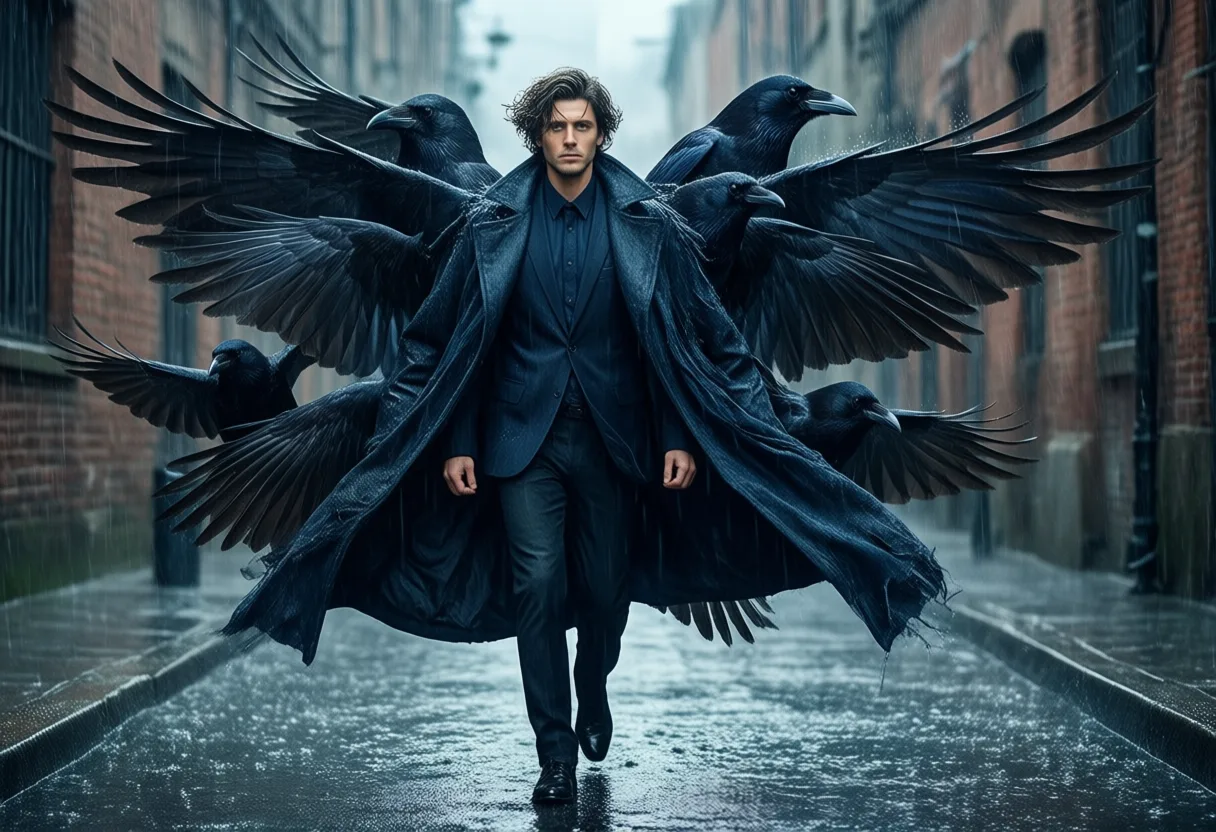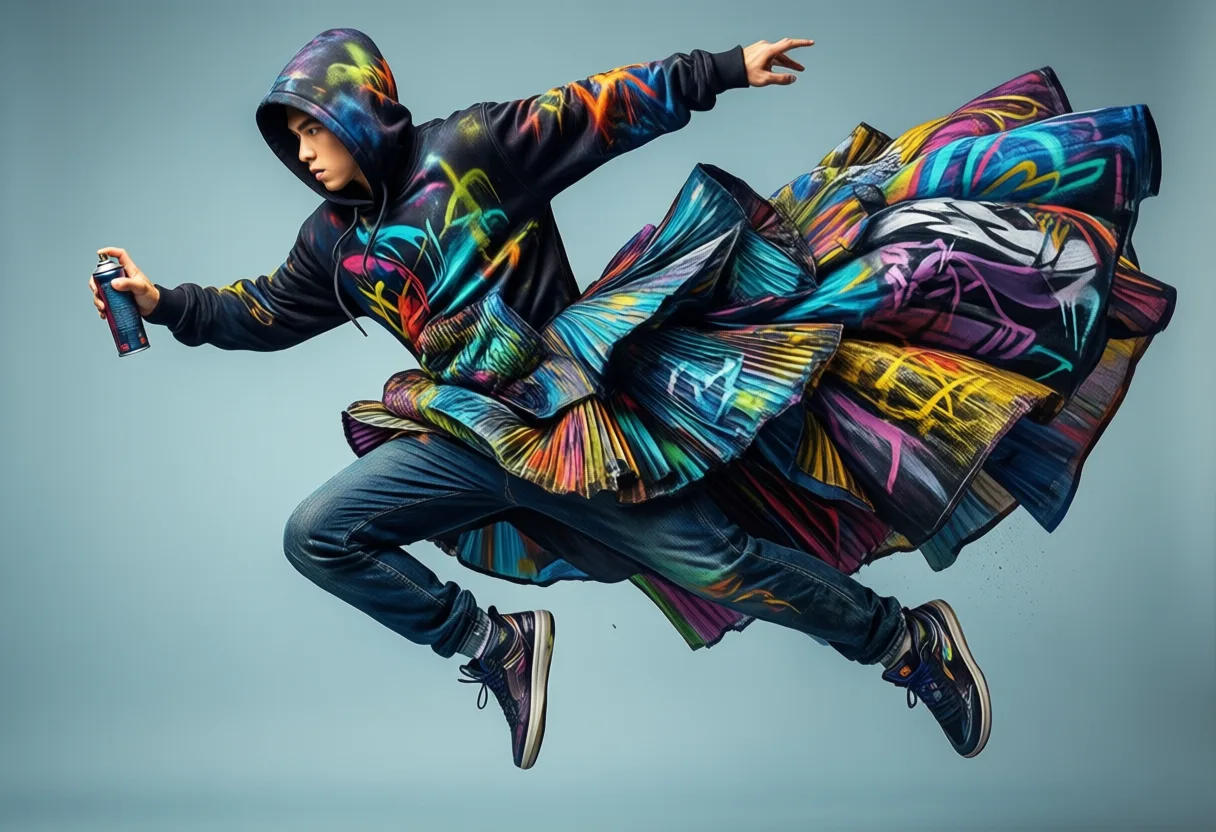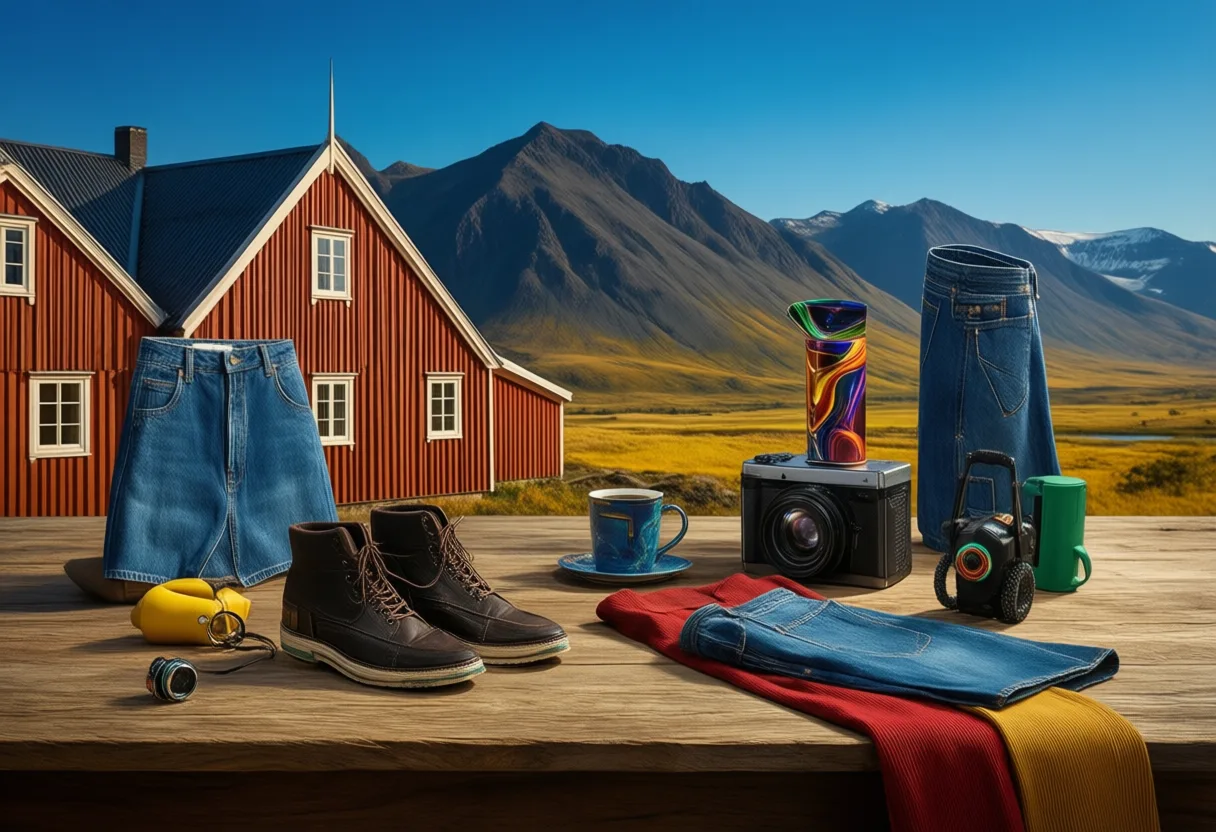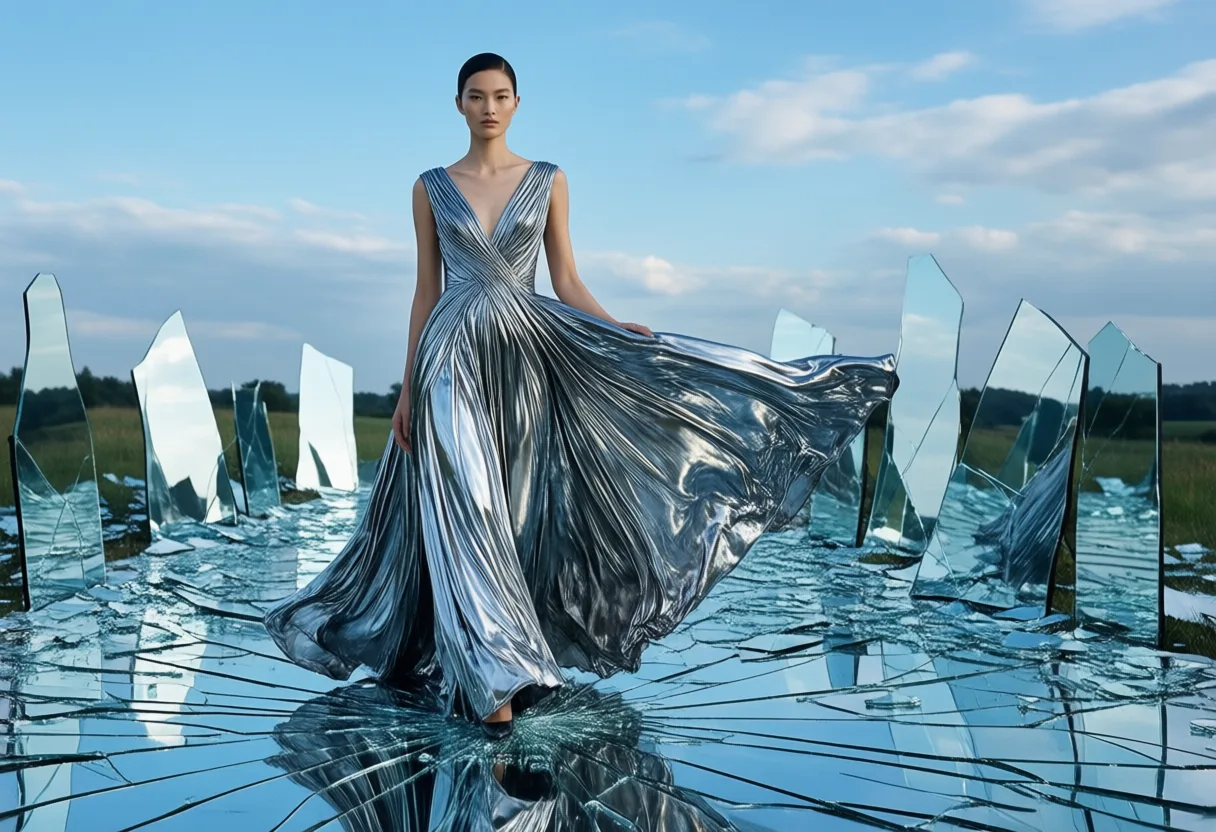
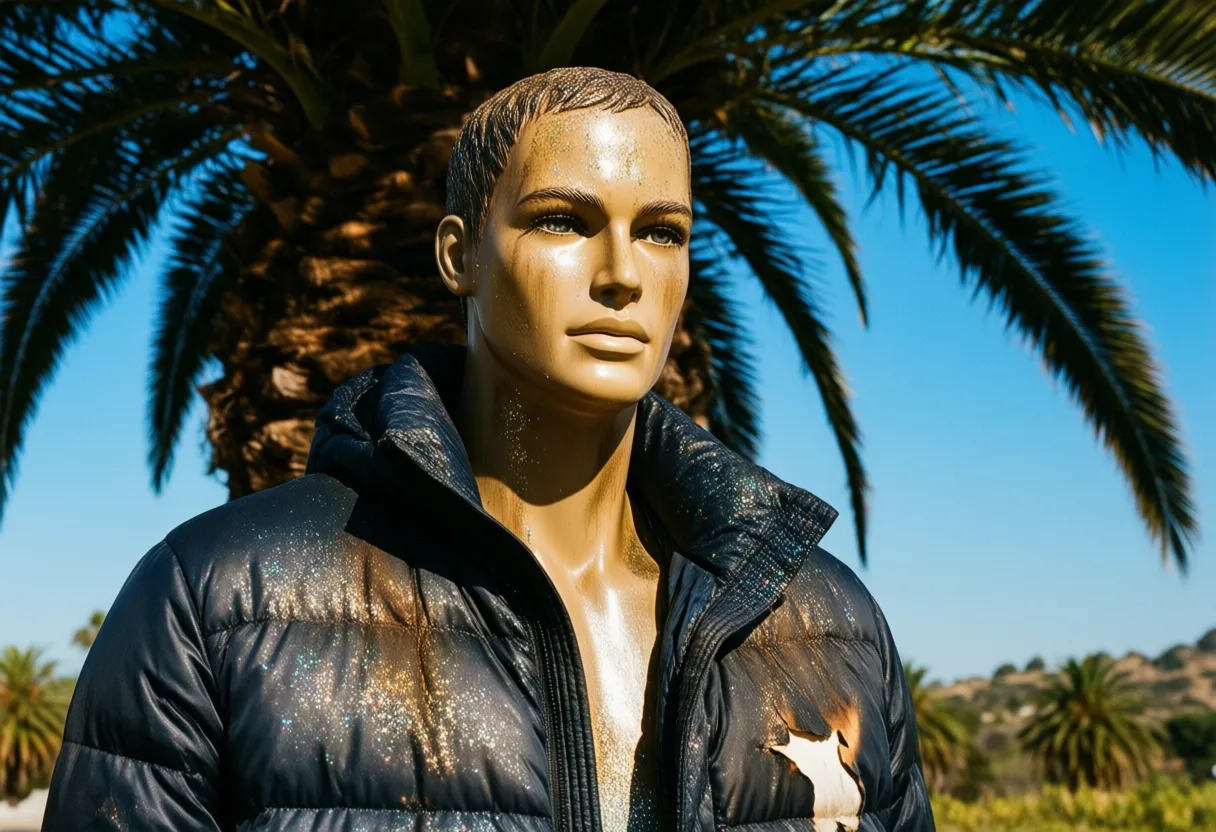
They return like ghosts in sequins-familiar, faintly irritating, impossible to ignore. These are the silhouettes we swore off, the accessories we mocked, the fits that pinch more than flatter. And yet, here they are again, strutting down sidewalks and scrolling Through feeds, unbothered by our side-eyes and social media rants.
Why These Styles Refuse to Fade
Even With Endless Backlash
Fashion Is not always kind to the critics. Some trends absorb the hate like velvet soaks up moonlight-silent, deep, undisturbed. They return not in apology, but in triumph, draped in new fabrics, rebranded with fresh names, worn by faces we trust a little too much.
The most hated Styles Often carry a whisper of rebellion. They challenge comfort. They disrupt the ordinary. And in doing so, they become symbols-not of taste, but of attitude. A puffer coat in July isn’t practical. It’s a statement. A micro bag isn’t functional. It’s armor.
These pieces thrive because they are not designed for universal approval.
They are built for attention.
They survive not in spite of mockery, but because of it.
When something divides, it dominates. Silence is the true enemy of a trend. Controversy? That’s oxygen.
The Comeback No One Asked For
How a Dated Silhouette Reclaimed the Spotlight
Remember the low-rise pant? Once buried under layers of denim shame, it’s back-creeping above subway floors and red carpets alike. Not as a relic, but as a revival. Cut just low enough to flash a sliver of skin, it drapes the hips like a secret.
Designers have softened the edges-literally.
The stiff, unforgiving waistbands of the Early 2000s Have given way to stretch blends and curved seams. Paired with longer tops or structured blazers, the look feels less like a throwback and more like a tailored tease.
It’s not nostalgia. It’s recalibration.
What once felt juvenile now reads intentional.
The silhouette speaks not to immaturity, but to control-over form, over memory, over the body’s narrative.
Celebrities have leaned in, draping themselves in satin and bias cuts that glide over the pelvis like water. The backlash simmers, yes-especially from those who remember back pain and constant tugging-but the trend holds. Because fashion doesn’t ask permission. It waits for momentum.
When Comfort Lost Its Charm
The Rise of Stiff, Unforgiving Fits
Softness had its moment. The pandemic gifted us knits that hugged like old friends, trousers that forgave, shoes that whispered Ease. But 2024 answers with structure-crisp, unyielding, almost architectural.
Bodysuits with built-in corsetry. Jackets With shoulder pads that could deflect rain. Skirts with lining so thick they stand on their own. These are not clothes for lounging. They are garments with agendas.
Rigidity has become a form of luxury. In a world of fluid boundaries-work from home, sleep all day, Zoom in sweatpants-dressing becomes an act of reclamation. To wear something stiff is to say: I am here. I am contained. I am ready.
It’s not comfort. It’s contrast.
The body is no longer a shape to be accommodated, but a form to be framed.
And sometimes, the most powerful thing you can wear is a little discomfort.
We lace up, zip tight, and step out-not in pain, but in purpose. The eye-roll from those still in slouchy sweaters? Just background noise.
Can Ugly Truly Be Timeless?
Reexamining the Appeal of Deliberately Awkward Design
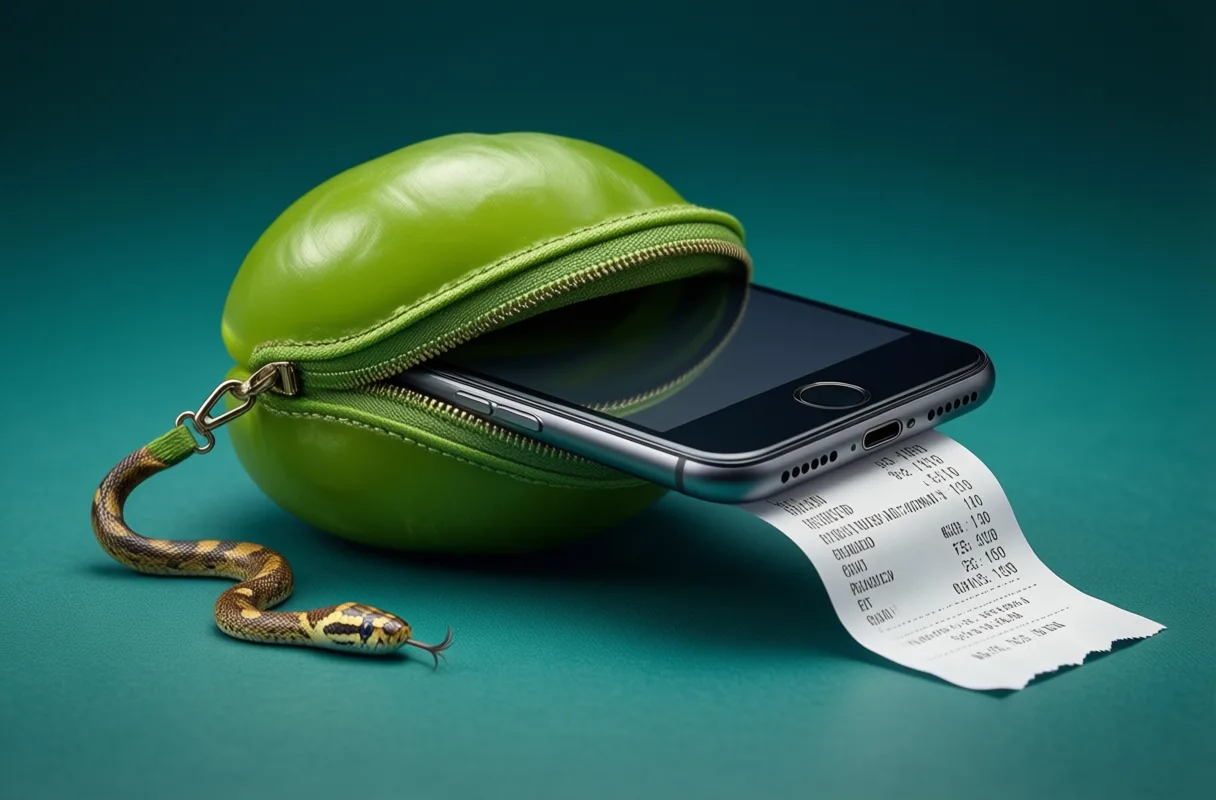
“Ugly chic” is no longer a joke. It’s a genre. Chunky soles that clunk like construction tools. Handbags shaped like produce. Shoes with toes splayed like geckos on glass. These designs don’t hide their awkwardness-they celebrate it.
There’s a quiet genius in the grotesque.
When beauty is expected, distortion becomes daring.
An unbalanced hemline, a lopsided strap, a heel that defies physics-each is a tiny rebellion against symmetry.
This isn’t anti-fashion. It’s hyper-fashion.
It demands a second look. A third. A debate.
And in the age of the scroll, attention is the rarest currency.
What feels jarring today may feel iconic tomorrow.
After all, the ballet flat once seemed scandalous. The sneaker, absurd on a Runway.
Now, we can’t imagine fashion without them.
From Runway to Eye-Roll
Why Designers Keep Repeating the Same Controversial Looks
The runway has always been a theater of extremes. And every season, we brace for the familiar: the see-through dress, the all-white ensemble, the garment that looks like a sleeping bag reimagined by a minimalist.
Critics groan.
The internet memes.
And then-quietly-the idea seeps into stores, onto influencers, into real lives.
Designers aren’t chasing approval. They’re chasing evolution. A trend repeated isn’t a failure-it’s a refinement. Each iteration strips away the excess, softens the shock, until the once-unwearable becomes wearable.
Think of the cargo pant. Once the uniform of confused suburban teens, now tailored in silk, cinched at the ankle, paired with heels.
Or the logo-mania that drowned the 2010s-now reborn in subtlety, in monochrome, in whispered branding.
Repetition is not laziness.
It’s persistence.
It’s belief in a vision that takes time to be seen.
And sometimes, the thing we hate most is the thing that changes how we see everything else.
A Nostalgia That Won’t Quit
The Cyclical Return of Widely Mocked Aesthetic Choices
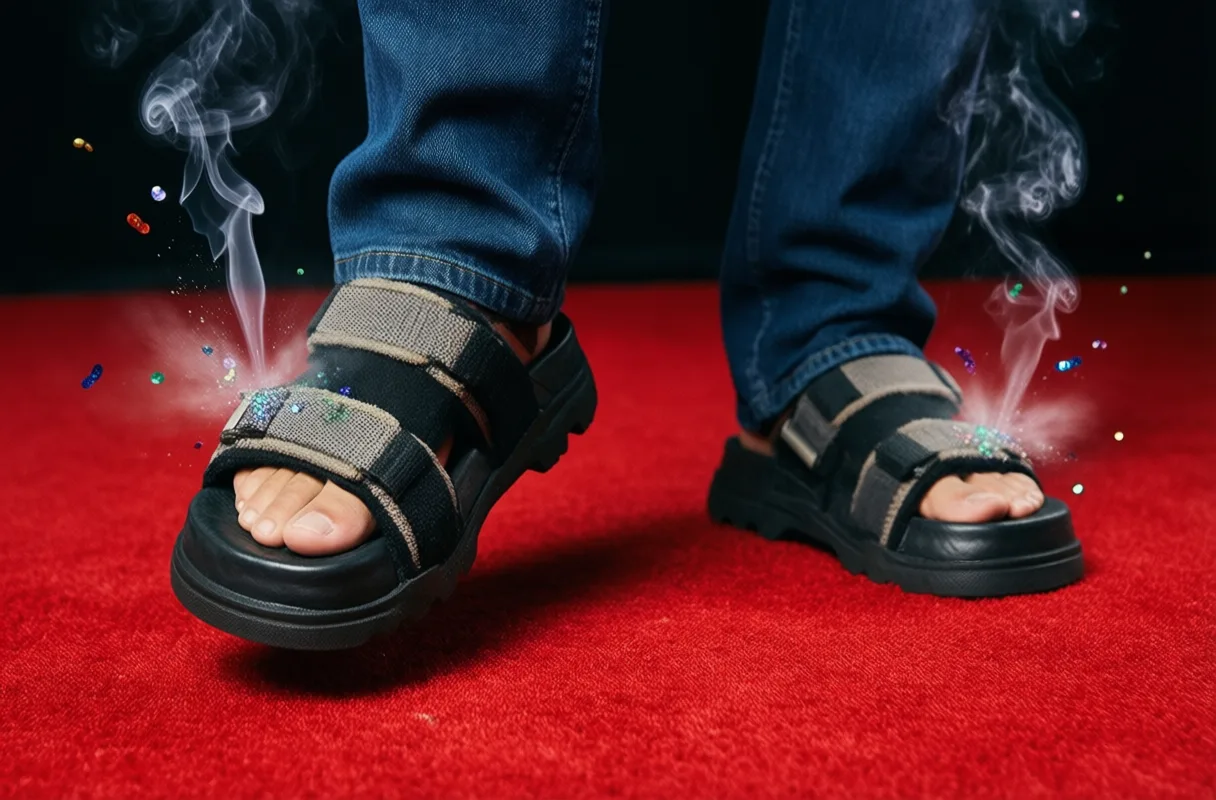
Nostalgia Is not a trend. It’s a current. It pulls styles from the depths-platform sandals, butterfly clips, trucker hats-and deposits them, blinking, into the light of a new decade.
What was once mocked as tacky now reads as authentic.
What felt dated now feels daring.
The early 2000s, long ridiculed for its excess, is now a wellspring of inspiration.
This isn’t irony. It’s reevaluation.
We no longer wear these pieces to laugh at them. We wear them to reclaim them-to say, I was there, and I liked it, and that’s okay.
The rhinestone phone charm. The bedazzled jean jacket. The velour tracksuit in buttery tones.
Each carries a memory, a mood, a moment of joy that wasn’t meant for the runway but lived in real life.
And perhaps that’s why they return.
Not because they’re perfect.
But because they’re human.
What Streetwear Can’t Let Go Of
The Persistent Grip of Oversized Outerwear
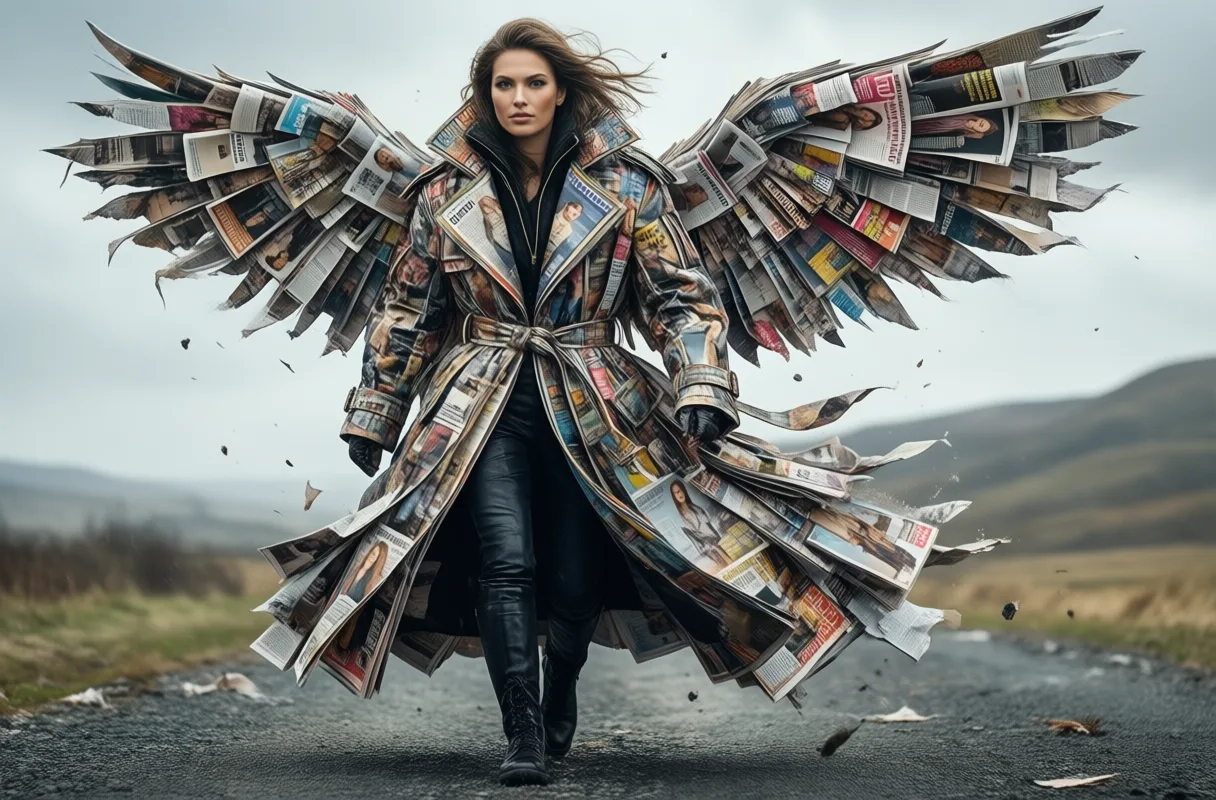
The oversized blazer. The coat that swallows the frame. The parka with sleeves that drape past the fingertips. In streetwear, size isn’t a mistake-it’s a message.
Volume speaks of ease. Of nonchalance. Of a body that refuses to be outlined.
It blurs gender, disrupts proportion, and turns the sidewalk into a catwalk of shadows and fabric.
There’s power in being half-lost in your clothes.
It’s not about hiding. It’s about choosing what to reveal-and when.
A shoulder exposed. A hand emerging like a secret.
Even as tailoring tightens elsewhere, outerwear expands.
It shields. It performs. It floats.
And no amount of criticism can deflate the quiet confidence of someone wrapped in fabric that moves like smoke.
The Accessories That Divide Rooms
Small Details with Outsize Reactions
A single earring. A choker made of velvet. A chain belt worn over nothing. These small choices ripple outward, sparking debates in dressing rooms and DMs alike.
Accessories are fashion’s punctuation. A period. A question mark. An exclamation.
They don’t just complete a look-they interrupt it, redefine it, sometimes ruin it. And that’s the point.
The micro bag. Still here. Still impractical. Still photographed endlessly.
It carries nothing but meaning-of wealth, of irony, of a life where essentials are carried by someone else.
Jewelry with visible price tags. Shoes that look unfinished. Belts worn as necklaces.
Each is a tiny act of defiance against function.
And in a world that demands utility, sometimes the most radical thing you can wear is something utterly useless.
Style That Defies Criticism
Understanding the Longevity of Polarizing Choices
Fashion doesn’t exist to please everyone. Its power lies in its ability to provoke, to polarize, to persist.
The trends we hate are often the ones that matter most.
They push boundaries. They reflect change. They force us to ask: Why do I dislike this? Is it truly bad-or just unfamiliar?
Longevity isn’t about love. It’s about resonance.
A trend survives not because it’s perfect, but because it speaks-sometimes loudly, sometimes in whispers-to something deeper.
So the next time you roll your eyes at a look, pause.
Ask not when it will end, but why it won’t.
Because in fashion, hate is just another form of attention. And attention, darling, is forever.
| Trend | Why It's Hated | Why It Endures |
|---|---|---|
| Low-rise jeans | Uncomfortable, associated with wardrobe malfunctions | Modern fits, nostalgic appeal, embraced by Gen Z |
| Crocs | Seen as ugly, unfashionable footwear | Comfort, celebrity wear, high-fashion collaborations |
| Micro sunglasses | Minimal sun protection, impractical design | Bold aesthetic, retro-futuristic statement piece |
| Bucket hats | Frequently declared outdated or costume-like | Versatile styling, cultural relevance across genres |
| Oversized outerwear | Can obscure the body’s shape, hard to style | Conveys confidence, gender-neutral, dramatic silhouette |
| Micro bags | Too small for essentials, seen as pointless | Symbolizes wealth, irony, and post-functional fashion |
Styles That Divide but Just Won’t Quit
The Comeback No One Saw Coming (But Should’ve)
Crocs, once mocked as the ultimate fashion faux pas, have not only survived-they’ve thrived. Loved by gardeners and healthcare workers for their comfort and practicality, they somehow crossed into high fashion with collaborations that shocked the style world. Suddenly, these foam clogs were on runways, styled with socks and worn by celebrities at music festivals. Their polarizing look keeps critics groaning, but sales keep climbing, proving comfort can trump cool in the long run.
Low-rise jeans, relics of the early 2000s, have also crept back into wardrobes despite widespread eye-rolling. The waistline that launched a thousand wardrobe malfunctions is back, even if it means sacrificing comfort for nostalgia. Paired with cropped tops or oversized shirts, they’ve found a new audience among Gen Z, who weren’t even alive during their first run. The trend’s return shows how fashion cycles aren’t just repeating-they’re being reinvented by those who never lived through them.
Accessories That Spark Debate
Micro sunglasses, tiny lenses perched on the bridge of the nose, are another head-scratcher still trending. They offer minimal sun protection and often look more like costume props than functional eyewear. Yet, they’ve become a staple at fashion events and street style shots, embraced for their bold, retro-futuristic vibe. Their staying power lies in their ability to make a statement-whether that statement is “I’m stylish” or “I can’t see anything” remains up for debate.
Then there’s the bucket hat, which refuses to fade despite being declared “over” every other season. Once linked to fishermen and festival goers, it’s been reimagined in luxury fabrics and bold prints. It’s the hat that just won’t quit, showing up in collections season after season. Whether you love it or loathe it, its versatility and cultural staying power-from hip-hop to haute couture-keep it firmly on heads and in headlines.
Frequently Asked Questions
Why do hated fashion trends keep coming back?
Hated fashion trends return because controversy fuels their survival. They thrive on attention, not approval, and often become symbols of attitude rather than taste.
Are low-rise jeans really back in 2024?
Yes, low-rise jeans have returned, now with softer fabrics and modern pairings like longer tops. They are being embraced by Gen Z despite criticism over comfort and nostalgia.
Why are Crocs considered a lasting fashion trend?
Crocs have endured due to comfort and unexpected high-fashion collaborations. Worn by celebrities and styled boldly, they’ve shifted from mockery to mainstream acceptance.
What makes micro sunglasses still popular despite poor function?
Micro sunglasses remain trendy because they make a bold, retro-futuristic statement. Their value lies in style and visibility, not sun protection or practicality.
This article was produced with AI assistance. How Paradox Magazine uses AI.
Linh bridges beauty rituals and everyday well-being, spotlighting inclusive innovation and global traditions shaping modern self-care. She champions sustainable practices and diverse voices, framing beauty as both personal expression and collective storytelling.