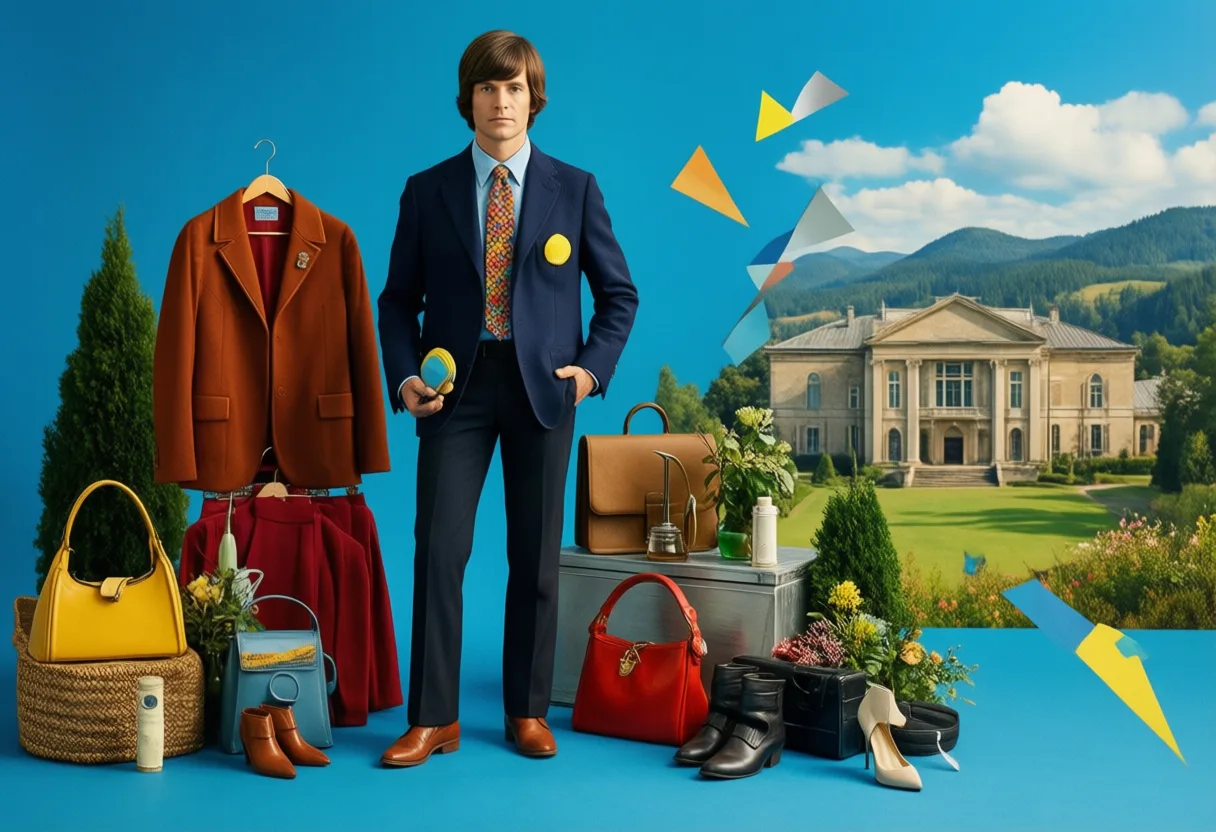
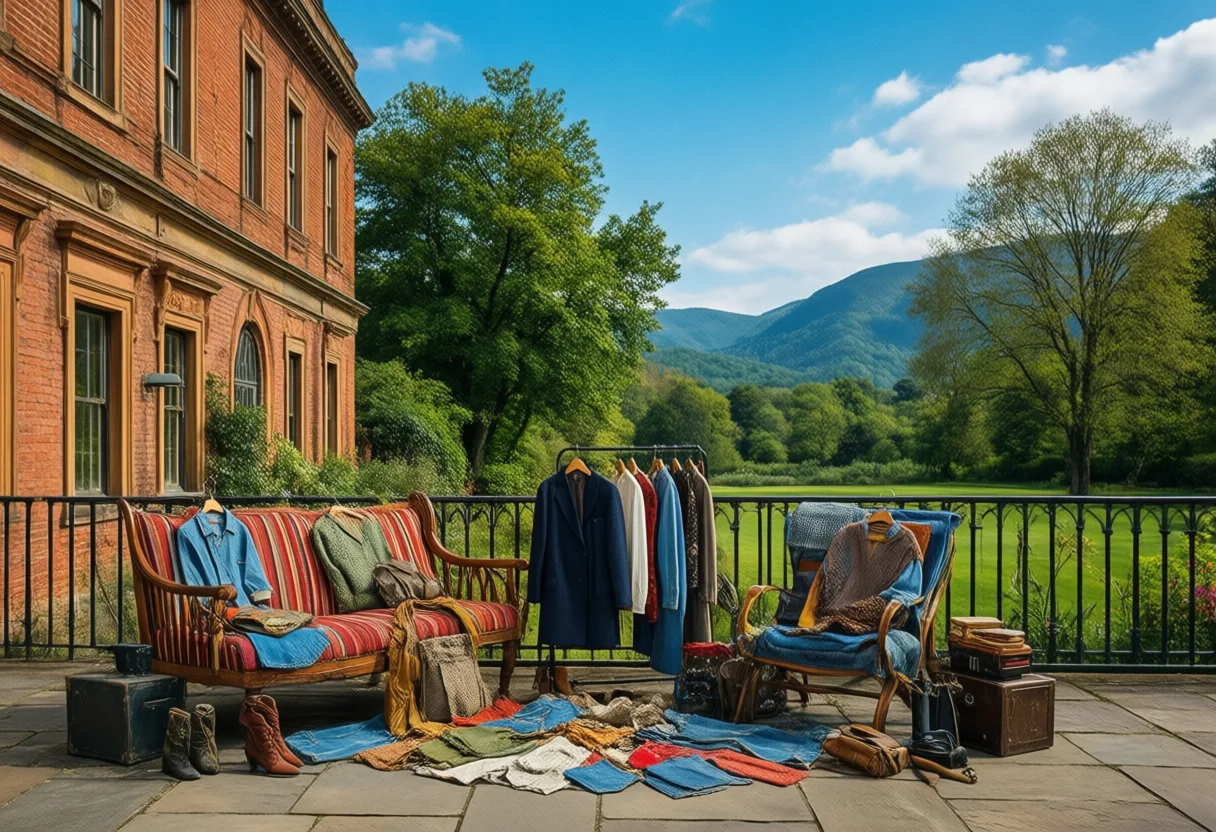
The past doesn’t whisper in Fashion-it roars, strutting down runways in platform soles and vintage silhouettes sharp enough to cut through time. What we call revival is often less a resurrection and more a homecoming, as if the clothes themselves remember how to walk. These are not mere echoes, but declarations: the hemlines, the textures, the defiant flair of bygone decades returning not as costume, but as continuity.
7 Fashion Revivals That Never Really Left
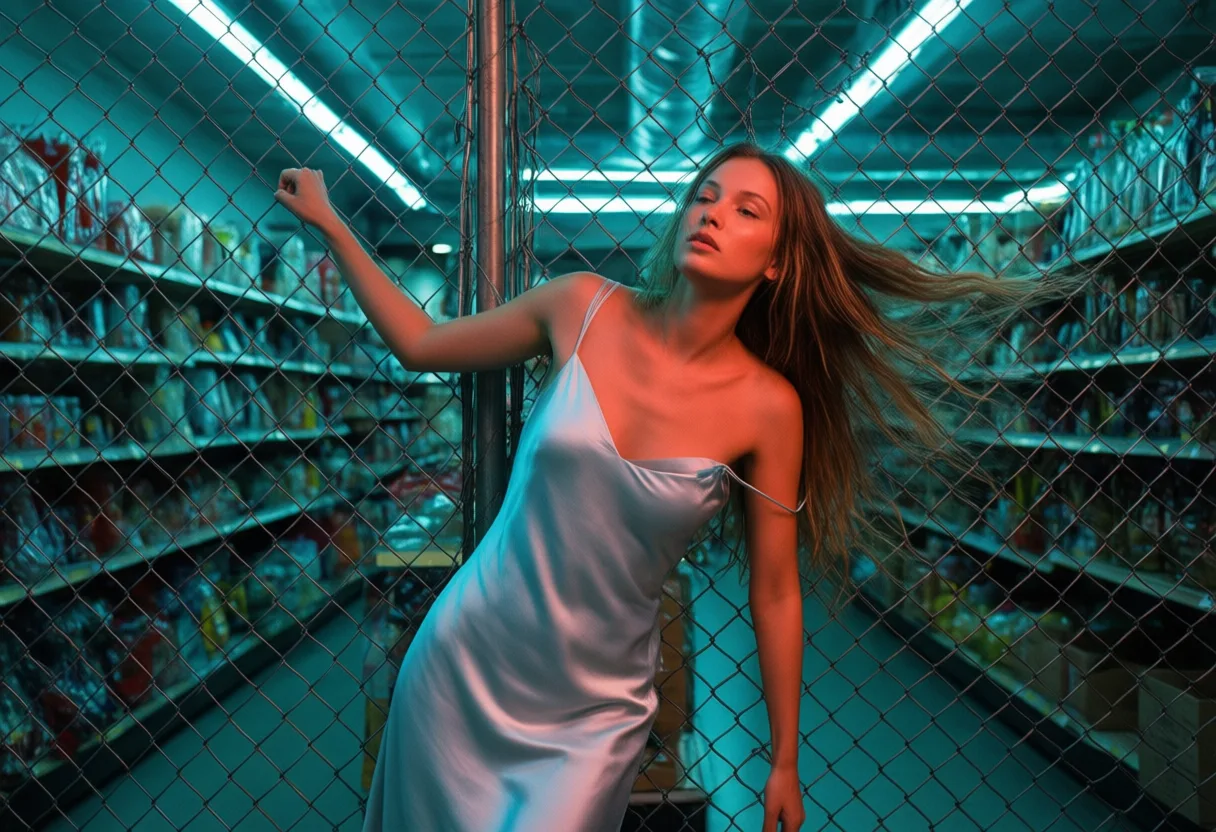
The ’90s were never really gone-just resting between cycles, like a silk slip dress folded in cedar. Grunge’s disheveled elegance, with its ripped knits and flannel rebellion, has reemerged not as irony but as intention, worn now with the confidence of those who know thrift is not just economy, but ethics. 2000S Fashion: Y2K Trends Resurfaced reminds us that the millennium’s metallic sheen and low-rise audacity were never truly buried, only waiting for a generation to reclaim them without apology. Chunky boots stomp once more, not as relics, but as rhythm sections in a new anthem.
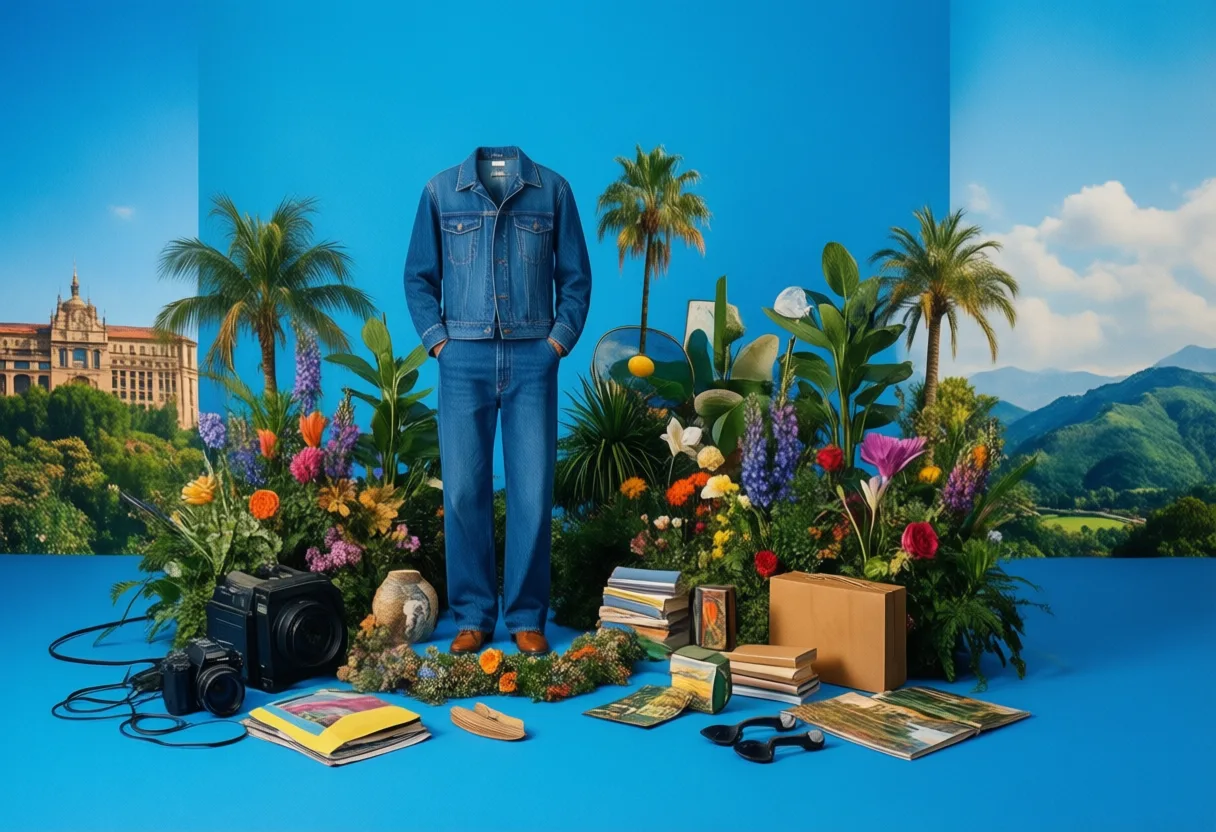
Tailored vests, once the uniform of jazz-age intellectuals and downtown poets, now line the shoulders of creatives who wear them like armor-structured, yet unbuttoned at the waist, a nod to ease. Denim-on-denim, once a sartorial sin, now appears in editorials with the grace of a double-breasted truth, washed in indigo and worn with the kind of nonchalance only confidence can afford. And the slip dress? It glides forward again, not as mere nostalgia, but as a manifesto: delicate, yes, but never fragile.
These revivals thrive not because they are old, but because they were never fully seen. The miniskirt marches on, not as a relic of the ’60s, but as a standard-bearer for autonomy. The Trench coat, cinched at the waist, still guards against more than rain-it shields the self from the noise of the moment. Each piece returns not as a copy, but as a continuation, stitched into the present with the thread of memory and meaning.
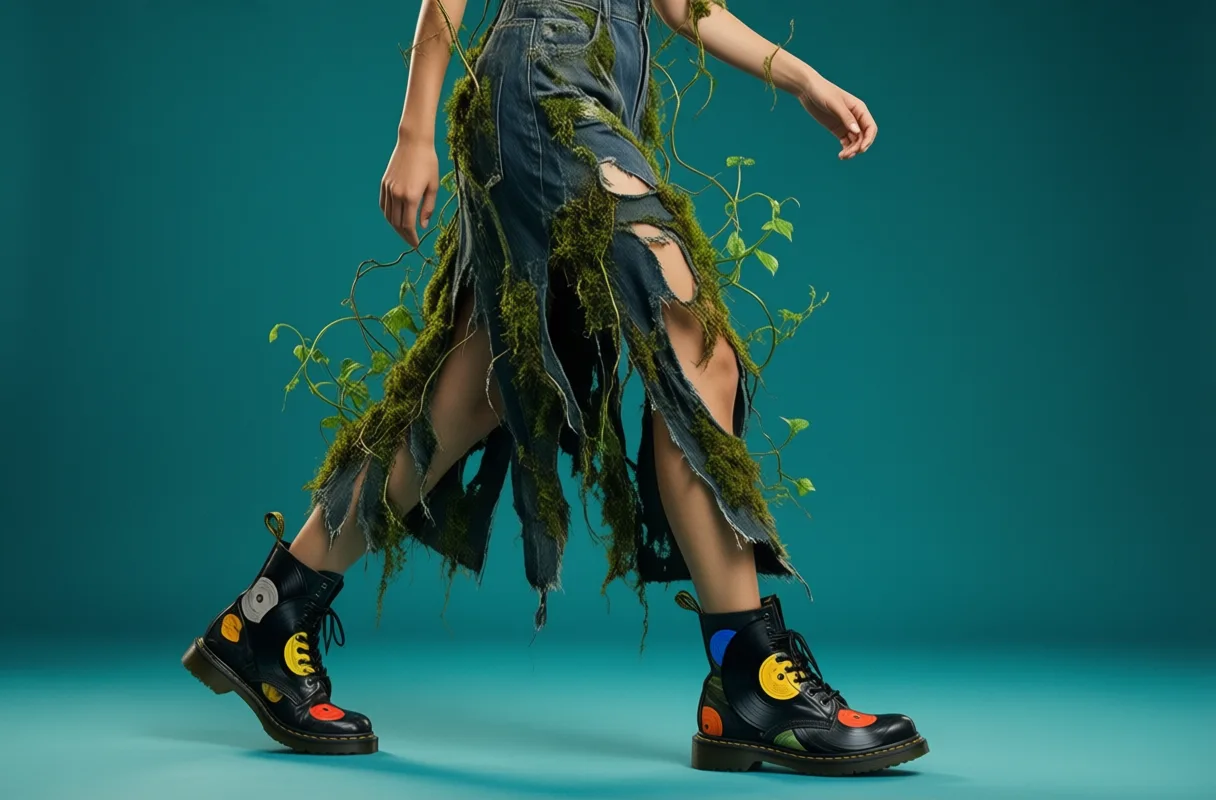
Beyond Nostalgia: Function Meets Retro Form
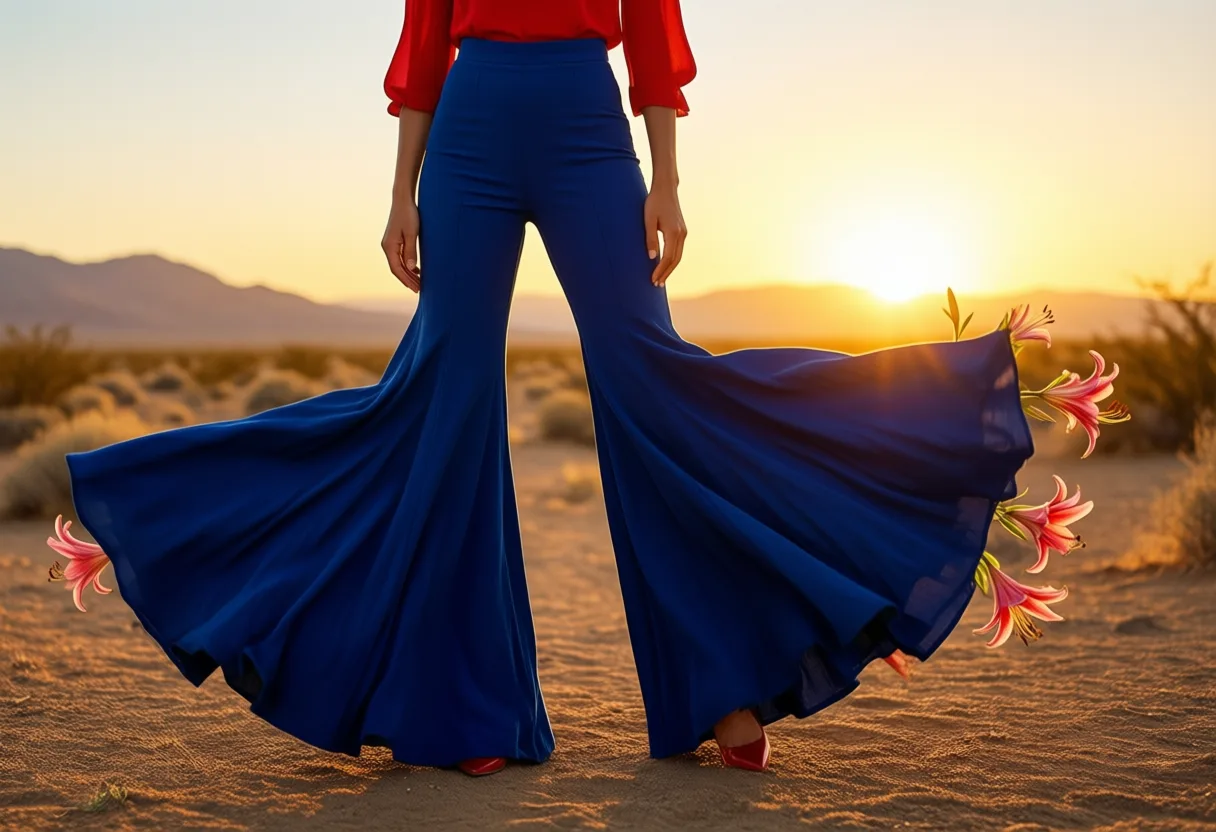
To call these comebacks nostalgic is to misunderstand their pulse-they were never truly out of style, only out of focus. The wide-leg trouser, once dismissed as a relic of office drudgery, now commands attention in lightweight wool, its drape engineered for movement, not memorization. Function has reentered the conversation, not as a compromise, but as a design principle, marrying the elegance of vintage proportion with the demands of modern life.
Consider the resurgence of the chore coat-its pockets deep enough for purpose, its canvas sturdy enough for use. It’s no longer just a farmer’s garment, but a favorite of urban artists and architects who value utility draped in understated cool. The puffer jacket, once banished to ski slopes and dorm rooms, now appears in sleek, cropped forms, its insulation hidden beneath minimalist lines. Even the backpack, once a symbol of adolescence, has been reborn in leather and structured Nylon, carried by executives and creatives alike.
This is not fashion recycling-it is fashion evolving. The clogs that once clattered through Scandinavian villages now grace Parisian sidewalks, their wooden soles supporting not just feet, but philosophies of slow living and sustainable design. The bucket hat, once a joke, now shields faces with flair, its brim wide enough to cast shade on outdated notions of taste. Each piece answers a question: How do we move through the world with both grace and grit?

Style Isn’t Linear: Embracing the Fashion Cycle
Fashion does not march-it dances, spinning back on itself with the grace of a waltz, never truly leaving, only pausing to catch its breath. The idea that style moves in a straight line is a myth sold to those who fear repetition, but the truth is richer: We return to what fits, not just in silhouette, but in spirit. The maxi dress sways again, not because it is old, but because it is free-the kind of freedom that comes from knowing you don’t need to shout to be seen.
Designers today don’t resurrect-they reinterpret. A corset is no longer a cage, but a canvas, worn over blazers and jeans as a declaration of form and autonomy. The beret, once a cliché of Parisian clichés, now tilts slightly on diverse heads, its woolen fold a quiet rebellion against uniformity. Even the handbag, that most loyal of accessories, cycles through shapes-the top handle returning, not as a throwback, but as a reminder that some things are carried forward because they were always meant to be.
To wear the past is not to live in it-it is to converse with it. The shoulder pad, once a symbol of 1980s excess, now appears subtly, lifting not just fabric but posture, a quiet echo of power. The choker, once a goth staple, now threads through boardrooms and galleries, its presence small but insistent. These are not trends borrowed from history-they are truths that refuse to be buried.
And so the cycle turns, not in circles, but in spirals-each return ascending, each revival deeper. The clothes we wear are not costumes, but companions, stitched with memory and moving with us into whatever comes next.
Style’s Second Act: When Vintage Cycles Back Into Vogue
Denim’s Long-Running Revival
Bell-bottoms aren’t just stuck in the ’70s-they’ve been swinging back into view every couple of decades. First popularized in the 1960s and 70s by everyone from hippies to disco dancers, flared jeans reappeared in the late 90s and are now a common sight again, often paired with tucked-in blouses or chunky boots. The cycle of denim trends shows how Styles Often return when a new generation rediscovers them, giving old cuts a fresh twist without losing their original flair.
Prints That Never Really Left
Houndstooth and plaid patterns might feel timeless, but they’ve had major peaks in popularity. Houndstooth, with its jagged black-and-white checks, was a 1940s fashion staple, then surged again in the 2000s thanks to its sharp, edgy look on coats and skirts. Meanwhile, plaid flannel shirts-once workwear for loggers-became a grunge symbol in the 90s and are now worn year-round, layered over tees or tied around the waist for a casual throwback vibe. These prints endure because they’re bold enough to stand out but versatile enough to mix with modern pieces.
Silhouettes Making a Statement
The puff sleeve has had a wild ride through fashion history. Big in the 1830s, then again in the 1980s with power dressing, this dramatic detail is back on everything from blouses to dresses. Designers are reimagining the volume with softer fabrics and subtle shoulders, making it wearable beyond costume parties. It’s a reminder that exaggerated shapes often return when fashion craves drama-proof that what once seemed outdated can feel daring all over again. Explore more stories, videos, and creators on Loaded.
Frequently Asked Questions
Why are Y2K fashion trends resurfacing?
Y2K trends like metallic fabrics, low-rise jeans, and chunky boots are returning as a new generation reclaims them without apology.
How are vintage silhouettes being reinterpreted today?
Puff sleeves, trench coats, and shoulder pads are being reimagined with modern fabrics and subtlety. They are worn as statements of autonomy and style.
What function do retro styles serve in modern fashion?
Retro pieces like chore coats, wide-leg trousers, and clogs combine utility with style. They answer the need for grace and grit in daily life.
This article was produced with AI assistance. How Paradox Magazine uses AI.
Maeve explores avant-garde fashion through the lens of cultural evolution, blending runway analysis with street-level trends. She investigates how identity and innovation collide in fabric, silhouette, and statement, making high fashion accessible without diluting its daring.