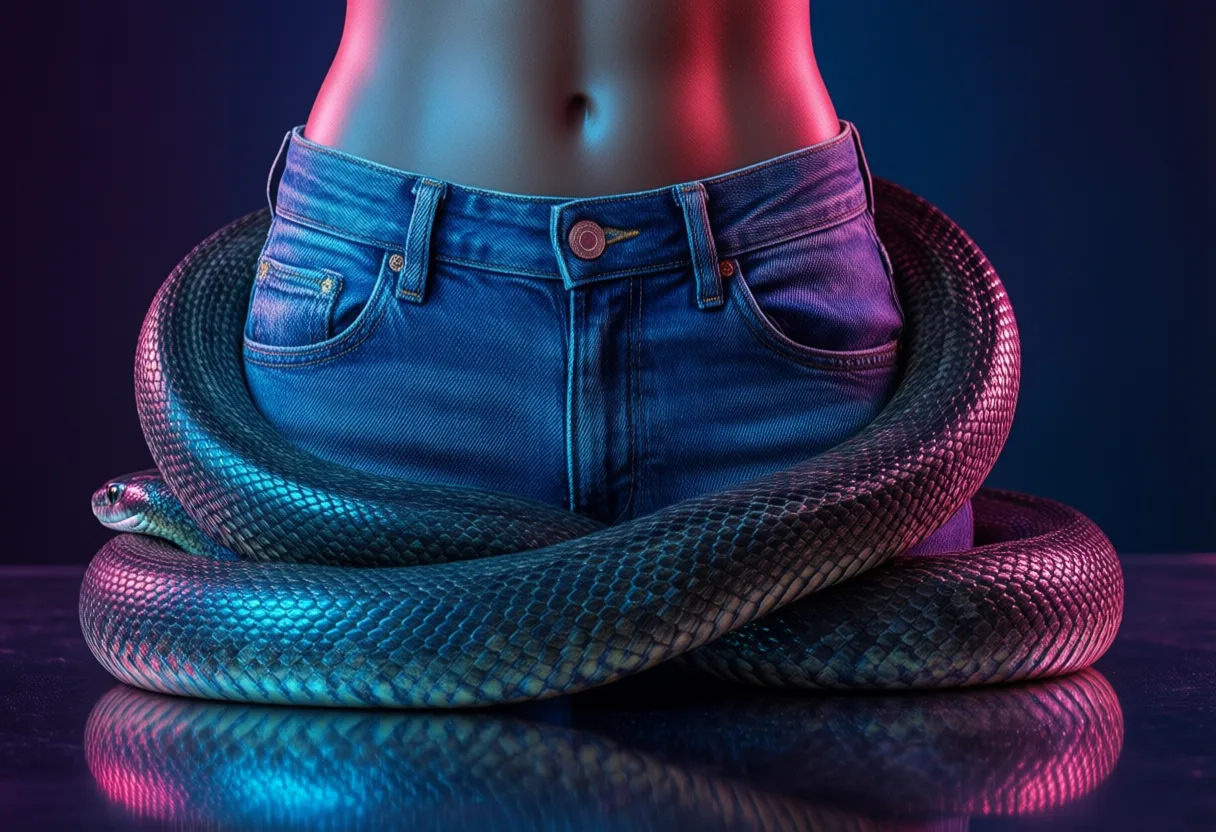
The Early 2000s Wrapped the world in a glittering haze of denim and designer monograms. It was a time when fashion dared to be bold, brash, and unapologetically flashy-where what you wore shouted who you were. From the rise of reality TV to the boom of fast fashion, style became a language of identity, rebellion, and reinvention.
The Rise of the Low Rise
The waistline dropped. Not by inches, but by philosophy.
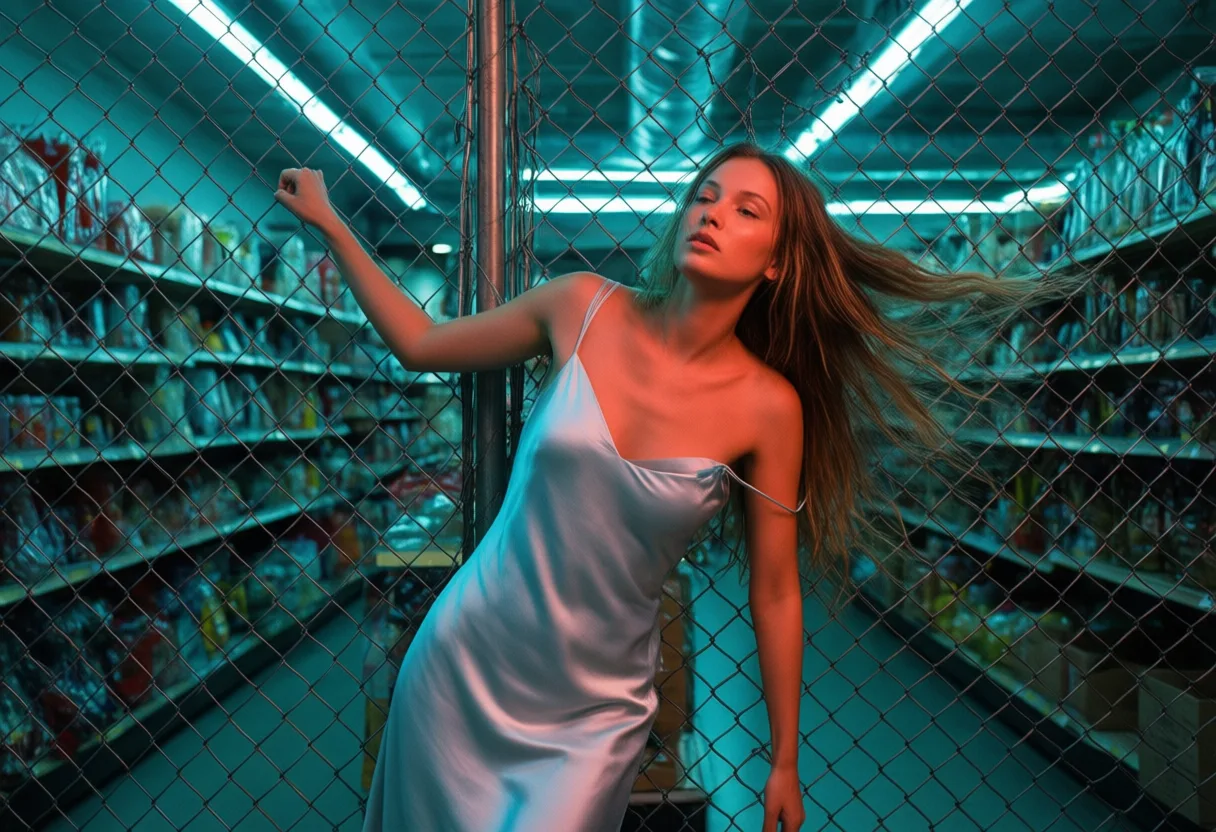
Low rise jeans slithered onto the scene like a whisper of rebellion, hugging the hips just below the navel. They were not merely a cut-they were a statement, a quiet defiance of the high-waisted modesty of Decades past. Paired with cropped tops, tank straps, or the occasional midriff-baring hoodie, they celebrated a new kind of confidence-one that didn’t hide, but revealed.
Celebrities became walking billboards for the trend. Music videos showcased stars in hip-slung denim, their belts-when Worn-dangling like accessories to an attitude. The look thrived on contrast: soft skin against rigid denim, innocence against edge. And though comfort was often sacrificed, the silhouette was undeniable-a lean, elongated torso that became the decade’s ideal.
It wasn’t just about Fashion. It was about freedom.
Freedom from formality. From fabric that constrained. From rules that said Cover up.
Low rise jeans were the uniform of a generation learning to claim space-on MTV, at the mall, on city sidewalks.
Logomania: When Labels Led the Look
If low rise jeans were the body’s canvas, logos were its paint.
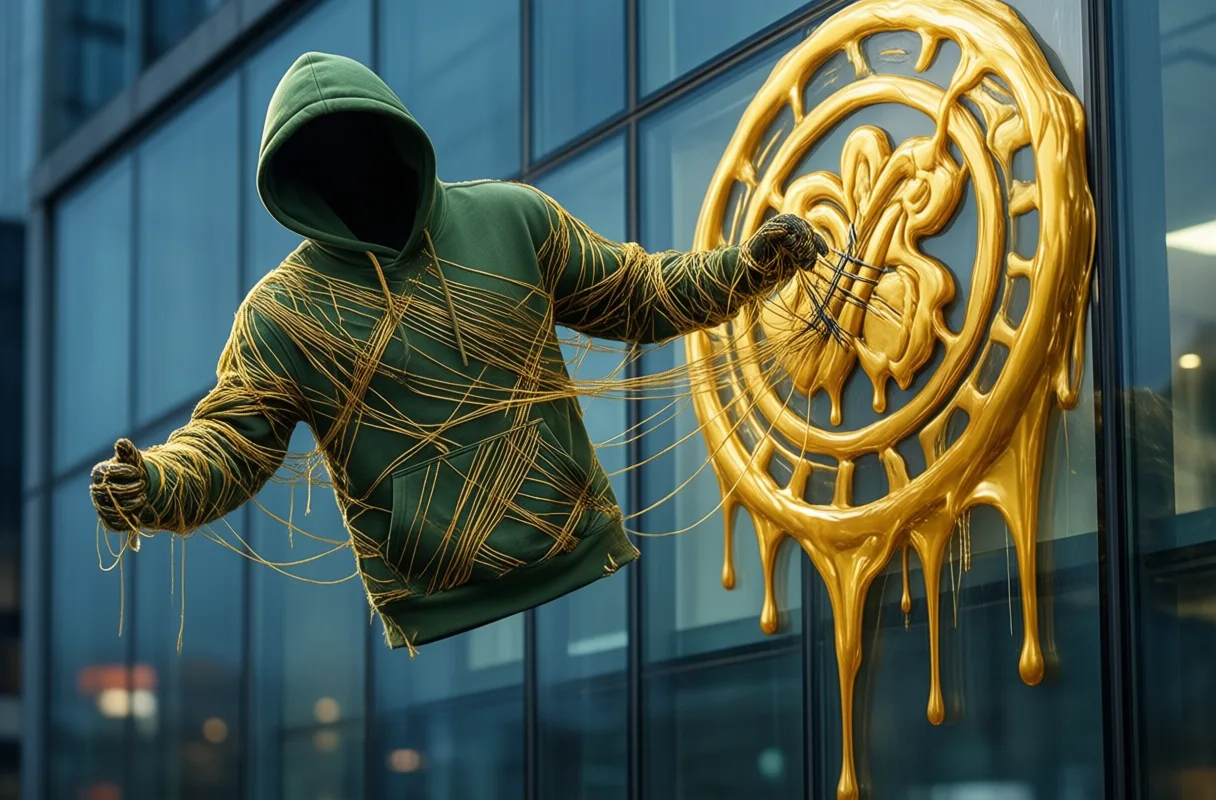
Designer emblems bloomed across chests, bags, and even belts. Monograms weren’t hidden-they were flaunted. A visible logo wasn’t vanity; it was victory. It signaled arrival, aspiration, sometimes even irony. The more prominent the brand mark, the louder the message: I’ve made it. Or I’m trying to.
Luxury houses leaned into the moment. Their iconic initials-interlocked, embossed, or stitched in gold thread-became currency. Handbags bore names like signatures. T-shirts turned into walking résumés of taste and means. Even sneakers, once humble, arrived plastered with swooshes and serif fonts.
This was branding at its most intimate.
A purse wasn’t just for carrying-it was for showing.
A hoodie wasn’t just for warmth-it was for announcing.
And while critics called it excess, others saw empowerment. To wear a logo was to wear identity like armor. In a world of growing digital noise, being seen-truly seen-meant choosing a symbol and standing behind it.
The Cultural Pulse Behind the Aesthetic
Fashion never floats in a vacuum. It breathes with the times.
The 2000s pulsed with change-technological leaps, cultural shifts, a hunger for visibility. The internet was young, social media unborn, yet the desire to be known burned bright. Style became the first form of self-curation. Every outfit, a profile before profiles existed.
Reality television rose, turning private lives into public spectacle. Red carpets grew longer, paparazzi cameras sharper. What people wore on The Simple Life Or at the VMAs rippled into department stores by Monday. Trends no longer trickled down-they exploded, global, instant.
And fast fashion answered the call.
Stores churned out versions of runway looks in days, not seasons.
Denim, in all its low-slung glory, became democratic.
Logos, once reserved for the elite, were now accessible-even aspirational.
This was fashion as performance. As participation. As play.
The Legacy in Today’s Silhouettes
Time folds back on itself. Trends return, not as copies, but as echoes.
Today’s high streets whisper with the ghosts of 2000s denim. Low rise cuts have reappeared, not as carbon copies, but with softer seams, kinder fits. They carry the memory of an era, but with a modern mindfulness-less about fitting in, more about feeling right.
Logos, too, have evolved. Some brands whisper their names now; others shout louder than ever. The conversation has shifted-from ownership to meaning, from display to desire. Yet the impulse remains: to wear what matters, visibly.
And perhaps that’s the truest trend of all.
Not the cut of a jean or the size of a logo.
But the courage to show up, exactly as you are-labeled, unfiltered, unafraid.
The 2000s taught us that fashion is never just fabric.
It’s feeling. It’s memory. It’s the way we say, without speaking: Here I am.
| Trend | Key Features | Cultural Influence |
|---|---|---|
| Low Rise Jeans | Hip-slung, below the navel, often paired with cropped tops | Symbolized confidence and rebellion; popularized by celebrities |
| Logomania | Oversized, visible brand names on clothes and accessories | Signaled status and identity; brands like Juicy Couture and Ed Hardy |
| Fast Fashion | Affordable, quick replication of runway styles | Made trends accessible; accelerated fashion cycles |
| Celebrity Influence | Stars as trendsetters through red carpets and reality TV | Trends spread globally within weeks of appearing |
When Denim Dropped and Logos Popped
The Rise of the Low-Rise
Low-rise jeans didn’t just creep below the hips-they practically disappeared from view. What started as a subtle shift in the late '90s exploded into a full-blown uniform by the early 2000s. Celebrities like Britney Spears and Justin Timberlake made the waistline drop iconic, often pairing them with cropped tops that left little to the imagination. The trend was so dominant that many brands stopped making mid-rise options altogether, forcing fans to roll their jeans at the top just to keep them up. It wasn’t just about style-it was a statement, one that celebrated a carefree, body-baring Confidence That defined the era.
Logomania: More Was More
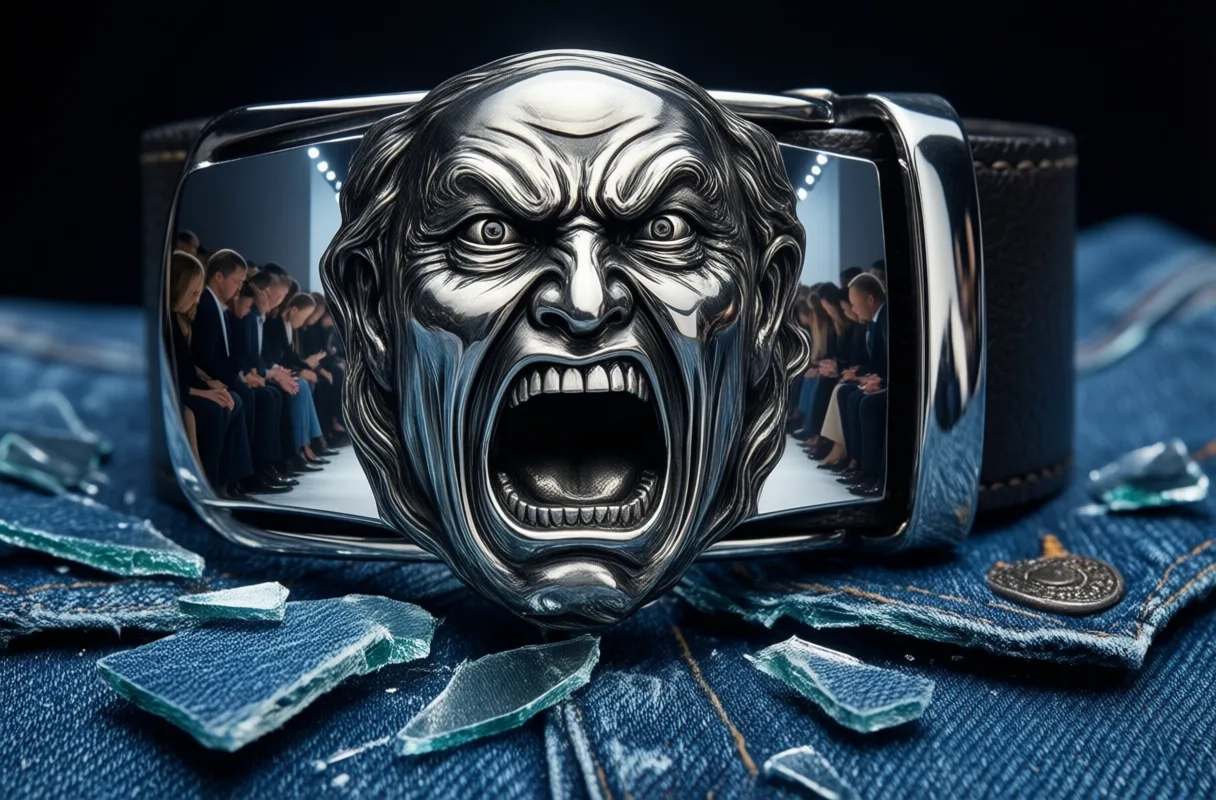
If your clothes didn’t scream the brand name, were you even trying? Logomania ruled the 2000s, with designers like Juicy Couture, Ed Hardy, and Sean John turning garments into walking advertisements. Tracksuits covered in bold lettering, handbags emblazoned with oversized logos, and even underwear stamped with designer names became must-haves. The louder the pattern and the bigger the logo, the better. This wasn’t just fashion-it was social currency. Spotting a faint “D&G” on someone’s belt buckle or a shimmering “FUBU” across a sweatshirt felt like cracking a secret code, a nod to who was in the know.
Fast Fashion Fuels the Fire
The 2000s saw fashion cycles speed up like never before, thanks to the rise of fast fashion giants. Stores like H&M and Zara began churning out runway-inspired looks at breakneck speed and budget-friendly prices. Suddenly, anyone could wear a version of what stars wore on the red carpet-sometimes within weeks. This accessibility turned trends into flash-in-the-pan phenomena, with styles like trucker hats, cargo pants, and velour suits peaking fast and fading faster. Fashion wasn’t just seasonal anymore-it was weekly, even daily, feeding a culture obsessed with the new, the now, and the next big thing. Explore more stories, videos, and creators on Loaded.
Frequently Asked Questions
What defined fashion in the 2000s?
Low rise jeans and prominent designer logos defined 2000s fashion. These trends emphasized bold self-expression, confidence, and visibility through clothing.
Why were low rise jeans significant in the 2000s?
Low rise jeans symbolized rebellion and freedom, celebrating a body-baring confidence. They became a dominant silhouette, often paired with cropped tops.
How did logos influence 2000s style?
Visible logos served as social currency and personal branding. Wearing designer emblems was a way to signal identity, status, or aspiration.
What role did fast fashion play in 2000s trends?
Fast fashion made runway styles widely accessible and affordable. It accelerated trend cycles, turning styles into short-lived, rapidly changing phenomena.
This article was produced with AI assistance. How Paradox Magazine uses AI.
Linh bridges beauty rituals and everyday well-being, spotlighting inclusive innovation and global traditions shaping modern self-care. She champions sustainable practices and diverse voices, framing beauty as both personal expression and collective storytelling.