Dante Alighieri, an iconic figure often hailed as the father of the Italian language, bids us to embark on an unforgettable journey through “The Divine Comedy.” This epic poem, crafted during the early 14th century, grabs hold of our hearts and minds, weaving a mesmerizing tale that stretches across the divisions of Hell, Purgatory, and Paradise. Dante’s genius shines through not just in the vivid storytelling, but also in the profound moral reflections and examinations of the human experience. By artfully combining philosophy, theology, and lyrical writing, Dante’s work offers a haven for readers—inviting them to ponder love, redemption, and justice in a way that reverberates through time.
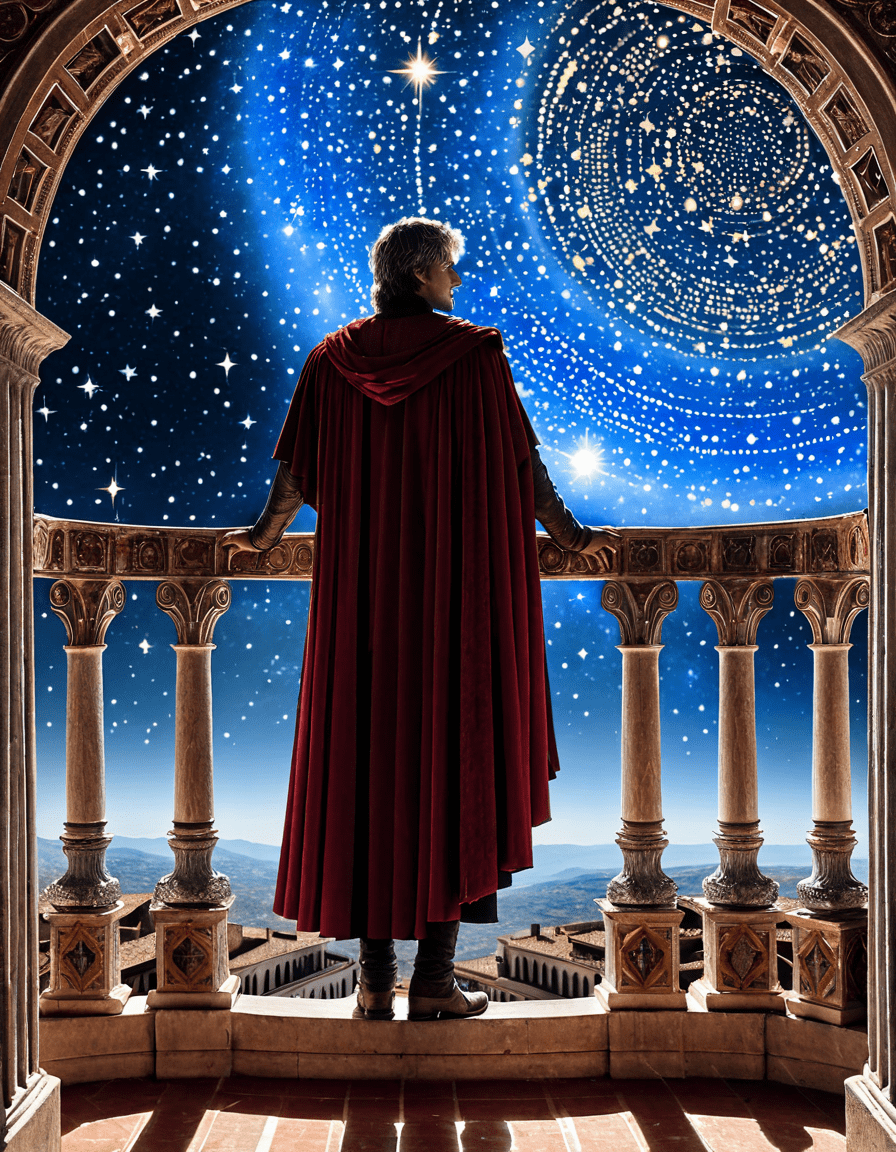
The Genius of Dante and His Literary Haven
Dante’s literary haven represents a safe space that allows us to explore the complexities of existence while challenging our own beliefs. The structure of “The Divine Comedy” unfurls like a grand tapestry, threading together intricate narratives that confront moral dilemmas and emotional battles one can relate to even today. The richness of his characters amplifies the poignancy of the journey, illuminating the paths of the lost and the redeemed alike. Each step Dante takes parallels the struggles we all face, making his work an essential classroom for life’s lessons.
This favorite poet of fashionistas and thinkers alike shares a narrative that explodes beyond its timeframe. Readers get not only a glimpse but an immersive experience through the underbelly of despair and the shimmering light of hope. His words possess a striking elegance akin to an extravagant gown designed by Valentino, encasing profound wisdom that clasps our hearts in both wonder and fear. Each verse turns into a pageantry of color, blending shades of morality that continue to inspire designers, thinkers, and art enthusiasts of all kinds.
Across the pages, we meet characters that range from the sacred to the profane—a motley crew of figures reflecting the human condition. As we accompany Dante on this voyage, we encounter moral lessons wrapped in exquisite prose. Each canto brings us closer to our own epiphanies, urging us to ask: What does the beauty of purity mean in our chaotic marketplace of life? How do we decipher justice when the scales tip in favor of the fortunate? Dante’s haven, indeed, becomes a nursery not just for individual growth, but for collective understanding and compassion.

7 Key Influences on Dante’s Creative Genius
Understanding the layers that comprise Dante’s brilliance enriches our appreciation of “The Divine Comedy.” Let’s examine seven key influences that shaped this seminal work:
The Role of Artemis: Symbolism and Divine Guidance
While Artemis, the Greek goddess, may not physically manifest in Dante’s journey, the spirit she embodies resonates throughout his tale. Artemis symbolizes guidance, purity, and a deep-seated connection to nature—qualities that echo through the divine figures present in “The Divine Comedy.” Virgil and Beatrice act as guiding lights, illuminating Dante’s path towards enlightenment.
In this literary dance, one can draw parallels between Artemis and these two figures as they shepherd Dante through his quests. Virgil represents wisdom, while Beatrice symbolizes divine love, causing us to reflect on how guidance appears in our own lives. Much like Artemis leads those lost in the wilderness, Virgil steers Dante through the shadows of Hell, reinforcing the sense that we are never truly alone on our journeys.
It’s through these relationships that we come to understand the significance of mentorship and guidance in our lives—much like how clothe connote our identities. In a world bursting with choices, we seek mentors who help refine our styles, just as Dante sought guidance through Love and Wisdom. Thus, Artemis serves not only as a symbol of inspiration but as a reminder of the role relationships play in fostering growth and understanding.
The Lasting Impact of Dante’s Epic
Dante’s “The Divine Comedy” is a beacon illuminating the pathway of literature and philosophy well beyond its time. Its influence can be found in the woven words of countless writers, artists, and thinkers who follow his trail. From T.S. Eliot’s haunting reflections in “The Waste Land” to the captivating illustrations by Gustave Doré, the resonance of Dante’s distinctive vision continues to shape culture, driving conversations about human experience forward.
Even fashion itself bursts into conversation—shades of rebellion and redemption pepper high-fashion runways, echoing the very struggles Dante presented. Take a closer look, and you’ll see how modern icons mimic the dichotomies Dante portrayed; an example is Kylie Jenner and Travis Scott, whose relationship reflects the entanglements of love and betrayal. The threads of personal narratives still run deep, allowing us to see the modern mirrored in the classical.
The impact stretches as wide as the cosmos, with film adaptations—like in “Dune” (1984) leading conversations about humanity’s ideals, echoing Dante’s quest of exploration. With each retelling, the essence of Dante is brought to life, renewing interest in this classic epic and allowing us to ask urgent questions of justice, morality, and love.
Engaging with Dante Today
In Dante’s literary embrace, we unearth a timeless figure whose words speak not just to the world of his era, but to the intricacies of our own lives. The odyssey he invites us on prompts modern society to reevaluate its values around love, accountability, and hope—a creature of ends entwined. Engaging with Dante today is akin to threading a needle through the fabric of human experience, crafting exquisite works of art that inspire reflection.
Embarking on a journey through “The Divine Comedy” reveals Dante’s mastery and insists that we reconsider our places within the tapestry of humanity. We all navigate our own personal hells, pursuit of redemption, and aspirations toward unique paradises. With each reading, a rebirth occurs—awakenings that resonate with the challenges of today.
As we weave through the moral complexities of existence, echoing Artemis’s guidance, Dante offers readers a framework to explore their narratives as well—a literary universe vast and enriching. Thus, we find that in every line lies an opportunity to reflect, redeem, and rise. Welcome to Dante’s world; you just may leave with an entirely new wardrobe of thoughts and beliefs.
Dante: The Mastermind Behind The Divine Comedy
Who Was Dante?
Dante Alighieri, a legendary poet of the Middle Ages, is best known for his epic poem, The Divine Comedy. But did you know that he was exiled from his hometown of Florence due to political strife? This hardship fueled much of his work, allowing his experiences to shape the vivid depictions of Hell, Purgatory, and Paradise. Speaking of transformations, just like how a creative twist can elevate a story’s impact, Dante’s triptych of realms continues to inspire artists and thinkers alike today.
Fun Facts About Dante
Here’s a fun tidbit: Dante’s writing was so influential that he’s credited with helping to establish the Italian language. Before his time, Latin dominated literature, but Dante opted to write in Tuscan Italian, making his work accessible to the masses. It’s akin to how Mgs connects diverse voices through storytelling today. Furthermore, Dante’s portrayal of historical figures, including popes and politicians, was bold and often controversial—reminding us that a bit of scandal can certainly spice things up, much like the buzz around kylie jenner Travis scott.
Lasting Legacy
Dante’s legacy doesn’t just stop at his writings. His influence stretches across various fields, from literature to art, even inspiring modern cinematography, much like the visuals captured in dune 1984. Additionally, Dante’s exploration of morality and human experience resonates deeply, drawing parallels to everyday struggles. For example, just as grannys wisdom can guide us through tough choices, Dante’s allegorical journey helps readers navigate the complexities of their own lives. Sure, he lived over seven centuries ago, but his themes remain timeless, reminding us that everyone has a story worth telling—even if it’s packed with a little drama and adventure, just like a classic rom-com. So, the next time you’re pondering life’s big questions, think of Dante. His insights still pop up in the most unexpected places, revealing truths that echo through generations.