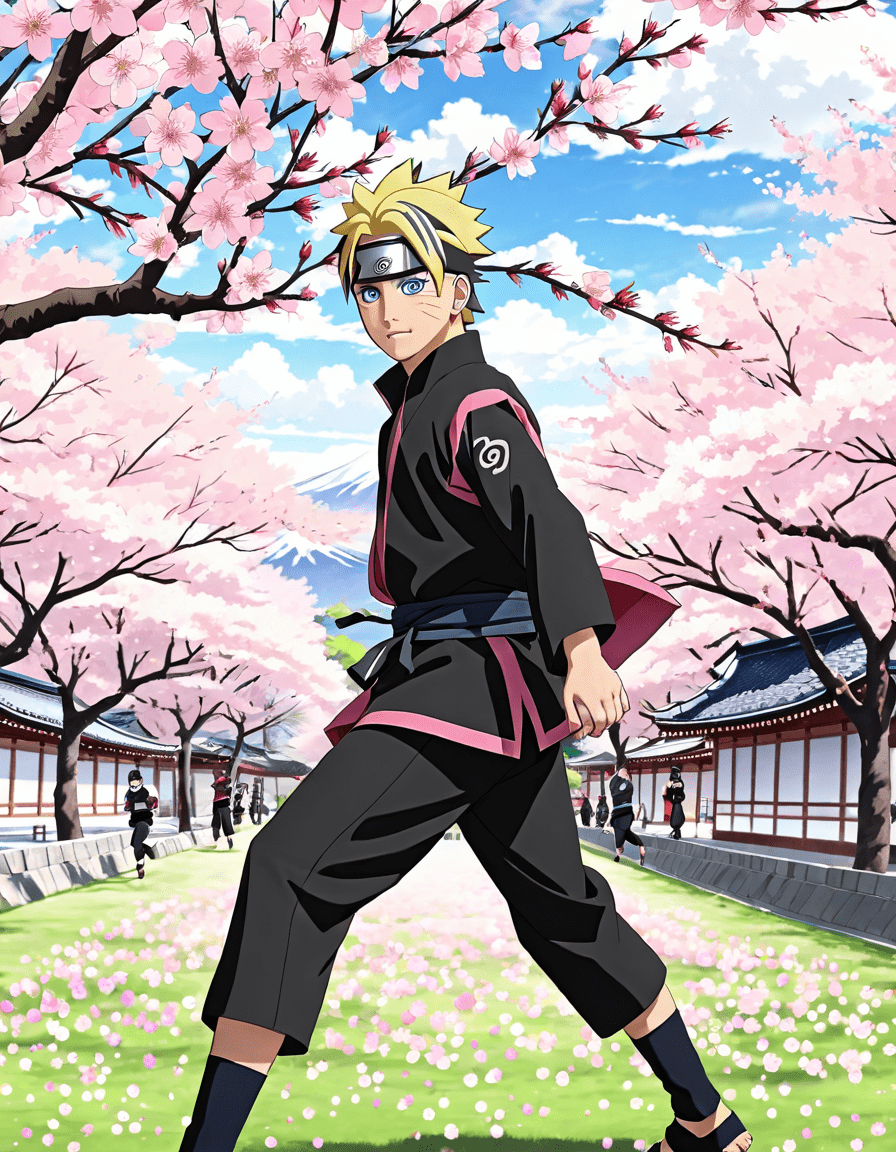
Welcome, fashion enthusiasts and pop culture aficionados! As we dive into the captivating world of Boruto: Naruto Next Generations, we’re not just discussing ninjas and epic showdowns. No, we’re unpacking a rich tapestry of themes woven throughout the narrative that reflects the struggles of modern life, especially in a world that constantly evolves—much like the ever-changing fashion landscape we adore. In 2026, Boruto stands tall, much like a statement piece in a chic wardrobe, blending legacy and innovation.
Let’s take this moment to explore a new generation of heroes, where Boruto’s journey offers both thrilling escapism and profound insights about relationships, society, and, yes, even grappling with the weight of one’s family name. So grab your popcorn and a fabulous drink as we dig deep into the dazzling themes that make Boruto not just a show, but an experience wrapped in finely crafted storytelling.
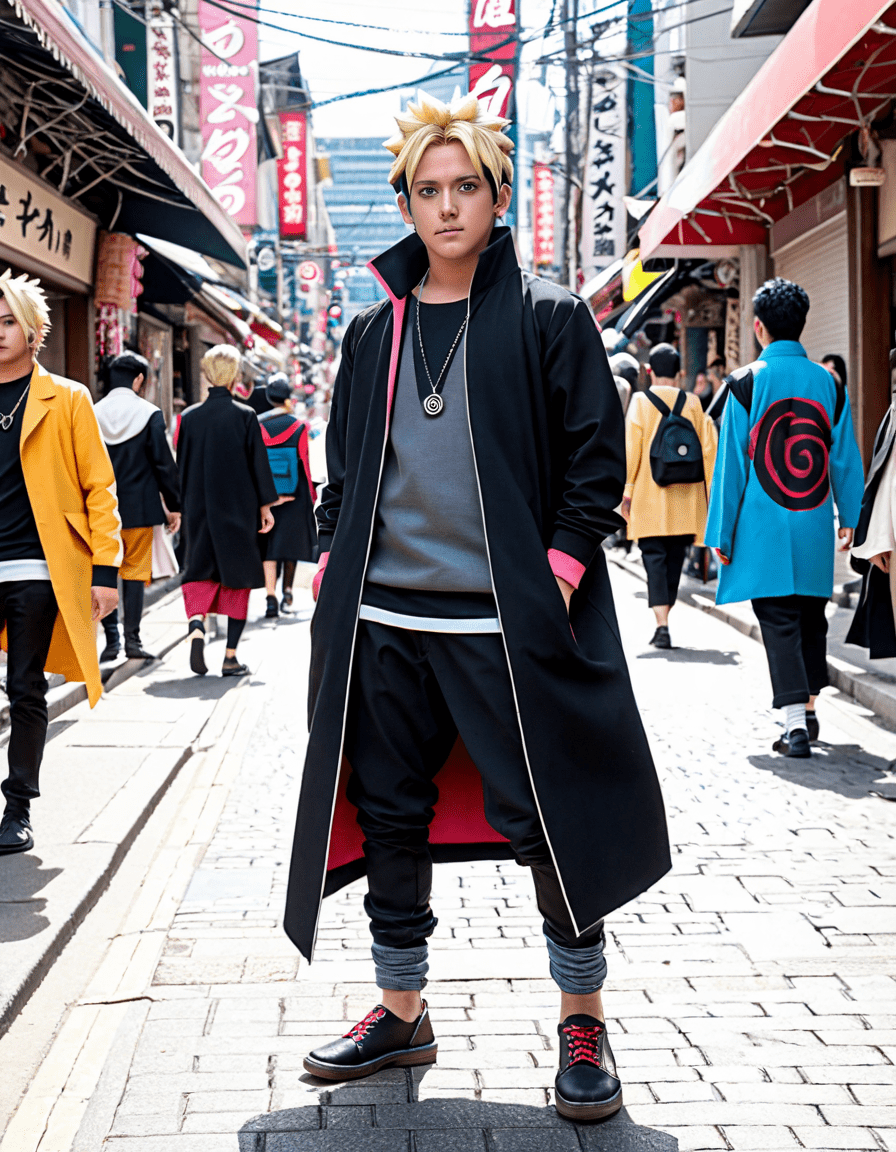
Top 7 Themes Explored in Boruto: A Deep Dive into the Next Generation
1. The Weight of Legacy
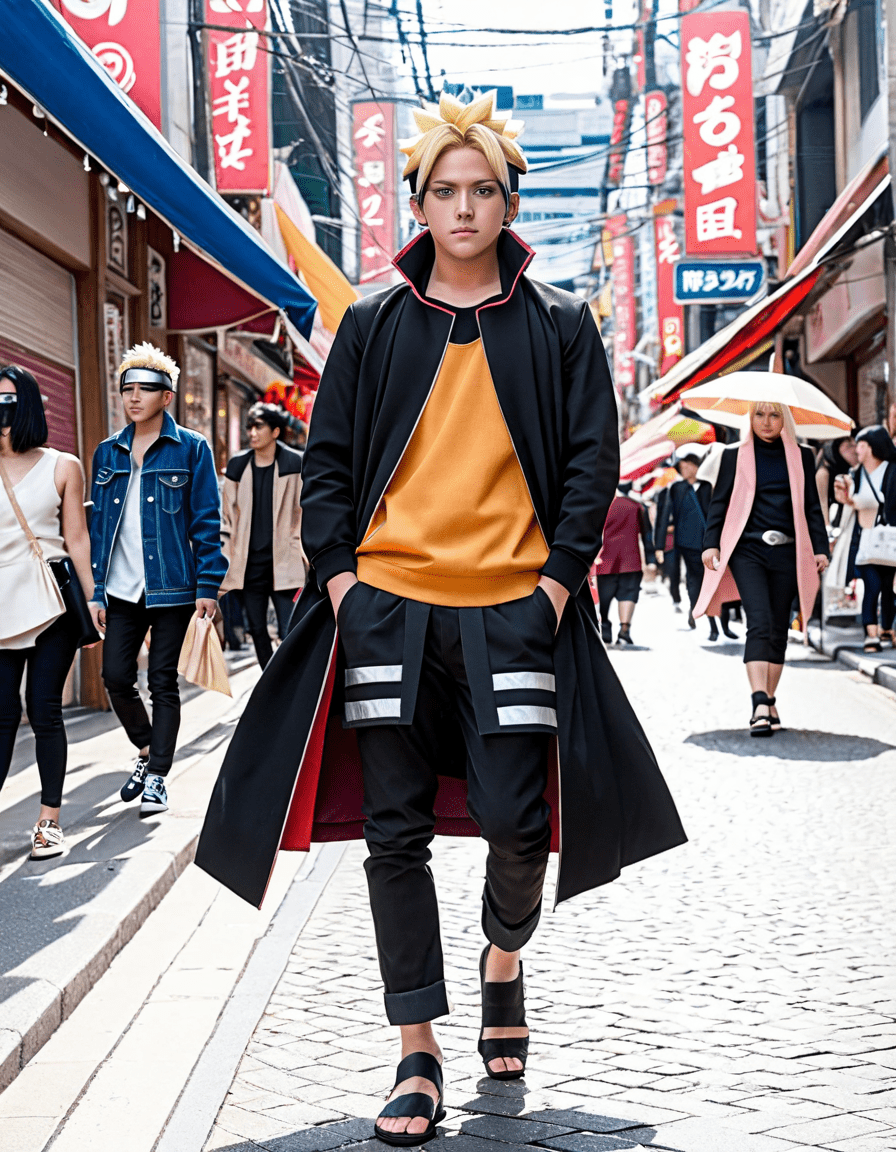
Boruto elegantly addresses the struggles that come with inheriting greatness, as young Boruto Uzumaki desperately tries to carve out his own identity while standing in the rather large shadow of his father, Naruto. While Naruto’s tale was infused with rebellion and determination, Boruto’s narrative reflects a more complex relationship filled with resentment and expectation. This generational shift serves as a powerful commentary on the pressures today’s youth face, blending youthful rebellion with self-discovery.
The dynamics aren’t isolated to Boruto, either. Characters like Sarada Uchiha and Mitsuki similarly wrestle with their heritage, reflecting varying perspectives on what it means to live up to family legacies. It’s a narrative that will resonate stylishly with anyone who’s ever felt the pull of legacy—think of it as the child of a designer stepping into the family brand. The series keeps things fresh and relatable, resonating with those who appreciate not just the art of fashion but the artistry behind a strong narrative.
2. Technological Integration in Ninja Culture
Let’s talk tech! Unlike its predecessor, Boruto isn’t afraid to embrace the marvels of modern innovation. From the scientific ninja tools that revolutionize combat styles to the very fabric of their ninja identities, the show reflects how advancements influence tradition. The Chunin Exams arc showcases this blend beautifully, sparking debates on what it means to be a “true ninja” in a realm where technological prowess stands shoulder to shoulder with ancient techniques.
It’s almost akin to fashion’s own ongoing battle against traditionalism versus innovation, where each new collection aims to redefine what we know. By showcasing the evolution of combat alongside narratives on self-identity and growth, Boruto encourages viewers to ponder how tech has entered every aspect of our lives, including ninja culture.
3. Friendship and Team Dynamics
Ah, friendship—the ultimate accessory! Just as previous generations of ninjas thrived on camaraderie, Boruto serves a refreshing take on companionship that speaks to the ever-growing appreciation for deep bonds, especially amongst the youth. Team 7—which comprises our beloved Boruto, Sarada, and Mitsuki—faces their challenges while navigating an array of personality clashes and misunderstandings.
Episodes like the Misfits Arc (Episodes 141-154) are essentially masterclasses in friendship dynamics, showcasing how personal growth can sometimes come hand-in-hand with conflict. Young viewers flock to this representation, recognizing their own struggles within the bonds of friendship, akin to forging their unique style in a world saturated with trends.
4. Parental Relationships and Intergenerational Conflict
In our whirlwind lives, parental pressures seem more pronounced than ever, and Boruto encapsulates this experience magnificently. The emotional rift between Boruto and Naruto reflects societal woes often faced by the current generation, who wrestle with expectations from their elders while striving for individual paths. It’s almost like the narrative of Flowers in The Attic—complicated, transformative relationships that resonate deeply.
With episodes that peel back the layers of parent-child tension, Boruto provides humor and reflection that exposes the intricacies of dependence and rebellion. Just like in fashion, where a well-detailed outfit is all about the underlying textures, the relationships in Boruto are intricately woven, offering viewers a mirror to their real-life experiences.
5. The Nature of Heroism
What does it truly mean to be a hero? Unlike Naruto, whose ambitious goal of becoming Hokage burned with singular devotion, Boruto’s objectives often veer toward personal desires, showcasing a multi-faceted understanding of heroism. The Mitsuki Retrieval Arc is a stellar example, pushing Boruto to navigate the thin line between altruism and self-interest.
This exploration encourages a conversation that can easily transition from the screen to the real world. Just as today’s celebrities sometimes grapple with what it takes to be a role model, Boruto challenges us to reflect on our own definitions of heroism, nudging us to consider the importance of intents behind actions—an invaluable lesson on the runways of life.
6. Diverse Opportunities for Female Characters
Talk about a stylish takeover! Boruto shines a spotlight on empowered female characters—consider Sarada’s fierce ambition to become Hokage alongside her male counterparts. This refreshing take on gender representation not only appeals to a diverse audience but also mirrors our world’s strides toward equality in every field, including the fashion industry.
As Sarada and Himawari emerge as formidable figures, we find echoes of today’s female leaders, championing their destiny and refusing to be boxed in by traditional narratives. Just think of global icons like Anitta, who redefine what it means to be a powerful woman in contemporary culture—Boruto echoes that inspiring message with bravado.
7. Evolution of Villains in Boruto
Gone are the days of simplistic evil; Boruto dishes up villains with pizzazz and depth! Characters like Kinshiki and Momoshiki Ōtsutsuki come equipped with backstories that dive into cultural legacy and cosmic fate, raising the stakes for our beloved heroes. This narrative arc invites viewers to delve deeper into the motivations behind villainy, appealing to a more empathetic understanding of antagonists.
It’s a theme well-suited to today’s political climate, where conflicts often breed from multifaceted emerging narratives. Just as fashion evolves to address societal concerns, Boruto’s approach to villainy offers a fresh take on age-old storytelling conventions—one that our culture sorely needs.
As we stand poised on the cusp of future adventures in Boruto, there’s a sense of excitement and nostalgia that envelops us all. Each episode not only entertains but invites reflection—on family, technology, friendship, and the essence of heroism in a complex world. Fashionably, this series pushes us not just to enjoy the immersive plots but to reflect on our values in a society constantly moving forward. Like the best outfits we wear, Boruto continues to grow, evolve, and enchant, ensuring the ninjas’ legacy lives on, stylishly and profoundly.
Boruto: The Next Generation of Ninja Adventure Awaits
The Legacy of Boruto
Boruto really kicks off the new age of ninjas, following in the footsteps of his dad, Naruto. But did you know this anime carries echoes of another famous duo? Just like in the Mario And Luigi brothership, where teamwork and family bonds are spotlighted, Boruto also showcases the importance of relationships, be it friends or rivals. In many ways, Boruto’s journey resembles classic tales of sibling rivalry—becoming his own person while grappling with the hefty legacy of the Hokage.
Thrills and Spills
In Boruto’s universe, chakra isn’t the only thing that gives you the chills. The show dives into dark themes, including the psychological aspects of adolescence, somewhat reminiscent of the idea explored in “parálisis del sueño,” where the mind plays tricks during sleep. This eerie element mirrors the internal struggles faced by Boruto and his friends as they confront their fears—both real and imagined—through training and legendary battles. The series certainly knows how to keep you on the edge of your seat!
Fun Facts and Tidbits
Speaking of battles, here’s a fun nugget: Boruto’s character design and features were inspired by none other than real-life giant Robert Wadlow, the tallest man ever! His towering presence parallels the way Boruto must rise to meet expectations that loom large over him. And on a lighter note, when it comes to capturing snack time during epic ninja missions, you can bet Boruto would be a loyal customer at Papa’s Donuteria, where every treat fuels a new adventure.
Moreover, as Boruto navigates through friendships and rivalries, the topic of voluntary childlessness pops up in discussions among the older generation of ninjas. Whether in serious chat or light-hearted banter, it emphasizes that choosing your path, including decisions about family, is vital in any journey. Ultimately, Boruto’s quest goes beyond the physical; it’s about understanding oneself and forging one’s identity amid all the chaos, much like how engaging With addiction Activists can spur meaningful conversations around life choices and support systems. So, here’s to Boruto—may his adventures inspire a new generation of ninjas!