The Allure of Dark Shadows: A Journey Through Gothic Literature
Ah, the allure of dark shadows! This enchanting phenomenon dances throughout Gothic literature, drawing readers into a realm suspended between fear and fascination. It’s here where we grapple with human emotions, confront our mortality, and explore the quest for identity. Authors like Edgar Allan Poe and Mary Shelley crafted tales that resonate deeply within the confines of our psyches, illuminating fears that often lurk just beyond our conscious thoughts.
In these stories, dark shadows symbolize the profound struggle we share between life and death. They invite us into a world where the eerie whispers of the past mingle with the stark realities of our present. With each turn of the page, we encounter characters steeped in layers of complexity, each embodying a piece of ourselves—those hidden aspects we shield from the light. Society’s fears reveal themselves in our gothic classics, and as we delve into these narratives, we grasp the threads that connect our fractured identities.
Gothic tales resonate with our contemporary dilemmas, raising questions about morality, beauty, and the human condition. This unsettling dance between light and dark serves as a mirror reflecting our inner struggles and societal anxieties. Engaging with these legends is not merely an exercise in literary critique; it’s a journey into understanding ourselves and the fears that shape the world around us.
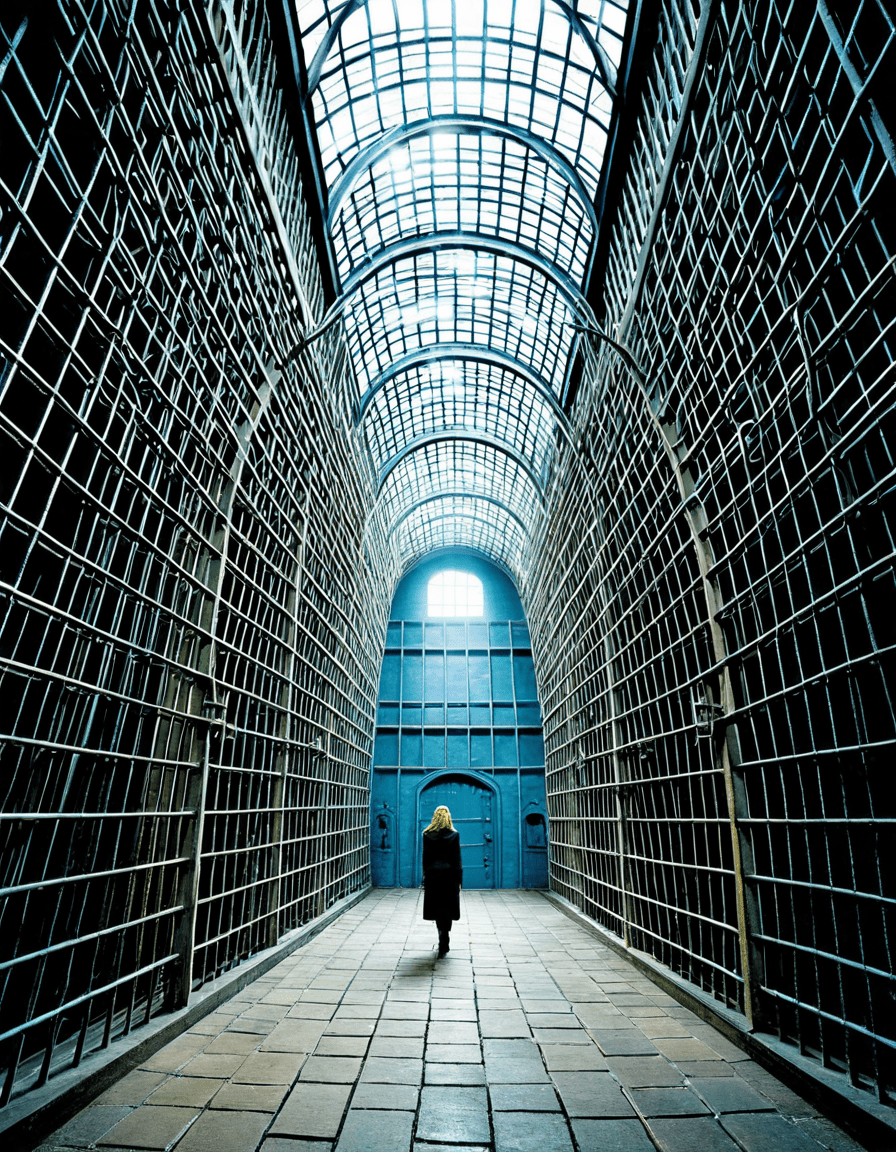
Top 7 Enigmatic Characters in Gothic Literature: When Death Becomes Her
Let’s embark on an exploration of some of the most enigmatic figures in Gothic literature. These characters, lurking in dark shadows, embody the intersection of life and death, illustrating narratives that captivate us to this day.
1. Carmilla from Joseph Sheridan Le Fanu’s ‘Carmilla’
Before Bram Stoker’s infamous Dracula, Carmilla emerged as a groundbreaking exploration of vampirism. The seductive narrative weaves through the complex themes of repressed desires and female sexuality. Carmilla represents the unseen battles women face, presenting agelessness as a metaphor for societal critique. Here lies a character whose allure transcends generations, proving that her legacy remains vibrantly alive in our collective consciousness.
2. Dorian Gray from Oscar Wilde’s ‘The Picture of Dorian Gray’
A tale of beauty warped by hedonism, Dorian Gray’s transformation from innocence to moral decay offers a rich commentary on vanity. His portrait, hidden in the dark shadows of his attic, becomes a haunting reminder of choices unmade. This narrative whispers that, as appearances fade and souls wither, “death becomes her” in the most metaphorical sense. Dorian’s life prompts us to question our own pursuit of beauty and the costs associated with it.
3. Count Dracula from Bram Stoker’s ‘Dracula’
Ah, Count Dracula—the quintessential vampire figure. With layers of symbolism, he embodies Victorian anxieties surrounding immigration and the unknown. His shadowy existence in Transylvania contrasts elements of modernity with ancient fears. Through Dracula, readers confront their societal jitters surrounding sexuality and cultural shifts, revealing just how beautifully interconnected life’s shadows can be with our deepest uncertainties.
4. The Phantom from Gaston Leroux’s ‘The Phantom of the Opera’
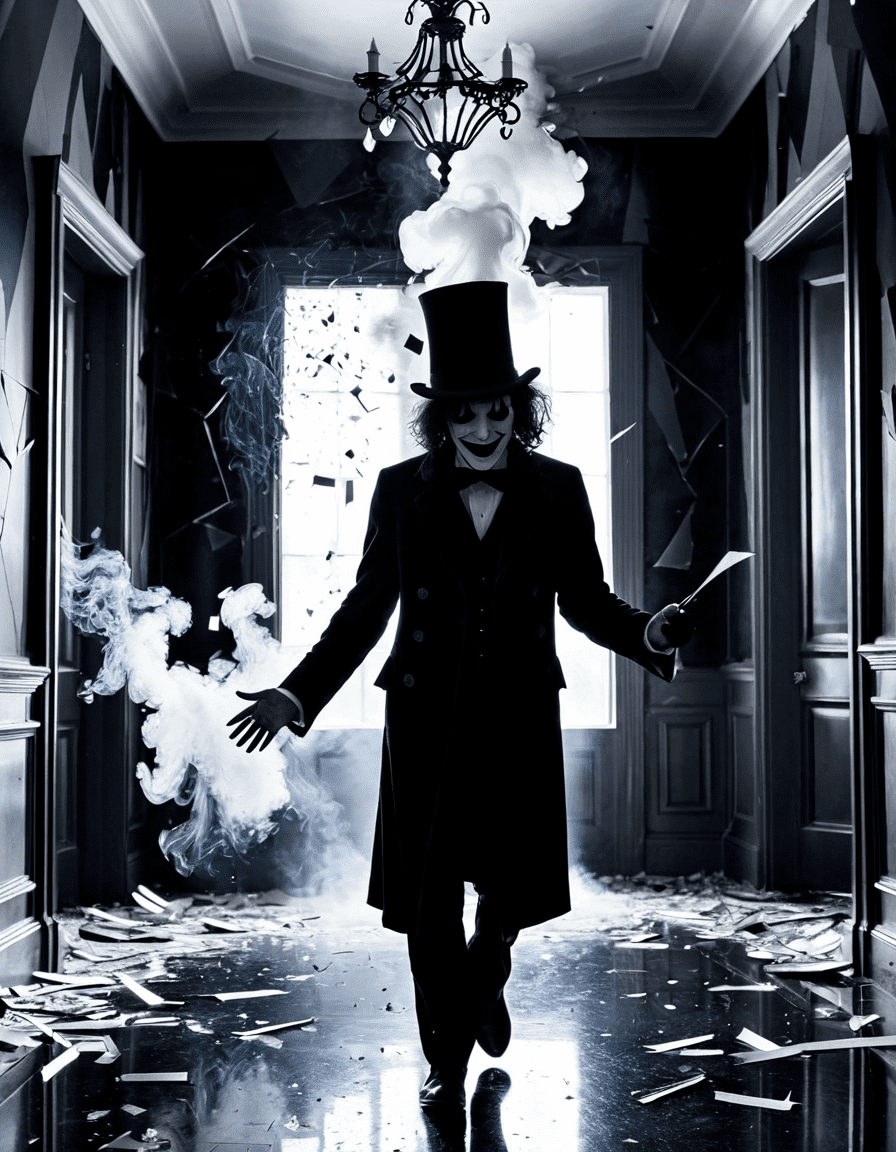
With his tragic story, the Phantom encapsulates the tension between love and despair. Hiding in the ornate shadows of the Paris Opera House, he wrestles with issues of isolation and unrequited love. This character becomes a poignant reminder that sometimes, it’s not death that haunts us, but the emotional turmoil that can grip a soul. The Phantom’s tale is a delicate melody of heartache that echoes throughout time.
5. Emily from Charlotte Perkins Gilman’s ‘The Yellow Wallpaper’
Emily’s harrowing descent into madness serves as a critical commentary on societal oppression towards women. Confined within the shadows of her room, she fights against the confines of her identity. The story reveals the chilling realities of mental health issues stemming from silencing voices. As readers, we witness how her confinement highlights the notion that the darkest shadows can lead to profound revelations about freedom and self.
6. Rodion Raskolnikov from Fyodor Dostoevsky’s ‘Crime and Punishment’
Ah, dear Raskolnikov, a character caught in the struggle between morality and justification. His internal conflict transforms into a heinous act, exposing the dark shadows that dwell within the human psyche. Through guilt and existential dread, Raskolnikov’s journey reveals that often, death—both literal and metaphorical—becomes a pathway to understanding oneself. His experiences challenge readers to reflect on the significant weight our choices carry.
7. Victor Frankenstein from Mary Shelley’s ‘Frankenstein’
Finally, we encounter Victor Frankenstein, a figure whose ambition to play God gives rise to one of literature’s most complex monsters. The dark shadows encompassed in this narrative question the ethical ramifications of scientific pursuit. As Victor grapples with the life he created, we confront the notion that chasing knowledge can lead to self-destruction. In Frankenstein, we find an emblematic example of how “death becomes her” in the birth of monstrosity.
The Impact of Dark Shadows in Modern Media
The essence of dark shadows and Gothic legends continues to thrive in modern media. Take the visually stunning film Crimson Peak, for example. This cinematic experience reinterprets the classic haunted house narrative by intertwining romance and horror, showcasing Gothic elements that reflect contemporary fears. The protagonist navigates through layers of tragedy and despair, inviting audiences to re-examine what haunts their own lives.
Another testament to the enduring legacy of Gothic literature can be found in series like Penny Dreadful. This show reinvigorates interest in archetypal Gothic characters, seamlessly blending their stories into a richer tapestry of existential dilemmas that resonate with viewers today. In the shadows, we find love, terror, and humanity—reminding us that some tales never truly fade away.
As the world adapts, the themes of Gothic literature remain forever relevant, evolving alongside our cultural intricacies. The cinematic landscape mirrors our desire to confront the dark shadows that shape us, allowing new generations to engage with these rich narratives. Therefore, it becomes increasingly evident that these tales hold a deep-seated appeal that transcends time.
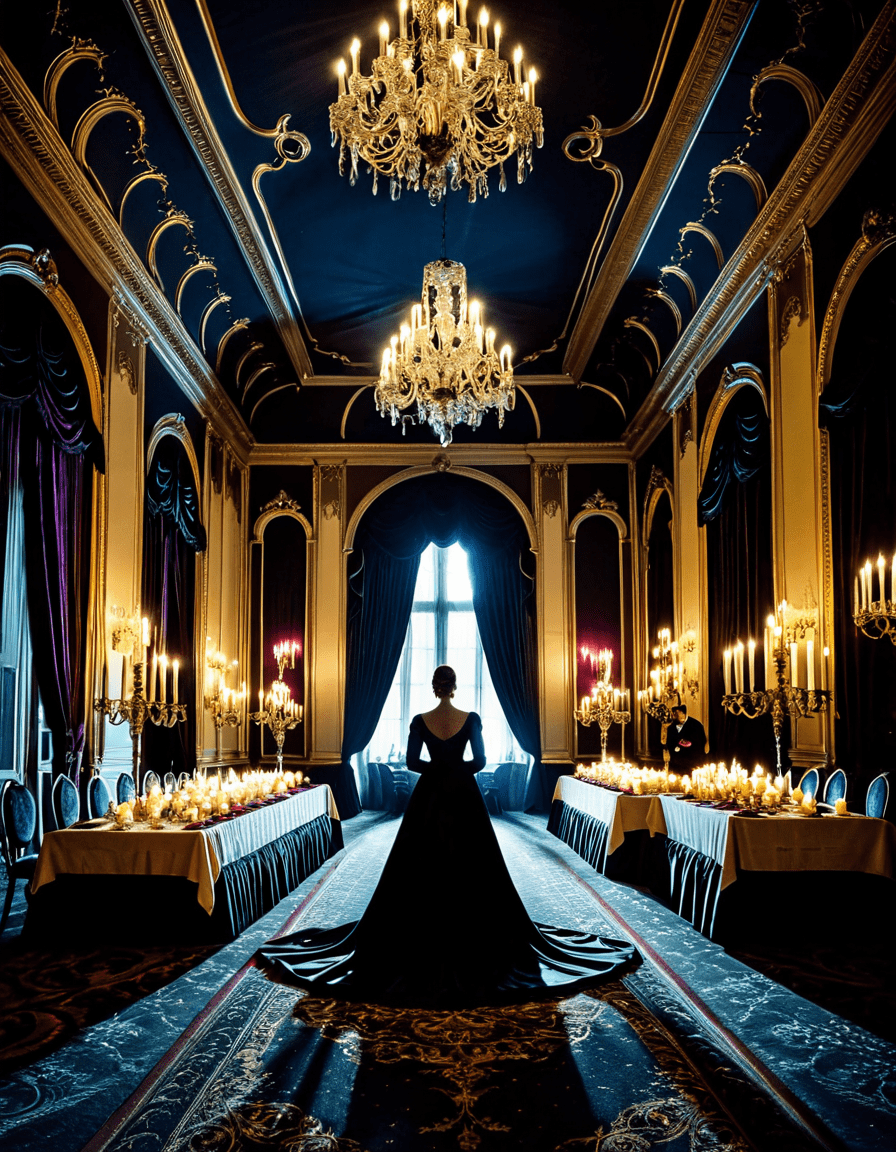
Reimagining Death: Gothic Influences in the 21st Century
As we navigate through this ever-accelerating 21st century, our fascination with dark shadows reflects the complexities of our society. Independent authors are breathing fresh air into Gothic frameworks, exploring themes of marginalized voices and identity crises. This rich narrative tapestry captivates audiences as readers witness different perspectives on timeless tales.
Moreover, today’s audience is drawn to storytelling that addresses societal pressures and existential fears, mirroring the characters encountered in classic Gothic literature. The blend of traditional elements with contemporary themes reflects our shifting views, showcasing how tales of darkness still resonate deeply. The ongoing popularity of these stories signifies a yearning to confront our fears and desires.
Ultimately, Gothic literature invites us to engage with our darkest emotions and the shadows that come with them. Through these narratives, we recognize that discussions of death—whether literal or a metaphorical loss—are vital in our understanding of the human experience. So, step into the shadows! There’s beauty to be found there, reminding us that while we may bask in the light, it’s often the dark that teaches us invaluable lessons about being human.
Dark Shadows: Captivating Tales from Gothic Legends
Shadows of the Past
Who knew that the origins of dark shadows could creep right out of Hollywood? Take, for instance, Peter Bergs contributions to thriller cinema. His knack for blending the eerie with the everyday keeps viewers on the edge of their seats, evoking that quintessential Gothic vibe. And just like the films that make us jump, strange waters can swirl beneath the surface. Consider the fascinating tale of Dark Waters. It exposes the chilling corporate misdeeds lurking in plain sight—every bit as haunting as the tales spun from classic Gothic literature.
Eerie Characters
You’re probably familiar with Dominique Swains role in bringing iconic characters to life. Her performances often reflect the troubled spirits that dance between light and shadow.Outer Banks” fans might see shades of these complex personalities re-emerging, showcasing how dark shadows manifest in various ways. Meanwhile, the depths of the Red Sea host mysteries of their own, reminding us that not all tales unfold on dry land. Just like Mildred Baenas controversial story, each character brings a unique twist that holds your attention, making you ponder what truly lies beneath their surface.
Lessons and Legacy
Finally, one can’t overlook the social commentary embedded in dark shadows. Figures like Robert Reich have analyzed how darkness intertwines with society, a haunting reflection of our own reality. When you delve deep into these narratives, you realize they reveal more than just spine-chilling mysteries; they’re mirrors reflecting our culture. Even the Tsa Pre Check application has its quirks that reveal broader truths about our society and its fear of the lurking unknown. So, as you wander through these stories, remember: the allure of dark shadows comes not only from the fright but also from the underlying messages that resonate with us all.