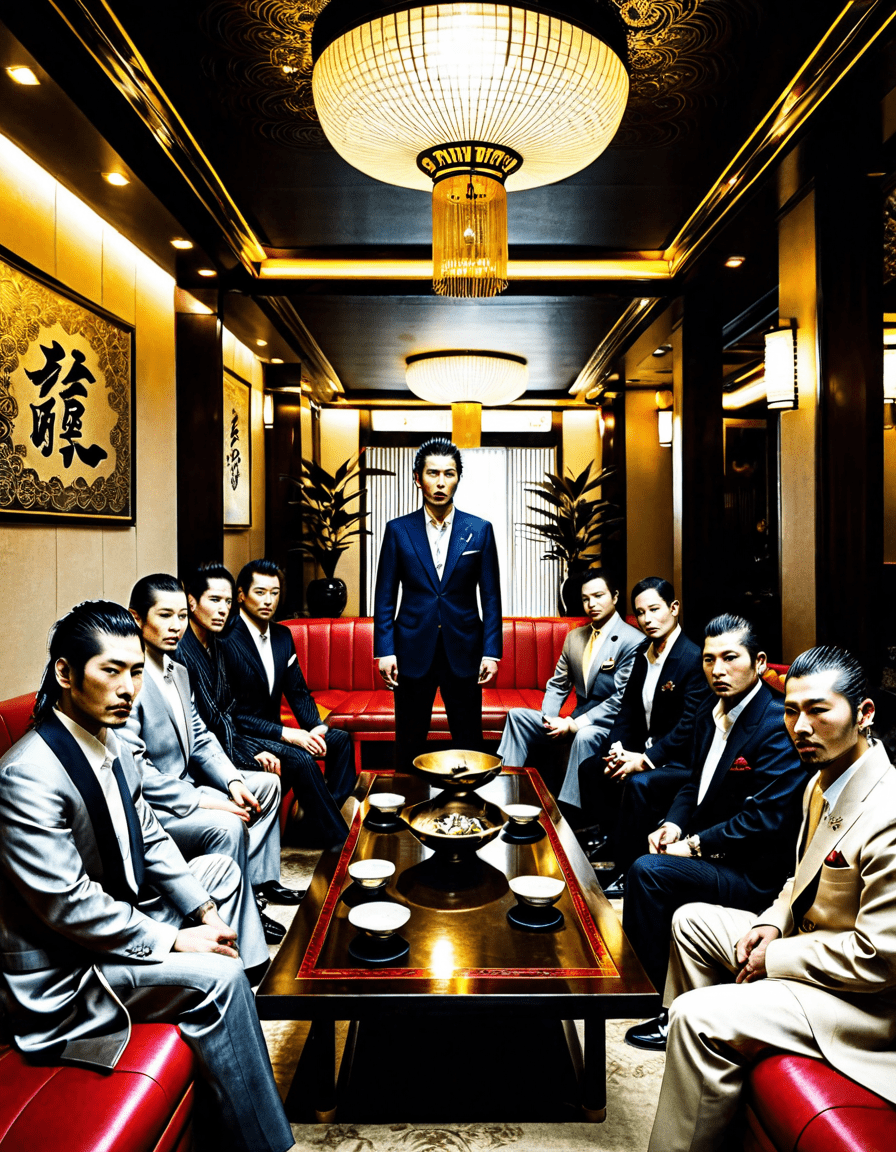
Ah, the yakuza—the name alone conjures images of sharply dressed men, intricate tattoos, and a way of life shrouded in mystique and danger that has captivated the world. Like a high-fashion show that marries danger and desire, these organized crime syndicates have evolved tremendously since their origins during the Edo period (1603-1868). Initially viewed as outlaws, they’ve strutted their stuff, turning into influential players who shape much more than just underworld activities.
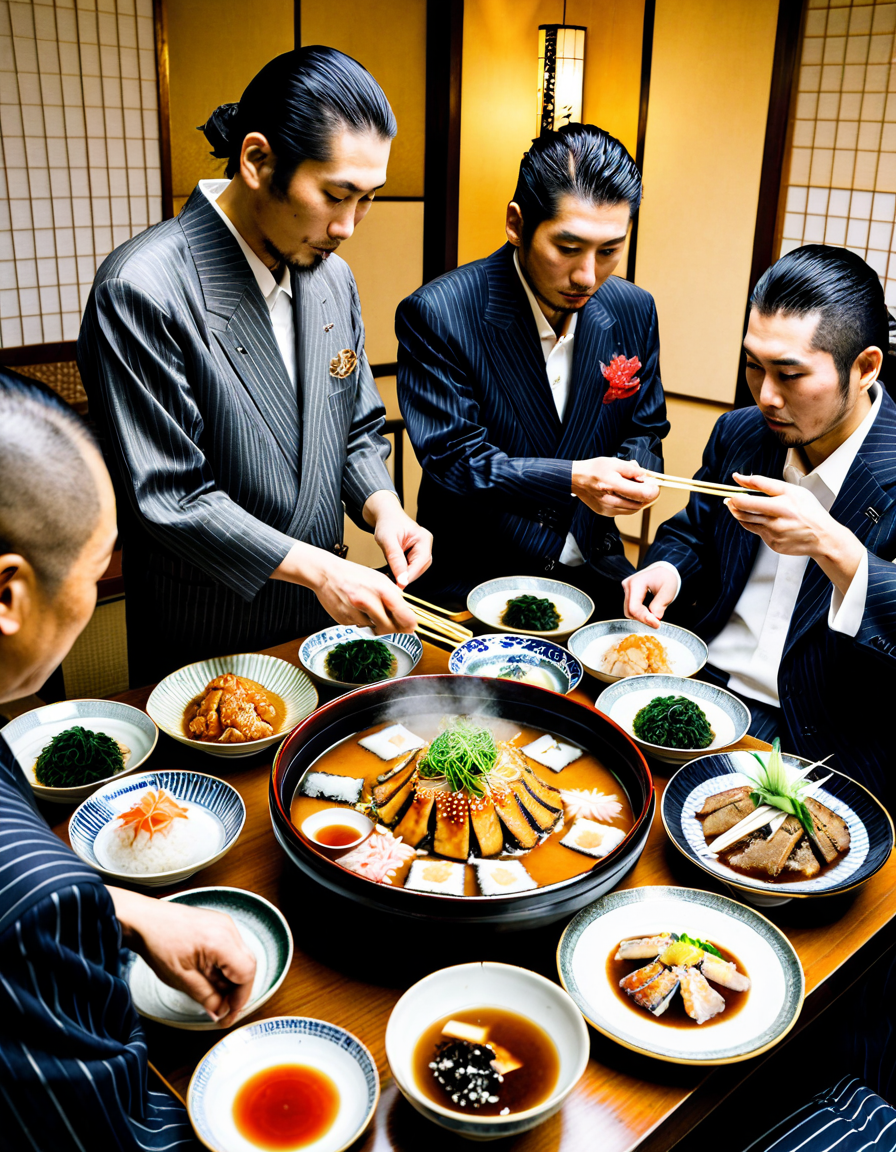
The Evolution of the Yakuza: From Outlaws to Influential Players
Originally, yakuza operated on the outskirts of society, often as street gamblers and merchants. Fast forward to post-war Japan. The yakuza seized the opportunity to integrate themselves into the fabric of society, contributing to the nation’s reconstruction. This transition wasn’t just about survival; it signified their evolution into formidable entities within various industries—including real estate and entertainment.
These aren’t just gangsters; they’re adept businessmen. The yakuza adapted traditional values to thrive in the media-saturated culture of contemporary Japan. Meanwhile, they were rolling with the punches, stepping into the shadows of legitimate ventures while their underpinnings still held sway. Their involvement in international trade, especially in industries like construction and entertainment, places them central to modern Japanese economics.
Even in today’s complex world, yakuza continue dancing the line between law and chaos, showcasing a rich tapestry of street fashion that would make any designer swoon. From tailored suits to striking tattoos—yes, we’re talking about the traditional irezumi—the yakuza find ways to showcase their heritage while being fashion-forward. Much like the grand pieces in clash Of The Titans, where style meets sheer power, so too do the yakuza create an aesthetic that’s both intimidating and alluring.
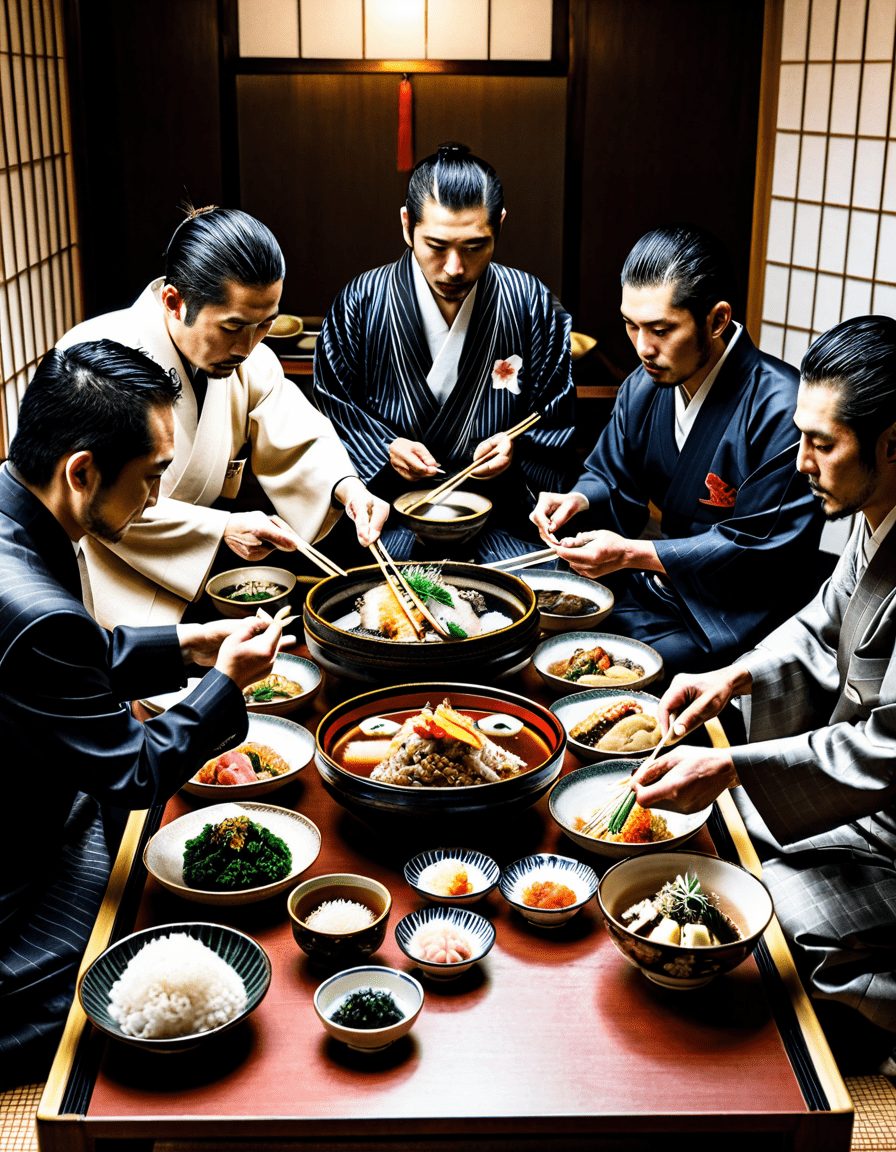
Top 5 Yakuza Families: The Giants of Organized Crime
When exploring the yakuza, it’s crucial to differentiate between the power players within. Here’s a rundown of the giants that dominate the scene:
The Global Impact of Yakuza Activities
The yakuza isn’t just a domestic issue; their reach extends internationally. They are implicated in the global drug trade and have complex relationships with foreign organizations. Their activities aren’t contained by borders—wherever there’s opportunity, the yakuza have a way of finding it.
Take Southeast Asia, for example. The yakuza’s operations have infiltrated various sectors, leaving impacts that ripple through local economies. Their ventures sometimes foster local development, yet, at the same time, they tie communities to dependency on crime.
In the United States, alongside infamous crime syndicates like the Italian mafia, the collaboration adds a layer of intrigue that you simply can’t script. Their interconnected web of international dealings demands attention and raises questions about law enforcement’s ability to keep up with them.
Yakuza Rituals and Symbolism: A Deep Dive into the Culture
Now, let’s peel back the layers—beneath that tough exterior lies a rich culture woven with tradition. The yakuza are not just criminals; they inhabit a world brimming with rituals and symbolism.
Take irezumi—those stunning tattoos tell stories spanning generations. Each character inked on the skin reflects personal histories, triumphs, and tribulations. There’s an art form to it; you might even say it rivals the works of stunning artists like Amano yoshitaka.
Then there’s yubitsume—a custom of finger shortening that’s more than just a form of penance. It represents loyalty and seriousness in an unforgiving world. Much like the drama of Doki Doki literature club, where one choice can lead to profoundly emotional consequences, the significance of yakuza rituals reverberates through their lives.
The Yakuza’s Relationship with Law Enforcement: A Game of Cat and Mouse
The ongoing tug-of-war between the yakuza and Japanese law enforcement is something you wouldn’t want to miss. With the Anti-Boryokudan Act set in place, the government has tightened its grip on organized crime. However, despite these measures, the yakuza remain ingrained in society—a paradox of existence.
Law enforcement strategies vary. From surveillance to community outreach, the Japanese government tackles the yakuza problem with an array of techniques. Yet, yakuza groups adapt, outsmarting local authorities at every twist and turn. Just like a cat-and-mouse chase, this game appears to be endless.
But it’s crucial to recognize how their influence can sometimes foster a peculiar form of social order. Despite their violent reputation, the yakuza can occasionally play the role of protectors in their communities—a role that confounds public perception.
Future of the Yakuza: Challenges and Adaptations in Modern Japan
Looking ahead, the yakuza face a myriad of challenges. The aging demographic of its membership signals a potential decline, while traditional crime methods continue to dwindle. As they navigate this modern landscape, adaptation becomes the name of the game.
Emerging digital crime syndicates are now vying for territory previously held by the yakuza. This shift pushes yakuza to pivot towards tech-driven enterprises, making change not just necessary but vital for survival.
Yet, they still grapple with the ghosts of their past. How they reposition themselves amid societal scrutiny will define their future. Can they maintain their relevance? Only time will tell if the yakuza can thread the needle between tradition and modernity.
Innovations in the Underworld: The New Face of Organized Crime
At the end of it all, the yakuza’s intricate dance between ancient traditions and modern demands offers a fascinating lens through which to understand Japan’s shadows. Their adaptability could dictate not just their fate but also the shifting dynamics of organized crime globally.
Understanding the yakuza goes beyond fear and fascination; it beckons us to consider the broader implications of power, culture, and crime as we stride into an unpredictable future. In a world where the stakes are high, they continue to illustrate that the allure of the underbelly is as captivating as the most luxurious runway show—a nod to the magnetic combination of darkness and glamour that defines them.
So whether you’re more curious about the elegance of a tailored suit or the symbolism behind a masterpiece tattoo, remember that the tale of the yakuza is a continuing saga—one that unfolds with each new chapter in Japan’s vibrant, ever-evolving culture.
Yakuza: A Look into Japan’s Underbelly
Who Are the Yakuza?
The yakuza, often shrouded in mystery, are Japan’s infamous organized crime syndicates. With roots tracing back to the 17th century, these groups operate with a unique code of conduct that emphasizes loyalty and honor. Did you know that the yakuza even have a rich tapestry of tattoos? Each design tells a story, often symbolizing personal achievements or significant events. Much like the character Luffy from “One Piece,” who gears up for a challenge in This episode, members portray their readiness for battle and brotherhood through intricate body art.
Life as a Yakuza Member
Living life as a member of the yakuza can be as glamorous as it is dangerous. There’s a hierarchy, with bosses and their trusted allies operating under a strict code. Interestingly, many yakuza members have familial ties, which is where the term four Brothers comes into play, symbolizing loyalty and togetherness. This creates an almost familial bond that can rival the most heartwarming tales, even reminiscent of scenes from “Love, Rosie, where friendship shines despite adversity.
The Cultural Influence of Yakuza
Despite their criminal undertones, the yakuza have left an indelible mark on Japanese culture. Their portrayal in films, literature, and even music showcases a blend of fear, admiration, and romance. Ja Rule, the singer, often taps into these cultural nuances, resonating with themes of struggle and triumph that are echoed in yakuza narratives. And just as one might find comfort on a comfy couch during a movie night, the yakuza stories provide a captivating escape, gripping audiences with their layered tales of honor, betrayal, and redemption.
Yet, beneath this allure lies a darker reality, much like the haunting storyline in Coffin Of Andy And Leyley, that explores tragic consequences. Additionally, the yakuza’s presence isn’t just limited to crime; they have been known to provide social services in some communities, acting as a strange form of protectors. Their complicated influence serves as a reminder that reality can often be stranger than fiction.