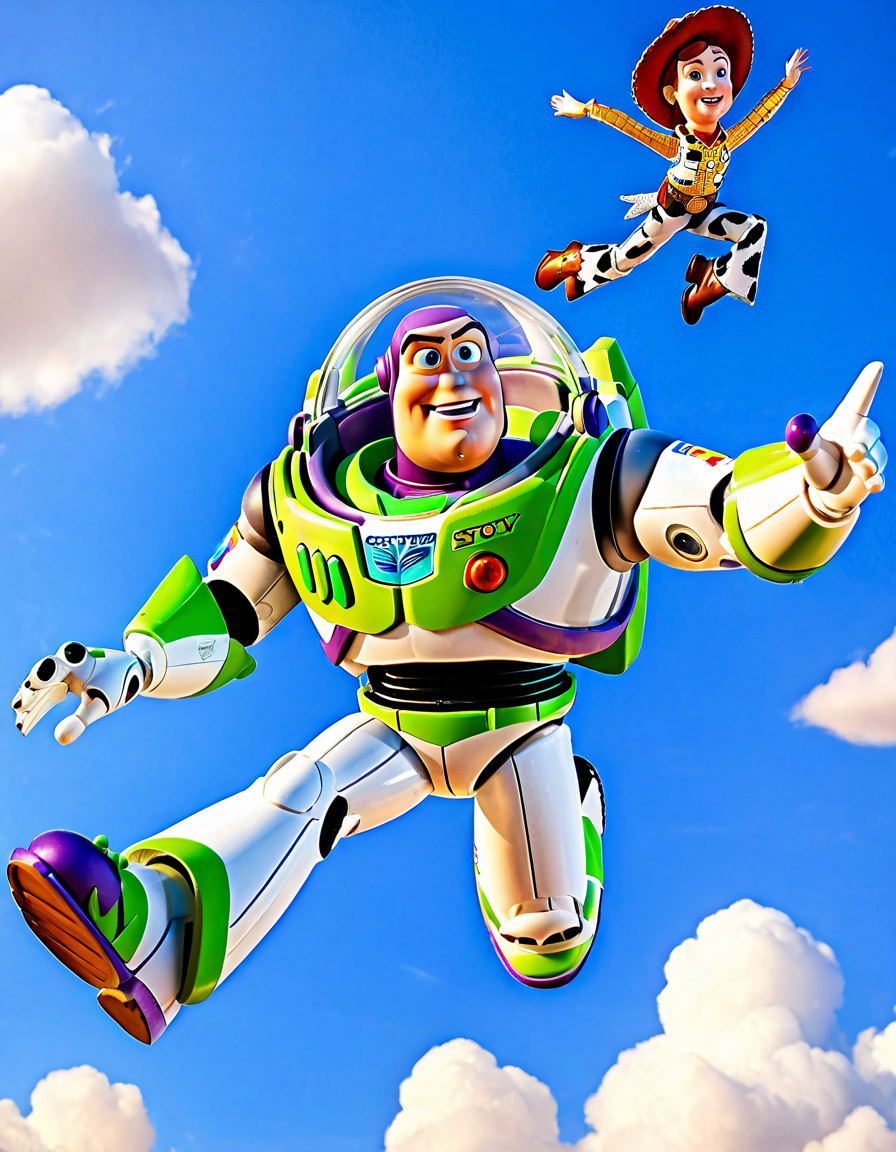
The enduring legacy of Disney and Pixar’s “Toy Story” franchise is a testament to its ability to evolve over time, captivating generations of viewers. Released in 1999, Toy Story 2 not only expanded the imaginative universe first established in the original Toy Story (1995) but also deepened the exploration of timeless themes: friendship, loyalty, and the trials of growing up. As we moved forward through additional installments like Toy Story 3 (2010) and the recent Toy Story 4 (2019), and with the anticipation of Toy Story 5, it becomes clear that the nuanced storytelling and messages in Toy Story 2 remain pivotal in making sense of this beloved series.
The Top 5 Themes from Toy Story 2 that Define the Franchise
Toy Story 2 shines a spotlight on the importance of friendship. We see the unbreakable bonds among Woody, Buzz Lightyear, and their fellow toys. This theme reverberates throughout all sequels, reminding us that true friendship means unwavering support during life’s curveballs. Remember that tear-jerking moment in Toy Story 3? The toys confront their ultimate fate, embodying solidarity that any adult can relate to, proving that camaraderie is indeed priceless.
Woody’s anxiety about being discarded fuels much of the narrative in Toy Story 2. It’s where he uncovers his origin as a collectible—how glamorous, yet isolating! This vulnerability resurfaces poignantly in Toy Story 4, as Woody battles with his purpose and the looming chance of leaving his friends behind to explore a new life. It’s a masterclass in storytelling that lays bare the delicate balance between attachment and independence, serving as a reminder that the struggles we face are often intertwined with our deepest fears.
As Andy transitions from childhood to adolescence, the identities of the toys must adapt too. Toy Story 2 introduces us to characters evolving beyond mere playthings, a sentiment that resonates deeply in Toy Story 3, where the toys grapple with being obsolete. Well, how on earth do they define themselves in a world racing ahead? Woody’s journey toward self-actualization shows us that growth isn’t restricted to humans; it’s an overhaul for our beloved toys too.
In this installment, the tension between being a collector’s item versus a toy for children unfurls beautifully. Characters like Stinky Pete epitomize the allure of being ‘precious’, but ultimately highlight that toys are meant to create joy, not gather dust. This pivotal question about purpose echoes into Toy Story 5, where new challenges emerge as toys navigate an even faster-paced world. Are we prioritizing playtime over perfection? It’s crucial to ponder that.
Nicking at the seams of Toy Story 2 is the graceful acceptance of change. When Woody resolves to return to Andy rather than chase fame, it sets the stage for personal evolution that’s palpable across following films. Fast-forward to Toy Story 4, where Woody’s emotional farewell to his past symbolizes that adaptation isn’t a choice—it’s life. Remember the line from Shakespeare? “All the world’s a stage.” Well, so is childhood—it requires just the right kind of flourish.
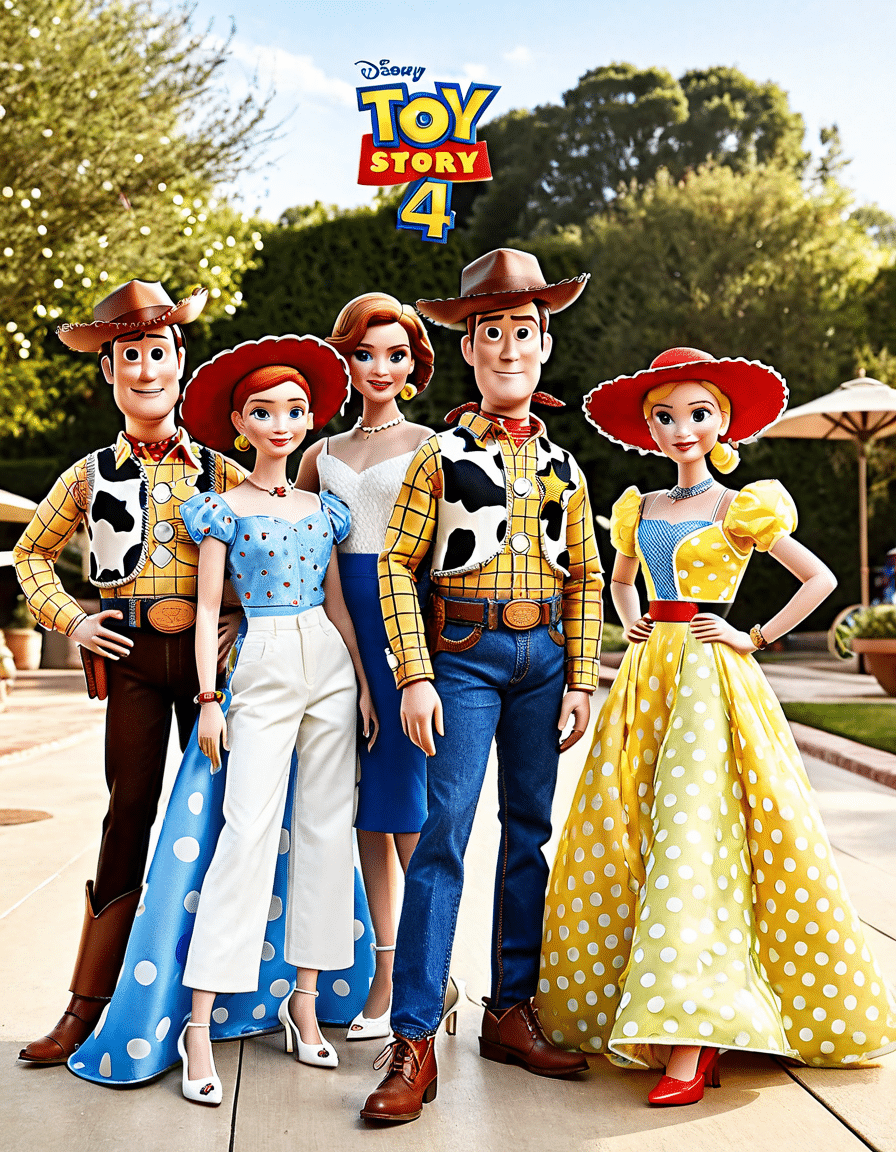
Insights into Character Development Across Toy Story 2, 3, and 4
Character development across Toy Story 2, Toy Story 3, and Toy Story 4 reveals layers of complexity. Buzz Lightyear begins as a misguided space ranger, triumphing into Woody’s staunch ally in Toy Story 2. His growth is palpable, showcasing bravery and loyalty. But hold your horses! It doesn’t stop there. Toy Story 3 nudges Buzz to embrace reality—that being a toy is, in fact, terrific and heroic in its own right. As we glance ahead to Toy Story 5, the characters are set to reconcile their identities and aspirations in a rapidly shifting landscape of childhood. There’s excitement and dread—and that’s what makes it relatable.
The Anticipation for Toy Story 5
As buzz builds for Toy Story 5, speculation runs wild about what’s in store for Woody, Buzz, and the entire crew. Are we looking at a new generation of kids who might not value toys like Andy did? That adds a rich layer of commentary about society, right? Fans are all abuzz as they wonder what lessons will unfold next. They’ll navigate fresh challenges while wrestling with themes of friendship and identity like skilled artisans shaping clay.
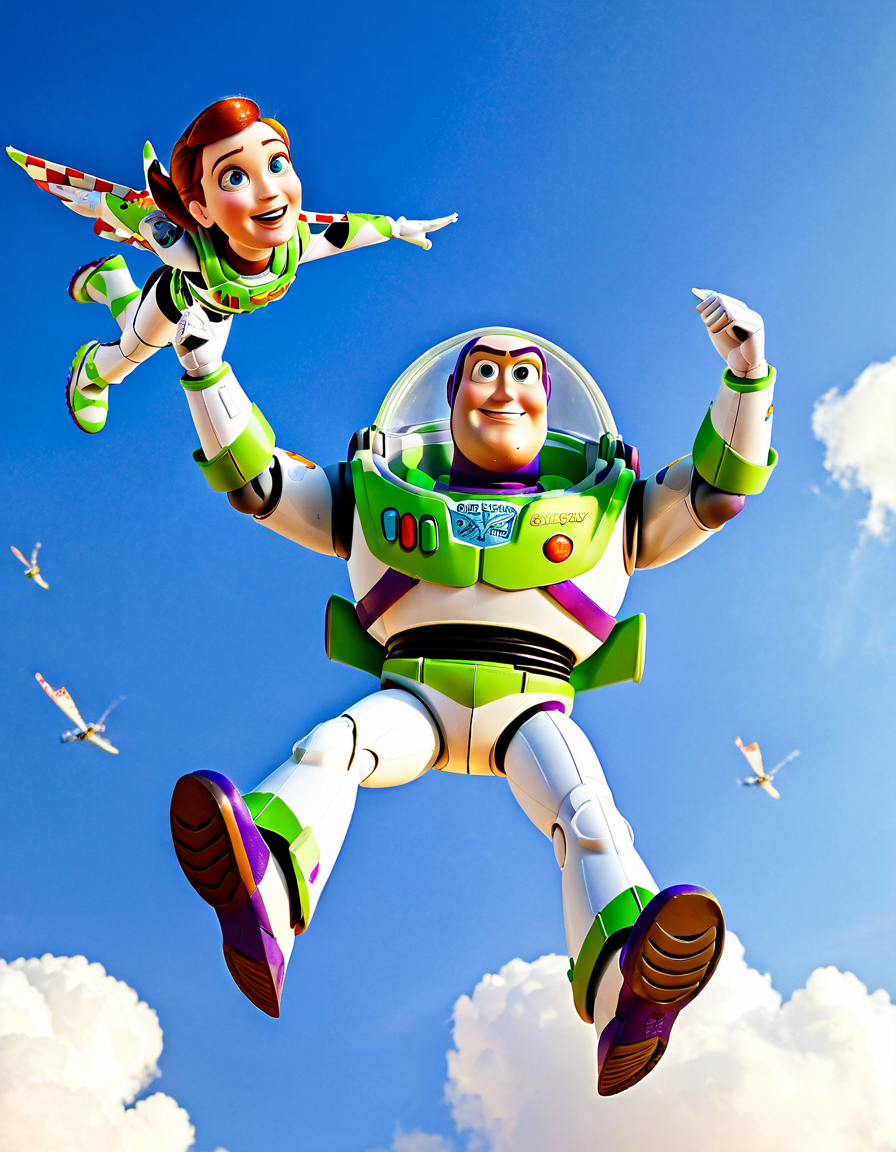
A Lasting Legacy of Friendship in Toy Story 2 and Beyond
In looking closely at Toy Story 2 and its sweeping cultural influence, it’s crystal clear that themes of friendship, transformation, and self-worth provide a sturdy foundation. Crafted by creative wizards, these timeless narratives resonate deeply, not only in their dazzling animation but in conversations spanning generations. Through establishing and nurturing these relationships, Pixar has birthed a precious animated series, igniting community spirit among fans. They cherish the ideals of loyalty, love, and growing up—a tripartite that feels ever-more essential as we forge ahead, welcoming new narratives unfolding through Toy Story 5.
In this age of rapid change, it seems especially poignant to highlight how these rich tales of camaraderie and self-discovery reflect universal human emotions. From Woody’s triumphs to Buzz’s earnest realizations, there’s an undeniable style and flair that captivates hearts, keeping fans yearning for what lies next. So, grab your popcorn, friends; we’re in for quite a ride!
Toy Story 2: Journey of Friendship and Adventure
Fun Facts About Toy Story 2
When you think of animated classics, Toy Story 2 often pops into your mind. Released in 1999, the film not only captures the essence of friendship but also highlights the bittersweet nature of growing up. Interestingly, did you know that the film was almost deleted? A hard drive crash literally put the future of Toy Story 2 at risk until a heroic team member restored it. This kind of intense turnaround is reminiscent of legendary escape artist Houdini, who was known for pulling off unbelievable stunts!
The film is filled with heartwarming moments, one being Buzz Lightyear’s growth throughout the series. Just like how Pope Benedict once shared valuable insights on spirituality, Buzz learns the importance of being himself, rather than just a toy that follows commands. The supporting characters? They sure pack a punch! Jessie, voiced by Joan Cusack, is not just a fun cowboy doll; she represents the notion that accepting one’s past can lead to newfound friendships and adventures. Speaking of characters, did anyone else get a chuckle from Elmer Fudds distinct voice when you think of animated antics?
Furthermore, the theme of loyalty shines bright in Toy Story 2. Woody’s unwavering commitment to his friends echoes the popular phrase “win or lose,”( where, ultimately, it’s about the bonds you form along the way. Fun fact: if you ever find yourself craving a snack while binge-watching the Toy Story trilogy, why not indulge in some grub from Torchy’s Tacos? You’ll be living your best life, just like the toys on their adventurous journeys! Whether it’s about really unusual Animals With Down syndrome or the experiences of characters like Eli Wallachs villainous role, Toy Story 2 never fails to teach us about love, friendship, and the joy of adventure.