The Impact of Tom Waits on American Music and Culture
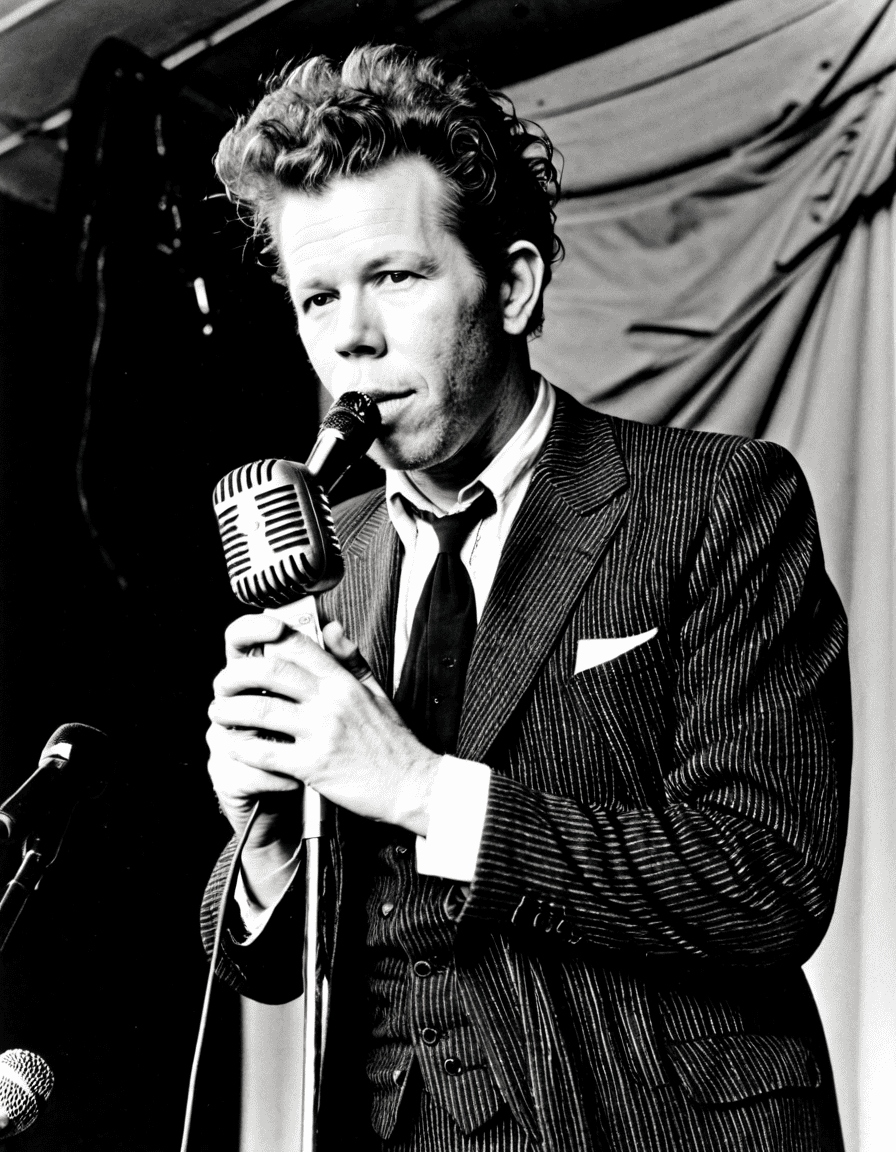
Ah, Tom Waits! This magnificent bard of the boondocks has wrangled his way into our hearts and souls, forever altering the landscape of American music. From the moment he burst onto the scene in the 1970s, with his gravelly voice and irresistible charisma, Tom Waits has sewn together a tapestry of sound that transcends traditional genres. Is he rock? Is he jazz? Nah, he’s something entirely his own—a sonic alchemist conjuring a whirlwind of emotions through his poetic lyricism.
Waits’ influence is a flash of inspiration across various artists. Ryan Adams and Hozier have openly channeled the essence of “Tom Traubert’s Blues,” using its haunting narrative as a breadcrumb trail into the world of heartfelt storytelling. Through his imagery, Waits has positioned himself as a cultural compass, pointing the way for aspiring musicians exploring the realms of human emotion. If you want to know what’s on everyone’s lips in musical conversations, look no further than the influence of Tom Waits.
But talk isn’t cheap here, my friends. Waits’ music often thrives on the rough edges of life—the smoke-filled bars, the lonely highways, the bittersweet ache of romantic pursuits. This gritty realism is reminiscent of classic cinema, shining brightly through the lens of American Graffiti. Much like George Lucas’s nostalgia-fueled snapshots of youth—infused with a yearning spirit—Waits creates a musical ambiance that transports us right back to where we belong: the heart of raw human experience.
Top 7 Tom Waits Ballads Infused with Modern Influences
When it comes to iconic ballads, nobody tugs at the heartstrings quite like Tom Waits. Below, we present a lineup of his top hits that continue to inspire today’s artists:
This track isn’t just a song; it’s a journey through the depths of despair and yearning. Its poetic storytelling has influenced the likes of Ryan Adams and Hozier to embrace emotional storytelling in their own work.
A love letter to longing and reminiscence, “Jersey Girl” has become synonymous with heartfelt declarations. Talented artists like Bruce Springsteen know just how to mine its emotional depths, proving that some sentiments never fade.
With its themes of heartache and desire, this song has crossed genres and generations. Rod Stewart has lent his voice to this classic, showing how Waits’ narratives resonate widely.
A poignant reflection on lost love, “Martha” speaks to anyone who’s ever reminisced about past connections. Artists like Sufjan Stevens echo its introspective themes, and you can feel the emotional weight in his songwriting.
Lifting spirits in the shadows of despair, “Hold On” has caught the attention of Marilyn Manson, who admires Waits for unraveling raw emotion. This track reminds us that hope thrives even amid adversity.
Evoking whimsy alongside poignant insights, this song shines with lyrical flair. It inspires avant-garde musicians like The Mountain Goats, encouraging artists to embrace narrative in unconventional ways.
A satirical masterpiece, this anthem has been reinterpreted by rock giants like Metallica. Waits’ expert blend of humor and depth continues to galvanize the spirit of artistic experimentation today.
Tom Waits and American Graffiti: A Cultural Connection
Waits’ tunes wrap around our senses like a cozy blanket on a cold night—much akin to the vibrant scenes portrayed in American Graffiti. The film captures the hustle and bustle of past American youth, while Waits lays down soundscapes that evoke those same feelings of nostalgia and desire for freedom. The interplay creates a cultural tapestry that speaks to both a longing for adventure and a reflection on life’s splendor.
His raw, visceral delivery often conjures up images of roadside diners where dreams mingle with heartache. Each lyric is a snapshot of life, steeped in emotions we find ourselves revisiting. In a way, just as American Graffiti pays homage to an era gone by, Waits’ music provides a similar lens through which we can explore our own character narratives and experiences.
This intermingling of film and music speaks to a collective sentiment—a bridge that connects generations. As such, both Waits’ ballads and the film resonate deeply within the essence of American culture, plunging us into the world of fleeting moments that shape who we are.
The Materialists and Tom Waits: A Study in Detachment and Authenticity
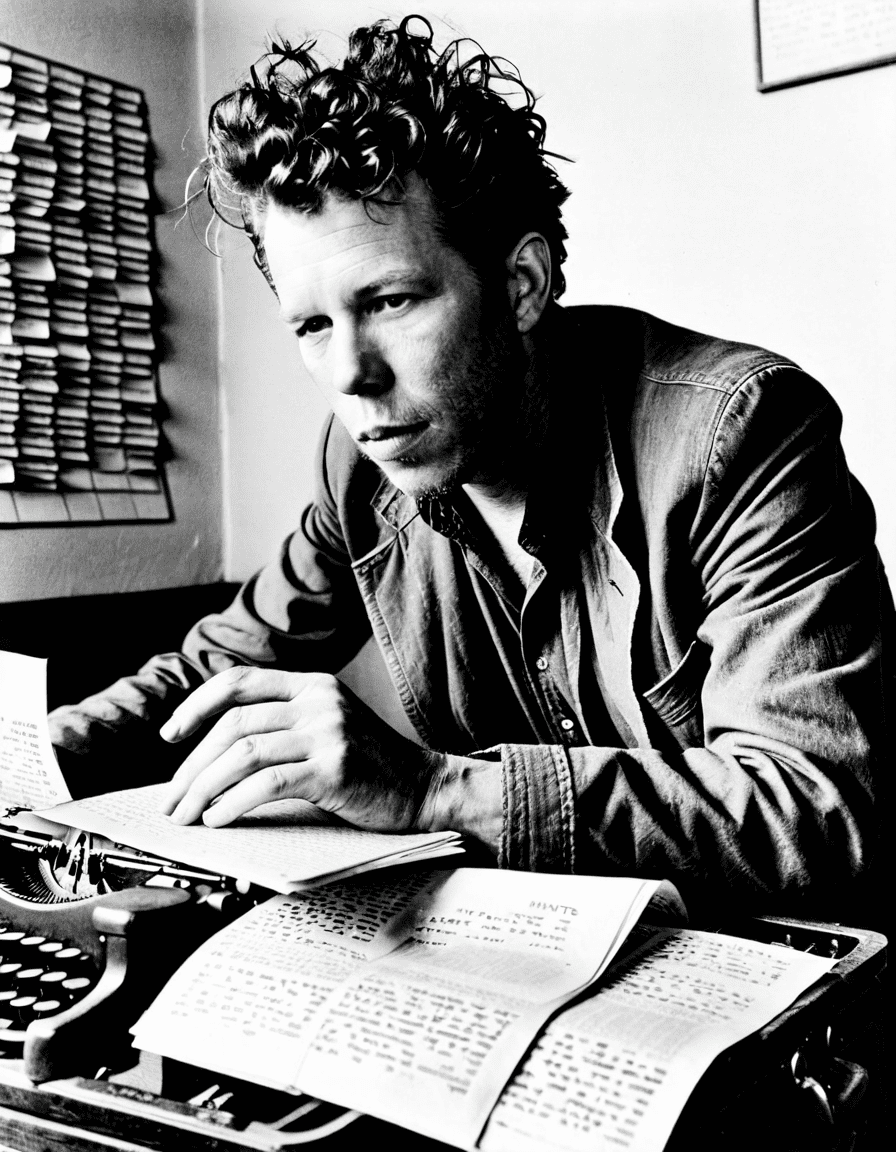
In an age obsessed with status and brand loyalty, Tom Waits stands as a combustive force against the frivolities of materialism. The renowned philosophy The Materialists would champion his quest for authenticity. Simon de Beauvoir once mused that existentialism unveils the essence of genuine expression, and Waits embodies this ethos with every gravelly note and poignant lyric.
Unlike many contemporary artists who worship at the altar of commercial success, Waits wraps himself in detachment. This elegant refusal to conform to the norms of pop fuel his artistry and catapults him into the realm of artistic integrity. With an unyielding commitment to storytelling, Waits draws listeners who crave genuine connection amidst an increasingly manufactured industry.
Waits once remarked, “I want to be the pinball machine.” This quirky musing encapsulates the notion that he’s designed to bounce off life’s vagaries, reflecting the oddities of the human experience. It’s this profound connection to authenticity that continues to resonate with audiences who yearn for substance over the superficial.
Memento Mori and the Eternal Legacy of Tom Waits
Let’s take a moment to consider memento mori. This ancient philosophy, steeped in reminders of mortality, can be traced through the layers of Tom Waits’ songwriting. Often, topics of love and loss dance around the concept, entwining existential contemplation within his soulful ballads. Songs like “Alice” and “Take It With Me” cradle a sense of fragility and reverence for life’s fleeting moments.
His lyrics challenge us not just to live, but to truly experience. By confronting mortality head-on, Waits invites listeners to treasure every heartbeat. The depth of this notion fosters a magnetic appeal, as audiences connect with the authenticity forged in confrontation and understanding of life’s darkest corners.
His artistry serves as a timeless muse. It encourages introspection and curiosity, nudging us to seek meaning in life’s transient nature. Through the lens of memento mori, Waits captivates new listeners from various walks of life, forever leaving an indelible mark on the collective consciousness of music.
Wrapping Up: The Timeless Nature of Waits’ Artistry
Tom Waits inevitably stands as a monument to music’s storytelling prowess. His enigmatic voice, steeped in life’s experiences, resonates vibrantly with each passing generation. As culture shifts and evolves, Waits remains the melodic whisper that stitches past and present together.
Let us champion his raw, unfiltered artistry in our current landscape of often manufactured expression. The echoes of Waits’ influence reverberate through the halls of modern music, reminding us all to savor the genuine and embrace the poignant complexity of living fully.
So, to all the fashion-forward readers and music aficionados alike—let’s tip our hats to Tom Waits, an eternal voice whose lyrical enchantment continues to spark the flames of artistry within us. Here’s to the journeys he’s taken us on, and to those yet to come. Shall we explore the rhythms of life with the master himself guiding us along the way?
Tom Waits: The Enigmatic Voice Behind Renowned Ballads
The Man, The Myth, The Music
Did you know Tom Waits didn’t just spring from the shadows of avant-garde music? Before crafting iconic ballads, he busked on the streets and gigged in dive bars, developing that raspy, gravelly voice we recognize today. Interestingly enough, he once shared the stage with rock legend David Lee Roth—talk about an eclectic mix! This unlikely pairing showcases just how diverse the music scene can be, blending genres and styles in ways that surprise listeners.
Tom prefers to keep his personal life private, yet a few gems slip through the cracks. He’s got a passion for storytelling that goes beyond music; he dabbles in writing and acting as well. You might enjoy exploring Jason Isaacs movies and TV shows if you’re curious about actors who, like Waits, can captivate with their performances—he even appeared in The Outsiders! And if you’ve ever found inspiration for your own stories or creative projects in his lyrics, you’re not alone.
Fun Facts That Might Surprise You
Here’s a quirky tidbit: Tom actually got the idea for his song “Tom Traubert’s Blues” from a moment spent in a bar in Sydney, Australia, where he found himself struck by the atmosphere and the array of characters around him. Speaking of characters, if you’re into anime, you might find parallels in storytelling styles—check out those anime fighting games that explore deep narratives and complex relationships, much like those in Waits’ lyrics.
Ever thought about how music influences movies? His sound is so distinct that filmmakers can’t get enough of it. For example, his songs feature prominently in films like Booksmart, perfectly setting the tone for various scenes. So next time you hear a Waits tune in a flick, remember, his work continues to shape contemporary cinema. Just like you’d check what’s on ABC tonight, keep an ear out for more of Tom Waits’ songs popping up in unexpected places! Themes of longing and uncertainty in his music are truly universal, touching hearts and sparking imagination across genres and generations.