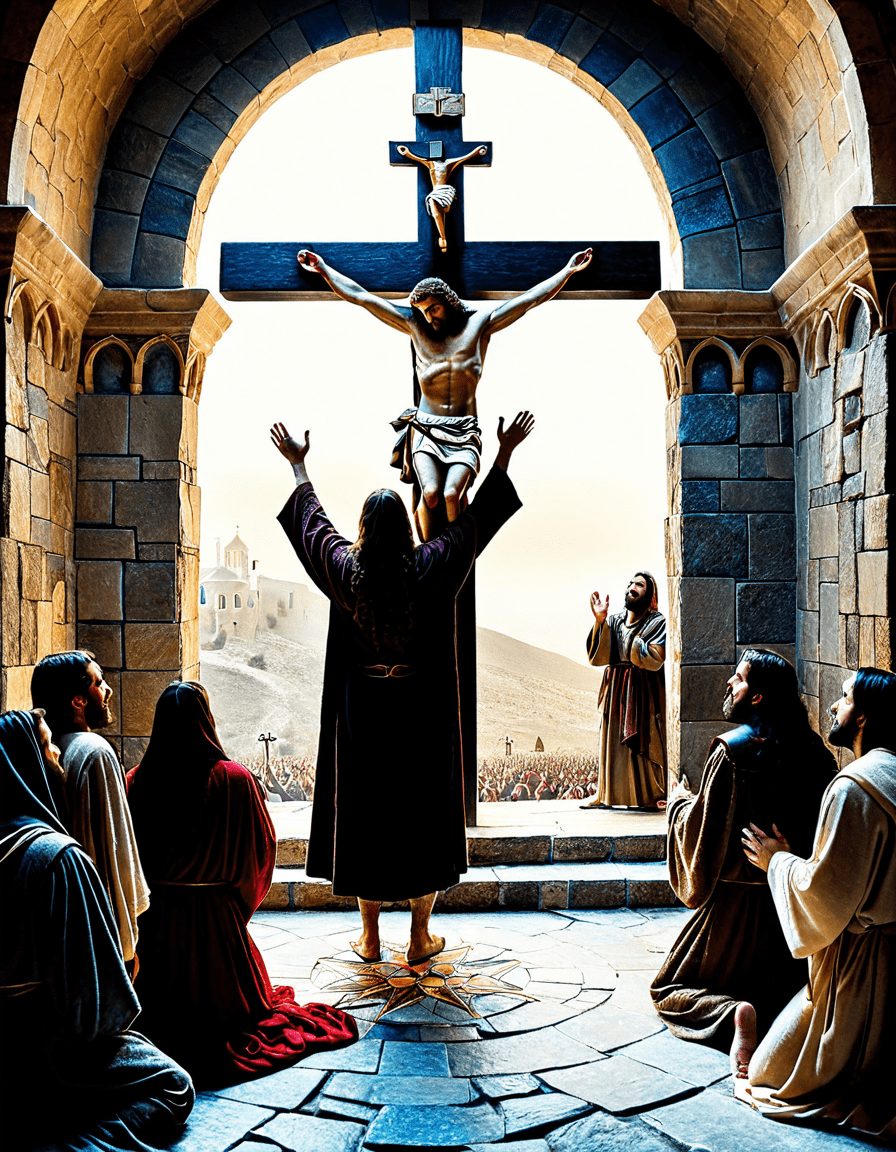
The Passion of the Christ is not just a film; it’s a cultural monolith that shook the very foundations of Hollywood when it burst onto the scene in 2004. Directed by Mel Gibson, this biblical epic captivated audiences, raking in over $600 million worldwide. It forever altered the landscape for religious cinema, inspiring a new wave of films that ventured beyond the typical saccharine narratives to tackle complex themes. From the emotional weight of forgiveness to the poignant beauty of redemption, The Passion of the Christ is a story that resonates, transcending mere entertainment while demanding a deeper discourse on sacrifice and spirituality.
The Impact of The Passion of the Christ on Modern Cinema
The seismic impact of The Passion of the Christ on modern cinema can’t be overstated. Prior to its release, religious films often struggled at the box office, perceived as niche, tailored only for devout audiences. Gibson’s magnum opus changed the game, proving that deeply spiritual narratives could resonate with mainstream audiences. Following its success, studios scrambled to bring forth similar projects, and films like Heaven is For Real and The Shack found their footing in a suddenly lucrative market.
This shift wasn’t simply financial; it transformed how Hollywood approached spiritual storytelling. The film’s blend of raw emotion and striking visuals served as a blueprint for how faith-based films could be both enlightening and commercially successful. For filmmakers today, the Passion of the Christ is a lodestar, illuminating paths in storytelling that revolve around faith, morality, and the human condition.
As we explore the film’s legacy, it’s essential to acknowledge that this wasn’t just a financial success; it was a conversation starter. From discussions in church basements to debates raging on social media, the film sparked widespread dialogues about faith, art, and their intersections—an engagement that continues to flourish more than a decade later.

The Controversy: Analyzing the Critiques of The Passion of the Christ
Controversy is often the companion of greatness, and The Passion of the Christ was no exception. Critiques exploded from various corners, particularly regarding the graphic portrayal of violence and its implications. Some groups, including Jewish organizations like the Anti-Defamation League, voiced serious concerns about potential anti-Semitic interpretations that could stem from how Jewish characters were depicted. Comparisons to films like Joker illustrate that societal context is pivotal when scrutinizing representation; audience perception fluctuates based not only on content but on cultural backdrop, too.
The graphic violence in the film—though intended to reflect historical accuracy—also ignited fierce debates. Some viewers hailed it as an honest portrayal of sacrifice, while others saw it as gratuitous and sensationalized. Nevertheless, this intense discourse shows the powerful grip that The Passion of the Christ has on the public imagination, compelling viewers to engage with its themes, for better or worse.
As critics and audiences weighed in, the discussions spurred a wider examination of how faith intersects with film. In an age where narratives are scrutinized for their societal implications, The Passion of the Christ helped crystallize the need for filmmakers to tread carefully yet boldly. Boldness and sensitivity are the shadows in which sophisticated storytelling thrives, a lesson that continues to resonate in today’s cinematic landscape.
The Artistry of The Passion: Cinematic Techniques and Innovations
The artistry of The Passion of the Christ is where the film’s emotional core truly lies. Mel Gibson made daring choices, including the use of Aramaic and Latin languages, that imbued the film with an authenticity rarely seen in Hollywood productions. Of course, nothing would have come to light without the visionary cinematography by Caleb Deschanel, whose striking visuals painted a vivid tableau that resonated with the audience’s emotions.
These artistic choices don’t exist in a vacuum; they echo some modern techniques seen in films like Dunkirk and 1917, which employ realism and immersive storytelling to evoke visceral reactions. How Gibson’s film eschews the polished approach seen in many contemporary films showcases a nostalgic yearning for gritty authenticity that many modern filmmakers are now rediscovering.
In addition to language and cinematography, the film’s score, composed by John Debney, underscores the emotional highs and lows with haunting melodies that linger long after the credits roll. Each frame, each note contributes to a narrative that is both biblical and universal in its brush with human suffering and redemption. It challenges us to reflect on our own sacrifices, encouraging viewers to consider what it means to suffer for love and purpose in their lives.

The Legacy: How The Passion of the Christ Influenced Modern Religious Themes in Film
Legacy is a powerful thing, and the aftermath of The Passion of the Christ can be seen rippling through subsequent cinema. Films like Risen and Mary Magdalene draw upon the themes pioneered by Gibson, showcasing stories of redemption and personal agency. Where once evangelical narratives leaned heavily upon dogma, new films are reimagining these stories through a modern lens, appealing to both spiritual seekers and the unchurched alike.
Risen, for instance, touches upon themes of doubt and faith through a Roman soldier’s disillusionment, inviting viewers to explore a more personal relationship with God. Similarly, Mary Magdalene shifts the focus to one of the most misunderstood biblical figures, conveying a narrative of empowerment and agency seldom explored within traditional religious contexts.
This evolution illustrates the profound impact The Passion of the Christ has had—not just as a singular film but as a catalyst for movement within religious storytelling. It urges filmmakers to take risks in how they portray devotion, pushing the boundaries of faith narratives in exciting new directions. The legacy of this film continues to inspire generations of filmmakers to infuse their projects with honesty, vigor, and a fresh approach to the sacred story.
Audience Reception: Faith and Film in the Age of Streaming
As we fast-forward into our streaming-centric era, the encounter between audience and religious film has undergone a dramatic transformation. Once confined to theater walls, films now arrive at viewers’ fingertips, ready to be streamed on-demand. Netflix, for instance, has embraced this shift, presenting titles like The Two Popes and various docuseries aiming to provide spiritual enrichment to a diverse audience.
This democratization of content has led to a broader acceptance of religious themes in mainstream media. However, its implications aren’t universally embraced; some argue that the dilution of quality in storytelling leads to misunderstandings of the art form. In the flurry of options, viewers must discern which narratives authentically resonate and which are mere shadows of the inspirational stories seen in The Passion of the Christ.
The community response that swelled during the release of The Passion of the Christ has now morphed into a broader, albeit fragmented, conversation about spirituality in the digital age. The ability to connect with faith-based films is easier than ever, enjoying both communal viewings and solitary reflections. This tension between the personal and the communal reflects a continual evolution in how audiences engage with stories of faith and our search for meaning.
A Personal Perspective: How The Passion of the Christ Shaped Individual Faith Journeys
Beyond discussions of box office earnings and critique, The Passion of the Christ left profound imprints on individual faith journeys. Countless viewers have shared transformative stories, recounting how the film served as a catalyst for renewed spirituality. It often opens avenues for deeper understanding of sacrifice, forgiveness, and grace, resonating with both devout viewers and those on a quest for meaning.
Influential figures like Pastor Rick Warren have noted how the film ignited conversations across congregations, urging communities to engage in discussions about the lessons embedded within its narrative. Viewers experienced moments of eye-opening clarity, using this touching portrayal of Christ’s sacrifice to reevaluate their perspectives on interpersonal relationships, motivations, and the essence of forgiveness.
In listening to these personal testimonies, we find a tapestry of human experiences woven together by a shared understanding of faith. The film illuminates paths toward transformation and acts not only as a mere cinematic experience but as an invitation to deeper spiritual introspection, empathy, and ultimately, connection with something greater than ourselves.
Future Implications: What Lies Ahead for Religious Cinema
As we look toward the horizon of 2026 and beyond, the future of religious cinema appears bright, albeit layered with intricacies. The increasing push for diversity and inclusivity is a prominent trend, as filmmakers like DeVon Franklin emerge with projects like Heaven Sent, showcasing fresh narratives that highlight underrepresented voices and perspectives in spiritual storytelling.
As the landscape shifts, it becomes evident that audiences crave authenticity—stories that resonate with their diverse life experiences. The evolution of faith narratives is no longer solely confined to biblical tales but expands into explorations of spirituality, self-discovery, and communal bonds, echoing arcs of human flourishing.
While we cannot predict every twist and turn, The Passion of the Christ has undeniably paved the way for future storytellers. By embracing both the traditional and the innovative, filmmakers will have the opportunity to craft poignant narratives that engage the heart and spirit of audiences. Future films might strive to reflect the complex tapestry of modern religion, offering opportunities for richer dialogue and deeper connection.
Final Reflections on The Passion of the Christ
Ultimately, The Passion of the Christ stands as a cornerstone for dialogues surrounding faith, art, and the human experience. Its narrative transcends the confines of cinematic entertainment, urging the audience to grapple with profound themes of sacrifice, suffering, and hope. As we draw reflections from this powerful film, we see not merely a piece of entertainment but rather a cultural phenomenon that inspires conversations across generations.
In the intricate tapestry of our lives, The Passion of the Christ reminds us of our search for meaning, calling us to confront the depths of our humanity amid the struggles and triumphs of existence. It leaves an indelible mark not only within cinema but also in the hearts of individuals engaged in a continuous journey of faith, empathy, and reflection. So, as we move forward, we carry with us the profound lessons embedded in this film—a testament to love, resilience, and the unyielding quest for understanding in an increasingly intricate world.
The Passion of the Christ: Captivating Trivia and Fun Facts
Behind the Scenes Fun
Did you know that The Passion of the Christ was shot in Aramaic, Latin, and Hebrew? This choice was intentional, aiming for authenticity. The film’s reliance on ancient languages adds a layer of depth which is rare in modern cinema. Speaking of rare experiences, if you’re on the lookout for unique cinema stories, check out the life of Andy Kaufman, whose unconventional aura still fascinates many. In an era where films often play it safe, The Passion of the Christ took bold risks that set it apart. And how’s that for an intense cinematic journey? Imagine the crew prepping sets just like you’d adjust a rainbow near me—because who doesn’t want to find that pot of gold at the end?
Hollywood Connections
Interestingly, the film’s success catapulted Jim Caviezel into the spotlight, but he faced significant challenges throughout production. For instance, sustaining injuries, including a serious back injury during the crucifixion scene, really shows dedication, doesn’t it? A little fun fact: In a 2008 interview, Caviezel revealed how he likened the experience to a real-life escape plan 2, physically and emotionally. That’s passion right there! Speaking of perseverance in the industry, Ian Mcshane once said that every actor has their role that defines them, much like Caviezel’s portrayal of Christ did for him.
Cultural Impact
The Passion of the Christ didn’t just break box office records; it sparked conversations about faith and filmmaking techniques. It’s fascinating how a single film can provoke such extensive dialogue in pop culture, akin to the buzz surrounding Squid Games Season 3. The depiction of sacrifice resonates universally, inviting interpretations that cross cultural lines. And on another note, remember that every character plays their part—as seen in the iconic role of Han Solo—adding layers to their stories in unexpected ways. Just like how Mace Coronel has brought his unique style to the screen, each performance adds to our cinematic treasure trove.
In sum, The Passion of the Christ is more than just a movie; it’s a passionate exploration of storytelling, one that inspires audiences and breathes life into history. Whether you’re a film buff or a casual viewer, there’s always something new to learn—and perhaps even a hidden gem waiting to be discovered in the depths of Hollywood’s past!