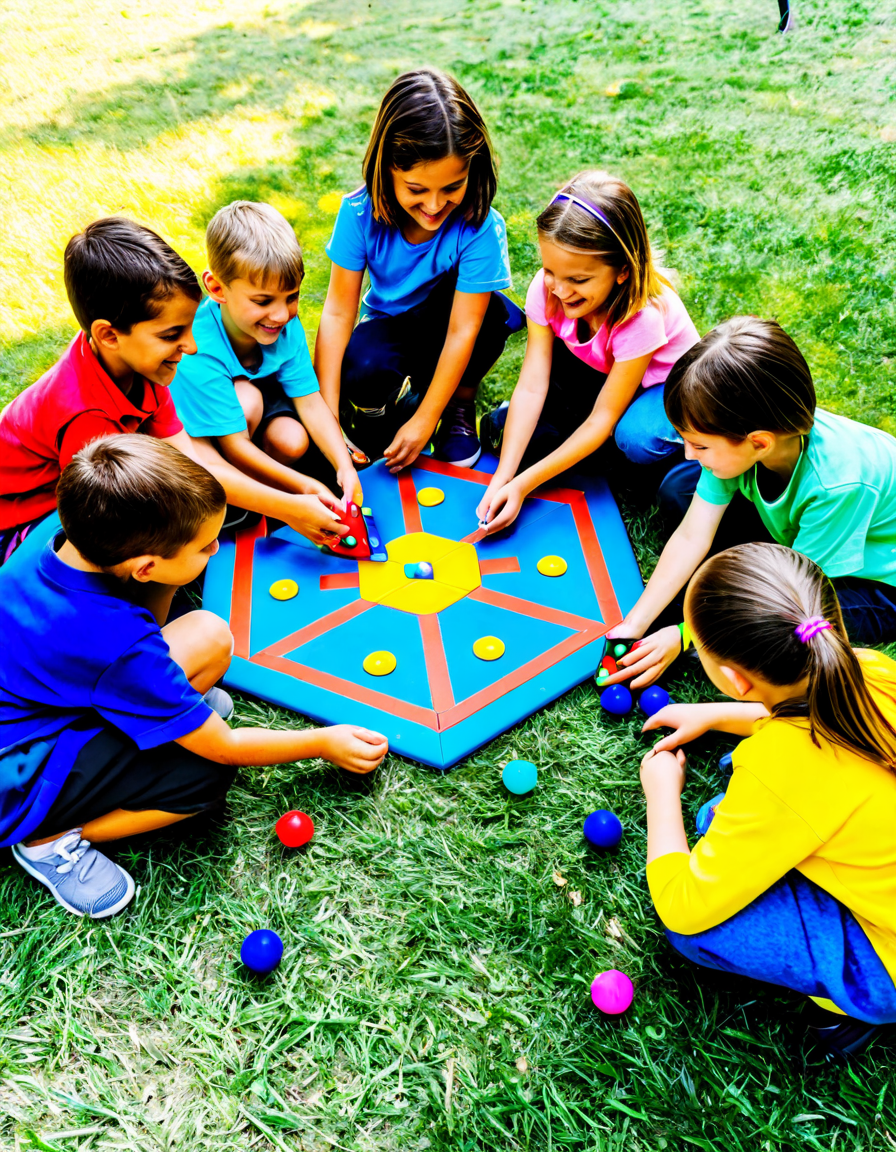
Ah, recess! This delightful pocket of freedom amidst the rigors of academia was once simply a time for children to unwind and engage in a little friendly socializing. But let me tell you, my fashionable friends, recent research is proving it’s so much more than that. Studies from prestigious institutions, such as the University of Illinois, reveal that these moments spent outside the classroom not only foster creativity and problem-solving skills but also enhance emotional intelligence. Indeed, recess is developing into a powerhouse for lifelong learning, and it’s time we embrace its colorful potential.
As our world rushes forward, it becomes increasingly clear that the playground serves as the classroom’s funky cousin—a space where little ones can learn incredibly vital life skills while having the time of their lives. So, let’s delve into the jaw-dropping ways that recess transforms play into powerful learning experiences.
The Evolution of Recess: From Break Time to Brain Booster
The notion of recess has traditionally been akin to a necessary evil—a brief intermission from the classroom saga. However, progressive schools start to understand its core importance in enabling children to flourish, both cognitively and emotionally. In a groundbreaking report from Marshfield News herald, experts indicate that unstructured play cultivates an organic environment for children to develop social skills essential for adult life.
Imagine this: recess is like a fabulous cocktail party where instead of sip, sip, sipping on a delightful drink, kids are creating friendships and sharpening their problem-solving skills while playing tag or hopscotch. These moments aren’t just mere distractions; they’re foundational experiences fueling their growth into well-rounded individuals.
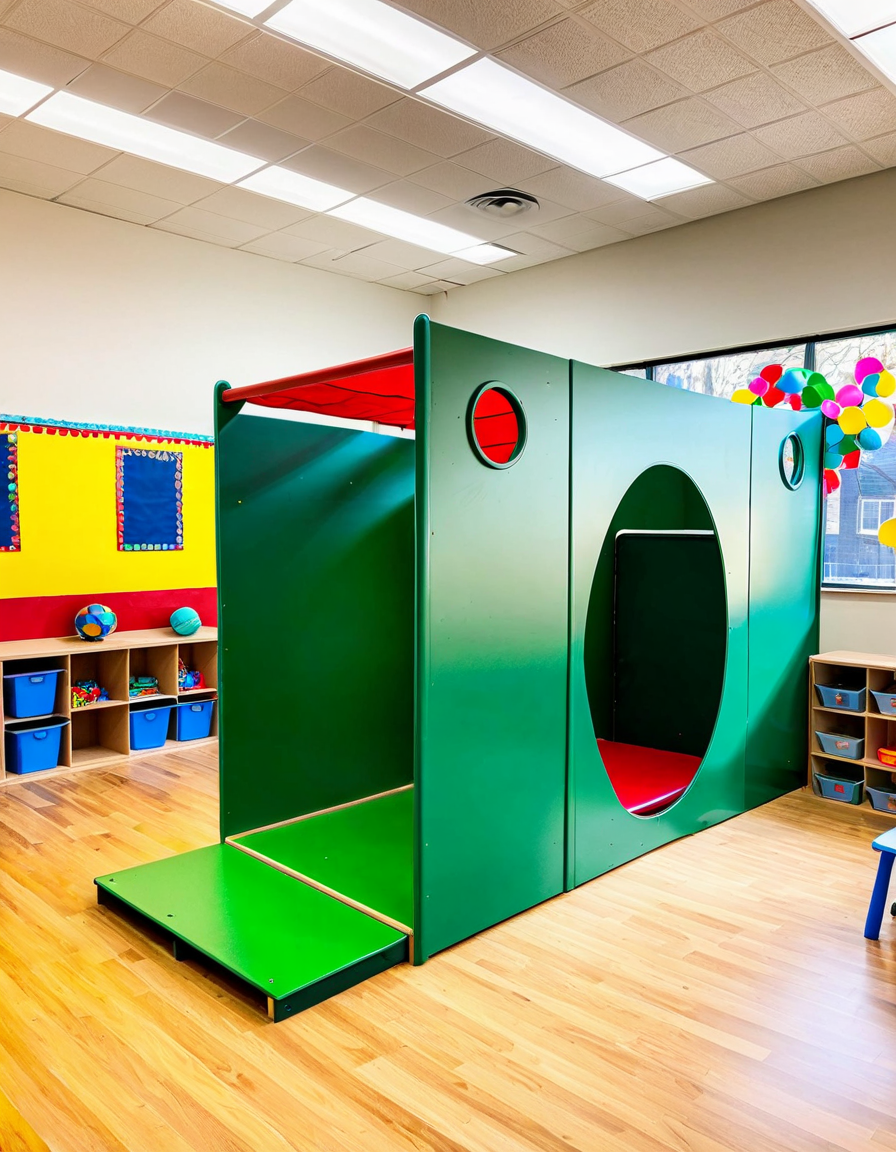
Top 5 Ways Recess Fosters Lifelong Learning
1. Creative Play and Innovation: The Role of LEGO in Recess
Oh, LEGO—what a treasure! This iconic brand has partnered with educational institutions to illustrate how structured play can elevate cognitive skills. Schools embedding LEGO sessions during their recess see fantastic outcomes, like the one in the UK where students improved their collaborative skills and engineering know-how. Instead of heartless rote memorization, this building block phenomenon encourages kiddos to think critically and innovate!
2. Social Skills Development: The Power of Team Sports
Listen closely—if you think about it, team sports like basketball and soccer are the ultimate recess game changers. A study by the Aspen Institute highlights that children who participate regularly in team sports not only develop killer teamwork skills but also learn effective communication. The beauty of this is that those lessons travel with them into adulthood, making them valuable collaborators in their chosen professions.
Oh, and let’s not forget the charming series of moments where kids learn to resolve conflicts, a skill that will serve them well throughout their life—a nod to the ever-evolving charm of childhood.
3. Encouraging Physical Activity: The Impact on Cognitive Function
Physical activity during recess links directly to improved cognitive function. Just think about it: research published in Frontiers in Psychology reveals a clear connection between movement and increased attention. Schools like Whitney M. Young Magnet High School in Chicago showcase this correlation beautifully as their students engage in regular recess activity and witness higher test scores in math and literacy.
It’s as if those joyful bursts of energy translate directly into bursts of mental clarity, sharpening their academic performance.
4. Unstructured Play and Critical Thinking: Nature’s Classroom
Oh, nature! Gazing upon the lush green backdrop does wonders for young minds. Programs like forest schools in Sweden emphasize unstructured outdoor play, revealing how it bolsters critical thinking and fosters resilience. Children in these setups aren’t just building forts; they’re learning adaptability and creativity, tackling real-life challenges in a safe, nurturing environment.
The American Academy of Pediatrics supports these initiatives, advocating for outdoor play as a cornerstone of mental health. Who knew that a simple game of hide-and-seek could facilitate problem-solving prowess?
5. Emotional Regulation: Mindfulness Practices in Recess
What if I told you that mindfulness practices, like yoga and meditation, are taking recess to a whole new level? Schools such as the Mindful Schools program in California have students practicing mindfulness during play, resulting in significantly improved emotional intelligence.
This isn’t just about tranquility; it’s about giving children tools to manage stress and navigate their feelings. Emotional regulation is a priceless asset that fosters personal and academic growth, enhancing their lives way beyond the schoolyard.
Recess Redesign: Creating Environments for Enhanced Learning
Creating innovative recess spaces is crucial for child development. Spaces that stimulate learning are cropping up everywhere, with a training blend of art installations and interactive zones. Take Melbourne, Australia, for instance! Their creative play zones in public parks are a whimsical mélange of adventure and education, teaching children about biodiversity while they explore.
This invigorating shift towards reimagined recess environments demonstrates the awareness of play as a learning tool and nurtures the intellectual and emotional growth of children in style.
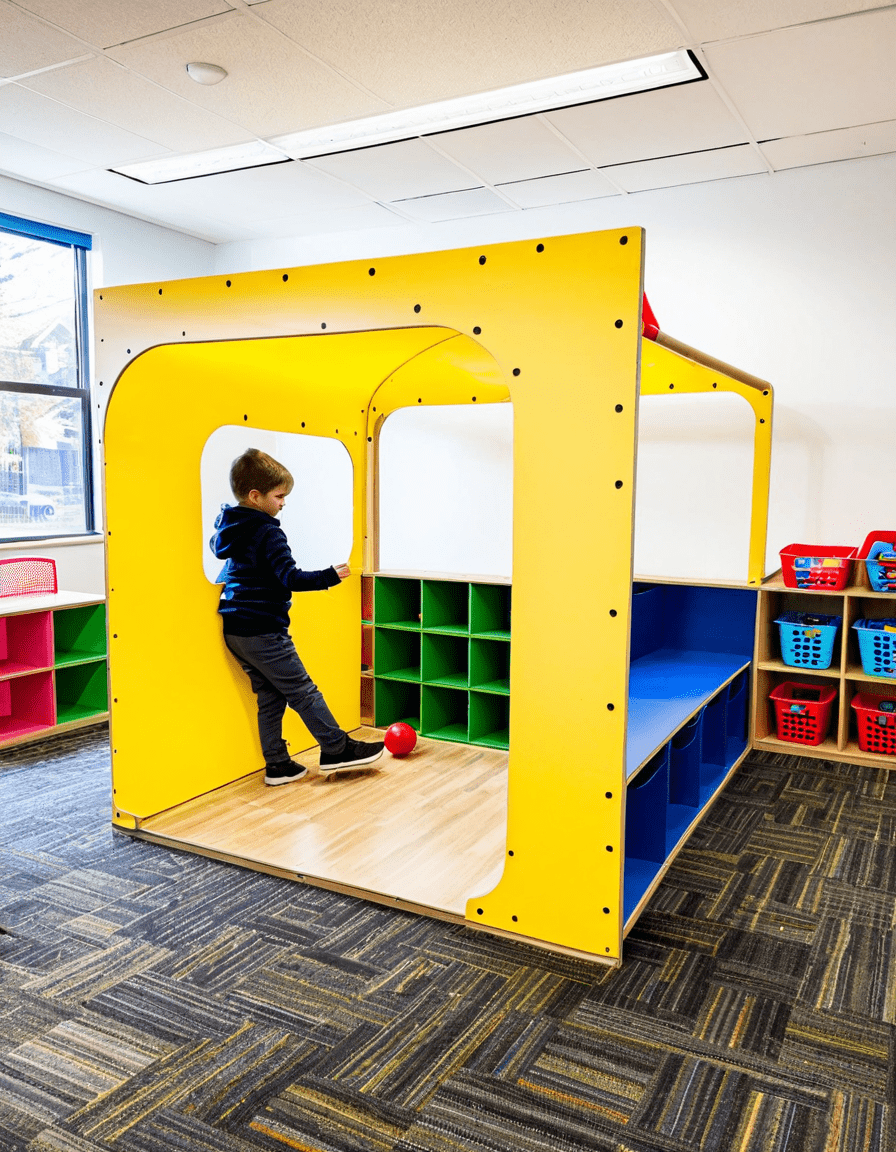
Case Studies: Schools Leading the Way in Recess Innovation
Several schools are trailblazing the way with revolutionary recess models. For example, the International School of Amsterdam has adopted a “movement hour” where students alternate between structured and unstructured play. What’s the outcome, you ask? Enhanced participation and focus during class, making learning enjoyable and productive!
Then we have the Recess Lab in San Francisco, specializing in programs measuring educational outcomes linked to their recess structures. They report a whopping increase in student engagement metrics! Can we shout “fashion for the future” in appreciation of their brilliant approach?
Future of Recess: Policies and Trends for Lifelong Learning
As districts everywhere embrace the importance of strategically structured recess, policies are evolving to support expansive play-based learning. Advocacy groups like the National PTA are making waves, urging schools to allocate adequate time for recess, emphasizing its long-term academic and emotional benefits.
The emerging trend is clear—recess isn’t a break; it’s a fundamental component of education. As educators and policymakers rally together to celebrate this lively element, we’re stepping into a wondrous future for young learners.
Embracing Recess for a Brighter Tomorrow
Recess is undoubtedly the unsung hero of the educational experience! It’s a dynamic segment of the school day, nurturing skills that will serve children throughout their lives. By recognizing the transformative role of recess, educators, parents, and policymakers can elevate the experience into one that fosters holistic growth.
Play isn’t just a delightful diversion; it’s an integral part of education. Together, let’s innovate and enhance play so that the magic of recess remains a timeless building block for future generations. After all, who wouldn’t want the chance to play, learn, and thrive? Now that’s the fabulous world we want to see—for everyone, from the playground hustler to the fashion-forward professional!
Let’s celebrate recess and all its colorful possibilities! 🚀
Recess: The Joy of Learning Through Play
The History of Recess
Did you know that recess has historical roots that stretch back over a century? In 1919, the concept of taking breaks during school hours gained traction, changing how kids interact with their peers. Just like how the number 1919 symbolizes growth and progress, recess offers a similar opportunity for development. It’s not just about running outside; it’s a chance to grow socially and emotionally—in a way that’s as crucial as lessons in math or science.
Recess is also a canvas for creativity. Remember those afternoons spent pretending to be characters from the Berenstain Bears or dreaming up wild scenarios? Kids use play as a tool to make sense of their lives, whether they’re engaging in games like tag or the imaginative escapades featured in shows like Sausage Party 2. Each playful moment is a stepping stone toward personal growth, teaching problem-solving and cooperation skills that stick with us well into adulthood.
Social Skills on the Playground
Navigating friendships at recess is like a mini lesson in itself. Researchers show that children develop crucial social skills during these unstructured times. They strategize and negotiate, much like figuring out How To play checkers during some downtime. There’s something delightful about watching them hash things out, mirror Dr. Disrespect’s dynamic personality in games, or even channeling the playful spirit of the Addams Family values. Conflict resolution happens almost instinctively, setting the stage for lifelong learning.
Anecdotes abound about recess being the perfect primer for networking—skills acquired on the playground are echoed in adulthood. Just think about it: those childhood alliances can translate into workplace camaraderie. Learning to cooperate can speak volumes down the road, paving the way for better teamwork skills. Next time you hear a child laughing on the swings or gathering their friends for a game, remember they might just be preparing for their future, much like past legends, from sports icons to Jermaine Jackson, building their individual paths.
The Physical Benefits of Break Time
You might be surprised to hear that more than just social skills are honed at recess; physical health takes a boost, too! Running around and playing tag builds not just muscle strength but also cardiovascular health. It’s the kind of energetic play that’s reminiscent of the dizzying exploits of Ripley himself—full of surprises and excitement. Playground activities get kids running, jumping, and climbing, all of which improve their motor skills and coordination.
So, as we consider the essence of recess, it’s clear there’s a treasure trove of knowledge and experiences awaiting children beyond textbooks. The benefits echo through time and into their futures, making every moment of play an investment into their lifelong learning journey. After all, who knows what ideas will sprout from that free time, perhaps sparking innovation the same way childhood games inspired generations before?