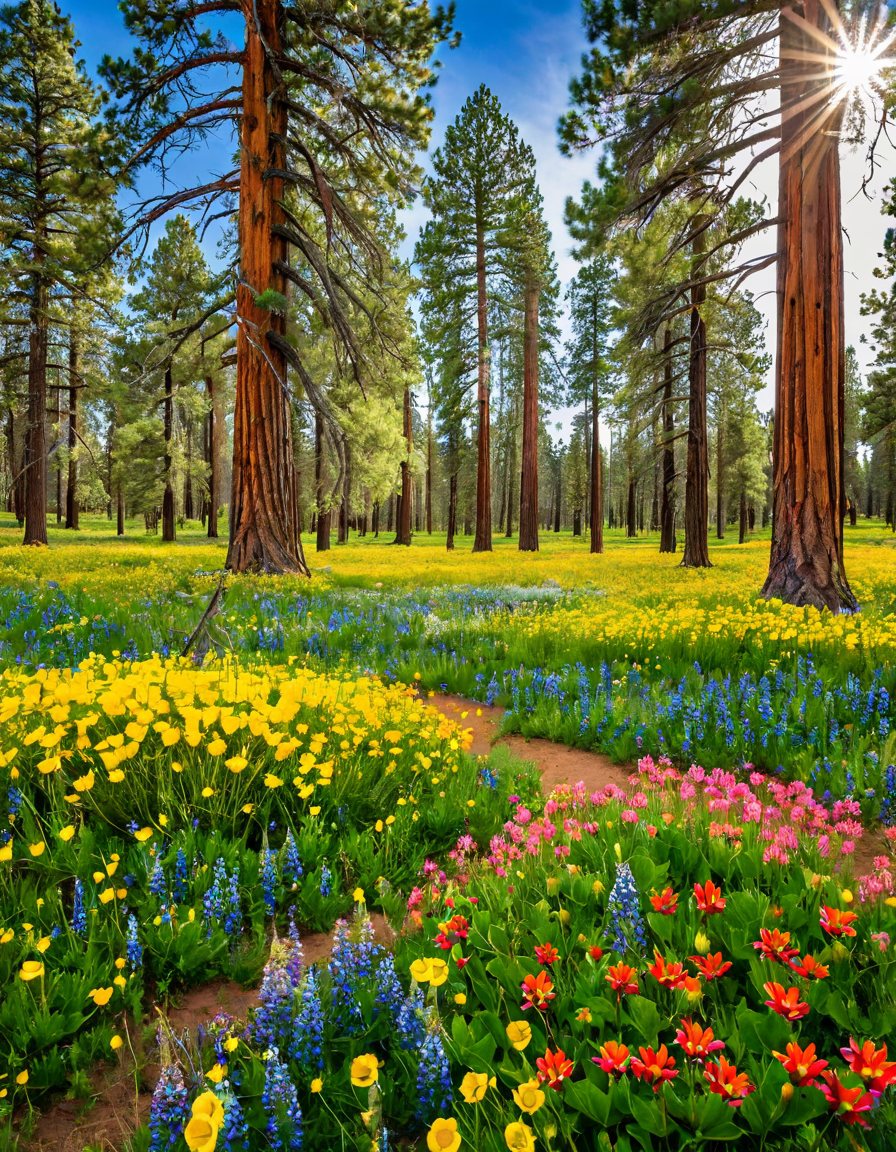
Nestled within the sweeping landscapes of North America, the ponderosa pine (Pinus ponderosa) effortlessly captures the essence of nature’s grandeur. With its towering height, straight trunk, and that enchanting bark—ranging from a warm yellow to reddish-brown—ponderosa pines stand as testaments to timeless elegance. Imagine strolling through a woodsy paradise, where the rich aroma of vanilla wafts through the air thanks to the tree’s distinctive bark. As you look up at the majestic canopy providing a home to countless birds and critters, it’s clear that the ponderosa isn’t just a pretty face; it’s a cornerstone of ecological health.
Now, we can’t talk about ponderosa pines without touching on their significance beyond the visuals. These magnificent trees create havens for all sorts of wildlife—a veritable high-fashion runway for nature’s best. Think of the birds who find shelter among the branches, the insects that dance around, and the mammals that find sustenance in the shade. Truly, ponderosa pines are gloriously multifunctional, reminding us that beauty and purpose can, indeed, go hand in hand.
The Splendor of Ponderosa Pines: A Closer Look at Their Beauty
Step aside, fleeting trends; the beauty of the ponderosa pine is timeless. Standing tall, with some specimens reaching impressive heights of 200 feet and boasting lifespans that can shuffle up to 300 years, ponderosa pines are nature’s majestic statement pieces. And who can forget that scrumptious vanilla scent? It’s nature’s own perfume, and nothing quite feels like wandering through a ponderosa-dominated forest.
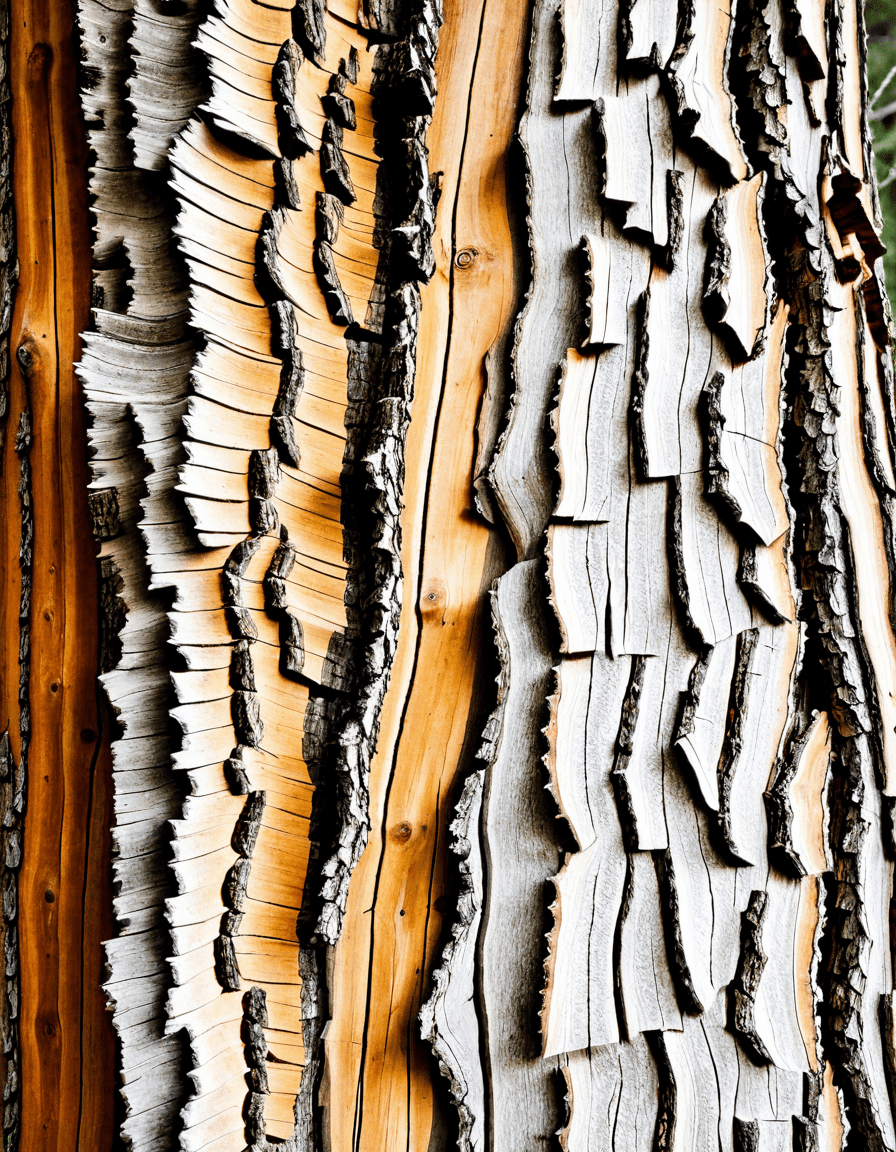
The bark of the ponderosa pine is a stunning mosaic of colors and textures. With its large, plate-like scales, it captivates the eye while offering a tactile experience that begs you to run your fingers across its rugged surface. It’s not just a visual delight; it’s a conversation starter at any dinner party. Just imagine the intrigue one could stir while mentioning the science behind ponderosa bark and its role in attracting wildlife.
Moreover, let us not overlook the ecological theater that unfolds beneath the canopy of the ponderosa! The tree stands as a critical companion to various ecosystems, elevating them through the biodiversity it fosters. When you think of the number of bird species—up to 166, according to the journal Forest Ecology and Management—nesting and frolicking within these enchanting woods, it’s hard not to appreciate the ponderosa pine’s role as a guardian of nature’s sanctity.
Top 5 Values of Ponderosa Pines in Today’s World
Now, let’s dive into the undeniable value of ponderosa pines and why they deserve a front-row seat in our conversations about environmentalism, conservation, and economic growth.
The Future of Ponderosa Pine Forests: Mitigating Threats
But like any star in the spotlight, our beloved ponderosa pines face their share of challenges. Climate change, invasive species, and unwise forest management practices threaten these tree-majestic wonders. Raise an eyebrow at rising temperatures and drought stress, which can invite unwelcome guests like bark beetles that have wreaked havoc in ponderosa stands.
Efforts toward effective forest management are gaining traction—think controlled burns and selective logging, a chic approach safeguarding the future of these tree titans. The U.S. Forest Service is making significant strides implementing restoration programs aimed at revitalizing ponderosa habitats, ensuring the longevity of these groves for future generations to gaze upon.
Creative Applications of Ponderosa Pines in Modern Society
From ancient traditions to modern-day ingenuity, the potential of ponderosa pines manifests in an array of creative avenues. Architects and designers are taking note—ponderosa is being celebrated, integrated beautifully into contemporary construction projects for its stunning aesthetic and solid properties. Brands like Patagonia and Timberland have embraced sustainable fibers sourced from ponderosa, forging eco-friendly product lines that resonate with today’s discerning eco-conscious consumers.
In landscaping, lazily hanging flowers entwined with the rustic charm of ponderosa prisms are transforming spaces into artistic statements. The grains and color variations found in this wood create splendid furniture pieces and captivating décor that embrace the modern rustic vibe. Ah, now doesn’t that add a splash of sophistication to the conversation?
Reflecting on the Resilience and Adaptability of Ponderosa Pines
So, where do we go from here? As the landscape evolves, ponderosa pines lead the charge, encapsulating resilience. They remind us that adaptability is vital—that nature and society can blend harmoniously. We find comfort in knowing that we can preserve the majestic beauty and inherent value of ponderosa pines through consistent commitment.
Our stewardship isn’t merely an environmental obligation; it’s a cultural responsibility. Safeguarding ponderosa pines ensures that future generations can revel in the splendor that enriches not only our personal digressions but also the wider ecosystem we all inhabit. Let’s embrace this wonder and advocate for the longevity of these majestic trees—an absolute must in a world full of fast-paced changes.
Ponderosa: Marvelous Trees with Hidden Wonders
Nature’s Giant
The ponderosa pine is a giant of the forest, often reaching heights of up to 180 feet! That’s like standing next to a sky-high version of Clifford the Big Red Dog, if he had a thing for nature. Its bark, a rich yellow-brown, gives this majestic tree a distinctive look, almost like it’s wearing a warm winter coat. Interestingly, the ponderosa grows in groups called “ponderosa groves,” where they often share space with other trees, providing not just shade but a unique ecosystem for wildlife. Imagine these trees throwing a party, where creatures big and small come together, just like on Whose Line Is It Anyway—full of laughs and surprises!
Adaptability of the Ponderosa
One of the coolest things about the ponderosa is its resilience. These trees are often found in environments prone to drought, thanks to their extensive root system. It’s not too dissimilar to the way some characters in Lupin approach tricky situations with grit and resourcefulness. With their needles, these pines can survive with less water, allowing them to thrive where many other trees might struggle. In fact, their adaptability prompts conversations around how they fit into climate discussions like neutralization, echoing themes of survival in a changing world.
Cultural Significance
Ponderosas aren’t just vital for ecosystems; they’ve found their way into the cultural landscape as well. Did you know that their wood is highly valued in the construction industry? It’s used for everything from furniture to framing, proving that these trees are hard workers in their own right, akin to artists like Bobby Darin, who poured their heart into their crafts. Plus, the resin from ponderosa pines has historical significance, with Indigenous peoples using it for medicinal purposes too, showcasing their long-standing value in nature’s bounty.
Whether you’re strolling through a ponderosa grove or contemplating the artistry of nature, these trees provide a beautiful backdrop that enriches experiences, much like the newest episodes of Invincible Season 2 that keep fans on the edge of their seats! Embrace the ponderosa and marvel at its many layers, just as we’d do when exploring the nuances of relationships in today’s world—be it the musings on life from Presley Gerber or the lyrical expressions that transcend generations.