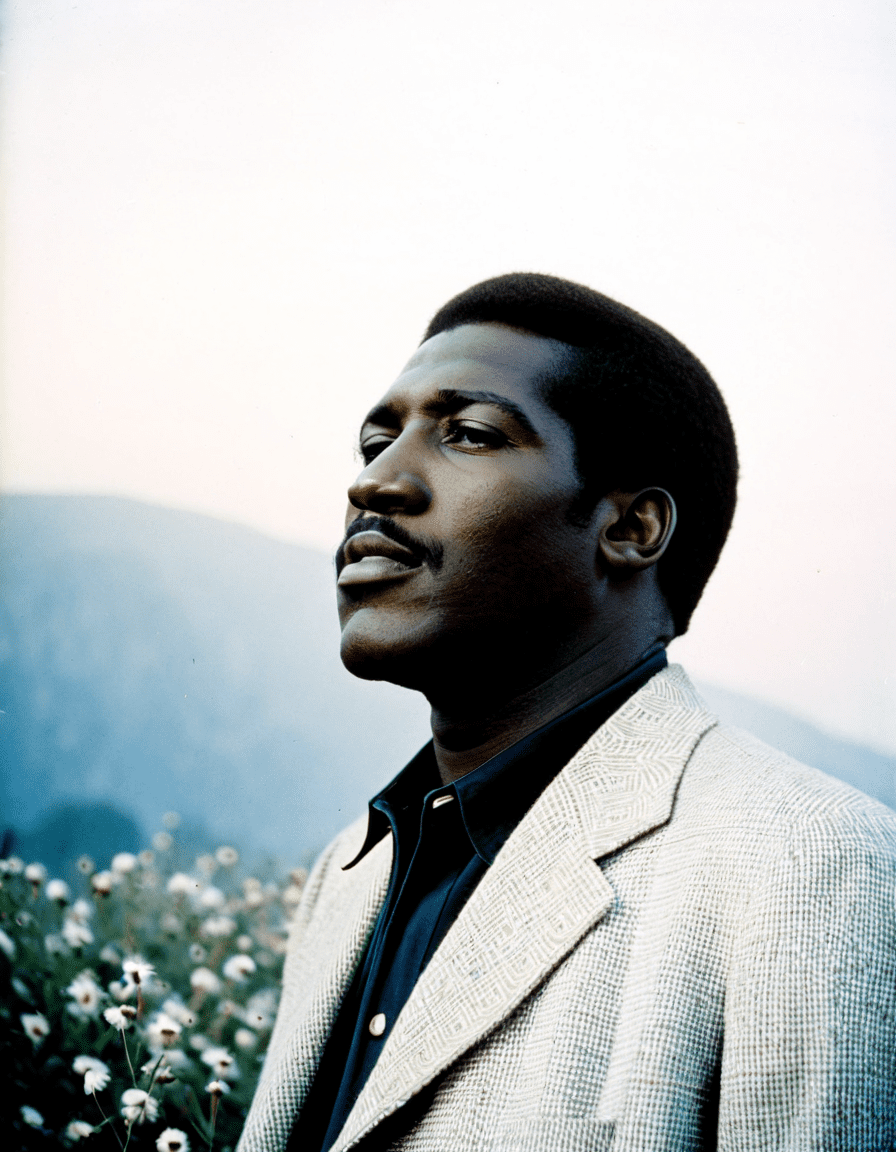
Otis Redding—a name that vibrates with the power of soul and emotion. His contribution to music is staggering, an intoxicating blend of passion and vulnerability that echoes in the works of artists like Elton John and Freddie Mercury. Redding’s signature sound and heartfelt songwriting redefined how we connect through music, crafting a legacy that beckons each generation to listen, understand, and feel. With each note he belted out, he laid down a path that many have walked since, touching the hearts of millions and etching his name into music history forever. Today, let’s explore how Otis Redding’s artistry influenced icons across genres, shaping their careers and, in many ways, the very fabric of modern music.
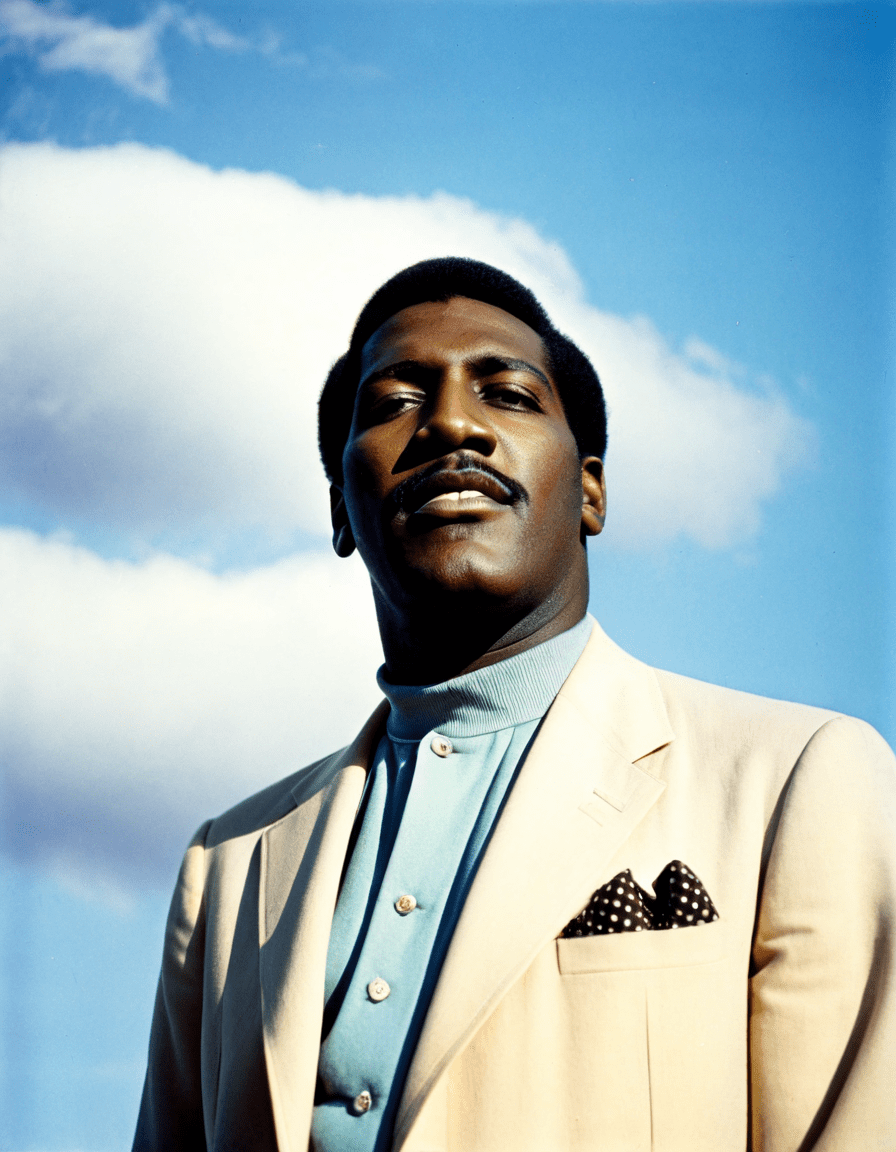
7 Ways Otis Redding Influenced Icons Like Elton John and Freddie Mercury
Redding’s impact on music is multifaceted. Artists across various genres have credited him with setting standards that transcend the boundaries of music. Here are seven crucial ways that Otis Redding became an indelible force in the careers of musical heavyweights.
With his gritty, emotional delivery, Redding brought an unparalleled intensity to soul music. This fierce expression of feeling set a standard that singers like Elton John adopted, infusing their ballads with drama and heart. Take Redding’s “Try a Little Tenderness,” for example, capturing the essence of vulnerability and encouraging artists to delve deeper into their emotional depths. Just as Redding could articulate longing and pain with striking clarity, John found his own voice in that space, giving us timeless classics like “Your Song.”
Otis Redding wasn’t afraid to mix it up. He seamlessly wove together gospel, blues, and rock, a feat that inspired artists like Carlos Santana to enrich their sounds. His iconic track “Sittin’ on the Dock of the Bay” not only showcased this synergy but also painted a vivid picture of life’s simpler moments. This genre-defying approach laid the foundation for the eclectic styles that define today’s music and guided Santana in blending rock with Latin rhythms, marking him as a pioneer in his own right.
Redding electrified the stage, commanding attention with his swagger and dynamic moves. His live performances became a template of connection and charisma, which Freddie Mercury would later evolve into theatrical spectacles. When you look at Redding’s fluidity on stage, it’s no wonder that Mercury, with his flamboyant presence, was also able to connect deeply with his audiences. They both understood the power of a performance—drawing listeners into a whirlwind of emotion and resonance.
Otis Redding was a true master of songwriting. His ability to co-write and craft compelling narratives, especially in songs like “Respect” (which was later immortalized by Aretha Franklin), demonstrated his talent for collaboration. Lionel Richie, known for his prolific songwriting himself, often credits Redding’s knack for creating relatable narratives as a major influence. Richie’s own ballads, rich with storytelling, build on a legacy laid down by Redding—a connection that shows just how pivotal his songwriting was to contemporary hits.
The crossover appeal of Redding’s music during the tumultuous 1960s played a monumental role in breaking down the racial barriers that divided popular music. This change helped pave the way for artists like Ringo Starr, who was not afraid to incorporate various influences, including the soul Redding so expertly delivered. The Beatles themselves, inspired by Redding’s sound, began integrating diverse styles, reflecting Redding’s lasting impact on the musical landscape.
Redding’s gritty growl and signature vibrato were groundbreaking. His distinctive sound became aspirational, prompting rock artists, including Ringo Starr, to explore emotive styles that championed personal expression. Through Otis Redding, vocalists learned that a strong, emotional delivery could elevate a performance beyond the ordinary. This artistic freedom has had far-reaching implications for singers ever since.
Redding’s spirit of collaboration across genres created an environment ripe for musical innovation. His partnerships have inspired modern artists, including Lionel Richie and Carlos Santana, who champion experimentation. Just as Redding was willing to combine sounds and ideas, many contemporary musicians have embraced this along their creative paths. This willingness to explore uncharted territories has become a hallmark of today’s music.
The Enduring Impact of Otis Redding’s Music
The legacy of Otis Redding is rich and multifaceted—a magnificent tapestry woven from emotional depth, genre-bending styles, unforgettable performances, and a songwriting craft that continues to influence musicians. His contributions didn’t just resonate with artists of his time but also set a cornerstone for those who followed. In a world where music acts as both an escape and a mirror to society, Redding’s sound remains relevant, inspiring a new generation to challenge themselves creatively.
As we look to honor Redding’s legacy, let’s remember that he was a trailblazer whose soul-stirring sound reverberates through the very core of music history. He wasn’t merely a singer; he was a revolution embraced by artistry. His spirit continues to beckon us, urging artists to push boundaries and explore deeper emotions through music. Otis Redding forever changed the essence of how we view music, transforming it into a universal language that binds us all.
Otis Redding: A Soul Legend Who Changed Music Forever
The Legacy of Otis Redding
Otis Redding isn’t just a name in music; he’s a phenomenon that changed the very fabric of soul. Born in 1941 in Dawson, Georgia, his raspy voice and passionate delivery turned him into a cornerstone of the genre. Interestingly, Redding’s breakout moment came with “Sittin’ On The Dock of the Bay,” which was released just days after his tragic death in 1967. Believe it or not, the song became a worldwide hit posthumously, cementing his influence. The depth of his emotional expression is something you might find remarkable, much like how audiences remember legendary acts at the upcoming Emmys 2025.
Fun Facts about Otis Redding
Did you know Redding initially earned his stripes by singing back-up for other artists? He worked with various groups before his own solo career took off. His ability to captivate listeners is akin to the sudden rise of stars like Stephanie Ready in the sports broadcast scene, both demonstrating that raw talent can shine through hard work. But it wasn’t just luck—Redding’s songwriting prowess along with his live performances had fans dazzled, just like audiences thrilled by the action in Highschool Dxd.
Otis Redding’s Influence on Music
Redding didn’t just affect soul music; his impact echoed through rock, R&B, and even hip hop. Artists such as Eric Clapton and even contemporary names have cited him as a major inspiration. It’s fascinating how music connects people, much like how residents of places like Appletreewick cherish their community and local stories. Moreover, Redding’s struggle against discrimination and his passionate voice in promoting social justice have become significant parts of his story, reflective of the determination seen in figures like Lou Gehrig and his fight against ALS.
Otis Redding’s music stands the test of time, resonating with audiences even today. For anyone curious about musical history, learning about Redding opens a door to understanding the evolution of genres and social change. Just like how phobias can sometimes connect back to deeper issues, the essence of Redding’s work connects emotions to cultural dialogues. His unforgettable style is one we appreciate, making every note feel alive, much like cinematic legends we adore, such as the cast of “The Mummy” (1999).