
Exploring the Essence of “Once Upon a Time in America”
The phrase “Once Upon a Time in America” captures a magical charm that resonates deeply within our American psyche. It’s more than just a storytelling hook; it’s a tribute to the nation’s intricate history showcased through film and literature. This phrase invites us on an imaginative journey, stirring nostalgia while challenging us to confront the realities that shaped our society. When we unpack the layers of this phrase, we discover how it accurately reflects the highs and lows of America, shaping cultural conversations and artistic expressions along the way.
Let’s think about how storytelling—especially in cinema—can illuminate our understanding of identity, morality, and progress. The movies that anchor our national narrative often tackle significant themes rooted in the American Dream, from prosperity to profound loss. Each story offers a lens through which we can view our collective journey, echoing the sentiments that define what it means to be part of this spirited nation from coast to coast.
So, as we dive deeper into this cultural exploration, we’ll see just how the magic of “Once Upon a Time” extends beyond fairy tales and into the powerful narratives we’ve come to cherish, challenging us to consider our past while stepping boldly into our future.
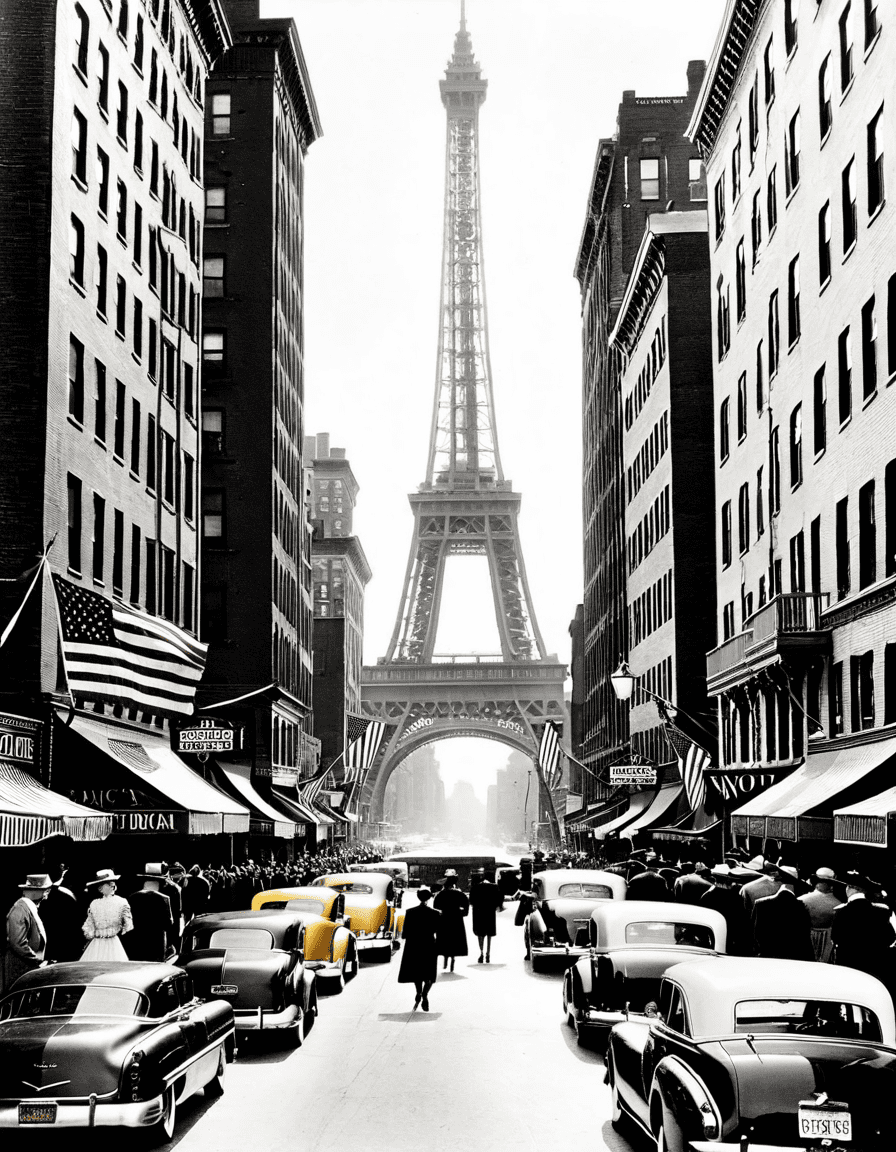
Top 7 Timeless Films Reflecting America’s Legacy
In the rich tapestry of American cinema, some films shine a bit brighter as they encapsulate the essence of “Once Upon a Time in America.” Here, we’ll take a look at seven cinematic gems that reflect essential themes within our nation’s cultural legacy. Hold on tight, as we explore narratives that challenge, inspire, and provoke thought.
1. Once Upon a Time in America (1984)
Sergio Leone’s epic film spins a tale that lays bare the American Dream’s dark underbelly through the lives of Jewish gangsters in New York City. It’s a stunning exploration of friendship and betrayal laced with nostalgia. The sprawling narrative reminds us that while ambition can drive us to greatness, it can also lead to an inevitable fall—an essential lesson for anyone chasing their dreams.
2. Once Upon a Time in Hollywood (2019)
Quentin Tarantino’s love letter to the 1960s Hollywood is a radiant mix of nostalgia and idealism. This film is a delightful exploration of celebrity culture, offering a microcosm of American society and its cinematic evolution. Tarantino taps into the idyllic nature of classic films while simultaneously pulling back the curtain on the transformations that Hollywood faced during an era of social change.
3. The Godfather (1972)
Francis Ford Coppola’s magnum opus brilliantly navigates the intricacies of power, family, and loyalty through the lens of the Mafia. The film presents the immigrant experience while beautifully intertwining themes of moral ambiguity and the dark allure of power. The lasting impact of this film is undeniable, providing audiences with an unvarnished look at the American Dream gone awry.
4. Forrest Gump (1994)
Through the eyes of an earnest yet seemingly naïve protagonist, Forrest Gump tells a sweeping tale of America’s historical milestones. The film gently guides us through the tumultuous 20th century, encompassing issues from civil rights to Vietnam. It beautifully illustrates the paradoxes of American life, capturing a nation in flux as one man’s journey reflects a broader collective experience.
5. Goodfellas (1990)
Martin Scorsese delivers a riveting narrative filled with rich characterizations and authentic dialogue. This film captures the intoxicating allure of mob life while exposing its dangers. It’s an unflinching portrayal of ambition and the pursuit of power, serving as both an ode to and cautionary tale about the allure inherent in the American fabric.
6. The Shawshank Redemption (1994)
A tale of hope and human resilience, this film portrays an extraordinary story set in the confines of a bleak prison. It unfolds the idea that redemption is always within reach, echoing the very essence of the American narrative. It reminds us that despite life’s challenges, the human spirit can triumph against all odds.
7. 12 Years a Slave (2013)
This poignant historical drama challenges viewers to engage with America’s painful past and confront its legacy of slavery. Following Solomon Northup’s true story, it highlights the brutal reality faced by those oppressed by a horrific system. This film serves to educate, provoke discussion, and inspire a shared commitment to justice in the face of adversity.
The Cast of “Once Upon a Time”: Echoes of Reality in Fiction
In each of these dazzling films, the cast breathes life into narratives that reflect our society’s cultural heartbeat. It’s not just about the script; it’s about how skilled performers embody the complexities of human nature, allowing us to see ourselves and our world through their eyes.
Analysis of Key Performances

The Power of Narrative: How “Once Upon a Time” Shapes Perception
The elegance of storytelling, especially when framed within the “once upon a time” paradigm, is immensely powerful. These narratives serve not only as forms of entertainment but also as vital conversations about identity, ethics, and our shared history.
The Influence of Storytelling in Shaping Identity
Through the lens of cinema, we glean insights about societal values and evolution. The films we adore reflect the complexities of justice, freedom, and human rights, allowing audiences to forge connections with broader themes and personal experiences. These stories resonate, challenge us, and often become beloved treasures, echoing insights and lessons that remain timeless.
Each film carries the weight of its cultural moment, reflecting not just an image of society but serving as a blueprint for future generations. They entertain us, yes, but they also drive home critical truths. This duality is where the richness of storytelling lies, providing both joy and profound understanding.
Reflecting on America’s Timeless Legacy
As we traverse the cinematic landscapes crafted within “Once Upon a Time in America,” we unveil shared experiences woven into a narrative tapestry that transcends generations. From Leone’s gritty landscapes of crime to Tarantino’s flashy depiction of an evolving Hollywood, each story reveals important truths embedded in the American identity.
In essence, “Once Upon a Time in America” is an invitation—a prompt to delve into our shared human story, urging us to reflect on the narratives that resonate within us. With each tale we explore, we shed light on our past while embracing the future. As we continue this dialogue, let’s remember that these stories aren’t just about the past; they’re about how we collectively forge our legacy moving forward.
Each one of us is part of this ongoing narrative—engaging with our history allows for a deeper understanding of what it means to be American today, tomorrow, and far beyond, marking our stories in the fabric of time.
Once Upon a Time in America: Fun Trivia and Interesting Facts
The Roots of America’s Storytelling
Did you know that the phrase “Once Upon a Time” is more than just a catchy start to a fairytale? It’s a storytelling tradition that stretches back centuries, weaving its way into cultures worldwide, including America. This enchanting phrase encapsulates the essence of dreams and adventure found in bedtime Stories, sparking imagination and wonder in both young and old alike. It’s like the signature of storytelling, just waiting to hook the listener in. Speaking of engaging tales, Hayao Miyazaki, one of the most celebrated animators, draws inspiration from similar themes, creating magical worlds that resonate deeply with audiences around the globe.
American Icons and Cinematic Legends
Now, if we switch gears to cinema, “Once Upon a Time in America” isn’t just an expression; it’s the title of a classic film. Directed by Sergio Leone, it delves into the lives of Jewish gangsters in New York from the early 1900s, making a lasting impact with its rich narrative and stunning visuals. Remember that iconic scene with the haunting score? It easily rivals legendary films like The Good, The Bad and The Ugly, showcasing Leone’s unparalleled ability to tell gripping stories through film. Interestingly, Tom Goodman hill once described how the cinematography in such films sets the stage for the audience’s emotional journey.
Culture Beyond the Screen
America’s storytelling doesn’t just stop at movies; it spills into various aspects of pop culture. For instance, characters in shows like Superstore often represent slices of American life, reflecting both humor and poignant moments in everyday scenarios. And who could forget the whimsical world of Pokémon? Shroomish, a popular character, represents the crossover appeal and expansive universe of storytelling that captivates a myriad of fans. Meanwhile, with resources like the Accelerated Reader book finder, young readers can dive into countless adventures, opening their minds to new narratives, and just like many stories, they often invoke powerful themes of friendship and resilience.
In the end, “Once Upon a Time in America” represents not just a literary function, but a tapestry of experiences that bind generations together. So the next time you delve into a story, remember that each one is a thread in the rich fabric of American culture. Who knows what new adventures await when you explore the tales that shape our lives?