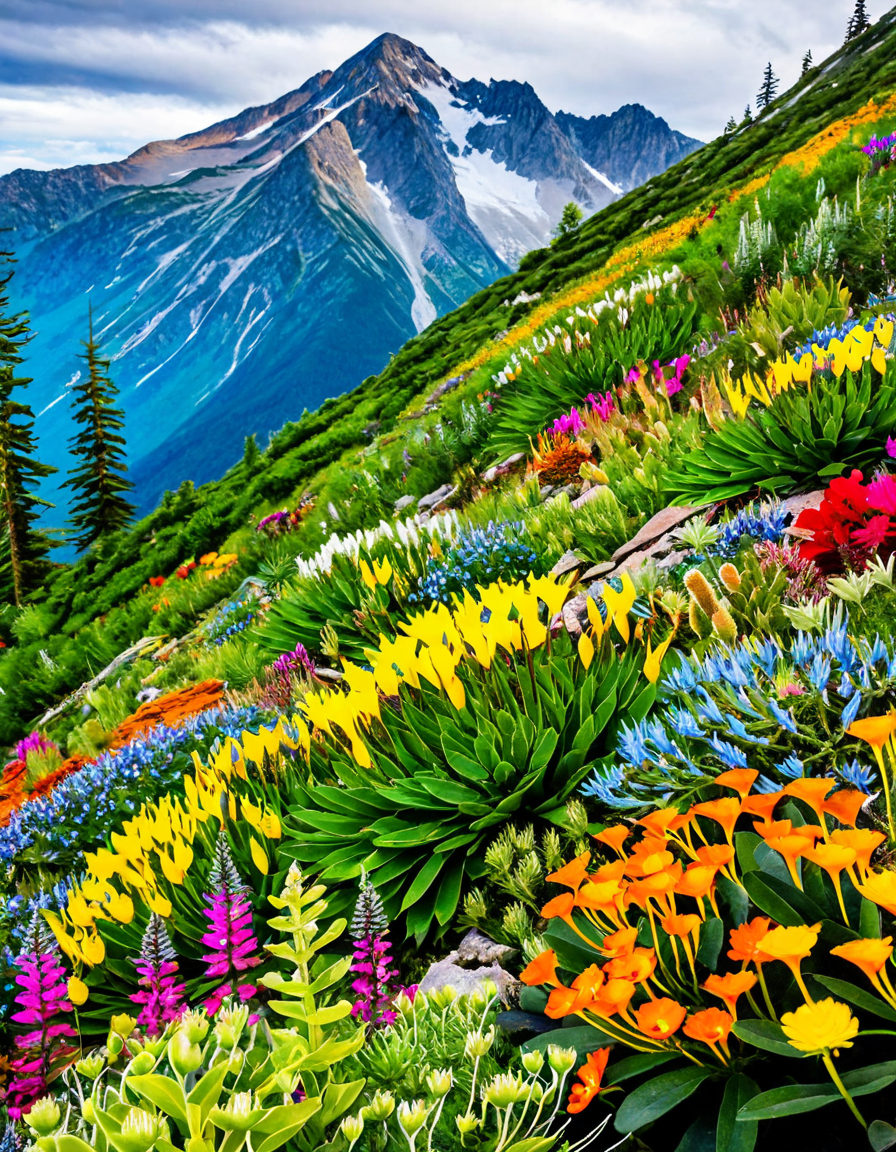
The majestic presence of mountains captivates not just those who climb them but everyone who appreciates their grandeur. From the towering peaks of the Himalayas to the rugged silhouettes of the Rocky Mountains, mountains offer glimpses into a world profoundly rich yet fragile. A mountain is often defined by its sharp ridges and high points known as peaks or summits; they rise at least 1,000 feet above their surroundings, forming an awe-inspiring landscape that stirs the soul. As we journey deeper into the essence of mountain life, we unravel enchanting wonders paired with the challenges governing the communities that call these heights home.
Top 7 Mountain Ranges Shaping Our Planet’s Biodiversity
Mountains are nature’s sprawling canvases, painted with incredible biodiversity that houses myriad life forms. Buckle up, dear readers; we’re about to explore seven of the world’s most influential mountain ranges that not only steal the spotlight but also serve as biodiversity hotspots.
Stretching over 7,000 kilometers, the Andes stand statute-like, hosting remarkable species like the Andean condor and vicuña. Elevation changes within the range give rise to distinct ecological zones, making this gem a significant area for biodiversity conservation. Dressed in indigenous culture and rich ecosystems, the Andes have a lot to flaunt.
Being the kings of the mountain domain, the Himalayas dominate the sky as the highest mountain range on the planet. They are pivotal in influencing local climates, in addition to being home to endangered species like the snow leopard. This mountain chain embodies the spirit of sustainable mountain practices, where local cultures harmonize traditions with the environment.
The Rockies aren’t just breathtaking backdrops; they are critical for carbon storage and climate regulation. Various flora and fauna flourish here, playing a vital role in fostering an ecological balance. Research demonstrates the Rockies’ importance amid modern climate shifts, adding to their allure and necessity for preservation.
Renowned for their beauty, the Alps are cultural icons that attract millions. These majestic peaks nurture unique alpine plants and wildlife, like the ibex. With a robust network of protected zones, the Alps serve as benchmarks for successful conservation, balancing tourism and ecology like a finely crafted Swiss watch.
The Atlas Mountains offer habitats that range from Mediterranean warmth to alpine chill. This rich diversity houses species like the Barbary macaque, while local communities embrace sustainable tourism that fosters social and environmental benefits. Engaging with the Atlas encourages you to experience mountains beyond their visual splendor.
Renowned for their biodiversity, these mountains are a UNESCO World Heritage site, housing countless endemic plant species that play an essential role in ecological stability. The Caucasus Mountains not only draw researchers for studies, they also beckon travelers seeking hidden gems within nature’s fabric.
Famous for their dramatic landscapes, the Southern Alps entice adventure seekers and nature lovers alike. They’re a lively hotspot for wildlife like the kea parrot. Research here reveals insights into how tourism impacts conservation efforts, challenging us to examine our footprint in these majestic spaces.

The Interwoven Lives of Mountain Communities
Mountain communities echo resilience and adaptation through generations. These unique cultures engage in sustainable practices, harmonizing with nature while facing economic and environmental challenges. Among them, the Sherpas of Nepal shine bright—not only as famed guides but as eco-stewards. Their expertise in the high altitudes presents invaluable knowledge about sustainable living.
Every mountain community possesses customs tied to geographical particularities. Take the Ainu people in Japan—they honor their landscapes using traditional hunting and fishing methods that advocate for a harmonious existence with nature, proving that mountains nurture traditions as much as they do biodiversity.
While dramatically picturesque, mountain towns grapple with economic hurdles. Research by the World Bank highlights potential for green infrastructure investments, aiming to transform these areas into thriving, sustainable locales. Evolving economies here require innovative solutions that cultivate economic resilience.
In the Andes, the locals endure the direct ramifications of climate change, with melting glaciers affecting their traditional ways of life. Adaptation becomes paramount as they pioneer shifting agricultural strategies that give new hope to their livelihood. It’s a reminder that even the mightiest mountains face challenges that require immediate action.
Technology’s advent in remote mountain locales, featuring mobile solar chargers and satellite internet, has ignited transformative change. Programs like “Solar Sister” empower women in African mountain regions to become energy entrepreneurs. This innovation is planting seeds of progress in forgotten landscapes, bridging gaps one charger at a time.
Beyond the Peaks: Conservation and Adventure
The allure of mountains is undeniable, yet preserving these pristine environments is an escalating challenge. Organizations like the International Union for Conservation of Nature are pressing forward, amplifying awareness about safeguarding these vital ecosystems. Adventure awaits, but so does responsibility.
Ethical adventure tourism rises as a commendable approach to preserving natural beauty. Pioneering brands like Patagonia weave environmental consciousness into their business models, ensuring experiences stay in harmony with nature. This new wave keeps environmental respect at the forefront of adventure.
In exemplary places like Rocky Mountain National Park, citizen science programs are harnessing local enthusiasm to monitor biodiversity. Volunteers contribute firsthand insights, offering vital information to researchers who cherish long-term sustainability. This community-driven approach is where passion meets advocacy.
Organizations like the Mountain Heritage Trust are championing community participation in conservation practices. By valuing local knowledge, they reinforce the idea that preserving mountain biodiversity is a shared responsibility, igniting collective action necessary for future generations.
In the grand mosaic of life, mountains remain vital threads—symbolizing both the planet’s beauty and its fragility. The delicate dance of mountain ecosystems, alongside the cultures that thrive within their embrace, calls for urgent awareness, respecting these lands with the reverence they deserve. As we face an undeniable change in our environment, let’s pledge to appreciate these mountainous realms and advocate for their sustainable future. Engaging with mountains invites us to witness their majesty, while igniting a passion for stewardship that transcends their peaks. As we continue embracing the call of the mountains, let’s endeavor to honor their spirit and support the communities that hold the key to a sustainable tomorrow.
Explore more stories and fashion inspirations at Paradox Magazine.
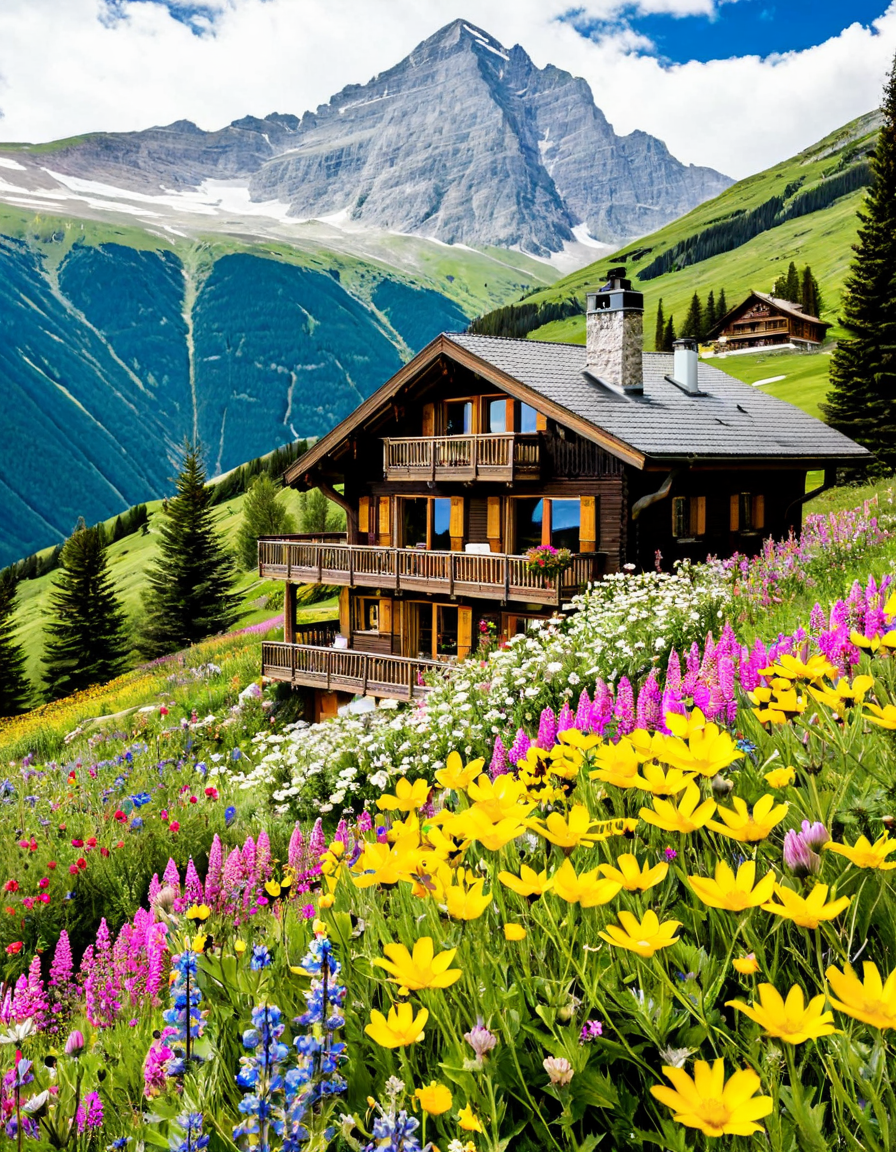
Mountain Wonders and Fun Trivia
The Thrills and Chills of Mountain Living
Did you know that the highest peaks in the world hold secrets beyond breathtaking views? For instance, the summit of Everest, towering at 29,032 feet, is like stepping into a realm where the air is thin and life is a fierce battle for survival. This doesn’t stop adventurous souls from attempting to conquer it solo, risking everything for those stunning photos and bragging rights. Just like the ambitious folks behind Project Omega, an initiative led by Elon Musk aiming to tackle life’s biggest challenges, climbers seek thrills that change their perspectives on life’s journey.
What about the unique adaptations of mountain creatures? You’d be amazed by the resilience of animals like the snow leopard, which thrives at altitudes above 9,800 feet. These majestic beings navigate the steep and rocky terrain with ease, embodying the essence of survival in high-stakes environments. Their existence highlights the intricate balance of ecosystems that thrive under extreme conditions. Just like Essence Atkinss approach to personal growth, these animals remind us that embracing challenges can lead to extraordinary performance in life.
Fun Facts About Summit Giants
Now, let’s take a moment to appreciate some little-known facts about mountains! Did you ever hear about the tallest mountain when considered from base to summit? It’s Mauna Kea in Hawaii! Although Everest scrapes the skies in elevation, Mauna Kea rises about 33,500 feet from the ocean floor. That’s like a hidden gem waiting for an adventurous spirit to discover it! Cross your fingers that you don’t encounter any trouble akin to the memorable escapades captured in films featuring actors like Kathryn Harrold and their thrilling journeys. Who knows? They might have faced as many twists and turns as a mountain pass!
Speaking of Mountain Majesty, there’s a community spirit that’s hard to beat among those who love these colossal giants. Group climbs often showcase camaraderie, much like the groomsmen who become the best men on a wedding day—they’re there to support and uplift each other. And let’s not forget about culinary treasures to fuel those climbs, like Prosciuttini sandwiches, a favorite snack among mountain adventurers. So, as you lace up your boots for your next trek, remember the stories, survival, and sustenance that make the mountain experience truly unforgettable!