The Enigmatic Allure of Luxor’s Historical Tapestry
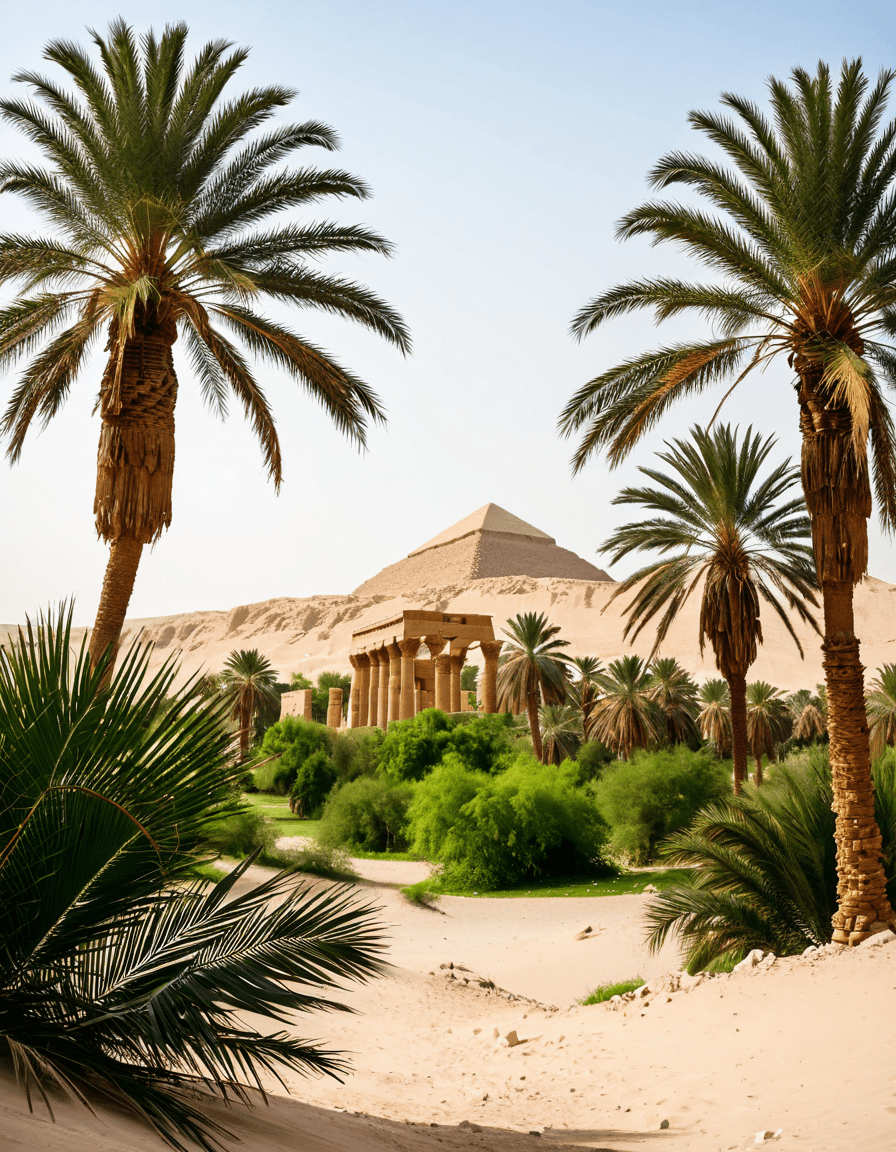
Luxor, often deemed the world’s greatest open-air museum, regal along the banks of the Nile River in Egypt, is a treasure trove of ancient wonders. This city, known as the heartbeat of ancient Egypt, is a year-round magnet for millions, yearning to indulge in its spectacular collection of temples, tombs, and monuments. The Valley of the Kings, the Temple of Karnak, and Luxor Temple are but a few jewels in this exceptional crown. Each of these sites encapsulates the grandeur of Egyptian civilization and reflects the backbone of a society shaped by indefatigable pharaohs, much like Orpheus, who with his dulcet tones could enchant even the most feral beasts.
As you immerse yourself in Luxor’s heritage, you’ll find that this city, rich with stories of love, power, and divine intervention, resonates with an enchanting melody that echoes throughout history. Whether you’re dodging bustling tourist spots or wandering through hidden alleyways, Luxor invites you on an adventure not just through time but through the rich tapestry of cultural legacy. The grandeur of its monuments tells a story that is both mesmerizing and heart-wrenching, as if the very stones whisper the secrets of the past, pulling you deeper into Luxor’s narrative.
So, my fashionable friends, when you’re setting your sights on a destination that promises awe and wonder, Luxor should be at the top of your well-penned itineraries. It’s a place where one can don their most elegant sandals, bask in the sunlight, and let the mystique of ancient Egypt wash over them, like a refreshing Nile breeze on a balmy evening.
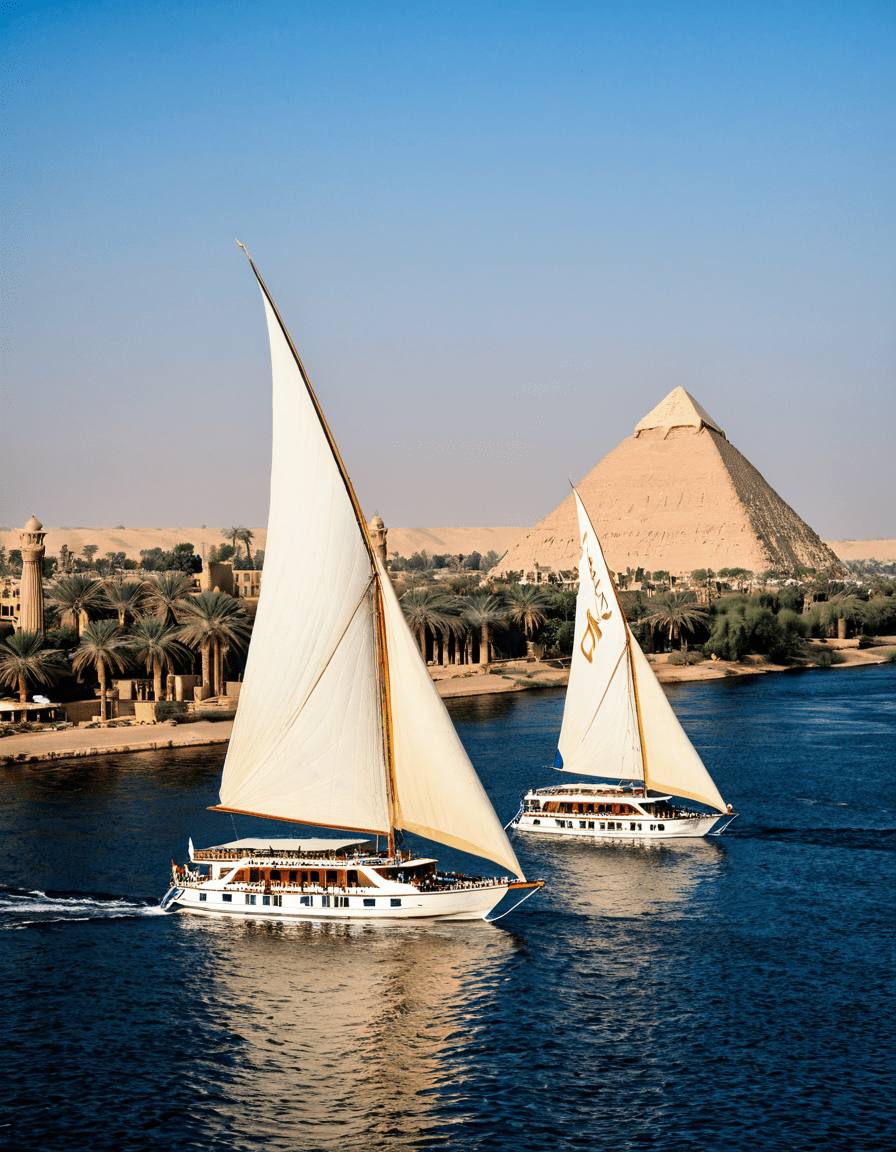
Top 5 Ancient Wonders That Define Luxor’s Legacy
Now, let’s delve into the five most iconic wonders of Luxor—a city that represents not just a glimpse into the past but, dare I say, a glimpse into the very soul of human ambition.
1. The Valley of the Kings
First on our list is the Valley of the Kings, the jewel in Luxor’s crown, with over 60 opulent tombs. This burial ground is home to none other than the infamous Tutankhamun, whose exquisite artifacts continue to captivate modern audiences. The tombs are adorned with intricate hieroglyphics and elaborate decorations that offer insight into the ancient Egyptians’ beliefs surrounding death and the afterlife. Those hieroglyphs, much like today’s fashion statements, speak of grandeur and legacy.
2. Karnak Temple Complex
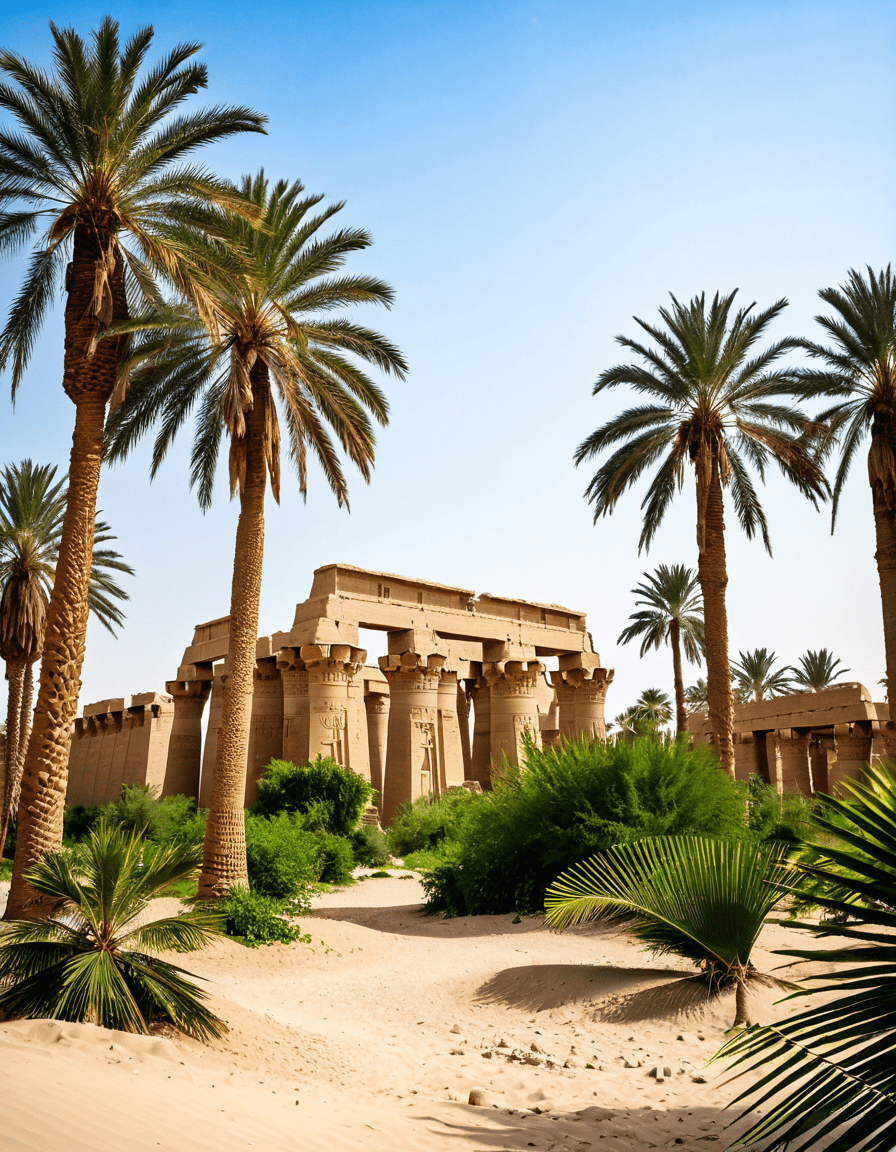
Next, we have the Karnak Temple Complex, a colossal testament to ancient artistry and religious devotion. Stretching over 200 acres, it’s one of the largest religious complexes on the globe. The majesty of its temples, vastach columns, and shrines bears witness to the architectural ingenuity that defined an era. When you step foot into this sacred space, you’re instantaneously transported back in time, experiencing an arcadian serenity that echoes the divine splendor of pharaonic days.
3. Luxor Temple
Then, there’s the Luxor Temple, whose luminous architecture embodies the city’s spiritual essence. Established primarily during the New Kingdom, this temple served the Theban Triad and offers visitors a peek into the spiritual lives of ancient Egyptians. Its unparalleled statues and obelisks, adorned with hieroglyphs, reveal the relationship between gods and pharaohs, intricately woven into the political fabric of the time.
4. The Colossi of Memnon
Standing majestically at the entrance of Amenhotep III’s mortuary temple, the Colossi of Memnon are not just statues; they’re silent sentinels that have withstood the test of time. Weathered yet imposing, these statues symbolize the pharaoh’s eternal legacy and are a powerful reminder of Luxor’s enduring grandeur. Their enduring presence invokes the essence of being, much like the undeniable impact made by today’s top designers.
5. The Temple of Hatshepsut
Finally, the Temple of Hatshepsut, dedicated to Egypt’s first female pharaoh, stands as a monument to female empowerment in a world where women’s roles were often overshadowed. Its stunning terraced architecture offers insight into the complexities of ancient society and highlights the remarkable position women held within it. The intricacy of its designs serves as a calling to today’s fashionistas, urging us to embrace the notion that femininity can be as powerful as it is beautiful.
The Arcadian Archaeology: Understanding Luxor’s Excavation History
Excavations in Luxor have illuminated the enigmatic past of this ancient city, offering glimpses into the rich tapestry of Egyptian life. Archaeologists have been drawn to Luxor for over a century, each dig promising newfound treasures. The discoveries often reshape our understanding of social structures, burial practices, and artistic expressions that flourished in ancient times.
Fundamental to these revelations were campaigns led by the intrepid British archaeologist Howard Carter in the early 20th century. His unearthing of King Tutankhamun’s tomb in 1922 reignited global fascination with Egypt and showcased the artistry and skill of ancient craftspeople. Each artifact recovered is a tangible connection to a world long gone, much like a star-studded gown that speaks volumes of its designer’s craftsmanship.
Through rigorous research and modern excavation technologies, we’re able to revisit and refine our interpretations of Luxor’s past. It is no longer just a relic; it is a thriving text of ancient life, awaiting to be read and understood. This meticulous work helps to bridge the gaps between ancient and modern, fashioning a narrative that is as vital today as it was thousands of years ago.
Modern-Day Luxor: Balancing Tourism, Preservation, and Cultural Integrity
Fast forward to the present, and Luxor buzzes with life, welcoming tourists eager to step into its storied past. However, with great popularity comes great responsibility. Preserving these ancient wonders while catering to the demands of modern tourism presents challenges that local authorities and international bodies are keenly addressing.
Efforts are underway to promote sustainable tourism practices, striving to maintain the delicate balance between economic growth and cultural preservation. Guided tours now focus on educating visitors about the significance of respecting historical sites. These initiatives cultivate an appreciation that transcends the typical tourist experience, marrying the arcadian ideals of yore with the sensibilities of the present.
Furthermore, collaborations with local artisans can breathe new life into traditional art forms and crafts, ensuring that the spirit of Luxor continues to thrive. These initiatives not only bolster the local economy but weave the community into the fabric of the tourism experience, allowing a deeper, more authentic connection with the rich heritage of ancient Egypt.
Wrapping Up the Journey Through Time at Luxor
Luxor stands resilient, a living testament to the grandeur of ancient culture, intricately interweaving tales of ambition, divinity, and everlasting beauty. This city isn’t merely a collection of ancient wonders; it serves as a vibrant narrative that continues to shape our understanding of human history.
As we meander through Luxor’s gorgeous landscape, we recognize it as a treasure trove of shared heritage. Each step we take unveils revelations and awakens our souls to a colorful and enduring dialogue of the ages. An exploration of Luxor is a heartfelt invitation, encouraging us all to cherish and honor the legacy left by those who walked these lands long before we did, teaching us that beauty is timeless, like the fashion that evolves but never truly fades.
Luxor: The Majestic City of Ancient Wonders
Fascinating Facts About Luxor
Luxor, often dubbed the world’s greatest open-air museum, is a treasure trove of ancient history, boasting an impressive collection of temples and tombs. It’s hard to believe that this city, once the heart of Ancient Egypt, thrived over 3,000 years ago! With the magnificent Karnak Temple at its center — the largest temple complex on earth — visitors are taken back to a time of grandeur and divinity. And speaking of grandeur, did you know that the Karnak Temple’s construction stretched over 2,000 years? This colossal achievement involved the efforts of countless Pharaohs, each adding their own mark, just like the impressive tackling of renovations at the Home Depot in Montgomery, AL, which helps folks create their own dreams of grandeur at home.
Luxor doesn’t just tell tales of gods and kings; it’s also rich in quirky facts! For instance, the stunning Valley of the Kings, where many pharaohs were laid to rest, houses the tomb of Tutankhamun — a discovery that rocked the archaeological world. The tomb, found in 1922 by Howard Carter, was packed with treasures and set off a worldwide fascination with Ancient Egypt that still thrives today. Comparable to the surprise of finding the Bridesmaids cast at a comedy debut, this discovery unveiled remarkable truths about a bygone civilization and sparked interest that echoes through time.
The Cultural Impact of Luxor
The cultural fabric of Luxor is woven from generations of artistry and belief, reflected in its hieroglyphs and statues. But did you know that this ancient city has inspired not only history buffs but also modern filmmakers? Just as Morfydd Clark is turning heads in today’s cinema, the allure of Luxor has captivated many storytellers over the decades. Icons of film often set scenes against the backdrop of its towering obelisks and intricate hieroglyphics, reminding us of its everlasting charm.
Moreover, for those keen on thrillers, Luxor has an undeniable place in literature and cinema. The rich narratives akin to the drama found within the Young and the Restless spoilers entangle real events with fictional tales, making Luxor more than a destination — it’s a source of inspiration for creativity. Visitors leave not just with Instagram-worthy photos but stories that resonate with the magic of ancient wonders.
So, whether you’re marvelling at the grand temples or pondering the secrets within the Valley of the Kings, Luxor truly is a city that encapsulates the wonders of our shared historical journey. Just like the Beauty And The Beast cast in the whimsical storytelling of fairy tales, the legends of Luxor have captivated hearts and imaginations for centuries.