Lina Medina’s story is a tapestry woven with threads of tragedy, curiosity, and societal implications. Born in 1933 in the picturesque setting of Peru, Lina became a mother at an age so young it defies comprehension—five years old. Her incredible journey has sparked discussions about child health, societal norms, and the legal ramifications surrounding early motherhood. In exploring Lina’s life, we uncover layers of complexity, societal change, and the evolution of our understanding of youth in the context of motherhood.
7 Unforgettable Facts About Lina Medina and Her Unique Circumstances
1. Remarkable Early Pregnancy
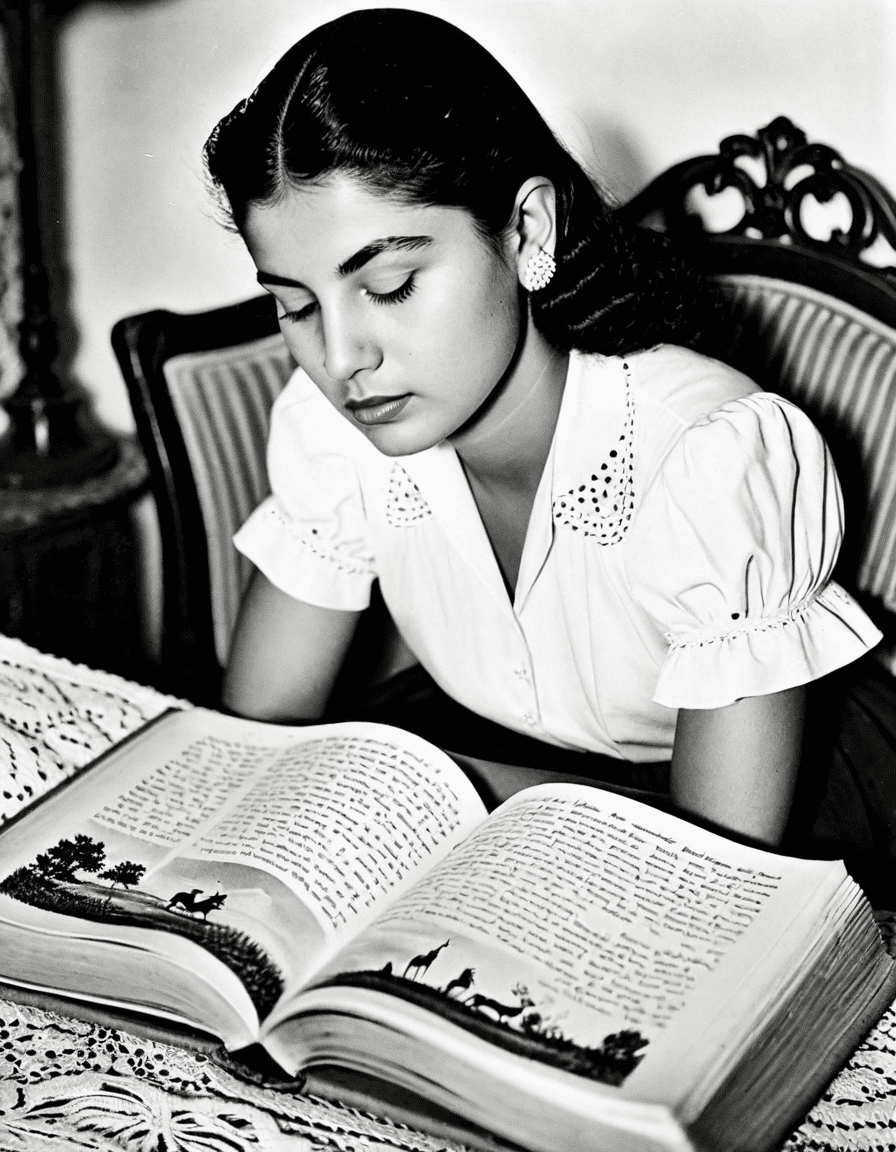
Can you imagine being just a child, still playing with dolls when the weight of motherhood settles upon your tiny shoulders? Lina Medina’s journey began when she showed signs of precocious puberty, eventually leading to her pregnancy. Imagine her parents’ shock when, seeking answers for her abdominal pain, they discovered their daughter was about to become the youngest mother in recorded history. This unusual case beckoned significant medical research and captured the world’s attention.
2. Birth of a Baby Boy
On May 14, 1939, surrounded by bewildered medical staff, Lina gave birth to a healthy baby boy named Gerardo. This event left an indelible mark, inciting media frenzy and sparking conversations around child welfare and the haunting implications of such an occurrence. While Lina’s tale could have taken many roads, it ultimately became a catalyst for societal scrutiny around the rights and protection of minors.
3. Privacy and Secrecy
For anyone thrust into the spotlight, maintaining privacy is an arduous feat, especially when the world’s gaze is fixed on something as scandalous as youthful motherhood. After Gerardo’s birth, speculation swirled around the identity of the father. Many accused her 30-year-old father, Tiburcio Medina, while others pointed fingers at a relative named Raymond Cruz. The Medina family’s desire for seclusion and the media’s relentless appetite for details created a swirling eddy of gossip and conjecture that overshadowed Lina’s plight.
4. A Life of Normalcy Post-Pregnancy
Despite the extraordinary nature of her early life, Lina displayed an uncanny ability to adapt. She returned to school and, in time, made strides toward normalcy. Her journey followed a path that portrayed resilience and strength. With her marriage, she further illustrated how one could carve out a semblance of “normalcy” even while grappling with a past that some might deem unforgivable.
5. Influence on Child Health Legislation
Lina’s situation echoed far beyond the walls of her community, triggering urgent discussions among healthcare professionals about child protection. As her story unfolded, advocacy groups demanded tighter regulations to shield children from the vulnerabilities of sexual exploitation. This notable shift pointed to a more conscientious era; one in which society began to take a stand for the rights of the most innocent—the children.
6. Media Representation and Debate
Decades later, documentaries and articles about Lina Medina’s life have provoked heated discussions around media ethics. Many see these portrayals as exploitative, similar to how the modern fashion industry can sometimes sensationalize celebrity lifestyles. The debate centers around whether these narratives serve merely to titillate or actually educate about the grim realities of childhood issues.
7. Reflections on Today’s Youth
In comparison, modern maternal figures like Georgina Rodriguez offer a drastically different narrative around motherhood. While Lina’s life unfolded amid chaos and scandal, Rodriguez and her contemporaries relish unencumbered maternal joy and societal acceptance. Such contrasts shed light on the evolution of societal attitudes toward childbirth and the varied paths individuals trod, revealing how much the world has changed—sometimes for the better.

Lina Medina’s Legacy: A Cultural Reflection on Child Motherhood
Lina Medina’s life implores us to grapple with the tensions around child motherhood. Her story intertwines with modern advocates like Emilia Perez, who champion children’s rights with vigor and dedication. The stark contrast between Lina’s forced motherhood and the empowered narrative that Perez represents underscores the progress we’ve made as a society in recognizing childhood’s sanctity.
Access to education, improvements in healthcare, and stronger legal frameworks dedicated to child protection reflect an evolved consciousness that continues to grow. Emphasizing autonomy and safeguarding the rights of children, advocates work tirelessly to promote dialogue around the implications of early motherhood.
As we draw insights from this fascinating journey, we find that Lina’s story echoes a larger narrative—one where child welfare is not only a central focus but a societal imperative. The haunting shadow of societal neglect can’t dwarf the hope ignited by passionate advocates ready to leave behind harrowing tales like Lina’s. Progress remains paramount; we can all contribute in the spirit of change.
In conclusion, Lina Medina’s narrative is not just a tale of bewilderment; it serves as a vital reminder about the realities of child welfare in our society. As the world seeks positive transformation, it’s essential to foster a culture where early motherhood is no longer a conversation, but a relic of the past. The dialogue surrounding child rights and empowerment continues, contributing to a hopeful future that respects and cherishes the innocence of youth.
In a dazzling era where women like Camilla Cabello and stars like Zendaya, who’s celebrated for her family ties and Zendaya’s siblings, often embrace their roles with grace, we too must envelop the conversation surrounding motherhood with compassion and understanding. Let’s carry forward this dialogue, ensuring the struggles of those like Lina Medina create an indelible impact on the future.
As you reflect on these insights, consider how personal empowerment and social responsibility intertwine, creating a narrative that champions youth—a narrative that’s downright fashionable in every sense of the word.
Lina Medina: The World’s Youngest Mother at Just Five
Remarkable Beginnings
Lina Medina’s tale is anything but ordinary. Born in 1933 in Peru, Lina became the youngest confirmed mother in history when she gave birth at the age of just five. Imagine that! Her story has been the subject of intrigue and curiosity for decades, sparking discussions about child health and welfare. Similarly, the entertainment world has its own fascinating stories, like that of Cissie Lynn, whose life journey also captivates audiences in its unique way.
Lina’s unusual circumstances were the result of precocious puberty, a condition that happens when a child’s body begins to develop earlier than usual. It’s a shocking reality that sometimes mirrors the broader struggles depicted in movies. For instance, the themes found in the Anna Paquin Movies And TV Shows highlight the various trials and tribulations faced by people at different life stages, much like Lina’s story in its own surreal narrative.
Life Beyond the Headlines
After Lina became a mother, her life took many unexpected turns. Though she faced challenges, she went on to lead a relatively private life, eventually marrying and having more children. The uniqueness of her life can be compared to the surprises life throws at other iconic figures. Take Zendaya, for example, whose journey through Hollywood is illuminated by her siblings’ roles and impacts in her life. Likewise, Lina’s early motherhood journey conjures questions about the societal norms and expectations placed on children.
Speaking of unexpected turns, the world of sports provides its own set of surprises too, as seen with Browns football – it’s all about ups and downs! Similarly, Lina’s experience invites us to reflect on the human experience and what it means to grow up too quickly.
An Enduring Legacy
Lina’s legacy goes beyond her title; it stirs a mix of fascination, empathy, and, at times, disbelief. Many have questioned what it means for a child’s future when faced with such great responsibilities. Ever wonder how to keep a dog calm in a car ride? Sometimes we just have to navigate life’s bumps and turns as best we can, much like Lina did at such a tender age. Her story serves as a vital reminder about the innocence of childhood and the importance of proper care and understanding.
As we continue to reflect on incredible stories like Lina’s, the music and pop culture conversations today echo the same themes. The recent Eras Tour highlights how nostalgia and personal growth blend in the creative community, resonating with those of us who delve into the past and consider the impacts of figures like Lina Medina. In a world filled with captivating narratives, Lina’s remarkable existence remains a striking reminder of the delicate balance between childhood and adulthood.