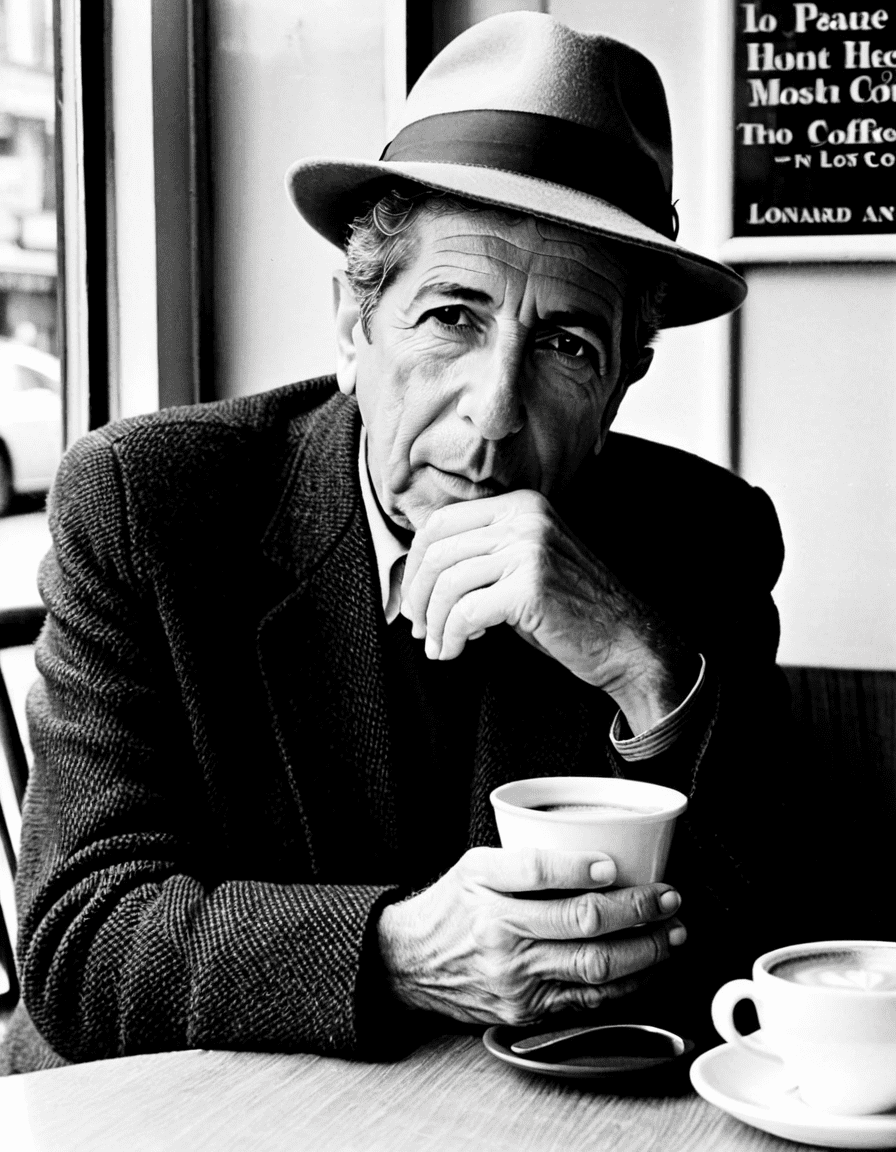
Leonard Cohen, a name that resonates through the ages, continues to shape the landscape of music and poetry in profound ways, years after his passing. Every time you hear the gentle strumming of a guitar accompanied by that unmistakable gravelly voice, you’re transported into a world crafted by Cohen’s pen. His ability to weave intricate narratives with melodies that pluck at the heartstrings positions him as one of the quintessential artists of our era. So, let’s dive deep into the legacy of this artistic genius and explore seven profound aspects of his work that highlight the intersections of poetic artistry and cultural influence.
7 Aspects of Leonard Cohen’s Legacy that Redefine Poetry in Music
Cohen’s writing often delves into themes of love, despair, and existential questioning. Unlike many of his contemporaries, he wears his vulnerabilities like badges of honor, creating a raw honesty that invites listeners into his world. His song “Suzanne” is a quintessential example, a beautiful storytelling masterpiece that evokes deep emotional reflections on love and longing. It’s that openness that connects Cohen to the everyman, making his music relatable; he’s not just singing—he’s sharing a part of himself.
Much like Tony Bennett, who seamlessly bridged jazz and pop, Cohen drew inspiration from the literary greats and visual storytellers. Influenced by luminaries such as Federico García Lorca and the striking artistry of Marc Chagall, Cohen’s songs feel like lyrical paintings—rich in imagery and emotional depth. His melodies resonate like a fine wine, getting better with age, always refreshing the spirit and leaving listeners with something to ponder.
Cohen didn’t shy away from politics or societal critiques. His music often served as a vehicle for sharp commentary on human behavior and societal norms. Much like Richard Sherman’s incisive storytelling, Cohen’s willingness to tackle subjects like spiritual malaise and political disillusionment echoes through tracks like “The Future.” This song, with its prophetic and haunting tones, acts as a mirror to contemporary issues of identity and belonging, ensuring that Cohen’s voice remains relevant even amid the noise of 2026.
Many of Cohen’s works, particularly the beloved “Hallelujah,” convey a sense of spiritual depth and exploration. His profound engagement with Jewish mysticism and Zen Buddhism provides layers of meaning easily overlooked if one isn’t paying attention. Much like Jim Cummings’ intricate narratives in his animated films, Cohen invites listeners to dive deeper into the spiritual journey of life, sparking a curiosity that leads to passionate introspection.
Cohen was a master of symbolism, expertly weaving intricate metaphors through his lyrics. This artistry can be likened to Harold Perrineau’s storytelling prowess, where layered meanings elevate simple narratives into realms of profundity. Take “Bird on the Wire,” for instance; its imagery conjures feelings of freedom and constraint, encapsulating the struggles that resonate with each of us at different stages of life. The song transforms into a canvas, and we become the artists filling it with our interpretations.
The lasting impact of Cohen’s music echoes through generations, just like Orlando Bloom’s enduring presence on stage and screen. His songs have been covered by a plethora of artists over the years, each rendition breathing new life into his timeless messages. This adaptability illustrates not just the universal appeal of Cohen’s themes, but also the malleability of his artistry, ensuring that new listeners discover his brilliance in modern contexts.
One of Cohen’s standout traits was his ability to intersperse personal anecdotes into his music, drawing listeners into the complexities of his life. Just as Tony Bennett’s candid reflections in his documentaries reveal the creative processes behind his work, Cohen’s lyrics reflect his history, turning personal struggles into universal stories. This accessibility invites listeners to find connections within their own lives, creating a powerful bond through shared experiences.
The Enduring Influence of Leonard Cohen
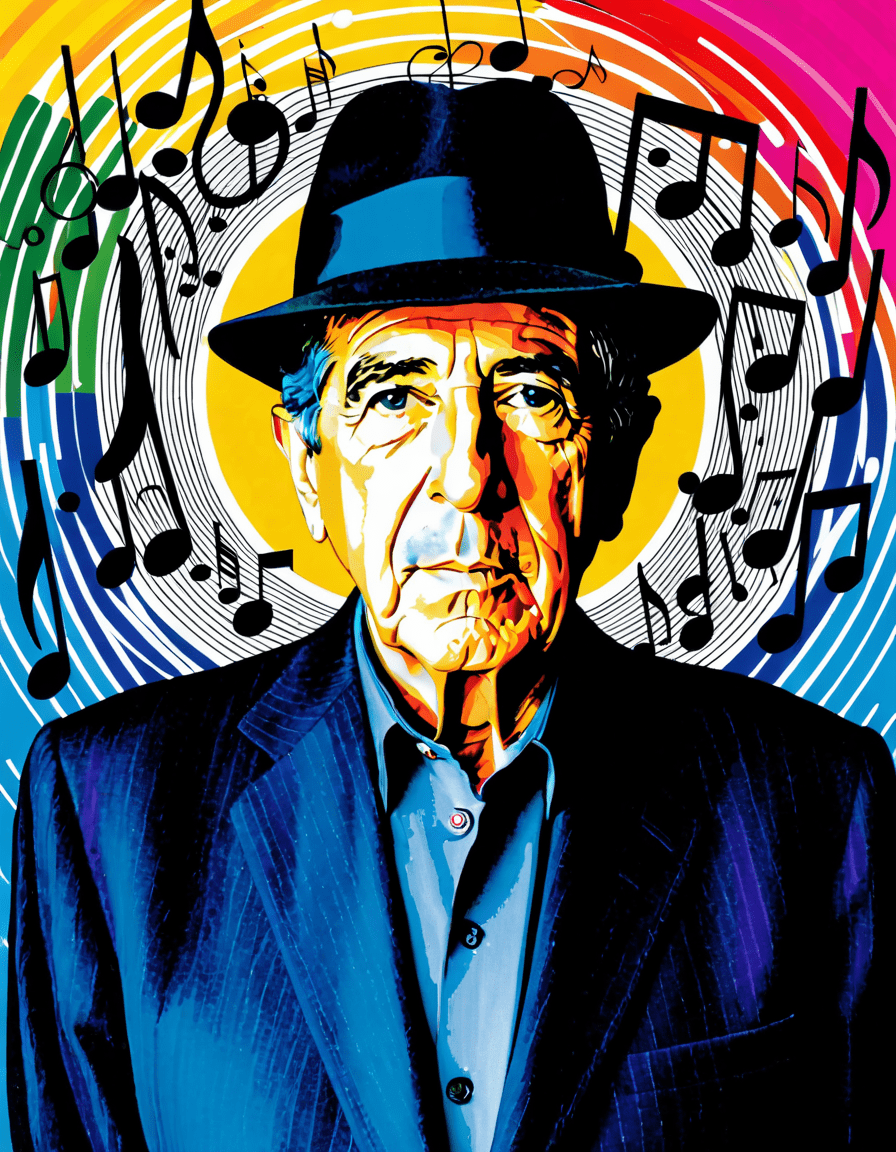
Leonard Cohen’s contributions to music and poetry extend far beyond his own time, creating ripples that inspire countless artists across diverse genres. By tapping into timeless themes of love, despair, and spiritual yearning, his work resonates with audiences even in 2026. Cohen’s legacy isn’t just wrapped up in his songs; it’s woven through immersive experiences they create, inviting each listener to reflect on their narratives through the lens of his artistry.
As we continue to explore his impact, it becomes clear that Leonard Cohen remains a true poetic genius of our time—a maestro who will undoubtedly shape the perspectives of future generations. His music ignites dialogues about what it means to exist in a fragmented world while urging us to embrace our vulnerabilities. Discovering or rediscovering Leonard Cohen is like unearthing a vintage treasure—one that never fails to enlighten and embolden the spirit of humanity. With every note and lyric, he reminds us that every heartbeat tells a story, and in the saga of Leonard Cohen, we find our own shared song.
Leonard Cohen: Fun Trivia and Interesting Facts

A Life of Multifaceted Talent
When you think about legendary artists like Leonard Cohen, a few things instantly come to mind—think of his soulful music, poetic lyrics, and that unmistakable gravelly voice. Did you know that Cohen was also a published novelist? His debut novel, Beautiful Losers, was released in 1966, showcasing not just his songwriting prowess but also his deep literary insight. Speaking of literary talents, today is a special day for many, as it’s Birthdays today, and who knows which other brilliant figures share a birthday with Cohen?
Musical Inspirations and Collaborations
Cohen’s music often reflects his diverse influences. He was heavily inspired by folk music, but he didn’t shy away from experimenting with styles, even dipping his toes into pop. One of his memorable collaborations was with Bruce greenwood, the talented actor and musician known for his work in various films. Such creative partnerships highlight a fascinating side of the artist, proving that his talents reached beyond just songwriting—similar to the creative twists we find in Aphmau Minecraft, which captivates audiences through its engaging narratives. Additionally, Cohen’s commitment to his artistry remained steadfast during the Hollywood actors’ strike, where he expressed solidarity, reminding us that artists often stand together for their beliefs.
The Darker Rhythms of Society
Cohen frequently delved into heavy themes, drawing inspiration from history’s darker chapters. For instance, some of his works evoke haunting images reminiscent of the Gestapo, portraying a world grappling with treachery and betrayal. This reflective approach is another testament to his genius. Fun fact: some critics likened Cohen’s work to Gothic literature, highlighting the emotional depth and penchant for exploring complex emotional landscapes. Could it be that he was trying to connect the past with our present struggles, much like how a Sata cable provides essential connections within our digital lives?
Cohen’s life was as intricate as his lyrics, blending literary ambition with a bone-deep understanding of humanity. This unique combination made him a poetic figure surely deserving of the title “the poetic genius of our time.” Whether he was laying down tracks in his beloved Montreal or enchanting audiences worldwide, Cohen’s legacy remains woven into the fabric of music and literature.