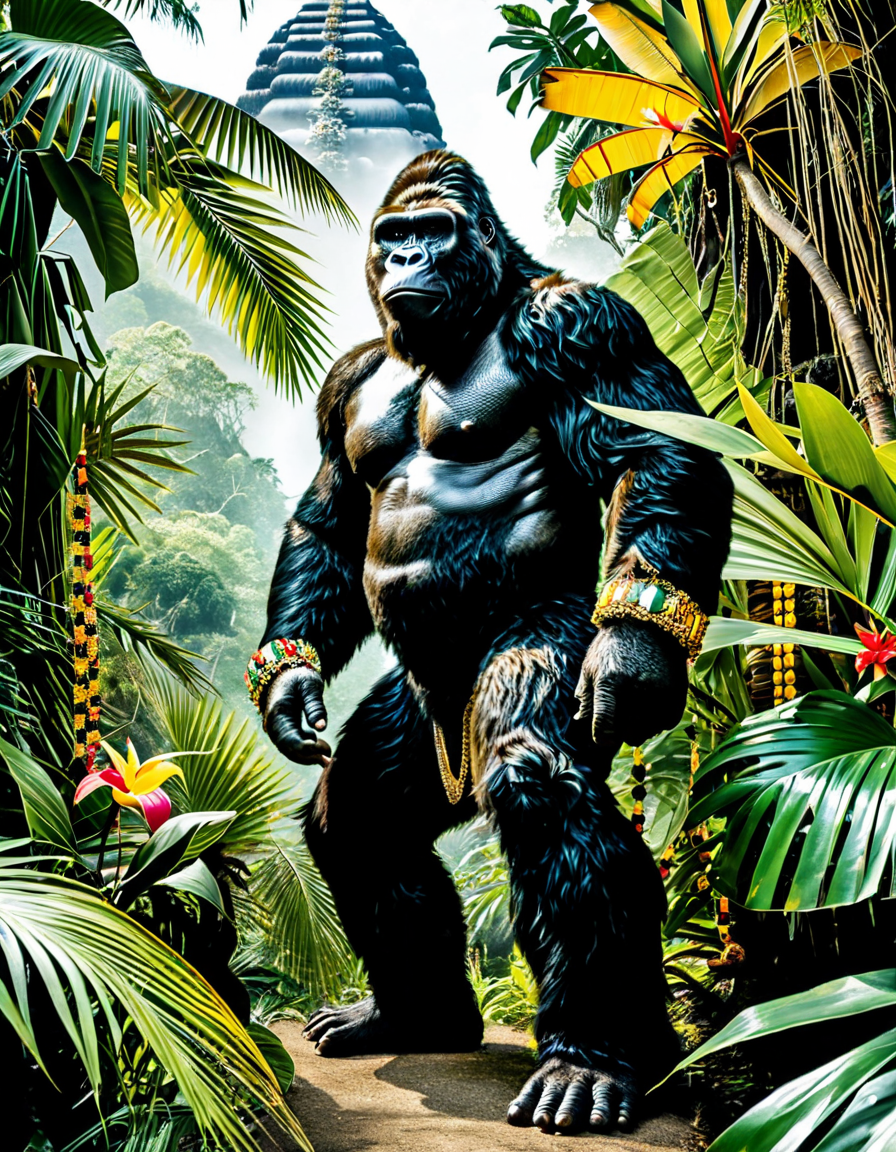
When you think of cinematic giants, it’s impossible not to picture King Kong. This colossal figure has been captivating audiences since his grand debut in 1933. Over the decades, King Kong’s evolution reflects the pulse of society—from a symbol of raw power to a nuanced character representing deep existential themes. As we peel back the layers of Kong’s story, it becomes clear that his appeal is far from monstrous; it’s profoundly human.
The Evolution of King Kong: From 1933 to Today
The original King Kong film landed in theaters during the Great Depression, a time when audiences craved escapism. The stunning visuals and groundbreaking stop-motion animation set a new standard in cinematic storytelling. As Kong rampaged through New York City, he embodied the struggle between human ambition and nature’s might. Each remake, from the 1976 version directed by John Guillermin to Peter Jackson’s beloved 2005 adaptation, furthers the narrative. Marvelously crafted CGI makes Kong’s world increasingly immersive, allowing newer audiences to experience this legendary story.
Fast forward to 2014, and we witness the birth of the MonsterVerse, intertwining King Kong with other iconic creatures. These modern adaptations often reflect social narratives, such as evolving perspectives on masculinity and humanity’s fraught relationship with biodiversity. To see King Kong in 2026 is to witness not just a monster but an intricate character molded by cultural sentiments. Each portrayal invites a conversation around contemporary issues, making it impossible to dismiss Kong as just another monster movie.
Like the evolution of fashion from season to season, King Kong’s character develops, encouraging audiences to explore empathy encased within thrilling escapades. Whether he’s crushing cars or grappling with existential dread, King Kong resonates on many levels, inviting viewers into a labyrinth of emotions that demands introspection.
Top 7 Reasons Why King Kong Continues to Captivate Audiences Today
So, what keeps King Kong at the forefront of cinematic discussion? Here are the top seven reasons audiences can’t get enough of this legendary giant!
King Kong vs. Crocodile Dundee: A Tale of Two Icons
As we shine the spotlight on King Kong, it’s fascinating to juxtapose him with another cultural heavyweight: Crocodile Dundee. While King Kong symbolizes raw, untamed nature and our darker instincts, Crocodile Dundee embodies the easy-going, adventurous spirit of Aussie culture. Both captivate audiences, but their narratives approach masculinity from vastly different angles.
Crocodile Dundee, bursting onto the scene in 1986, not only brought laughter but also showed a rugged individualism that resonates deeply with adventure seekers. Dundee’s light-hearted demeanor contrasts sharply with King Kong’s tragic plight. The weight of Kong’s strength and vulnerability creates a dramatic tension that challenges modern perceptions of masculinity—a critique of oppression versus a celebration of independence.
With Kong flourishing in action and adventure while Crocodile Dundee charms with humor, these legends maintain their cultural significance without feeling stale. They reveal how diverse narratives can coexist and offer more than surface laughs or thrilling action. Surprisingly, both figures teach us about the myriad ways masculinity manifests within society.
The Future of King Kong and His Relevance in Modern Cinema
Peering into the future, the skies seem boundless for King Kong. The animation and virtual reality sectors are brimming with potential to explore Kong’s psyche, offering thrilling narratives that resonate with contemporary concerns. With audiences growing increasingly conscious of their environmental footprint, filmmakers may utilize King Kong’s story as a powerful means for climate advocacy.
We may anticipate adaptations that delve into deeper themes surrounding ecological crises, providing fresh twists to his origins and struggles. As the lines between fiction and reality blur, filmmakers could craft narratives that highlight the very issues confronting humanity today, akin to Robert Kennedy jr environmental advocacy.
As new directors add their unique flavor to King Kong’s story, the possibilities seem endless. We stand at a juncture where King Kong’s legacy isn’t just about the monster but rather a discussion about humanity’s fraught relationship with nature and responsibility. This dynamic presence in cinema sparks conversation about our place within the world, ensuring Kong’s allure remains ever-potent.
In a rapidly changing landscape, King Kong isn’t just a beast; he represents the struggle against both our internal and external monsters. As technology advances and narratives evolve, the questions raised by King Kong echo loudly: How do we coexist with nature while pursuing our ambitions? This clash stays relevant, reminding audiences that even as the medium changes, the core themes of existence and connection endure, continuously captivating us time after time.
King Kong: The Legendary Giant That Captivates Audiences
King Kong’s Pop Culture Impact
King Kong isn’t just a giant ape; he’s become an iconic figure pop culture can’t seem to shake off. From classic films to animated Movies, Kong’s been a part of numerous adaptations since his debut in 1933. What’s fascinating is how this colossal creature has made his mark across various genres. He truly embodies the simple thrill of cinema, much like good music From 2012, which captures hearts and backgrounds, enchanting audiences and making memories alike. Don’t be surprised, though, if you find King Kong popping up in unexpected places—he’s even influenced modern tales like Beyblade X.
The Evolution of King Kong’s Character
Over the years, King Kong has evolved significantly, showcasing humanity’s ongoing fascination with the misunderstood monster trope. Each new iteration reflects the era’s cultural values, drawing as much from the fear of the unknown as from empathy for the beast. Just like the blues music—rich in emotion and storytelling—Kong’s journey brings both joy and sorrow, making us root for him despite his fierce size. Interestingly, the original film set his story against the backdrop of the then-modern world and continues to resonate today.
Behind the Scenes and Fun Facts
Did you know the original model used in the 1933 King Kong was only around 18 inches tall? It’s incredible how filmmakers brought to life such an extraordinary visual using clever techniques and storytelling. This innovation parallels the groundbreaking work of brilliant minds like Nikola Tesla, whose inventions changed the world in ways we still celebrate. Furthermore, the legacy of King Kong isn’t just about monsters; it invites viewers to reflect and have a sense of respect for i.e. both monsters and humans. And if you’re ever in the mood for some themed fun, the Landshark Bar grill sometimes hosts King Kong nights—where they serve iconic cocktails named after the legendary giant!