
Jury duty—ah, that quintessential slice of American civic life that often feels like a necessary evil. However, in 2026, jury duty represents so much more than just a day lost to your calendar. It reflects the evolving tapestry of our society, where every verdict holds a mirror to our values and ethics. This isn’t just a summons to civic duty; it’s an invitation to be an active player in the intricate dance of justice. In a world grappling with complexities surrounding technology, social justice issues, and privacy rights, serving on a jury has become a vital opportunity for individuals to deeply engage with the principles that govern our democracy.
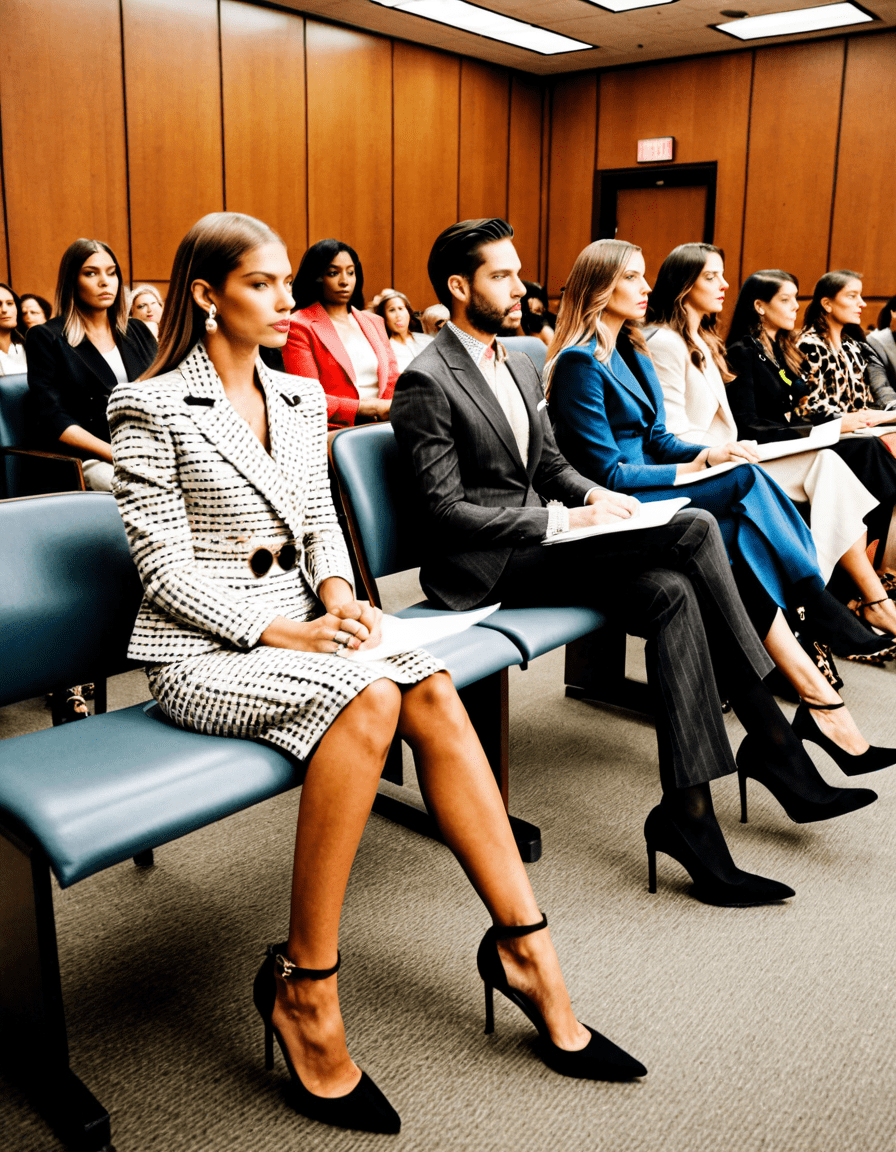
Understanding the Importance of Jury Duty in 2026
Over the years, as we’ve witnessed—a significant transformation in the cases that find their way into our courtrooms. In 2026, the implications of serving as a juror have escalated. It’s not just about standing up for your neighbor; it’s about grappling with intricate narratives that challenge our biases. Take, for instance, trials centered around social justice movements or cases where technology plays a starring role, like those involving digital privacy breaches. Juries now find themselves navigating a landscape that didn’t exist a generation ago, a landscape where every ruling can resonate through the fabric of our society.
Moreover, the emotional and psychological impact of serving on a jury is monumental. Imagine being sequestered in deliberation while wrestling with evidence and emotions surrounding a harrowing case. According to research by the American Psychological Association, many jurors experience lingering stress akin to PTSD after intense trials. Add to this the role of jury duty as a societal mirror; every selection reflects the diversity—or lack thereof—in our communities. As we delve into landmark cases, we come to appreciate how public sentiment and societal norms can directly influence the very justice we seek.
Ultimately, jury duty is not just a civic duty; it’s a powerful engagement with the fundamental ideals that make up our justice system. Many Americans may view it as a mere obligation, but to those who step inside the jury box, it is—the grand stage upon which society’s values play out. Are we ready to confront the issues that define us? Serving on a jury may just provide clarity, igniting a passion for justice and equity within us all.

7 Jury Duty Secrets Revealed: What They Don’t Tell You
Let’s peel back the layers, darling. Here are seven secrets that could flip your perception of jury duty on its stylish head.
The truth is, implicit biases can sneak into our decisions like a designer knock-off lurking in a high-end boutique. According to the National Center for State Courts, unaware biases can shape jurors’ decisions. Recognizing this reality encourages us to embrace an open-minded attitude as we enter the jury box.
Technology is changing the courtroom dynamic! Picture this—virtual reality demonstrations now aid jurors in understanding a case, transporting them straight to the scene of the crime. Imagine experiencing a car crash or a hostage situation from the safety of your seat—it’s surely a game changer.
Just because someone comes from a prestigious background doesn’t mean they’ll resonate with the jury’s needs. Recall the fascinating insights into real cases featured in “Trial by Media,” revealing how unexpected jurors bring critical viewpoints to the table.
Now here’s the tea! Jurors can acquit a defendant based on moral grounds—even if they believe the evidence is irrefutable. The infamous 1993 case of a woman who faced drug charges, only to be acquitted by a jury who saw the law as unjust, is a case in point.
The mental strain of serving on a jury is often overshadowed. For jurors immersed in emotionally charged trials, lingering stress can affect their lives long after the gavel falls.
Serving on a jury isn’t just about delivering a verdict; it’s also about forging connections. A remarkable instance occurred during a Texas trial in 2020, when jurors gathered long after the case to reminisce about their shared journey. Bonds formed in the fire of deliberation can last a lifetime.
Financial aspects of jury duty can be quite enlightening! States vary widely in compensation—from $25 a day in Illinois to $100 in California. Such disparities can sway a potential juror’s willingness to serve.
The Impact of Modern Society on Jury Duty Dynamics
As we amble further into the 21st century, the social fabric around jury duty is ever-shifting. Issues surrounding race and class intertwine with technology, making jury selection and deliberation a rich tapestry of complexities. Take a moment to reflect on the impact of high-profile cases like the Derek Chauvin trial, which unearthed societal divides and influenced juror sentiment in unprecedented ways. Moreover, social media has altered how the public perceives jurors, often exposing them to media narratives before they even enter the jury box.
Exploring Juror Experiences: Testimonials and Real-World Impact
Now, let’s hear from the stars of this captivating drama—the jurors. Their real-life stories offer insights that go far beyond the courtroom. One juror, who served during a trial that involved public health measures related to COVID-19, recounted how her experience changed her perceptions about responsibility in society. Such testimonials uncover the emotional weight jurors carry, showing that serving isn’t just a legal obligation; it can shape viewpoints and spark public discourse.
As we analyze these experiences, it becomes evident that jury duty loops into the broader narrative of our society. By engaging in such deep discussions, jurors often find themselves grappling with questions that extend beyond verdicts. The stories, dilemmas, and lessons learned during jury duty resonate within communities, making it an integral part of the social fabric.
Final Thoughts: The Transformative Power of Jury Duty
As we take a step back and reassess our views on jury duty in 2026, we find ourselves at a crossroads. This powerful experience transcends being just a chore; it’s a vital interaction with democracy and justice. Understanding the hidden complexities and rich realities of serving not only enriches the experience but also transforms it into one of profound importance.
Armed with these seven dazzling secrets and important insights, next time you receive that jury duty notice, you might just see it as a chance to shape the future of justice. It’s about stepping up and standing for what is right. So, gather your stylish ensemble and put on your juror hat—because justice is always in fashion!
Jury Duty: Fun Trivia and Interesting Facts
The Unexpected History of Jury Duty
Did you know that jury duty has roots tracing back to Ancient Greece? This concept, believed to be a cornerstone of democracy, showcases the significant trust placed in ordinary citizens. Interestingly, just as the sunnydale massacre 1949 shocked many, the evolution of jury duty reflects society’s ongoing struggle for justice and fairness. Over the years, it has adapted to the needs of the community, much like popular culture which has taken a turn with today’s strikes, reminding us that changes can be catalysts for conversation, just as the actors strike in Hollywood illustrated.
The Characters in the Jury Box
Jury duty isn’t just a civic responsibility; it often feels like a real-world drama. The diverse characters you meet in the jury box can be striking. Think about it: you’re surrounded by people from different walks of life, each bringing their unique perspectives. You might even find someone who reminds you of the cast of the goldbergs, bringing a touch of humor to the proceedings. Plus, let’s not forget the famous faces that have served on juries! Celebrity jurors have included Blythe Danner, proving that the jury room can sometimes feel like the set of a blockbuster.
Perks of Serving
What perks do you get for serving? Besides fulfilling a duty, jury panels often provide a fresh glimpse into the legal system. This experience is unlike binging on shows like 1923 season 2 or high potential season 2; it’s a front-row seat to real-life conflicts and resolutions. If you’ve been worried about how to keep my dog alm i car ride while participating, many courts even provide exemptions for pet owners, showing that they understand your needs. So next time you get that summons in the mail, remember the experience can be more enriching than you might think.