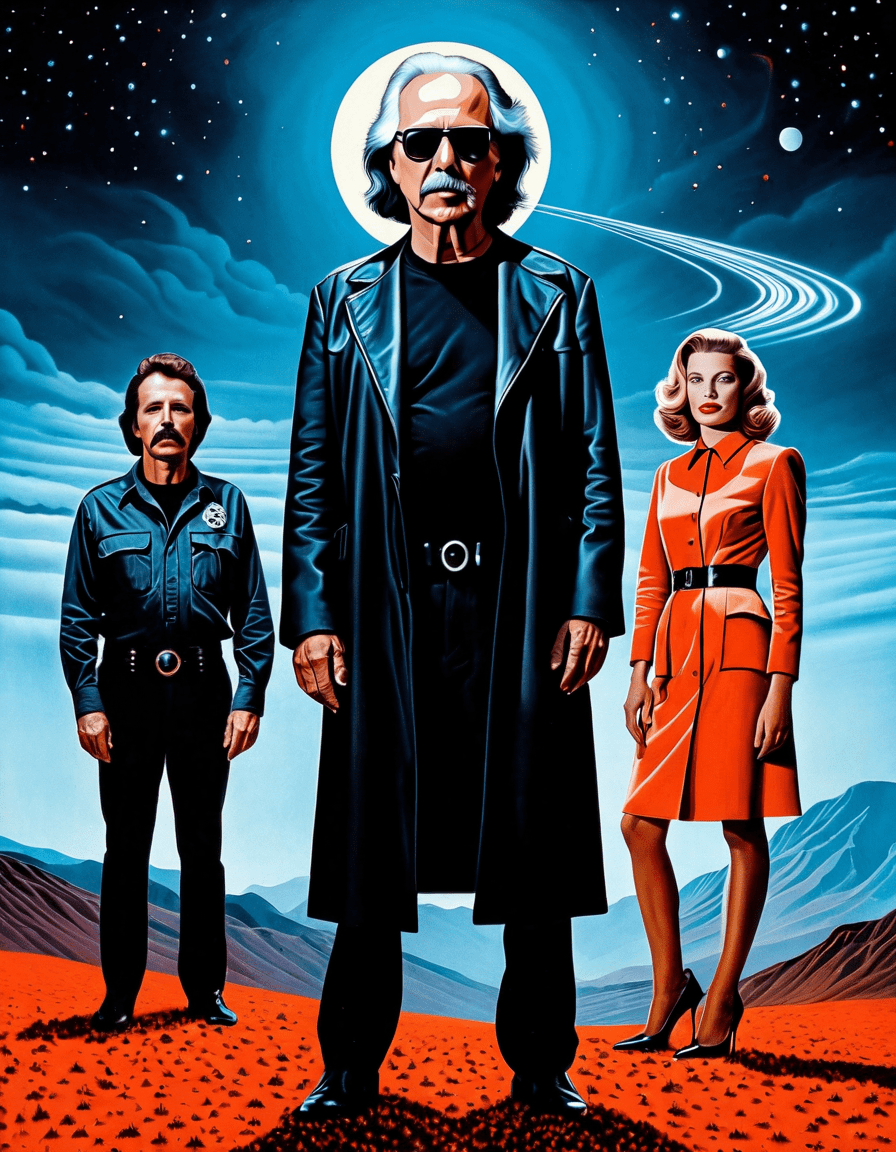
In the glittering world of horror cinema, few names conjure as much reverence as John Carpenter. As a monumental figure—co-writer, director, producer, and composer—Carpenter’s stamp is indelibly etched into the genre’s DNA. His films not only terrify but also engage in meaningful dialogues about societal norms, human fears, and the myriad complexities of existence. Buckle up, fashion-forward readers! We’re about to embark on an exhilarating exploration of his impactful career, one that flips the script and unravels layers like the finest haute couture.
7 Essential John Carpenter Films That Defined Horror
Talk about iconic! “Halloween” isn’t just a film; it’s the blueprint for the slasher genre. Introducing the chilling Michael Myers, this flick redefined horror storytelling, pulling audiences into a web constructed with Carpenter’s minimalist score and innovative camera techniques. The concept of the “final girl,” a trope still prevalent today, transformed how audiences engaged with horror narratives.
If you’re looking for paranoia and dread rolled into one, look no further. Based on John W. Campbell Jr.’s novella, “The Thing” features ground-breaking practical effects that have become legendary in horror circles. It set high standards for the genre, creating a visually thrilling experience that’s more nerve-wracking than a runway confrontation in Paris!
Who said horror can’t be a little dystopian? Carpenter’s “Escape from New York” ventures into a chaotic future that’s more terrifying than any nightmare. The blending of genres highlights Carpenter’s prowess as he tells gripping narratives that enthrall audiences while keeping them on the edge of their seats.
Here’s where horror meets social commentary! In “They Live,” Carpenter delivers a sharp critique of capitalism with a layer of satire, featuring some unforgettable one-liners. The film cleverly intertwines genuine scares with a discussion about societal norms, showcasing Carpenter’s genius in creating both entertainment and food for thought.
Imagine a tale where science meets religion, and you have “Prince of Darkness.” A unique concept that explores demonic forces tied to past sins, Carpenter’s atmospheric storytelling makes it a cult classic that lingers in your mind long after the credits roll. The film’s intellectual depth raises it above traditional horror fare, much like how a great statement piece elevates an outfit.
Set in a haunting coastal town, “The Fog” emphasizes that sometimes, less is more—especially when it comes to creating suspense. The atmospheric storytelling here is more about mood than gore, proving that Carpenter knows how to spin tension like the finest silk threads.
Dive deep into the abyss with this meta-narrative that critiques madness and reality. This film cleverly highlights the relationship between horror fiction and insanity, showcasing Carpenter’s adeptness at intertwining complex narratives with pure fright. Not unlike stirring emotions through fashion, this work leaves audiences questioning their own perceptions, an evergreen trend in storytelling.
Influences and Collaborators in Carpenter’s Work
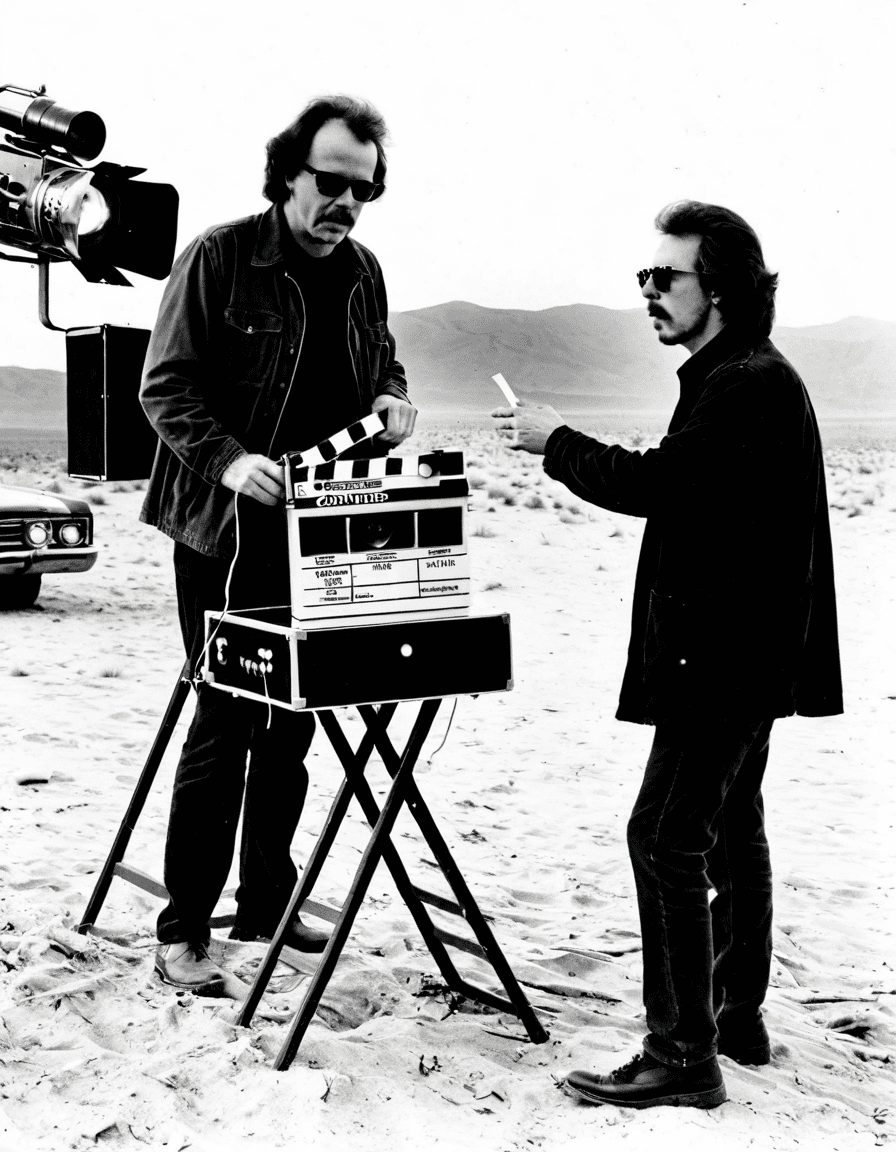
Every great artist is shaped by those around them, and John Carpenter is no exception. Carpenter’s legacy is not just his own but a tapestry woven with the talents of a few key figures:
Carpenter’s Signature Style: A Closer Look
Ah, the essence of John Carpenter! His artistry combines suspense, engaging character arcs, and unexpected story developments, setting him apart in a saturated field. Notably, his style demands attention without overwhelming, much like the perfect accentuating accessory in a fashion ensemble.
Take “They Live,” for instance; it exhibits both horror elements and sharp societal critique, making it a timeless classic. Carpenter leads audiences through the layers of horror while skillfully incorporating commentary into the narrative. This duality is what allows him to remain relevant—a testament to how far-reaching this artist’s influence truly is!
The Legacy and Future of Carpenter’s Influence
Fast forward to 2026, and it’s clear: Carpenter’s impact on the horror genre is more vibrant than ever. Films like “It” (2017) and shows like “Stranger Things” resurrect the retro horror aesthetics that Carpenter pioneered, proving that his style has woven itself intricately into contemporary filmmaking.
His blend of horror and social commentary continues to motivate a new generation of filmmakers, encouraging them to find the intersection of authentic fear and thoughtful narrative. Carpenter’s insights and reflections on his creative process resonate, urging fresh talent to imbue depth into their frightening tales.
Crafting horror isn’t just about the boogeyman; it’s about peeling back the layers to expose what lies beneath. John Carpenter stands as a luminary in horror, imbuing his films with a dichotomy of fear and insight that challenges audiences to rethink their perceptions. His legacy is not merely a collection of films—it’s a call to introspect, decipher, and engage with the world through a lens that’s equal parts thrilling and thought-provoking.
In a cinematic landscape that often prioritizes shock over substance, Carpenter’s mastery shines as a guiding light, a testament to what true horror can achieve. Embrace your inner thriller-seeker and delve deep into the artistry of the one and only John Carpenter. The fright is not just in the jump scares; it’s in the storytelling that resonates long after the credits roll.
John Carpenter: The Mastermind Behind Horror Classics
Behind the Scenes with John Carpenter
John Carpenter isn’t just another name in the horror film industry; he’s a legend! Known for crafting chilling classics like “Halloween” and “The Thing,” Carpenter’s films often featured groundbreaking soundtracks, thanks to his skill as a composer. Interestingly, his knack for weaving music with horror can be likened to board game strategy, much like a game of monopoly, where every decision counts and tension builds until the last player stands victoriously. Speaking of victories, did you know Carpenter has expressed his admiration for classic films such as Cloak And Dagger? That film, like many of his, plays a role in understanding the art of suspense and surprise.
The Impact of John Carpenter’s Work
But what really sets John Carpenter apart is his ability to create relatable characters caught in horrifying situations. Take the iconic babysitter Laurie Strode from “Halloween.” She’s often celebrated as one of the first strong female protagonists in horror, opening the door for characters as diverse as Katie Lowes portrayal in modern shows. Carpenter’s influence stretches far beyond the screen; he’s also inspired a slew of filmmakers and writers eager to explore the bizarre. Plus, if you’re curious about the cast of “We Were Liars, you might notice Carpenter’s thematic echoes in their storytelling style, illustrating the lifelong impact he has on narrative structures.
The Trivia That Haunts Us
On a lighter note, Carpenter’s love for hot dogs and sausages is almost legendary! It’s said he snacked on them while crafting his terrifying tales. And hey, on the other side of creativity, if Carpenter were to pick a show on What to Watch on Netflix, you can bet it’d be something spine-tingling, showing his never-ending love for horror. Now here’s a fun tidbit: Carpenter has been known to appreciate the art of martial arts as well, with figures like Sasuke influencing the choreography in some of his action scenes. His ability to blend genres makes his films unique and keeps audiences coming back, just like those discussions on the latest updates in Hollywood.
So next time you’re indulging in your favorite horror flick, take a moment to think of John Carpenter—the mastermind behind so many spine-chilling scenes and unforgettable characters. Who knows? You might just find yourself casting a new light on everything from film to pop culture, even considering how Los Angeles mortgage brokers could get you in on the next big production!