Ice Age: Uncovering the Epoch That Shaped Our Planet
The Ice Age—now there’s a term that sends shivers down the spine of even the most seasoned fashionista! Stretching over an astonishing 2.4 million years, this jaw-dropping epoch has left indelible marks on our planet’s historical tapestry. Picture vast ice sheets enveloping North America, Europe, and Asia. What’s next? You might ask. Well, these icy giants reshaped ecosystems, stirred the climate pot, and beckoned the evolution of humankind. If you think the world’s only about trending styles and hot cafés— think again! Understanding the Ice Age is vital for grasping our current climate and the glorious diversity of life draping our earth.
So, why should you care? Because the Ice Age, chic or not, lays the foundation for our life as we know it. The fashion world operates in cycles, much like the ripples from these ancient glaciers. In a society astutely aware of the changing climate, the Ice Age speaks loud and clear. Let’s pry open the vault of secrets from this chilly epoch to see how they sculpted our planet!
Top 5 Ice Age Secrets That Shaped Our Planet’s History
1. The Great Migration and Human Evolution
Honey, the Ice Age played matchmaker to our ancient selves, pushing early humans to adapt and migrate as glaciers crept and landscapes morphed. Think of those intrepid souls venturing across exposed land bridges, especially the Bering Land Bridge connecting Asia to North America. Oh, the drama! Evidence from archaeological treasures, like the Clovis culture, reveals how these adventurers not only spread across continents but also sparked genetic diversity that influences our modern-day selves.
The Ice Age was not just a time of ice; it melted away obliviousness. We see our genetic tapestry influence trends—even in fashion where diverse voices shape what’s hot. So, pop the champagne, because understanding the Ice Age means understanding ourselves.
2. The Formation of Glacial Lakes: Natural Wonders Born from Ice
Can we take a moment to appreciate the stunning lakes carved by glaciers? As these icy titans advanced and receded, they sculpted valleys into glacial masterpieces. Lake Michigan, for example, formed around 11,000 years ago when the Laurentide Ice Sheet decided it had enough of its chilly reign. Now, it’s more than just a beautiful backdrop; it’s a vital source of fresh water and a hub for biodiversity.
Glacial lakes aren’t mere ponds vying for attention; they ooze charm while supporting various flora and fauna. Just like every exquisite outfit has that one accessory that pulls the whole look together, these glacial lakes are crucial to our planet’s ecological ensemble. The Ice Age didn’t just freeze time; it planted seeds of life that continue to flourish!
3. The Impact of Ice Age Megafauna on Ecosystems
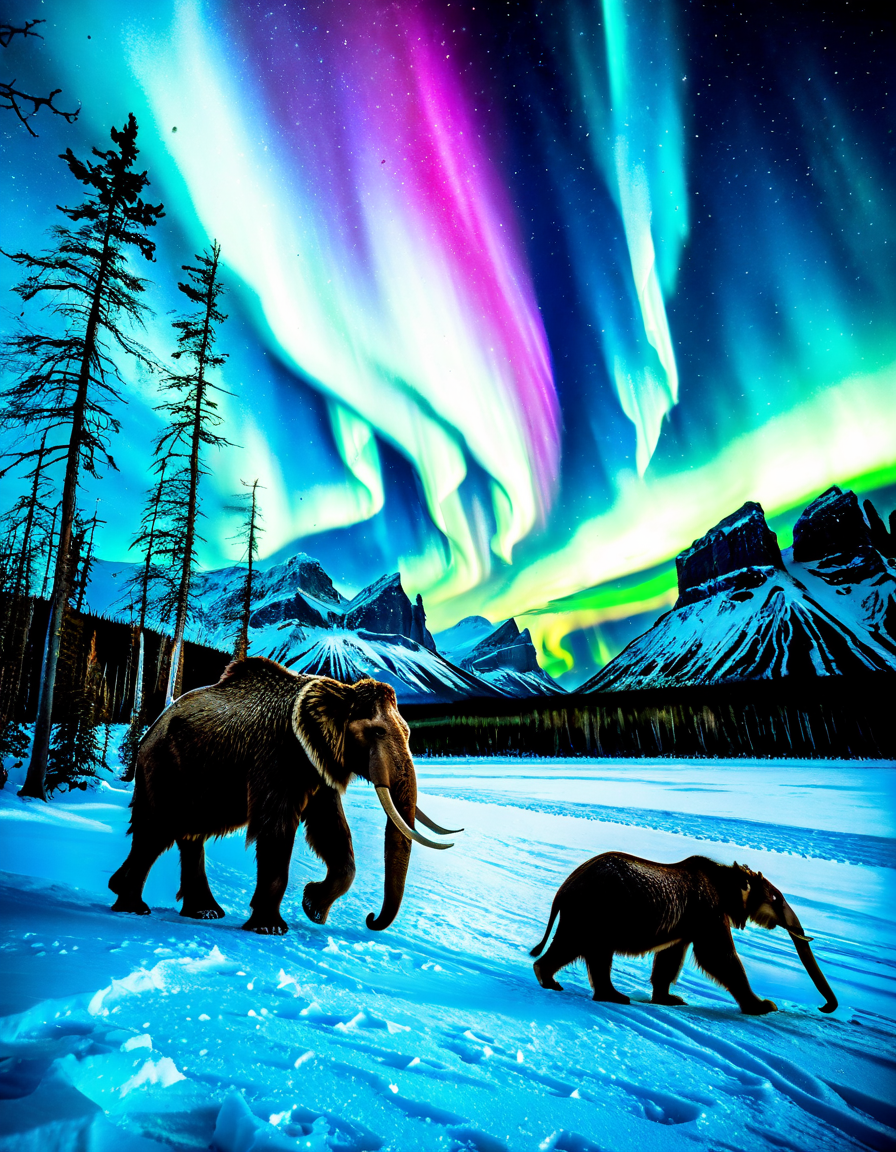
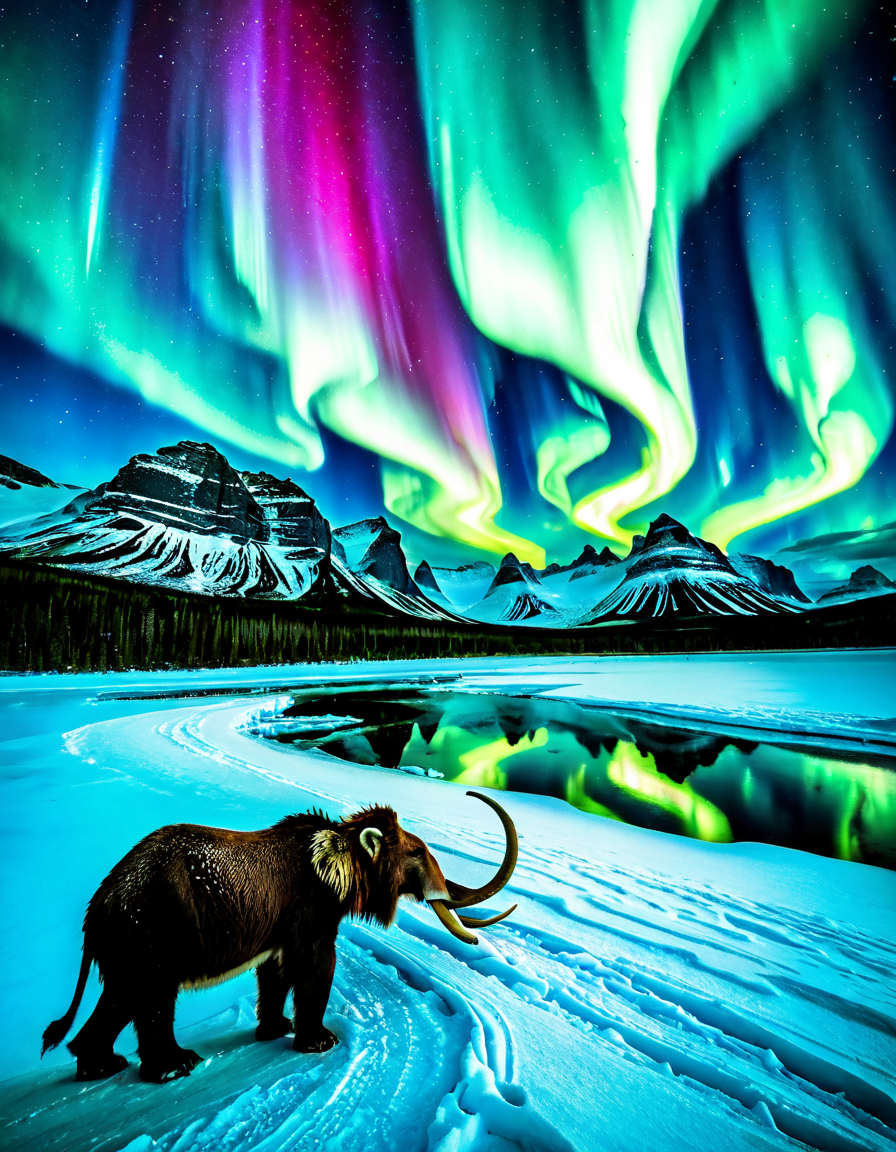
Ever heard of a woolly mammoth or a saber-toothed cat? They roamed the Ice Age, flaunting their fabulous furs and fierce teeth! But darling, the extinction of these megafauna, likely due to climatic shifts and our human hunting antics, reshaped entire ecosystems. Their departure echoed through nature, leaving gaps that changed our environmental wardrobes.
The loss of these magnificent creatures conjures a sense of sorrow, doesn’t it? Their extinction altered ecological frameworks, sending ripples throughout the biosphere. It reminds us of the importance of preserving what we have—be it pristine fashion or precious wildlife. So, while we parade our styles, let’s not forget our responsibility to protect diversity in nature.
4. How Ice Age Can Quench Modern Water Crises
Drumroll, please! The Ice Age did something so fabulous it should be commemorated with its own runway show—the creation of extensive aquifers. Yes, my darling, those ancient glaciers left behind treasures, like the Ogallala Aquifer, nestled beneath eight states in the U.S. This icy legacy continues to supply fresh water to millions, addressing modern water crises with a touch of elegance.
As global populations burgeon, the need for sustainable water management is becoming a catwalk issue. Understanding this connection between Ice Age relics and our current water needs is paramount— it’s not just glamorous but essential. The Ice Age whispers lessons to us about resource management and conservation that are ready to be put into practice!
5. Climate Lessons from the Ice Age: Warnings for the Future
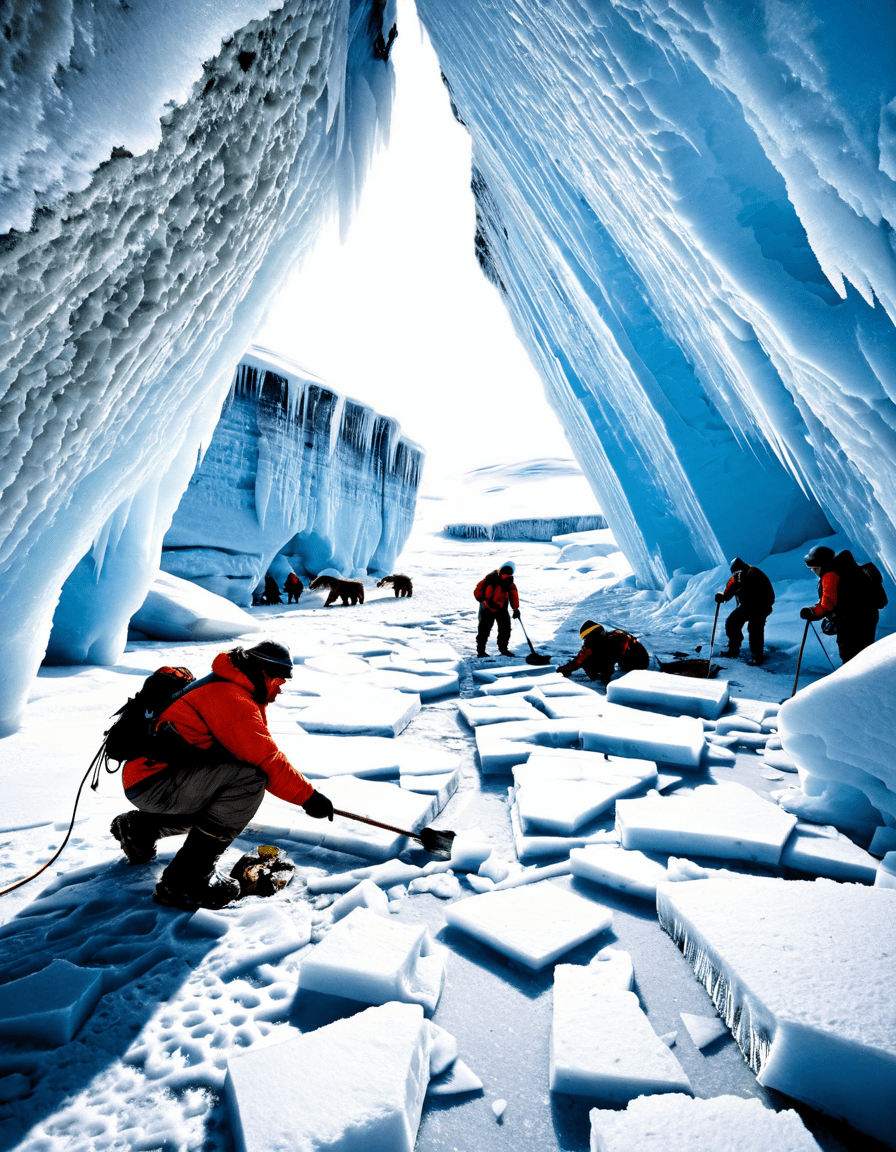
Love it or hate it, climate change is strutting its stuff in our lives right now. The Ice Age serves as the ultimate instructor in climate lessons. Scientists delve into ice core data from Greenland and Antarctica, extracting past atmospheric conditions and greenhouse gas concentrations akin to plucking the most delicious fruits off a tree.
These insights reveal how rapidly our climate is changing and lay bare the urgency with which we must act. Climate change isn’t just a buzzword; it’s a screaming call to arms for addressing anthropogenic impacts and protecting global biodiversity. The Ice Age stands as a distinguished mentor, teaching us valuable lessons as we navigate these treacherous waters.
The Ripple Effects of the Ice Age on Modern Geopolitics
Fast forward to the present, my fashionable friends. The Ice Age casts long shadows over today’s geopolitical landscape. Regions once halted in glacial embrace now find themselves under the heating pressures of climate change. Take the Arctic, where nations hustle over resources hidden beneath thawing permafrost—oil and minerals are certainly the new black!
Moreover, indigenous peoples in these areas grapple with environmental threats that put their ancestral lands and ways of life at risk. The conversations about climate justice and sovereignty are more relevant than ever, drawing lines that cross political, social, and environmental fabrics. Just as fashion transcends borders, so do the impacts of the Ice Age, reminding us of our interconnectedness and the responsibility we bear.
A New Understanding of Our Planet’s Past
As we sift through the luscious layers of Ice Age secrets, we unveil a stunning tableau of connections between geological transformations, climatic transitions, and the evolution of life as we strut into the future. In a time when climate and biodiversity challenges loom large, the Ice Age’s saga provides us critical insights to craft resilience in both natural systems and human societies.
Let’s embrace what our icy ancestors have to teach us, darlings! By learning from these historical whispers, we can beautifully honor our planet’s rich legacy while safeguarding its future. So, the next time you take a sip from Lake Michigan or gaze wistfully at the horizon, remember: you carry the echoes of the Ice Age within you. And let’s make those echoes a fashion statement for our planet!
Ice Age Secrets That Shaped Our Planet’s History
A Glimpse into the Ice Age
The Ice Age wasn’t just a chilly period; it was a dynamic time that played a significant role in shaping our planet as we know it. While woolly mammoths and saber-toothed tigers roamed the Earth, majestic glaciers covered large areas, dramatically altering landscapes. Interestingly, the Ice Age began around 2.4 million years ago and extended until about 11,700 years ago. These freezing conditions could be credited for creating some of our most breathtaking natural wonders, like the Great Lakes and even the Alps! Far from just being a backdrop, the Ice Age actively influenced our ancestors who adapted to survive the cold climes. Think about it: life during that time was so tough, it’s no wonder strong characters emerged, akin to those found in Cowboy Bebop Characters.
Megafauna and Humanity’s Rise
During the Ice Age, enormous creatures known as megafauna roamed the lands alongside early humans. These giants, such as the woolly mammoth and the mega sloth, served as both danger and opportunity for Paleolithic people. Fascinatingly, some scientists believe that hunting these massive beasts helped spur human innovation and societal development. So, if you’ve ever wondered what would happen if early humans took on a woolly mammoth in a face-off, it might just be the stuff of legends, like the tales spun in Baywatch. As humans evolved, climate changes marked the end of these colossal creatures. Can you imagine the hustle and bustle around a screen door replacement shop back then, as people crafted tools for survival?
The Legacy of the Ice Age
The impacts of the Ice Age are still evident in today’s world. Changes in sea levels, vegetation zones, and migration patterns can all trace their roots back to this epoch. Glacial formations and even soil compositions evolved due to these icy giants’ movements. The aftermath left behind a treasure trove of resources, influencing agriculture and urban developments across ages. Just like the journey of K2, with its training and perseverance, the Ice Age transformed humanity. If we’ve learned anything, it’s that the harshest winters can lead to the sunniest days ahead. The research on this era still draws attention, much like the curiosity surrounding Mike Tyson’s age and how has he remained relevant today. So as we look back, we can appreciate how this ancient period continues to shape our lives in unexpected ways.