With Margaret Atwood’s “The Handmaid’s Tale” recently gaining renewed attention, it’s impossible to ignore its haunting reflection of society in 2026. This tale of oppression, autonomy, and feminism has become more than just a compelling read; it is a grim mirror reflecting the unsettling currents of our own world. From reproductive rights to the aesthetics of resistance, today’s society bears disconcerting similarities to Atwood’s Gilead. Let’s step boldly into this dystopian drama, shall we?
7 Disturbing Parallels Between The Handmaids Tale and Current Societal Trends
This article delves deeply into seven alarming parallels between “The Handmaid’s Tale” and contemporary society, shedding light on crucial issues that beckon our attention.
1. Erosion of Reproductive Rights
We’ve witnessed fervent legal battles over reproductive rights across various states in the U.S. As if taken straight from the pages of “The Handmaid’s Tale,” some states have enacted fiercely restrictive abortion laws. For example, laws in Texas and Oklahoma have effectively diminished access to essential reproductive healthcare, leading to nationwide protests reminiscent of the series’ resistance movements. The ongoing debates concerning restrictions on abortion pills exemplify how far we’ve strayed—and it’s unsettling, to say the least.
2. Surveillance as a Normalized Practice
In our modern age, surveillance feels like part of our daily lives and not in a friendly way. From government monitoring to corporate tracking, our every move often falls under scrutiny. Companies like Clearview AI raise eyebrows with their invasive facial recognition technology, echoing the all-seeing Eyes of Gilead. With devices recording our every action, the fine line between safety and intrusion becomes alarmingly blurred. As we go about our lives, the implications of losing our anonymity seem to linger just like the dread of a dystopian narrative.
3. The Language of Control
Ah, language! A powerful tool both in creation and destruction. Just as the oppressive regime in “The Handmaid’s Tale” manipulates language to limit women’s identities, contemporary discourse often employs euphemisms to shift narratives. Take the political phrase “family values,” which can mask underlying policies suppressing women’s rights. When language distorts reality, it echoes the dehumanizing rhetoric of Atwood’s universe, showing us how voice control can lead to societal submission.
4. The Rise of Religious Extremism
Globally, religious fundamentalism seems to be morphing into a pervasive political force—strikingly similar to Gilead’s draconian tribulations. Countries like Hungary and Poland showcase religiously influenced laws that threaten to curtail women’s rights, inviting fears of a return to repressive governance. It raises the hair on the back of my neck when I consider how the secular principles of democracy are slowly losing ground amidst these fervent beliefs, akin to Atwood’s warning.
5. Anti-Feminist Movements Gaining Traction
Over the past few years, anti-feminist sentiments have resurfaced, loud and proud. From grassroots efforts to major organizations, such as the Family Research Council, we see a blatant push toward enforcing traditional gender roles. This resurgence mirrors the oppressive barriers women faced in “The Handmaid’s Tale,” where autonomy is sacrificed at the altar of false values. As discussions twist into debates around women’s rights, we must be vigilant not to let progress slip back into shadows.
6. The Phenomenon of ‘Handmaid’ Aesthetics
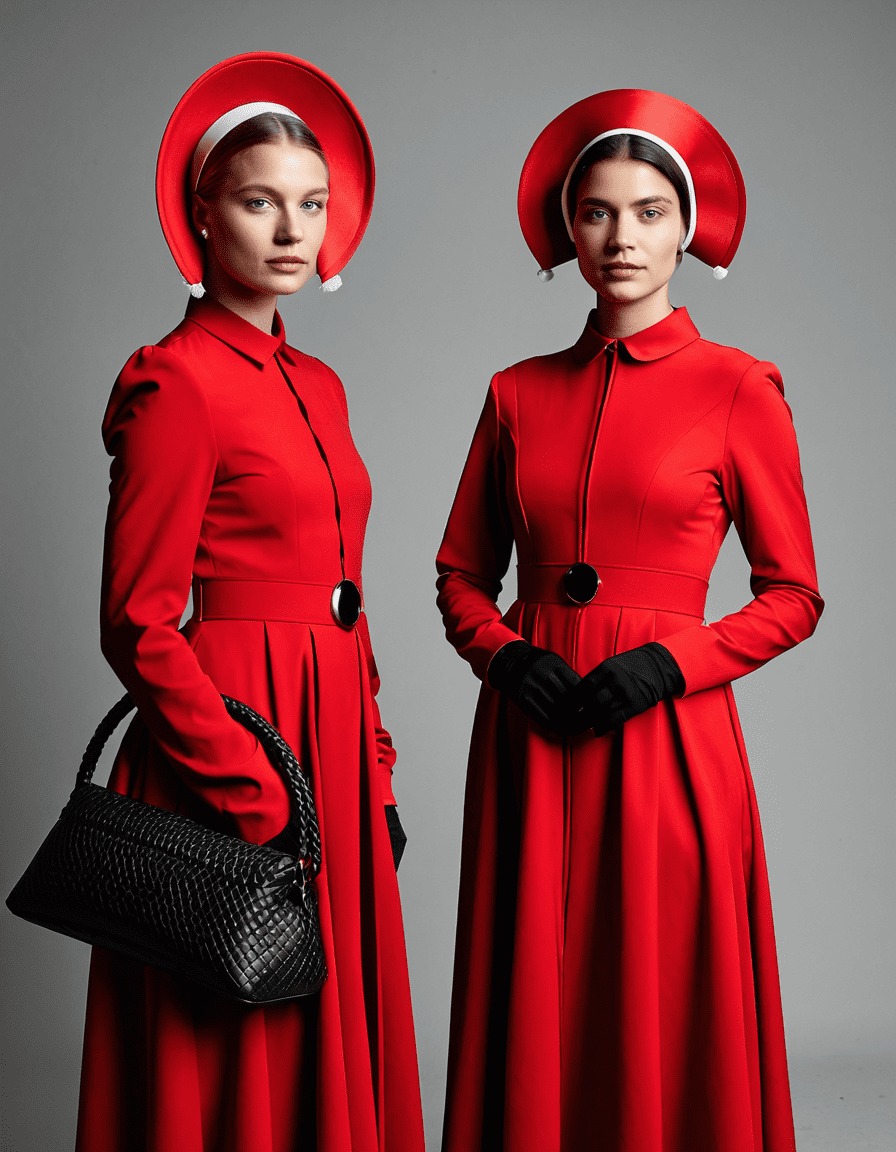
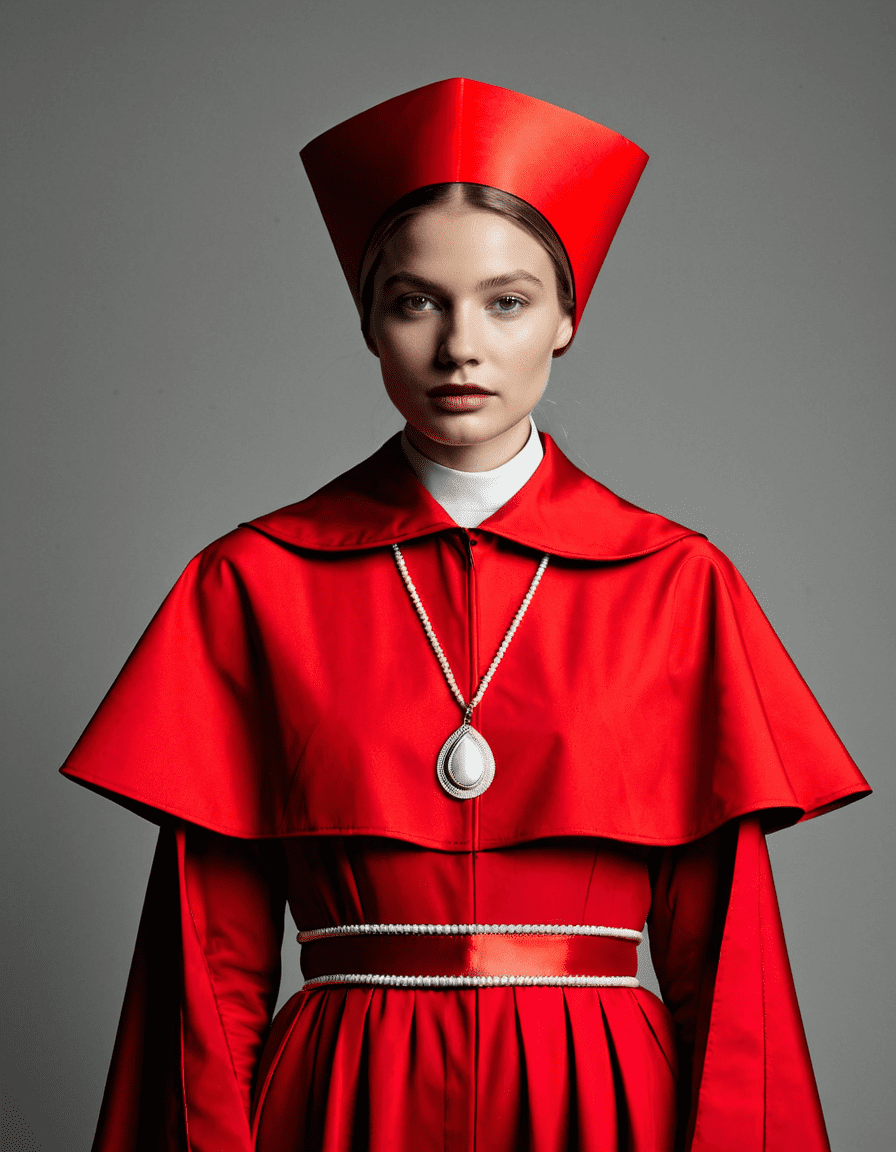
Isn’t it fascinating how fashion can serve as powerful protest? The striking red robes and white bonnets, sported by activists echoing “The Handmaid’s Tale,” have become signatures of resistance in protests. Brands like Zara have even dipped into this aesthetic, demonstrating how style can reflect societal discord. These fashion statements are not just fabric; they’re bold reminders that the fight against oppression is ongoing and has a contemporary relevance that is all too real.
7. Digital Disenfranchisement and the Gender Divide
The gender tech gap remains a pervasive issue, especially for women in less economically developed areas. Reports indicate that women are less likely to access vital technology, exacerbating existing disparities and echoing fears of a modern-day Handmaid’s existence. The digital divide allows marginalization to continue, stifling women’s voices and leaving them vulnerable—much like the women of Gilead who had their autonomy stripped away.
The Role of Literature and Media in Shaping Our Perspective
As “The Handmaid’s Tale” keeps the global spotlight steady, its adaptability in today’s socio-political arena highlights its importance. As we analyze current policies and attitudes, the series invites deeper discussions about female empowerment and autonomy. Documentaries and podcasts have thrust Atwood’s work into contemporary culture, ensuring its lessons resonate well beyond the page or screen, sparking lively debates in parlors and coffeehouses alike.
Challenging the Echoes of Dystopia: A Call to Action
In light of these disconcerting correspondences between “The Handmaid’s Tale” and today’s real-world issues, we must confront the necessary vigilance to protect our rights and freedoms. With potential backsliding into authoritarianism everywhere, it’s incumbent on us to promote women’s rights and resist oppressive structures. We can’t afford to stand idly by.
As a final note, fiction serves both as a forewarning and a catalyst for action. Let Atwood’s harrowing narrative galvanize us toward the collective action necessary to ensure our autonomy endures, and that our future remains resolutely free—keeping the nightmarish echoes of Gilead firmly within the filter of our imagination.
In this climate, where the will of the few threatens the rights of the many, it’s time we take up the banner and march forward into a future where autonomy, respect, and equality reign, allowing our dystopic dreams to remain firmly within the fictional world.
In the wise words of a certain Ryan seacrest: “This is the moment! Let’s make this moment count!
Handmaids Tale: Unraveling Its Dystopian Reality Today
The Inspiration Behind The Handmaids Tale
Did you know “The Handmaid’s Tale” wasn’t just born out of a fanciful imagination? Margaret Atwood drew inspiration from real historical events and societal structures. This connection is evident when you realize that themes in the book resonate with our current social climate, prompting discussions about rights and freedoms. It’s almost daunting to think how closely some aspects align with today’s events, like the ongoing conversations surrounding women’s rights. It makes you think, right? Just like in the thrilling I Expect You To Die, where survival is key, Atwood’s narrative confronts readers with their own survival in a world that may take their rights away.
From a pop culture perspective, did you know Marcia Strassman, who played an influential role in the classic series “Welcome Back, Kotter, also faced the realities of female representation in Hollywood? Her story serves as a reminder of how women have fought for roles that reflect their strength and resilience, just like the handmaids in Atwood’s chilling tale. And speaking of historical narratives with depth, have you heard of the Queen Of Tears? The concept explores powerful female figures in literature, creating layers to our understanding of characters like Offred.
Music as a Reflection of Dystopia
What’s interesting is how music reflects cultural upheavals, and Creedence Clearwater revival did just that in the ‘60s and ‘70s. Their songs often mirrored societal struggles, much like the themes in “The Handmaid’s Tale. As you’re reading, it’s easy to let the haunting melodies of the time filter through your thoughts, connecting the emotions of despair and hope present in both the music and the text. This serves as a reminder that music and literature often work hand in hand to express the complexities of life, often in a macabre but thought-provoking manner, similar to how Atwood portrays her chilling world.
Furthermore, “The Handmaid’s Tale” illustrates various personality types under stressful conditions, like the INFJ-T personality, often depicted through Offred’s introspective journey. This personality type is known for their idealism and strong moral foundations, which are vividly brought to life in her struggles. In comparison, one might explore dynamics in the fresh cast of “We Live In Time” that uncovers similar themes of identity and conflict. Each narrative shines a light on the very human experiences that bind us. So as you dive into Atwood’s universe, remember the same societal struggles echo through different stories across media.
In the end, “The Handmaid’s Tale” serves as more than just fiction; it’s a reminder of the battle for rights and representation—a mission that feels like one worthy of a thrilling “Mission: Impossible” movie. The stakes are as high as ever, and as Atwood masterfully unravels her dystopian fabric, we’re left to confront whether its lessons resonate within our own realities today.