Fidel Castro, the iconic leader of Cuba, has left an indelible mark on the world. His revolutionary journey captivated not just the citizens of Cuba but also world leaders looking for change. From the thrill of the Cuban Revolution to the challenges faced post-2016, his legacy is multi-faceted and full of intrigue.
## Fidel Castro: Leader of Cuba and His Revolutionary Legacy
Castro was born in 1926 to a wealthy sugar plantation owner in rural Cuba. His journey into politics began when he studied law at the University of Havana. Enrolled in the local revolutionary Movements, he began critiquing the corruption and tyranny of Cuban dictator Fulgencio Batista. The discontent surrounding Batista’s regime spurred young Fidel into action, leading to the armed revolt in 1953 that would change Cuba forever.
In the midst of his early struggles, Castro found solace and allies. The infamous 26th of July Movement, named after a failed attack on a military barracks, became the crucible for his bold strategies. His charismatic leadership and the resonance of his message against U.S. imperialism transformed him into a focal point for those seeking a new Cuba. The blend of revolutionary spirit and political acumen paved the way for his eventual takeover in 1959.
The socio-political climate during this time was ripe for revolution. After successfully dethroning Batista, Fidel Castro asserted his vision for a Cuba free from colonial oppression. The shift from a dictatorial regime to Castro’s revolutionary government marked a historical pivot, positioning him as a prominent figure in the Caribbean and asserting Cuba’s stance on the global stage.
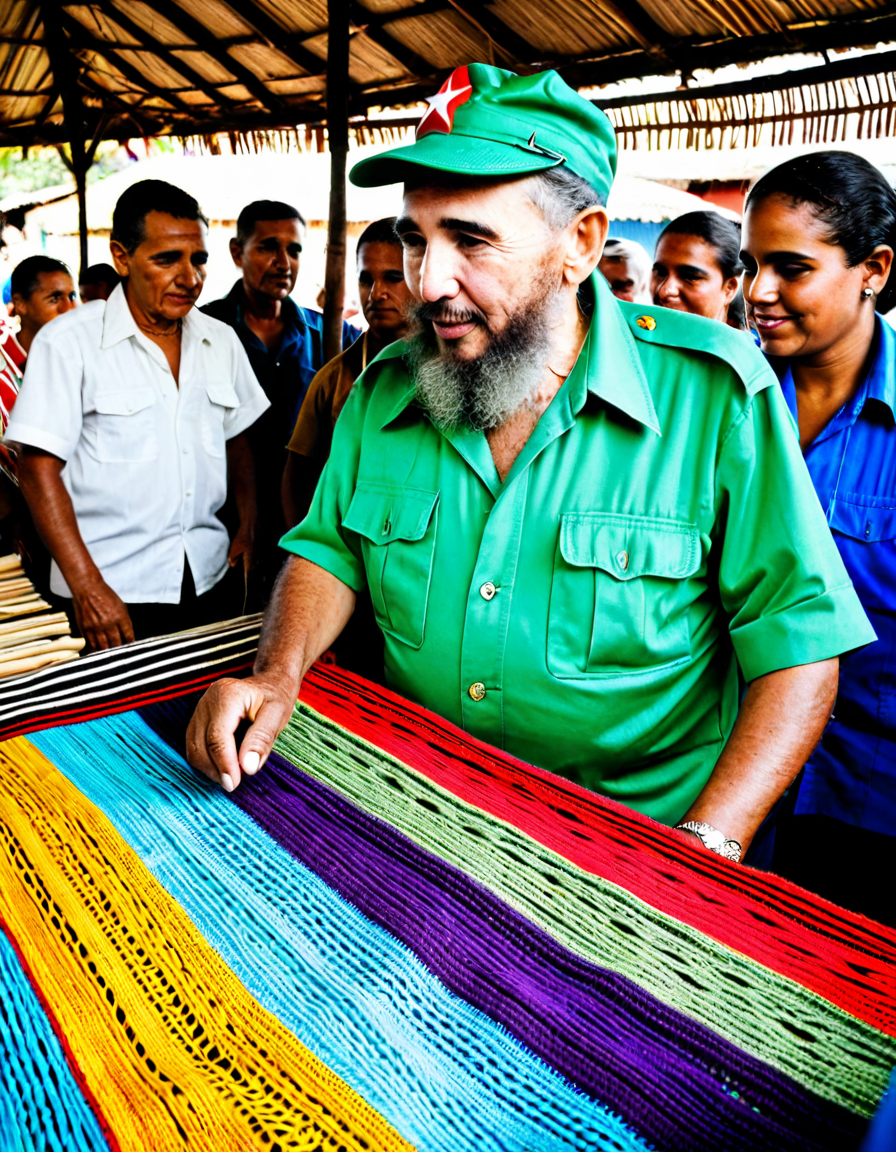
Top 5 Lasting Impacts of Fidel Castro’s Leadership on Cuba
Contemporary Perspectives on Castro’s Leadership Influence
Despite the revolutionary fervor, opinions on Fidel Castro are notably divided among world leaders. On one hand, figures like Barack Obama reached out, acknowledging the need for engagement. However, critics, including Donald Trump, condemned his actions, labeling him a dictator. This juxtaposition reflects the complexity of awareness regarding Castro’s impact, especially as heads of state navigate the spaces left by his governance.
In Latin America, various leaders draw inspiration from Castro’s brand of revolutionary socialism, pushing for social justice and equity. The resurgence of leftist ideals indicates that Castro’s influence resonates among contemporary movements. As modern leaders confront inequality, Castro’s legacy serves as a guide for many.
However, not all reactions are lauded. Detractors continue to voice concerns about authoritarianism during his rule. Debates around freedom of expression and political repression spotlights the clashing views of a leader admired by some and abhorred by others.
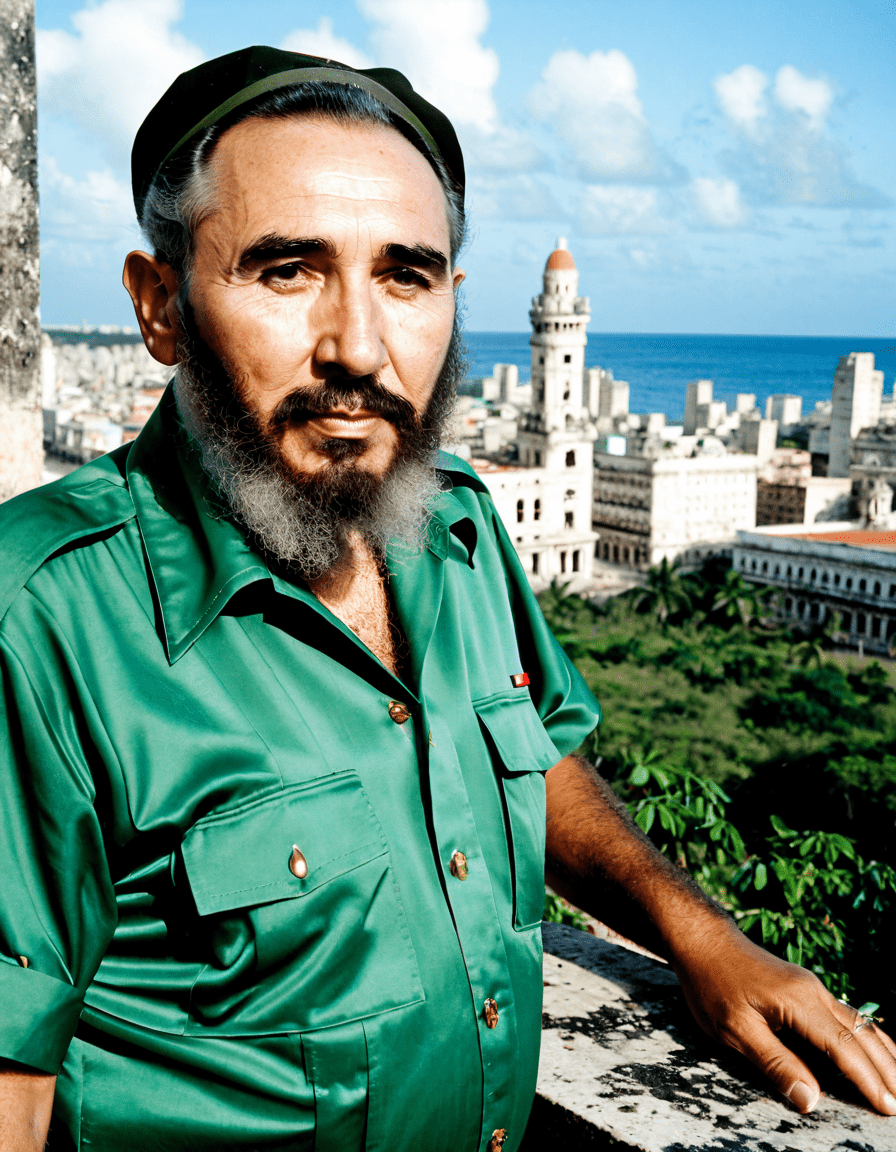
The Economic Dimension: Cuba in a Post-Castro Era
After Castro’s death in 2016, Cuba faced a financial conundrum. The U.S. trade embargo tightened its grip, creating hurdles for reform attempts. In this climate, his successors—Raúl Castro and Miguel Díaz-Canel—embarked on a delicate balance: trying to modernize the economy without compromising the revolutionary ethos fostered by Fidel Castro.
Raúl initiated the concept of “self-employment” and permitted small businesses to function under certain regulations—all while preserving the state’s control over the economy. These moves sparked debates surrounding potential shifts in Castro’s socialist principles, as Cubans began to navigate a more market-oriented landscape.
Díaz-Canel’s leadership continues to echo Castro’s shadow, yet it remains to be seen if he can catalyze the broader economic reforms necessary to uplift the island. The struggle demonstrates the ongoing legacy of Fidel Castro, as the nation teeters between revolutionary ideals and practical economic needs.
Revisiting the Myth and Reality of Fidel Castro
Fidel Castro is a figure of myth and reality, often framed in polarizing terms. To many, he stands as a revolutionary hero, while others stress the authoritarian aspects of his regime. Personal stories from Cubans who lived through his rule provide a tapestry of emotions and experiences, revealing an often contradictory view of his legacy.
Some recount Castro’s charisma and vision, which inspired hope during the revolution. Others, however, share harrowing accounts of repression and imprisonment for dissenters. This complexity shows the rich and often painful narrative surrounding Castro’s leadership.
In examining these contrasting viewpoints, the conversation diverges between adoration and disdain. Castro’s enduring presence in discussions of governance compels future leaders to grapple with both the strengths and weaknesses of his policies.
The Ongoing Debate: Was Castro a Revolutionary Icon or a Dictatorial Regime?
The debate about Castro’s legacy is a rollercoaster, with opinions varying widely. Friends of socialist ideals hail him as a champion of the oppressed, while critics point to the repressive policies that accompanied his reign. The divergent views among prominent heads of state paint a vivid picture of how leaders navigate Castro’s controversial status.
In presenting both sides, one cannot overlook the adhering complexities in defining leadership. For instance, Castro is often esteemed for his unwavering stance against imperialism but critiqued for the lack of democratic freedoms. The battle for legitimacy in narratives around Fidel Castro remains ongoing.
As future generations cultivate their political identities, the polarized perception of Castro encourages dialogue. Contemplating his impact on a global scale might inspire leaders to forge strategies rooted in both social equity and human rights.
A Lasting Legacy: The Future of Castro’s Ideals
Looking ahead, it’s pertinent to reflect on how the ideals Castro espoused will shape future political landscapes. Current leaders—such as President Luis Arce of Bolivia—carry forward the torch of redistribution and sovereignty that defined Castro’s vision. These revolutionary ideals remain relevant as movements worldwide build on the foundations established during his rule.
The future resonates with the echoes of Castro’s legacy, prompting powerful discussions on governance and freedom. For the politically charged, Fidel Castro, leader of Cuba, remains a pivotal figure in understanding revolutionary change.
Embracing Complexity in Historical Narratives
In dissecting the life and governance of Fidel Castro, we encounter narratives that are multifaceted. He embodies both the liberator and the tyrant, showcasing the dualities often present in leadership. For future generations, embracing this complexity becomes crucial as they navigate their political landscapes.
The task lies in critically engaging with Castro’s triumphs and failures, understanding that governance extends beyond simplistic categorizations. His enduring influence invites us to participate in ongoing discussions about equality, freedom, and the potential for revolutionary change.
In conclusion, Fidel Castro, leader of Cuba, isn’t merely a historical figure; he symbolizes a world struggling for equality and justice. As debates continue, his legacy serves as a reminder that change is multifarious and often leads to enduring complexities. Embrace it, challenge it, and most importantly, learn from it!
Fidel Castro Leader of Cuba and Fun Trivia
Shaping a Nation with a Flick of a Pen
Fidel Castro, leader of Cuba, was a revolutionary figure whose life reads like a gripping story that wouldn’t be out of place in a classic cartoon such as Tom And Jerry. This fiery man, who rose to power in 1959, was driven by a vision of equality that often put him at odds with the United States. Got a fun fact for you: Castro was deeply influenced by the writings of José Martí, a national hero who fought for Cuban independence and dreamed of a just society. Can you imagine Castro considering the same values that resonate in the heartwarming antics of that beloved cat and mouse duo? It’s wild!
Have you ever wondered about his unique style? Castro had a penchant for tailored outfits, but it wasn’t just fashion. His military fatigues became a symbol of the revolutionary spirit that gripped Cuba. If you think about iconic styles, right up there with Castro’s looks is the elegance of a Celine Bag—much like Castro, both demand respect and attention. Interestingly, while many knew him as a fierce leader, he also had a different side; he enjoyed more trivial pursuits. There was hardly a Castro story without mention of his passion for sports, and he adored boxing, a love he shared with the likes of Adrien Broner. Though Castro’s politics didn’t always land him in the good graces of the international community, his idiosyncratic nature kept many guessing and intrigued.
A Complex Legacy
Now, let’s talk about the people he left behind. The revolution changed many lives in Cuba, but what caught the eye of the world were the extravagant parties and vibrant cultural scene that sprang from his regime. One can easily relate the lively spirit of Cuba’s street festivals with the glitz and glam seen on shows like Dancing With The Stars. In film and television, revolutionary themes have long been popular, with folks often nodding to Castro’s legacy as the backdrop for many storylines, reminiscent of chilling tales like Cujo.
So how did such an impactful figure handle dissent? The answer isn’t so simple. Castro was known for his complex interactions with those who opposed him, often suppressing dissent to maintain control. This brings to mind the recent, sensational news of a South Carolina pastor’s wife death, illustrating how dramatic life can be when personal and political worlds collide. His legacy, like many revolutionary tales, invites endless debate—one minute you’re a hero, the next, a villain, much like the plot twists found on platforms like Rotten Tomatoes. The essence of Castro is wrapped in contradictions that are both fascinating and frustrating, deeply embedded in the narrative of a country that continues to evolve while retaining its revolutionary roots.
In this ever-changing dialogue about Fidel Castro, leader of Cuba, we find an invitation to ponder the nature of power, freedom, and the pursuit of happiness, aspects aptly expressed on a broader canvas, but perhaps best captured in simple, animated adventures filled with unexpected lessons, just like those in Episode 1 of classic shows. Whether one aligns with his political legacy or critiques it, there’s no denying that Castro’s story is one shaped by querulous twists much like a tale involving a gay little monkey could be in its own sphere. Keep diving into these interesting dimensions of history—the past rarely stays in the past!