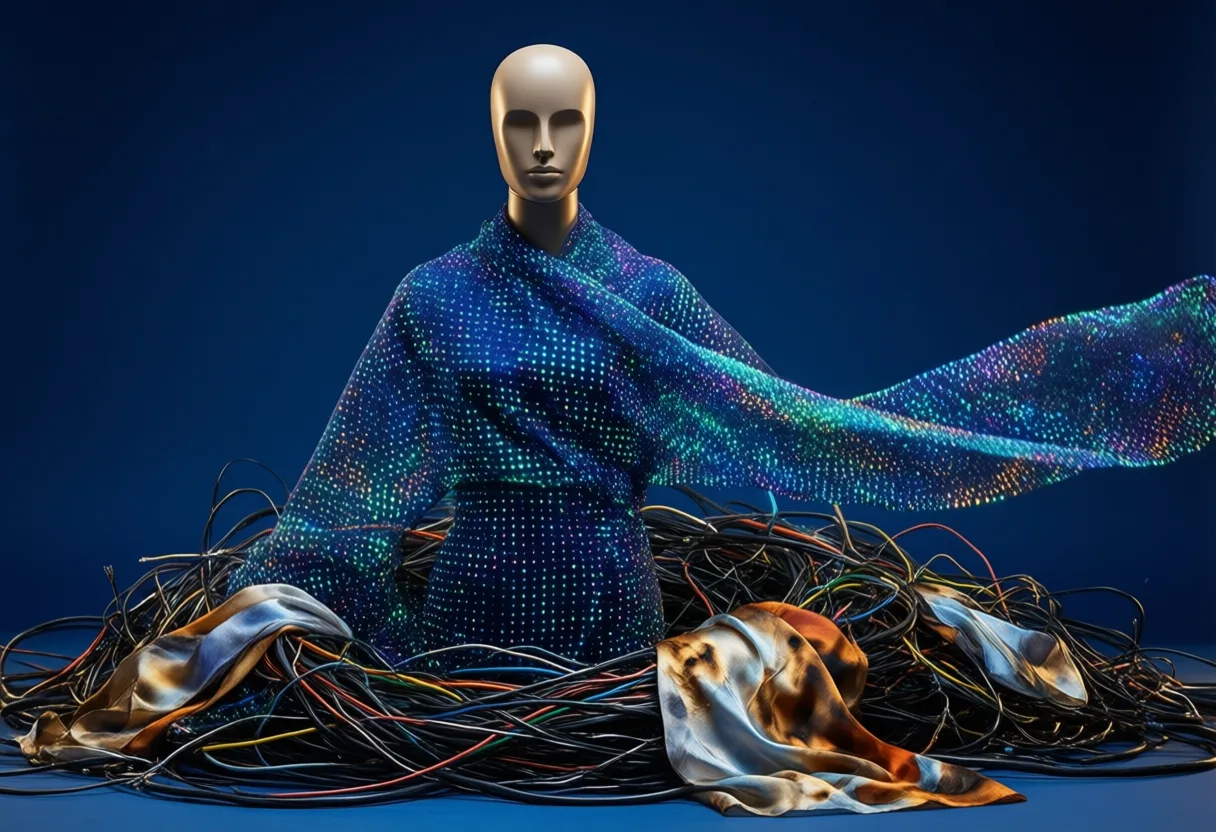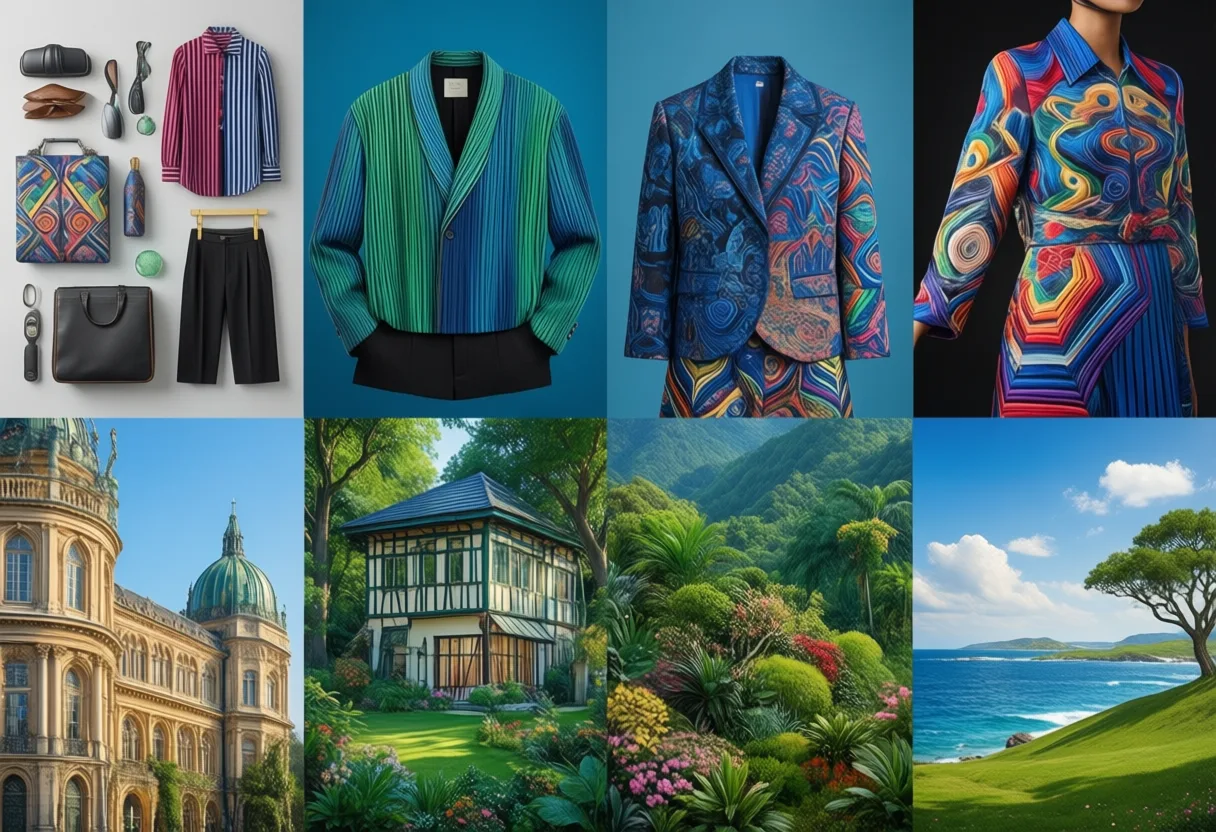

The runway no longer ends at the edge of a Parisian catwalk-it spills into landfills, lingers in carbon emissions, and settles in the conscience of a generation demanding more from their wardrobe than fleeting glamour. In 2024, Style Is no longer measured by how quickly it changes, but by how long it endures-ethically, emotionally, and environmentally.
What Even Counts as Sustainable Style Today?
Sustainability in fashion has evolved from a whisper of idealism into a full-throated demand, echoing through design studios and department stores alike. It is no longer enough for a garment to merely Look Good-it must Do Good, or at the very least, Not Harm. This shift has redefined what we mean by “Sustainable style,” transforming it from a vague nod to eco-consciousness into a complex, evolving standard that weighs materials, labor, longevity, and legacy in equal measure.
True sustainability considers the entire lifecycle of a garment, from the soil where fibers are grown to the hands that stitch seams and the homes where pieces are eventually stored-or discarded. It questions not only what a dress is made of, but who made it, under what conditions, and how many times it will be worn before it meets its end. The most thoughtful pieces today are those conceived not as seasonal novelties, but as enduring players in a Personal style Narrative.
Today’s eco-conscious consumer understands that sustainability is not a label, but a lens-one that refracts ethics, aesthetics, and accountability into a single, shimmering beam.
- It values durability over disposability.
- It prizes intention over impulse.
- It rewards brands that act, not just advertise.
And while perfection remains elusive, progress is no longer optional-it is the new standard of elegance.
Beyond Organic Cotton: Materials Reimagined
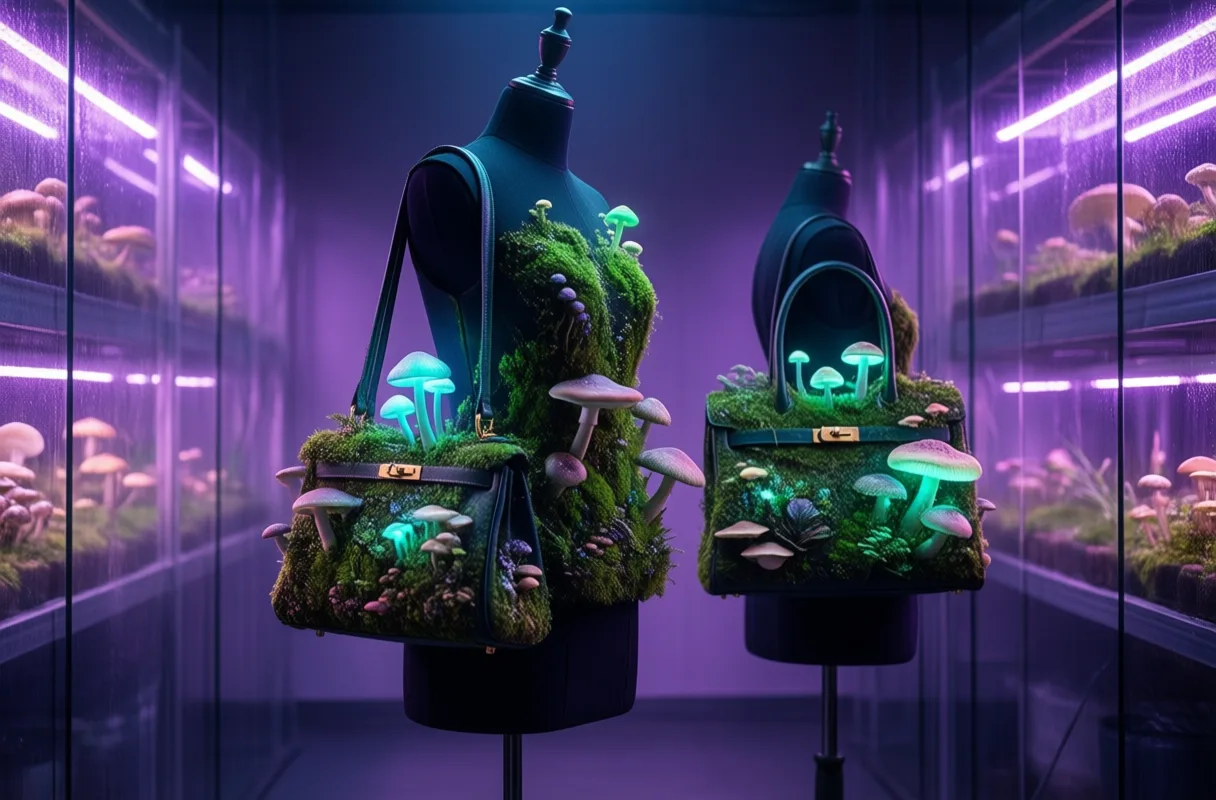
Organic cotton, once the poster child of green fashion, now shares the stage with a new generation of materials that challenge the very idea of what fabric can be. Designers are turning to Innovative textiles Derived from unexpected sources-mushroom mycelium, fermented microbes, and even reclaimed ocean plastic-each offering a glimpse into a future where fashion feeds the earth instead of draining it.
These materials are not just novelties; they are responses to urgent ecological realities. A mushroom-based leather alternative, for instance, grows in days, requires no tanning, and decomposes harmlessly-unlike its bovine counterpart, which can take years to produce and centuries to break down. Similarly, Fabrics spun From recycled textiles are proving that waste, too, can be woven into something beautiful and functional.
Yet innovation alone is not salvation. The true test lies in scalability, accessibility, and environmental trade-offs. Some new materials require vast amounts of energy to produce, while others struggle to meet the demands of mass manufacturing. The most promising developments are those that balance radical creativity with practical responsibility-materials that don’t just Replace The old, but Reimagine The entire system.
The Myth of the “Perfectly Green” Garment
There is a seductive fantasy in fashion: the idea of a single, flawless garment-ethically made, endlessly wearable, and completely carbon-neutral. But this ideal is a mirage, shimmering just beyond reach. No piece of clothing exists without some footprint, some compromise, some hidden cost.
Even the most thoughtfully crafted item carries the weight of its origins-the water used in dyeing, the fuel burned in shipping, the energy consumed in production. To claim otherwise is not idealism, but illusion. The pursuit of perfection often distracts from the more meaningful work of progress: reducing harm, increasing transparency, and designing with humility.
Sustainability, then, is not a destination but a direction-a continual recalibration of values, choices, and consequences. The most honest brands today are those that acknowledge their imperfections, measure their impact, and commit to doing better, season after season. And the most empowered consumers are those who understand that no single purchase can save the planet-but every choice shapes its future.

Can Fashion Really Circulate Without Waste?
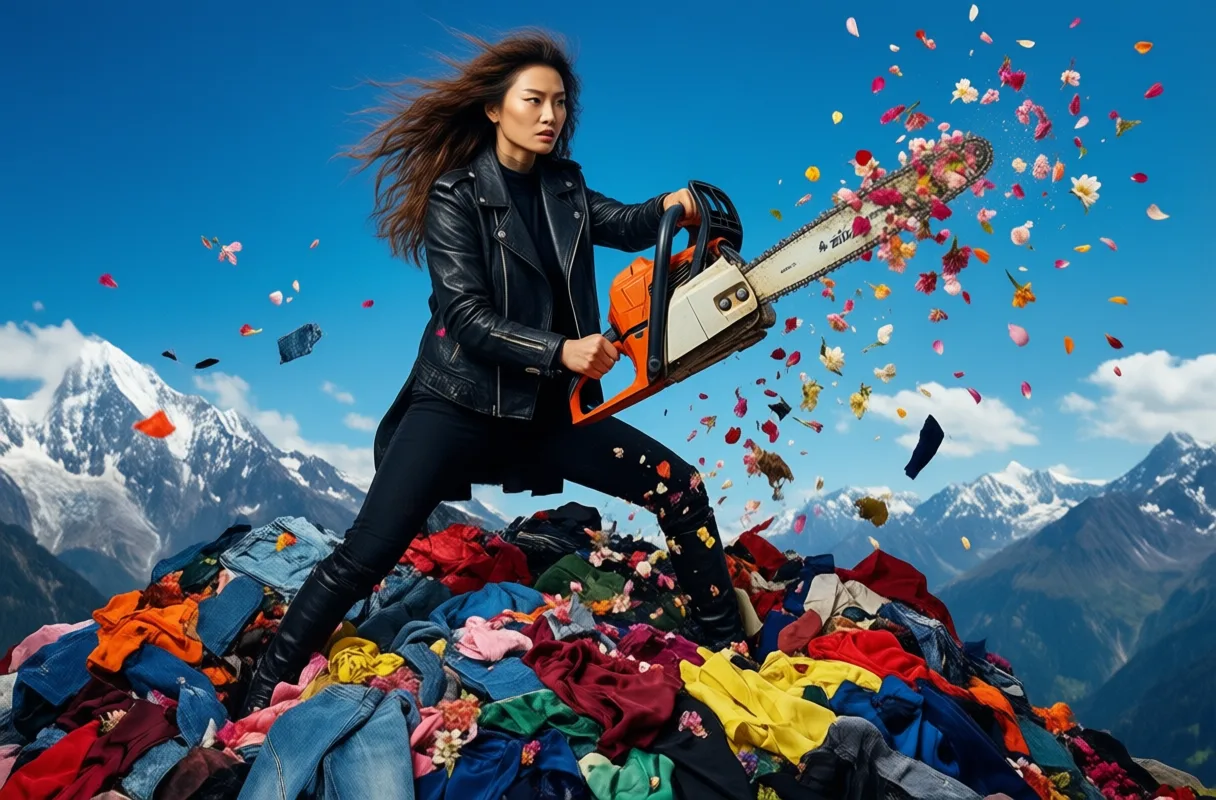
The fashion industry produces over 90 million tons of textile waste annually, a staggering figure that underscores the urgency of reimagining how clothes move through our lives. The dream of a circular fashion system-one where garments are reused, renewed, and reborn-has never been more vital, nor more elusive.
At its core, circularity demands a radical shift: clothes must be designed not for obsolescence, but for continuity. This means garments that can be easily repaired, repurposed, or returned to the earth without leaving scars. It means systems that keep textiles in use, not in landfills. And it means a cultural shift-one that values care over consumption, and renewal over novelty.
The stakes are high, but so is the potential. A truly circular model could transform fashion from one of the planet’s heaviest polluters into a force for regeneration. But it will require more than goodwill-it will require infrastructure, investment, and imagination.
Rental and Resale: From Niche to Necessity
Once dismissed as fringe experiments, rental and resale platforms have surged into the mainstream, offering stylish consumers a way to refresh their wardrobes without deepening their environmental footprint. What began as a pandemic-era curiosity has become a full-blown movement, fueled by both economic pragmatism and ecological awareness.
Rental services allow users to wear designer pieces for special occasions without the long-term commitment-or cost-of ownership. Meanwhile, resale marketplaces empower individuals to buy and sell pre-owned clothing, extending the life of garments and reducing demand for new production. Both models challenge the notion that new is always better.
This shift is not just practical-it is cultural.
- It celebrates individuality over uniformity.
- It rewards curation over accumulation.
- It turns closets into dynamic archives, not static storage.
And as more luxury brands embrace resale partnerships, the stigma of secondhand fashion continues to dissolve, replaced by a new kind of status: the status of stewardship.
Designing for Disassembly and Renewal
The future of sustainable fashion may lie not in what we wear, but in how garments are built. A growing number of designers are embracing Design for disassembly-a philosophy that treats clothing as a temporary assembly of parts, each meant to be separated, repaired, or recycled at the end of its life.
Imagine a jacket with seams that unzip cleanly, buttons that pop off without damage, and linings that detach for independent composting. This is not science fiction-it is emerging reality, driven by brands that understand that durability and recyclability are not opposites, but allies. When clothes are designed to be taken apart, they become part of a larger ecosystem of reuse.
This approach demands a rethinking of craftsmanship, materials, and even aesthetics. It favors modularity over monoliths, simplicity over spectacle. And while it may not produce the most dramatic runway moments, it creates the most lasting impact-one stitch, one season, one thoughtful decision at a time.
Who Holds Power in the Eco Fashion Ecosystem?
The green revolution in fashion is not being led solely by designers or CEOs-it is being shaped by a constellation of voices: activists, artisans, factory workers, and consumers demanding accountability. Power is no longer centralized; it is distributed, dynamic, and increasingly democratic.
Transparency has become the currency of trust, with brands expected to reveal not just their supply chains, but their shortcomings. Consumers now ask not only Where A garment was made, but How, and By whom. The answers-when honest-can be uncomfortable, but they are necessary.
Yet transparency alone is not transformation. It is merely the first step in a longer journey toward equity and regeneration. The true measure of a brand’s integrity lies not in its disclosures, but in its actions-how it treats workers, reduces emissions, and responds to criticism. And the most powerful brands are those that invite scrutiny, knowing that accountability is not a burden, but a badge of honor.
Transparency as a Starting Point, Not a Finish Line
A brand that publishes its factory list or carbon footprint is doing something important-but it is not doing enough. Transparency is not an achievement; it is an obligation, the bare minimum in an era of ecological reckoning. What matters more is what happens After The data is shared.
Are wages improving? Are emissions dropping? Are workers given a voice in decision-making? These are the questions that separate performative gestures from genuine progress. The most forward-thinking companies today treat transparency not as a marketing tool, but as a mirror-one that reflects both their achievements and their failings.
And when the reflection is unflattering, the courageous response is not silence, but action. That is where real change begins-not in glossy reports, but in the quiet, consistent work of doing better, day after day.
The Limits of Certification Labels
A forest of certification labels now adorns garment tags: organic, fair trade, carbon neutral, bluesign® approved. Each promises a guarantee of ethical or environmental standards, offering consumers a shortcut to responsible shopping. But these labels are not infallible.
Many certifications focus on narrow aspects of production-organic fibers, for instance-while ignoring others, like labor conditions or water usage. Some are self-awarded or loosely regulated, creating confusion in a market already saturated with green claims. And none can capture the full complexity of a garment’s journey from field to closet.
Consumers are beginning to see through the noise. The most informed shoppers understand that no single label tells the whole story. Instead, they look beyond badges to the brand’s overall behavior-its consistency, its humility, its willingness to evolve. Trust, in the end, is earned not by logos, but by legacy.
How Consumers Are Rewriting the Rules
The most powerful force in sustainable fashion is not technology, nor policy, but the everyday choices of millions of individuals who are redefining what it means to dress with purpose. From mending torn hems to curating minimalist wardrobes, consumers are proving that style and sustainability are not opposites-they are allies.
This shift is deeply personal, yet profoundly political. Every repaired seam, every thrifted coat, every unworn fast-fashion haul returned at checkout sends a message: We want better. And in a capitalist system, demand shapes supply. When enough people reject disposability, the industry listens.
The slow wardrobe movement, in particular, has gained momentum-a quiet rebellion against the tyranny of trends. It champions pieces that age gracefully, that tell stories, that feel like Them. It is fashion as self-expression, not self-destruction.
Care, Repair, and the Slow Wardrobe Movement
To care for clothes is to love them-not in a sentimental way, but in a practical, daily way. It means washing less, drying flat, storing with care. It means patching a knee, shortening a hem, or turning a dress into a top. These small acts are radical in a world that tells us to discard at the first sign of wear.
The slow wardrobe movement embraces this ethos, urging people to buy less, choose well, and make it last. It celebrates the patina of use-the fade of denim, the softening of linen, the shine on a well-worn leather heel. These are not flaws; they are marks of a life lived, of a garment loved.
And in a culture obsessed with newness, this is a quiet act of resistance.
- It rejects the conveyor belt of trends.
- It honors the labor behind every stitch.
- It turns dressing into a ritual of respect.
Not just for the clothes, but for the planet that made them possible.
Voting with Your Wallet-And Your Returns
Consumers today wield unprecedented influence-not just through what they buy, but through what they Don’t Buy, and what they send back. The return slip has become a ballot, a way to reject poor quality, unethical practices, or designs that don’t align with personal values.
Brands are noticing. A surge in returns for fast-fashion items-cited for flimsy construction or misleading marketing-has sent shockwaves through the industry. Profit margins shrink when garments are worn once and shipped back, forcing companies to reconsider their models.
Every purchase is a vote. Every return is a statement. And in 2024, the most stylish thing a person can wear is conviction.
Toward a Style That Lasts Longer Than a Season
Fashion will never be perfect. But it can be better-more thoughtful, more inclusive, more enduring. The trends shaping sustainable style today are not about fleeting moments, but lasting change: materials that regenerate, systems that circulate, and consumers who care.
The most beautiful clothes are no longer those that dazzle for a week, but those that endure for years-worn, repaired, handed down, remembered. They are clothes with stories, with soul, with staying power.
And in that quiet longevity, there is revolution. Not with a shout, but with a stitch. Not with a trend, but with a truth: that true style doesn’t fade. It deepens.
| Trend | Key Feature | Environmental Benefit |
|---|---|---|
| Piñatex (pineapple leather) | Made from discarded pineapple leaves | Durable, animal-free, reduces agricultural waste |
| Recycled ocean plastic fabric | Transforms pollution into wearable material | Reduces marine plastic and reliance on virgin polyester |
| Rental and resale platforms | Extend garment lifespan | Lowers demand for new production and cuts waste |
| Design for disassembly | Garments built to be taken apart | Enables repair, recycling, and circular use |
| Washing clothes less | Encouraged by designers and fabric innovation | Reduces microplastic release and fiber wear |
Style That Doesn’t Cost the Earth
Fashion’s Second Life Gets a Glow-Up
Thrift shopping isn’t just for bargain hunters anymore-it’s going high-fashion. Major labels are now partnering with resale platforms, turning pre-loved jeans and vintage blazers into coveted items. Some brands even offer store credit for returning old garments, giving clothes more than one spotlight moment. This shift means your favorite jacket could have a whole second career before ever hitting a landfill.
Washing clothes less is now a trend with real impact. Many designers encourage “air washing” between wears, since frequent laundering wears out fibers and releases microplastics. In fact, skipping just half your wash cycles can cut a garment’s carbon footprint significantly. Some new fabrics are even designed to resist odors and stains naturally, making this lazy hack actually kind to the planet.
Materials With a Mission
Pineapple leather, known as Piñatex, is stepping out of niche boutiques and onto global runways. Made from discarded pineapple leaves, it’s a durable, animal-free alternative gaining serious traction. Similarly, fabrics spun from recycled ocean plastic are no longer novelty items-they’re lining the shelves of mainstream stores, turning pollution into practical style. These materials prove sustainability can be both innovative and wearable. Explore more stories, videos, and creators on Loaded.
Frequently Asked Questions
What defines sustainable style in 2024?
Sustainable style in 2024 values durability over disposability, prizes intention over impulse, and considers a garment’s full lifecycle-from fiber to disposal. It emphasizes ethics, labor conditions, longevity, and environmental impact.
Are new eco-friendly materials better than organic cotton?
Organic cotton is no longer the only option. Innovative materials like mushroom mycelium, pineapple leather (Piñatex), and recycled ocean plastic offer sustainable alternatives that challenge traditional fabric production and waste.
Can rental and resale fashion really reduce waste?
Yes, rental and resale platforms extend garment life, reduce demand for new production, and keep clothing out of landfills. These models are now mainstream and embraced by luxury brands.
How can consumers make a difference in sustainable fashion?
Consumers influence change by mending clothes, washing less, buying secondhand, returning unethical items, and supporting transparent brands. Everyday choices shape industry practices and promote accountability.
This article was produced with AI assistance. How Paradox Magazine uses AI.
Maeve explores avant-garde fashion through the lens of cultural evolution, blending runway analysis with street-level trends. She investigates how identity and innovation collide in fabric, silhouette, and statement, making high fashion accessible without diluting its daring.