The name David Letterman stands as a titan in the landscape of television, not to mention an indelible part of pop culture. Over his illustrious career, he redefined late-night television, elevating it to an art form that continually engaged viewers. Since his foray into comedy in 1978 with “The Tonight Show,” Letterman’s commitment to genuine humor and cutting-edge formats laid the groundwork for countless successors. With a personality that combined irreverence and authenticity, he meshed laugh-out-loud moments with heartfelt sincerity, forever changing how we consume late-night content.
In this exploration of David Letterman, we’ll journey through the evolution of his career, delve into memorable interviews, unpack his influence on modern comedy, and dissect his impact on television formats. Get ready to discover not just a comedian, but an icon whose legacy continues to resonate in every late-night segment you enjoy.

The Evolution of David Letterman’s Career: From Stand-Up to Late Night Pioneer
David Letterman’s career is nothing short of a cultural phenomenon. After grabbing the spotlight on “The Tonight Show,” he launched “Late Night with David Letterman,” which aired its first episode on February 1, 1982. It was here that he built a playground for comedy, filled with quirky segments and rambling interviews. Let’s face it; after Letterman, late-night comedy wasn’t just a show—it was a happening.
His innovative staples, like the Top Ten List, became a beloved tradition. These lists tackled everything from the quirks of the Winchester House to the absurdity of modern life, holding a mirror to society with tongue firmly planted in cheek. Another groundbreaking aspect of Letterman’s repertoire was his penchant for stunt comedy, where he’d engage in wild antics to mix humor with real-life situations, creating unforgettable television moments.
Letterman’s authenticity is what truly set him apart. While many comedians relied on punchlines and scripted material, he invited viewers into his world, allowing them to catch glimpses of genuine joy, frustration, and even vulnerability. This charm made each episode feel like a conversation with a friend, a quality that endeared him to countless fans through generations.
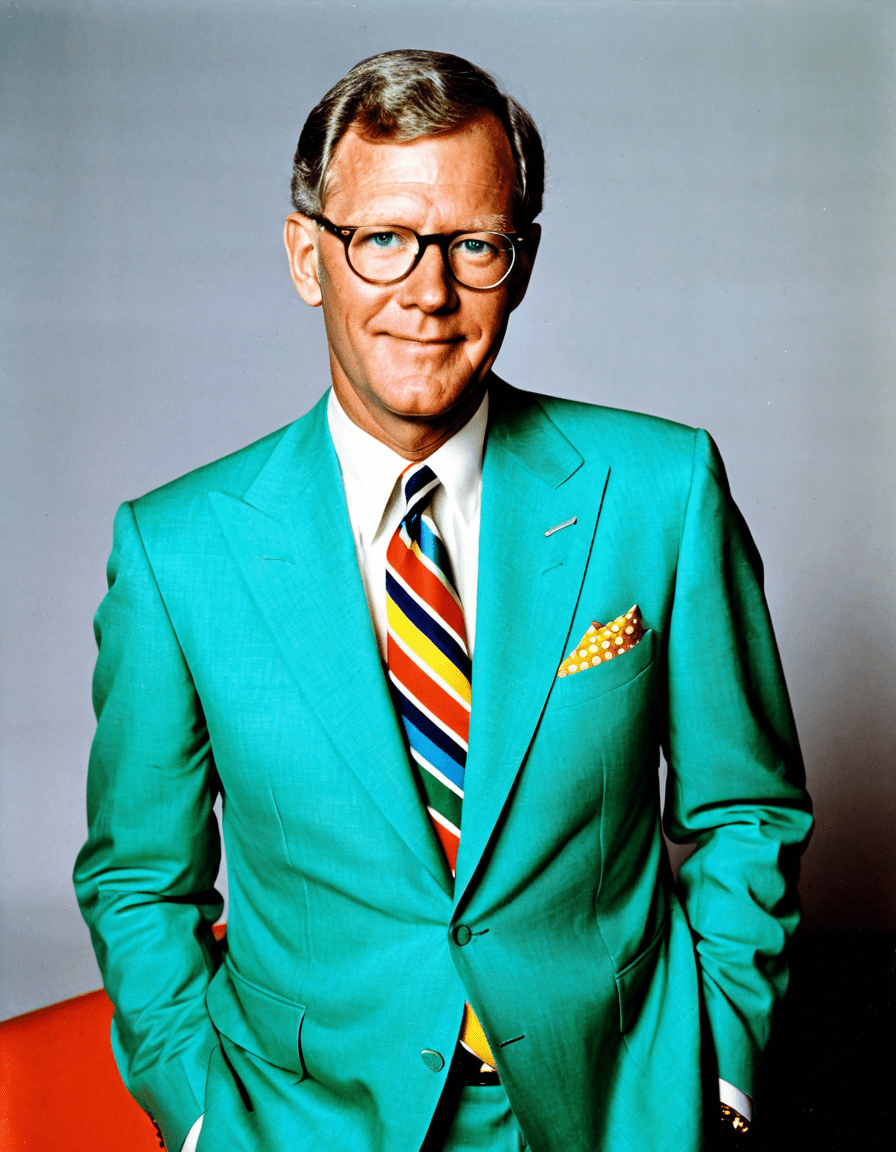
Top 5 Memorable Interviews That Define David Letterman’s Legacy
1. Lucille Ball’s Return
In 1986, Lucille Ball graced Letterman’s stage, marking an emotional reunion for both comedy legend and late-night pioneer. The respect Letterman showcased for the icons of yesteryear highlighted his deep reverence for the legacies that shaped the entertainment industry. Their poignant conversation became a testament to the power of nostalgia, bridging gaps between generations of viewers.
2. Brooke Shields on Live Television
When Brooke Shields opened up about her tumultuous experiences in Hollywood, audiences witnessed Letterman’s genuine curiosity and compassion. This interview was not just another celebrity chit-chat; it became a reflective moment, revealing the pressures of fame and the personal side of celebrity life.
3. Howard Stern’s Raw Honesty
Stern’s candid revelations about his life and career turned this interview into an exploration of authenticity. Letterman’s ability to blend humor with serious undertones showcased his unique interview style, allowing for deep connections even among the most outrageous personalities.
4. Bill Murray’s Antics
Oh, the unpredictable synergy between Letterman and Bill Murray! Their offbeat dynamic set a humorous gold standard in late-night entertainment. Murray’s quirky antics and Letterman’s deadpan responses painted an unforgettable picture for viewers, showcasing the fun and spontaneity that defined much of Letterman’s career.
5. The Last Show with President Obama
In a fitting tribute to his legacy, President Obama made his final appearance on Letterman’s show. This poignant moment not only illustrated Letterman’s cultural significance but also reflected his growth into a reflective commentator on social issues.
David Letterman’s Influence on Modern Comedy: The Coquette Factor
David Letterman didn’t just create a television show; he laid the groundwork for modern comedy. His coquette-like persona, a blend of humor and suave charm, has inspired various contemporary comedians. You can see traces of this influence in names like Jimmy Fallon and Stephen Colbert, who engage their audiences with a brilliant combination of wit and flirtation.
Through his signature style, Letterman illuminated the idea that sarcasm needn’t be divorced from sincerity. By utilizing both in his routines, he set a bar for authenticity in comedy. Think of it as a conversation where a punchline can emerge from a moment of genuine human connection. Letterman’s blend of irreverence and light-hearted vulnerability is mirrored in the comedic practices of today, shaping how humor is crafted and delivered.
Consequently, his ability to mix humor with thought-provoking discussions opened doors for comedians who want to engage with real-world issues while keeping their audiences entertained. The principles behind Letterman’s approach persist, reminding us that laughter and thoughtfulness can coexist harmoniously.
The Lasting Impact of David Letterman’s Show Format on Late Night Television
The structure of Letterman’s late-night shows hasn’t just shaped how we consume entertainment—it created a template emulated by numerous successors. Elements like cold opens, celebrity interviews, top ten lists, and comedy sketches are pervasive across shows today. From Jimmy Fallon to James Corden, the influence of Letterman is inescapable.
Those cold opens, where Letterman would engage in witty repartee before bringing guests onto the stage, forged an intimate connection with viewers. It set a tone and established a rhythm for the entire show. This format became a firm foundation for future late-night programming, facilitating an easy-going yet engaging viewer experience.
Moreover, Letterman’s penchant for memorable, bite-sized segments—his Top Ten Lists and silly, stunts—changed audience expectations. This comedic economy catered to quicker attention spans, something we see in the structuring of today’s late-night content. Each of these elements coalesces to underscore how Letterman’s legacy remains vibrant in the late-night television landscape.
Behind the Scenes: The Philosophies That Guided David Letterman
Behind the laughs and quirks lies a set of philosophies that guided David Letterman through his career. Authenticity ranks high on that list. Letterman wasn’t just spouting jokes; he was sharing pieces of himself throughout his journey. His commitment to being real, despite the glitz of the entertainment world, helped his fans connect deeply with him.
In reflecting on fame, Letterman often posed provocative questions about its value and the essence of being a celebrity. He used his platform to challenge the status quo, allowing audiences to ponder the evolution of celebrity culture. Through thoughtful interviews and careful commentary, he initiated conversations that remain credible even today.
Letterman also believed in the transformative power of comedy. Whether he tackled serious subjects or lighthearted banter, his approach illustrated how laughter can serve as a coping mechanism. The candid portrayals and reflections became intrinsic to his appeal, distinctly showcasing why audiences connected with his work.
The Enduring Legacy and Relevance of David Letterman
David Letterman’s impact on entertainment is as legendary as it is enduring. Even in 2026, his spirit lives on through countless comedians and talk show hosts inspired by his authentic style and audacious creativity. Letterman played a pivotal role in the evolution of late-night television, reminding audiences that humor can transcend time and societal changes.
His legacy remains a guiding light for new comedians venturing into the spotlight. They continue to draw from Letterman’s innovative techniques, philosophies, and unwavering commitment to authenticity. Each time viewers tune into a late-night show, they can trace echoes of Letterman’s influence in almost every quip and segment.
So, whether you’re laughing at a Top Ten List or reflecting on a heartfelt monologue, remember that it’s not just entertainment—it’s the echo of a late-night legend whose cultural significance will echo for generations to come. David Letterman isn’t just a name; he’s a beacon of what late-night television can be, forever shaping the laughs that color our evenings.
David Letterman: The Iconic Late Night Legend You Must Know
Trailblazer on Television
David Letterman’s impact on late-night TV is hard to overstate. His clever mix of humor and irreverence reshaped how we view late-night talk shows, establishing a format that’s still influential today. Did you know that even Harry Styles, who took on various roles including movies, has praised Letterman’s approach? It’s impressive to see how Letterman’s influence ripples across generations and genres. While diving into his timeless shows, you might also want to check out the best shows to stream that encapsulate the same wit and charm.
A Legacy of Unique Guests
Letterman has had a litany of notable guests over the years. This includes everyone from actor Jack Nicholson to musicians like Elvis Costello and even heartfelt moments with stars like Nikki Reed. Ever wonder about Jack Nicholson’s kids? They’re certainly a reflection of his legacy. Through heartfelt interviews and spontaneous moments, Letterman created a space for vulnerability rarely seen in talk shows. And did you know that he once featured a skit that poked fun at the Saw Movies in order? It showcased his ability to blend humor with pop culture seamlessly.
Timeless Influence and Recognition
David Letterman isn’t just celebrated for his quick wit; he also paved the way for others in late-night. For instance, Danielle Brooks, known for her roles in various movies and TV shows, has cited his impact on comedians who came after him. And speaking of camaraderie, Letterman has even been recognized with prestigious awards, cementing his legacy further. His connection to the arts is multifaceted, with a rich history of collaborations that highlight the fun side of fame—much like the military romance depicted in Purple Heart. So next time you see Letterman’s name, just know that his influence stretches far and wide across the entertainment tapestry!