
The Allure of Constellation Myths Across Civilizations
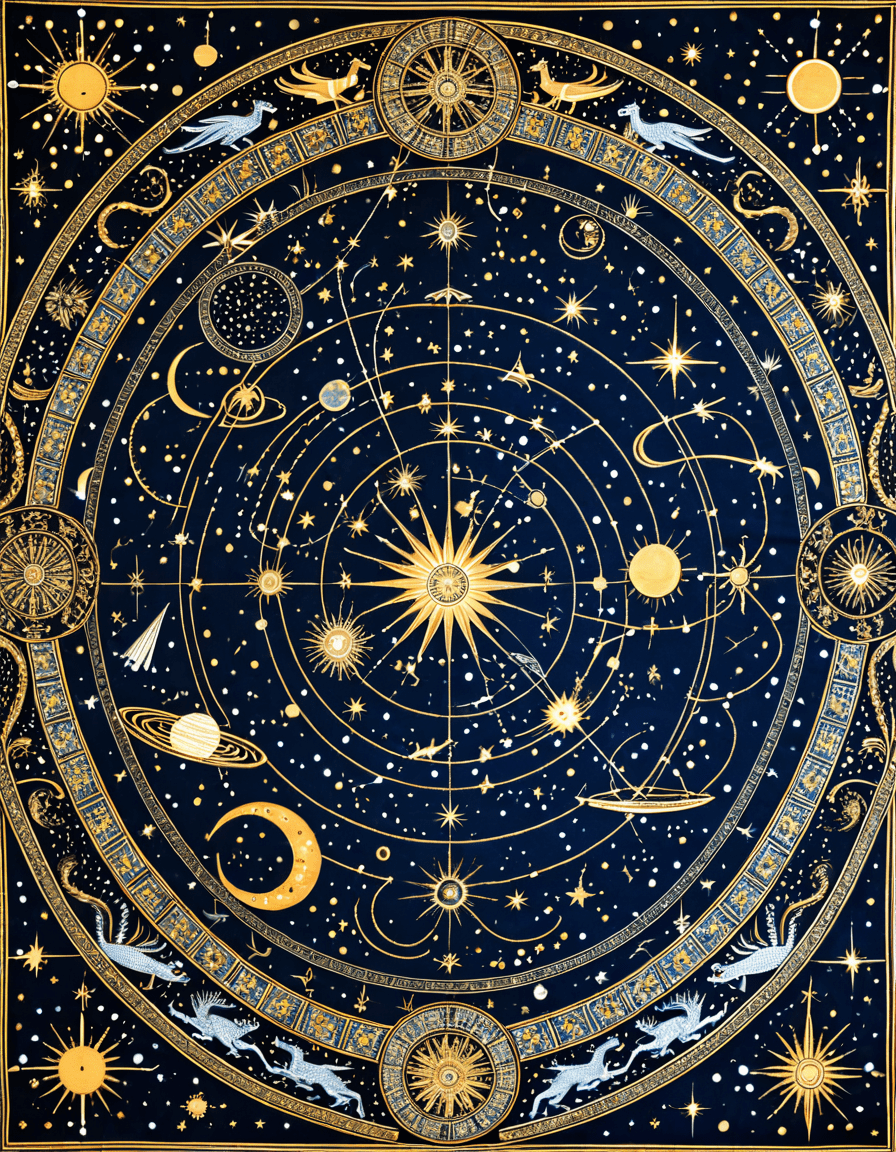
Ah, the constellations! These glittering luminaries dance across the heavens, captivating our imaginations Since the dawn of civilization. They are not just stars; they’re storytelling at its finest—each twinkle beckons with tales of glory, love, and caution. From the deserts of Egypt to the plains of North America, various cultures have woven their myths around these celestial formations, transmuting constellations into cultural touchstones that transcend mere navigation.
Why do these tales matter today? Well, my fashion-forward readers, just like an exquisite couture gown, these myths showcase the depth and richness of human experience. They connect us to our shared heritage and give context to our modern existence. As we gaze upwards on a starry night, we’re not just looking at light years of cosmic distance; we’re exploring the vast landscapes of human imagination and emotion.
So let’s embark on a journey through time as we unravel seven constellation myths that not only commemorate celestial artistry but also encapsulate ancient wisdom! Buckle up, because these aren’t your average fairy tales; they’re filled with drama, romance, and a little bit of cosmic chaos.

7 Constellation Myths from Diverse Cultures
1. Orion: The Hunter in Greek Mythology
Meet Orion, the ultimate celestial heartthrob and one of the most recognizable constellations strewn across the canvas of Greek mythology. Picture this: a mighty hunter, tall and robust, encapsulating bravery while chasing the ever-elusive Pleiades. His story brims with romance, as he’s often entwined with godly figures like Artemis and Apollo.
But don’t be fooled! Orion’s tale is as layered as a high-fashion ensemble, weaving in themes of love, loss, and even revenge, particularly against the scorpion, Scorpius, sent by Artemis. This narrative speaks to the human experience in all its vibrant hues—capturing the cycle of life itself. Who knew staring at the night sky could evoke such a profound mix of emotions?
2. The Big Dipper: Navigational Guide of North America
Now, let’s pivot to North America, where the Big Dipper emerges as not just a constellation but a compass for the soul! Among the Lakota, this formation is seen as a celestial bear embroiled in an eternal chase with hunters. The Dipper doesn’t just shine brightly; it illuminates paths to survival and resilience.
These ancient tales resonate deeply, showcasing an intricate relationship with nature. Picture rock-solid determination as early Native Americans trotted across uncharted territories, using the stars to guide their way. Talk about perseverance! This constellation isn’t just a shape; it represents a narrative of endurance against the trials of life.
3. The Southern Cross: Cultural Significance in the Southern Hemisphere
Next, we glide down to the Southern Hemisphere. The Southern Cross has a magnetic pull, particularly for Aboriginal Australians, its stories woven deeply into the fabric of Indigenous culture. Think of it as a sky map, connecting ancestral beings to the land below and guiding nomadic tribes through vast terrains.
The narratives surrounding this constellation emphasize a fusion of land, spirituality, and identity. By mapping stories to stars, these cultures create a cosmic tapestry that validates their existence and links their history to celestial phenomena. As modern cosmologists explore the universe, these timeless tales remind us that the stars have always been more than gas and dust—they reflect human experience itself.
4. Ursa Major and Ursa Minor: The Bears of Norse Tradition
In Norse mythology, Ursa Major and Ursa Minor indulge our imaginations as the mighty bear and her cub. Picture the grandeur of cosmic battles and heroic sagas! The stories of these constellations often impart valuable lessons about bravery and sacrifice that resonate across ages.
These bears symbolize protection and the continuation of cultural heritage. Little ones hear tales of their cosmic adventures, instilling memories and wisdom into the next generation. What could be more fashionable than carrying forward stories that inspire courage and love?
5. Cassiopeia: The Queen of Ethiopia
Let’s shift gears to the captivating Cassiopeia, depicted as a vain Ethiopian queen in Greek myth. This constellation serves as a cautionary tale about the perils of hubris, reminding us all that beauty and pride can lead to one’s downfall. So, when you’re navigating the social ladder or the latest fashion trends, a touch of humility might just save the day!
Her starry throne reflects not just a beautiful figure but a lesson in character, one that resonates in various cultures. Cassiopeia never ceases to captivate, urging us to reflect on what we value most—inner beauty or outer charm.
6. Leo: The Power of Kings in Egyptian Culture
Step into ancient Egypt, and you’ll understand the reverence for Leo, the Lion constellation. This fierce feline symbolizes not just royalty but also the divine. Deities like Sekhmet, the lion-headed goddess, embody the ferocity and strength associated with kings and warriors—dark, powerful, and utterly awe-inspiring.
The celestial lion served as a reminder of the pharaohs’ connection to the gods, emphasizing a union between earthly power and cosmic influence. Leo’s legacy furthers the rich blend of mythology, tying celestial transformations to human authority and identity.
7. Draco: The Protective Dragon of Early Civilizations
Finally, we soar to Draco, the dragon constellation that many cultures interpret as a guardian of the heavens. In ancient Egypt, Draco acted as a protector, embodying wisdom and might. But hold on—dragons are notoriously complex characters! In medieval European lore, they symbolize a battleground where good and evil collide.
This duality in Draco reveals how celestial bodies can inspire a rich tapestry of stories, often leading us to examine the good, the bad, and the downright terrifying within ourselves. Just like in fashion, where trends ebb and flow, Draco questions the very essence of heroism and villainy.
Modern Resonances of Constellation Myths: Goldberg, Giovanni, and Beyond
Here we are, in the sensational era of 2026, where ancient tales continue to illuminate modern artistry. The likes of artist Goldberg and filmmaker Giovanni ensure that these constellation myths remain relevant, often integrating them into contemporary narratives—be it eco-conscious tales or visually stunning experiences.
Think about it! These stories lend themselves beautifully to music and visual arts, allowing us to reconnect with ancestral wisdom in the most contemporary of ways. Meanwhile, revived shows like “Peanuts” charm new audiences by evoking a sense of nostalgia—reminding kids and adults alike of the magic held within those shimmering cosmic dots.
Whether it’s through art or new forms of media, the reinterpretation of these ancient myths keeps them alive, inviting fresh perspectives and sparking new dialogues about our relationship with the cosmos.
Beyond the Stars: Cultural Ties and Future Narratives
The stories surrounding constellations act as cultural relics, each one shimmering with values and historical significance. As technology advances, innovative pursuits in education and art open pathways for deeper connections to our ancestors. It’s a stellar endeavor to appreciate the threads weaving humanity together through time and space.
So as we reflect on these ancient myths and their modern manifestations, let’s come together to celebrate our cultural heritage. The constellations whisper narratives of who we have been, who we are, and who we aspire to be. Just like the perfect outfit, these stories are made for sharing—sparkling with wisdom and imagination, bridging our past with the promises of the future.
And remember, whether you’re in a chic café in Compton or catching a flight from Terminal 7, look up! The cosmos continues to tell tales through the constellations, inviting you to be a part of the narrative woven across time and space. Each starlit night is an ongoing masterpiece, waiting for you to discover its manifold meanings.
So, why not glance up at the stars tonight? They just might inspire the next great designer or artist. And if all else fails, remember that even a question as simple as “What Does Imy mean?” doesn’t hold a candle to the switch-heels of cosmic creativity that history and mythology bestow upon us. The night sky continues to sparkle and dazzle, inviting you to partake in its eternal fashion show. ✨
Constellation Wonders that Captivated Ancient Cultures
Legends of the Stars
Did you know that many ancient cultures looked to the sky for guidance, weaving together tales with the stars as their backdrop? These captivating stories included vibrant characters and epic adventures, forming the rich tapestry of folklore. For instance, in Greek mythology, the constellation Orion is often depicted as a hunter battling Taurus, the bull. This narrative wasn’t just for entertainment; it also helped early civilizations track seasons and navigate their lives. In fact, certain cultures relied on the sky’s patterns to predict the weather and spot meteor showers, vital for agriculture and survival. To learn more about the astonishing beauty of meteor phenomena, check out this fascinating article.
Cultural Connections
As we gaze at the celestial bodies, it’s easy to feel a sense of connection across time and space. The Inuit people looked at the stars and related them to their daily lives, creating stories that explained the ocean and the critters they relied on. In contrast, many African tribes associated the constellation Scorpius with the battle of a great warrior, aligning their agricultural practices with its visibility. Such tales not only entertained but also served practical functions, demonstrating a deep understanding of nature. Speaking of communication through stories, have you ever heard how a coup can dramatically change the course of history? It’s fascinating to see how various narratives intertwine, much like how the stars play out in the sky. For a look into significant political shifts, read more about it here.
Starry Inspirations
In modern times, the influence of these ancient tales can still be felt. Ever heard of Frank Zappa? This legendary artist drew inspiration from various sources, including cosmic themes, often reflecting the creativity sparked by the mysteries above us. Similarly, popular culture continues to celebrate constellations, from cartoons to blockbuster films, ensuring these stories remain relevant. For example, the whimsical adventures of beloved characters, like those voiced by the famous Spongebob voice actor, often reference cosmic ideas that resonate with young audiences today. Furthermore, if you’re curious about how celestial events fit into our entertainment, check out movie times for films that delve into these enchanting themes.
In essence, the stories we tell about constellations reflect our ever-changing relationship with the universe. Each constellation carries whispers of the past, reminding us of the human quest for understanding, connection, and creativity—whether it’s contemplating the epic battles in the skies or the enchanting realms of Europa in our own solar system. So next time you look up, take a moment to appreciate the legends that have captivated countless generations!