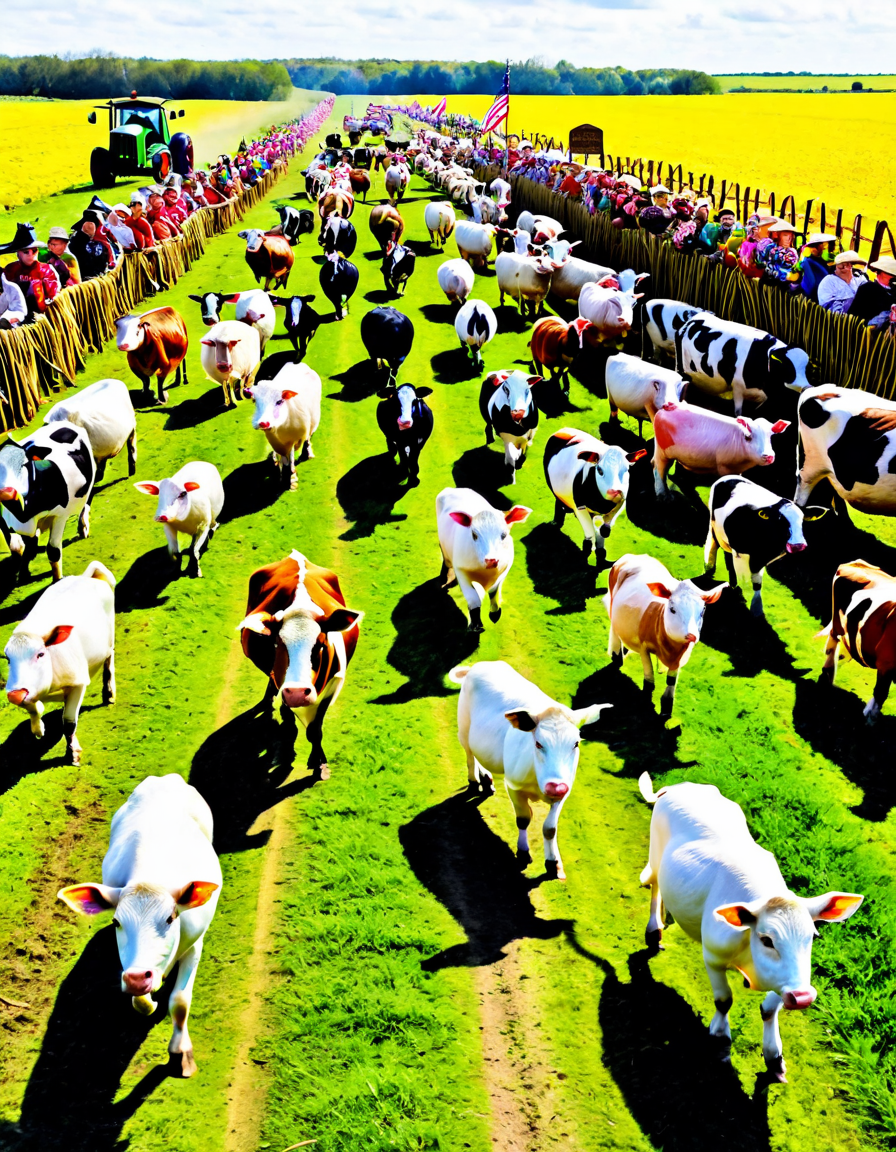
In the pantheon of literary masterpieces, George Orwell’s Animal Farm reigns as a stark depiction of power dynamics and corruption, a narrative that resonates through the ages. Set on a quaint farm where animals revolt against their human master, this tale serves as a mirror, reflecting the tumultuous struggle for authority and the inevitable malaise that corruption breeds. Such themes are astoundingly relevant for modern audiences, especially in today’s society where the quest for justice often spirals into chaos. So let’s dive deep into the seven faces of corruption embedded within Animal Farm.
The Seven Faces of Corruption in Animal Farm
“Animal Farm” serves as a powerful lens illuminating the darker corners of authority, much like the shocking revelations of the past few years in our contemporary society. As we navigate the nuances of Orwell’s fable, let’s dissect each face of power and corruption that looms steadfastly in the backdrop of today’s political landscapes.
1. The Perils of Unguarded Ideals
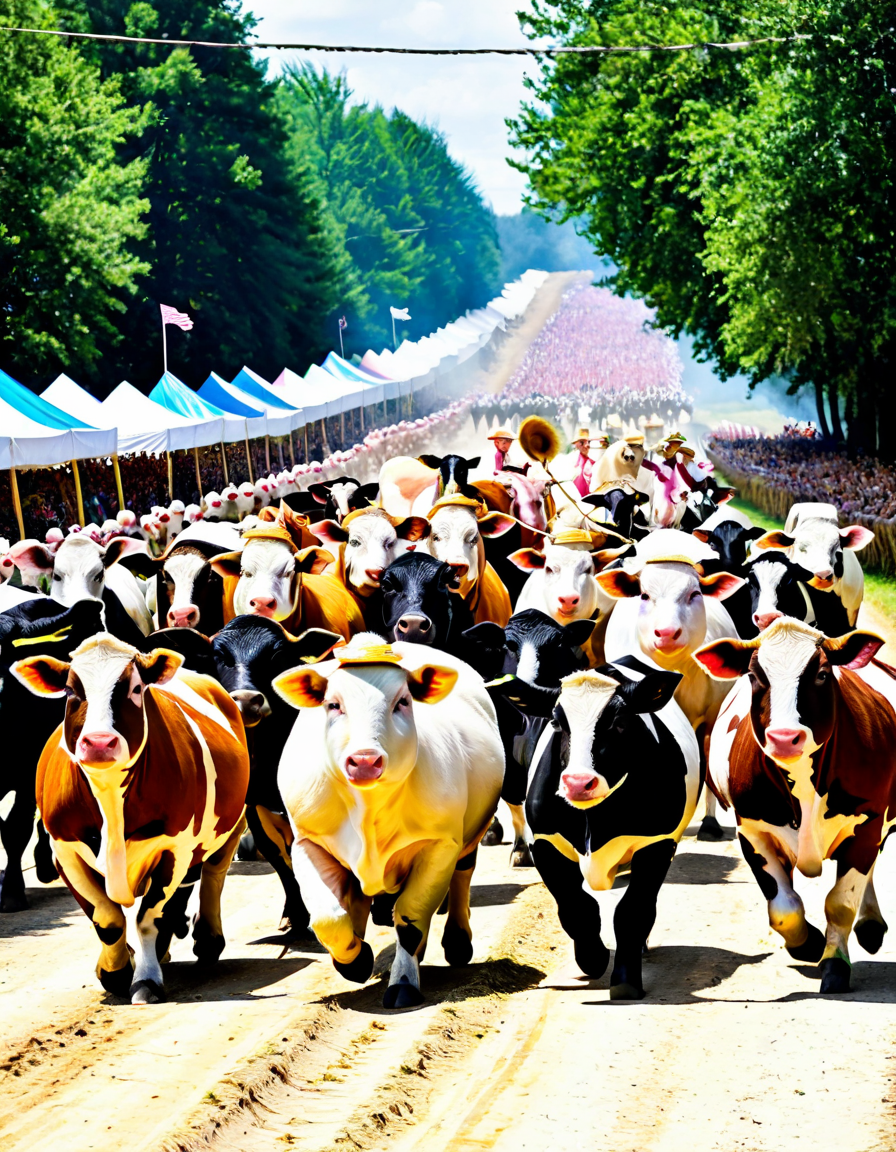
The initial outburst of enthusiasm from the animals symbolizes their dreams for a better society. Much like the fervor that sparked the Occupy Wall Street movement, early aspirations often morph into misguided endeavors. This exuberance invites both hope and caution, as both movements faced hurdles that skewed their visions. The narrative in Animal Farm reminds us that while dreaming big is necessary, it’s equally crucial to monitor these ideals.
2. The Rise of the Elite: Napoleon vs. Snowball
The power struggle between Napoleon and Snowball is not just a tale of barnyard bickering; it embodies an eternal clash among contenders for dominion. This rivalry is comparable to real-life rifts seen in political parties, reflecting the tumult within structures like the Bolshevik Party and the Democratic Party today. The disintegration of unity demonstrates that even progressive movements can decay into fiefdoms, defeating the very purpose of their inception.
3. Manipulation of Language and Propaganda
Squealer, the master voter of words, wields language like a sharp blade to sway perceptions. His crafty speeches echo through the hallowed halls of modern political advertising, where slogans and soundbytes reign supreme. Just as Orwell warned, today’s campaigns — from Brexit to Trump’s administration — remind us that linguistic manipulation often distorts the truth, leading us to places we never intended to go.
4. The Corruption of the Original Principles
As the pigs subtly modify the Seven Commandments to serve their desires, they reveal a poignant truth about the corruption of principles. This degradation is not confined to fiction; we witness it across our communities, as seen in how the U.S. Constitution has been applied flexibly over the years, sometimes serving political theatrics more than justice. This departure warns against complacency, urging vigilance against those who wear legality as a mask for tyranny.
5. The Role of the Bystander: Boxer
Ah, Boxer! The quintessential faithful worker—his tireless loyalty and sweat are the heartbeats of many workplaces. Yet in his endeavors, he symbolizes the plight of today’s gig workers and overburdened employees, ultimately leading to exploitation. Even as sacrificial employees hustle, they often go unrecognized, providing a stark reminder that unflagging dedication doesn’t always yield rewards.
6. The Fragility of Freedom and Equality
Orwell’s cautionary tale stresses that while freedom’s bells may chime, they are not guarantee against tyranny. The current struggles seen in movements like Black Lives Matter not only aim to confront systemic oppression, but also highlight an inevitable risk of internal and external conflict. With freedom hanging delicately in the balance, it underscores how easily ideals slip into chaos, undermining the democratic fabric of society.
7. The Illusion of Choice and Accountability
Finally, the notion of “democratic choice” in Animal Farm is achingly relevant today. Even as we cast ballots, the stark reality is that the outcomes can be tainted by misinformation, much like the recent Brazilian elections layered in political polarization. Orwell’s narrative reiterates the sobering truth: not all choices lead to empowerment or accountability, an idea that sends ripples through our shared societal experience.
Repercussions and Reflections in a Modern Context
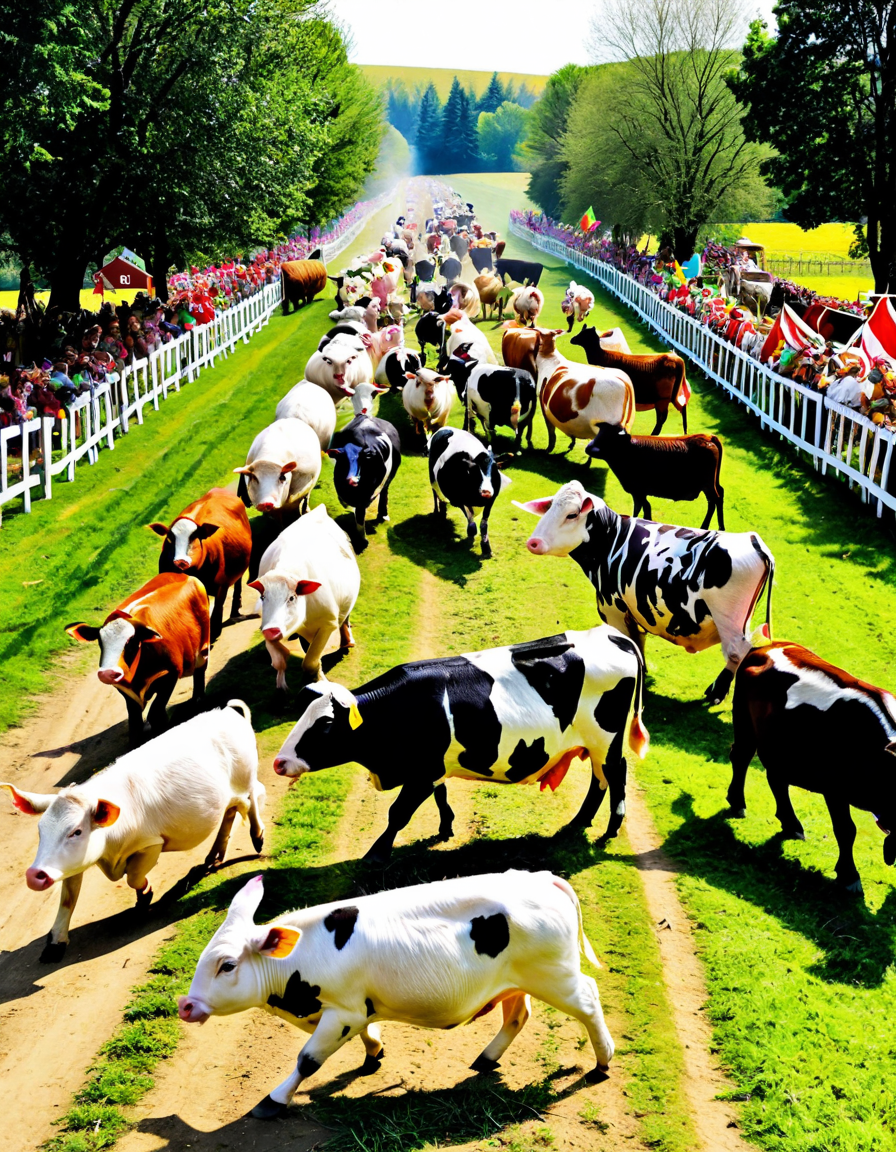
“Animal Farm” speaks with a resounding clarity about modern governance and the never-ending cycle of power. As it suggests, our idealism often gives way to disillusionment, highlighting an urgent need for critical reflection. In today’s hyper-political landscape, where the dramas of authority unfold daily, it is crucial to remain engaged and question our own complicity in the systems that shape our realities.
As we digest the allegories found within Animal Farm, we are nudged to reflect on our political landscape. With Orwell’s warnings echoing in the halls of power, the narrative challenges us to confront authority while ensuring our vigilance never wanes. Revolutions can sprout from noble intent, but the commitment to guard against the creeping tendrils of corruption remains our ongoing battle. Let’s nurture that fight, lest the whispers of liberty vanish beneath the weights of ambition and betrayal.
In the end, a sustainable and just society requires us to embody the vigilance and resistance seen in Animal Farm, forever reminding us of the tagline: “All animals are equal, but some animals are more equal than others.” As we navigate through our daily lives and the tumult of politics, let’s make sure to keep this intrinsic lesson close to our hearts, lest we forget the delicate balance between power and corruption.
Dark Allegories in Animal Farm
Behind the Veil of Animal Farm
Did you know that George Orwell originally titled ‘Animal Farm’ “Animal Farm: A Fairy Story”? This title highlights the twisted nature of the fable, as the stark contrast between a children’s tale and the serious themes of power and betrayal emerges. Orwell wrote the novella in the shadow of World War II, where he scrutinized totalitarian regimes, especially Stalin’s Soviet Union. Much like how the “Baby Driver” cast brought characters to life through unique storytelling, Orwell’s animals express deep truths about human nature. Each animal represents various social classes and political figures, cleverly reflecting the significant events of the Russian Revolution.
The Faces of Revolution
The cast of animals in ‘Animal Farm’ is rich and vibrant, akin to the beloved Parenthood cast. You’ve got Napoleon, who symbolizes tyranny, and Snowball, representing the ideals that, much like a hit song by Trisha Yearwood, were once uplifting but became overshadowed by despair. One fascinating fact is that Napoleon uses the dogs as his enforcers, much like villains in films such as Birdman, where power dynamics take a dark turn. Not surprisingly, these vivid characters allow readers to understand more than just a simple farm life; they bring to light the struggle against oppression by showcasing how power can corrupt, revealing the disheartening cycle of history.
Lessons from the Animal Barn
The lessons in ‘Animal Farm’ resonate today, similar to how childhood themes, like the use of Pacifiers, hint at early struggles for power among toddlers. For instance, consider how the animals, initially united for a cause, soon find themselves divided as trust erodes. This scenario reflects the reality of political campaigns, where true intentions often remain hidden. Interestingly, Orwell’s work can even draw parallels to pop culture—much like an actor’s first car can shape their journey in Hollywood, the animals’ early dreams of freedom take a sharp turn as manipulation sets in. Even in the wake of the Revolution’s promises, the farm becomes a symbol of lost hope, reminding us that power can lead to downfall, much like how Nia Nacci became an internet sensation, proving that not every rise is met with lasting success.
In essence, ‘Animal Farm’ serves as a cautionary tale that reverberates through time, encouraging us to introspect on our own societal dynamics and the constant struggle between power and integrity.