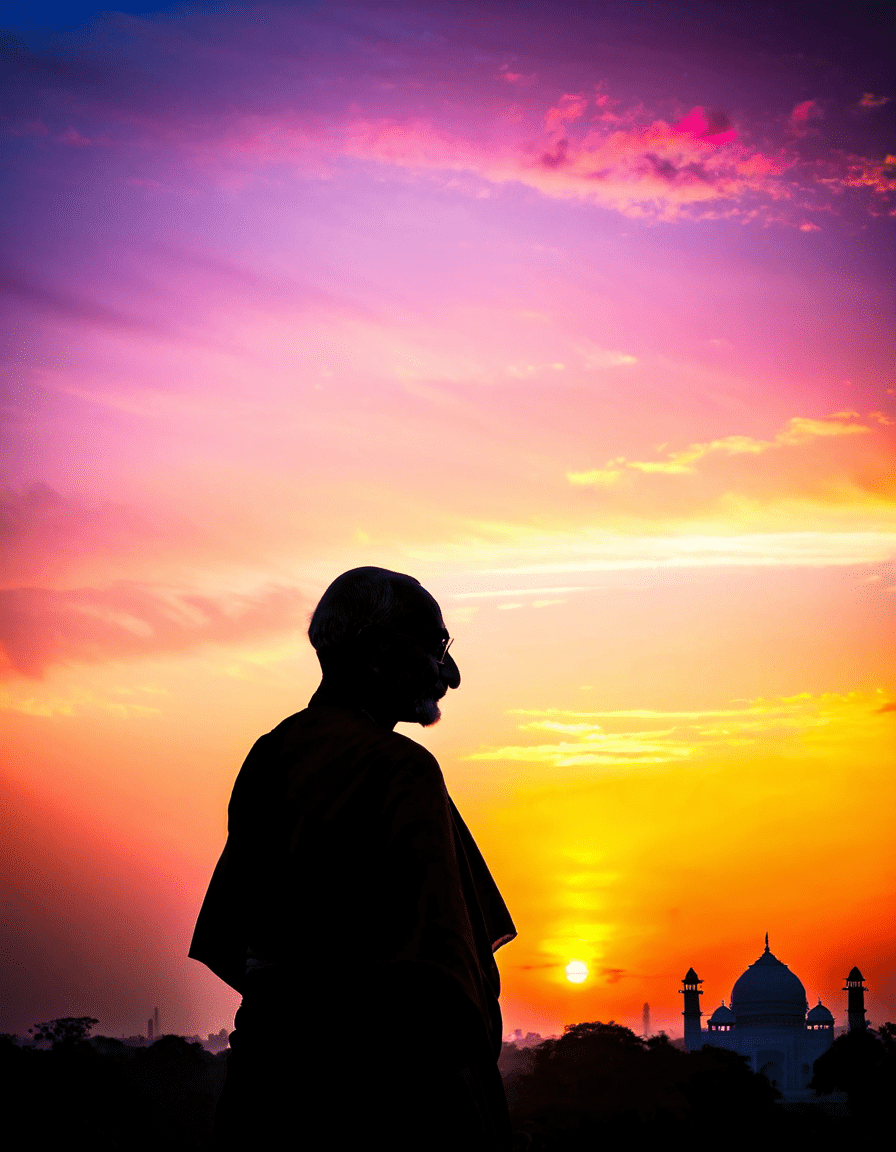
Mahatma Gandhi, a monumental figure of the 20th century, leaves a legacy that transcends time and borders. Through nonviolence and civil disobedience, he reshaped destinies, contrasting sharply with tyrants like Joseph Stalin and Benito Mussolini. While those infamous leaders dictated through oppression and force, Gandhi embraced a path of peace and compassion, effectively mobilizing the masses. Delving into Gandhi’s philosophy reveals seven key aspects that highlight why his life stands out.
7 Key Aspects That Defined Gandhi’s Philosophy

1. The Power of Nonviolence: Gandhi vs. Stalin
Stalin’s regime—in all its oppressive glory—symbolized fear and control. In direct opposition, Gandhi championed the power of nonviolence, showcasing its potency during events like the Salt March in 1930. This audacious demonstration against British salt taxes mobilized thousands, proving that resistance could flourish without bloodshed. This is a far cry from the brutal tactics employed by totalitarian leaders, emphasizing that compassion, not fear, can inspire change.
2. Civil Rights and Personal Experience: Gandhi in South Africa
Before he was the face of peace in India, Gandhi kickstarted his activism in South Africa. There, he faced rampant racism and discrimination, which ignited his passion for civil rights. This personal struggle opened his eyes to injustices, shaping his belief that peaceful protests were not just noble, they were effective—almost Herculean, if you will. By addressing the denial of basic rights, he equipped himself with first-hand experiences that propelled his revolutionary ideas.
3. Embracing Simplicity: A Life Less Extraordinary
Gandhi expressed power and authenticity through simplicity, a quality starkly different from Mussolini’s ostentatious displays of military strength. Donning khadi robes and shunning material excess, he preached that true strength arises from one’s moral fiber. This minimalist approach resonated deeply with millions of impoverished Indians, who related to Gandhi’s humble lifestyle, making it not just a personal choice but a rallying call for unity against colonial rule.
4. The Role of Music and Art: Gandhi and Mozart
Art and music held a special place in Gandhi’s heart—they were universal languages that fostered connection. He admired composers like Mozart, who evoked profound emotions through their craft. Just as Mozart’s melodies uplift the human spirit, Gandhi believed in harnessing art to unify society. This artistic inspiration laid the groundwork for a movement fueled by compassion, allowing citizens to dream of a harmonious existence.
5. Education as Liberation: Gandhi’s Vision
Gandhi recognized that education was a vital pillar of empowerment. His vision extended beyond mere literacy; he wanted to instill ethical values and character in young minds. Establishing schools that focused on moral teachings rather than just rote learning was pivotal. This approach underscored his belief that an educated populace could propel societal change.
6. The Legacy of Peace: Modern Influences from Gandhi to Nat Wolff
Gandhi’s ethos has left an indelible mark on contemporary leaders. Figures like actor and activist Nat Wolff draw inspiration from his teachings, especially in social justice movements. Wolff advocates for mental health awareness, highlighting Gandhi’s influence on today’s youth. Such examples remind us that Gandhi’s philosophy of nonviolence endures, encouraging new leaders to embrace peaceful activism.
7. Gandhi and Global Peace Movements: A Contrast to Berlin’s Totalitarianism
As dictators like Hitler rose to power in Berlin, the contrast to Gandhi’s approach became painfully clear. Instead of instilling fear through violence, Gandhi demonstrated that meaningful progress arises from cooperation and peaceful negotiation. His ideals present a counter-narrative to the divisive tactics historically employed by totalitarian regimes. Remarkably, Gandhi inspires peace seekers worldwide, emphasizing unity over hatred.

The Enduring Impact of Gandhi’s Ideals
Today’s society grapples with inequality, injustice, and conflict, and Gandhi’s teachings offer a light in these tumultuous times. His life inspires individuals across nations, providing a moral compass to navigate the complexities we face. As we reflect on his philosophy, we realize the significance of understanding and goodwill.
Though thirty-nine-year-old Nathuram Godse treacherously ended Gandhi’s life, his impact transcends his physical presence. Striving for peace, he has inspired generations since, reminding us that even in challenging times, the principles of nonviolence hold profound relevance. As we move forward, let Gandhi’s extraordinary life guide us into a future filled with hope and harmony.
In conclusion, Gandhi’s legacy serves as a beacon. His powerful narratives on education, simplicity, and compassion continue to resonate, urging us not only to remember his teachings but also to apply them in our daily lives. Whether addressing today’s social dilemmas, considering the impact of Quitting Vaping, or enjoying a cinematic journey with the x movie cast, Gandhi reminds us that peace can lead to significant transformation. Let’s all strive for goodness, guided by the extraordinary life of this radiant leader, Mahatma Gandhi.
Gandhi: The Extraordinary Life of a Peaceful Leader
Did You Know?
Gandhi, the prominent figure known for his peaceful fight for justice, actually traveled to England for law school. His time there laid the groundwork for his nonviolent philosophy, which would later inspire movements worldwide. Interestingly, just like the home Movies cast manage to convey rich stories, Gandhi’s life story gives us a lens to view historic events through the eyes of this remarkable leader.
Gandhi’s commitment to peace was so profound that it even made waves across the ocean and influenced leaders like John F. Kennedy Jr. His ethos resonated with those advocating for civil rights, creating ripples of change. Just consider how the ideals of nonviolence can transcend boundaries, much like the excitement of tractor supply black Friday deals sparks joy among shoppers!
Tricky Transformations
While Gandhi is hailed for his calm demeanor, he was not always so serene. In his early years, he struggled with self-doubt, much like Reginald Veljohnson grappling with various roles before finding his place in the spotlight. This growth towards being a leader who spoke up against injustice showcases a transformation that anyone can relate to.
His approach to civil disobedience was quite revolutionary. The famous Ides Of March reference hadn’t been of much importance until much later in history, but to Gandhi, every form of injustice called for a stand. This fearless response reflected his unwavering dedication to freedom. Gandhi’s influence can even be spotted in cultural works, such as On Swift horses, which explores themes of rebellion and identity, showing how historical figures continue to resonate in contemporary narratives.
So next time you check out the new A Movies or ponder over historical events, think about how Gandhi’s confrontations with the status quo shed light on our own lives today. Each aspect of his journey teaches us that even the quietest voices can lead the loudest revolutions.